
Golding Constable’s House, East Bergholt; the Artist’s birthplace — History & Facts
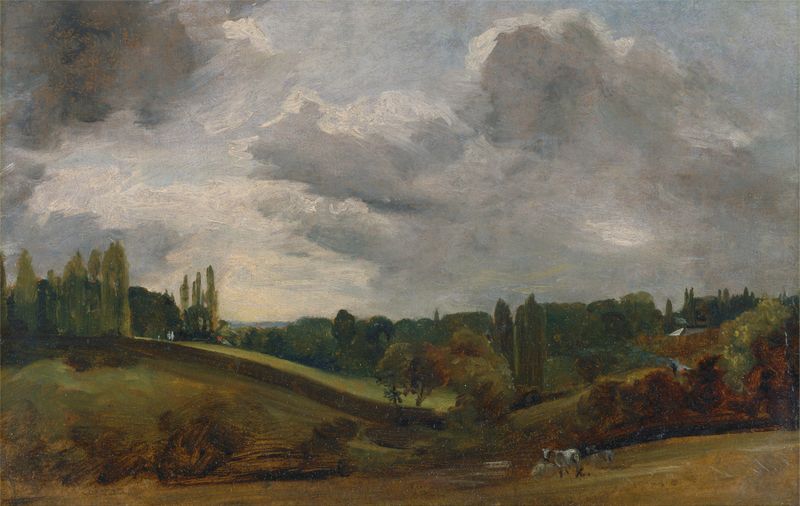
Where does light end, and longing begin? In the gentle brush strokes of a birthplace, an echo of memory entwines with the landscape, revealing a soul tethered to its origins. Look to the left at the quaint facade of the house, its soft white walls bathed in a golden glow, as if the sun itself is cradling a cherished moment. Notice how the delicate interplay of light and shadow dances across the lush greenery surrounding the property, inviting the viewer to wander through the brushstrokes. The artist employs a palette of warm hues that evoke a sense of familiarity, blending earth tones with bursts of vibrant greens, creating a nostalgic atmosphere that seems to whisper secrets of the past. Delve deeper into the scene, where the trees stand sentinel, their gnarled branches suggesting the weight of history.
The subtle inclusion of a figure in the distance, perhaps a reflection of the artist himself, hints at a personal connection that transcends mere observation. This modest home, nestled within the embrace of nature, is not just a structure; it embodies the yearning for belonging, a longing to capture the ephemeral moments that shape our identities. In 1809, the artist was in East Bergholt, grappling with the expectations of the art world while honing his unique vision. The Romantic movement was taking hold, emphasizing emotion and the sublime beauty of nature, coinciding with Constable’s own burgeoning style.
This work emerged from a period of deep introspection, marking his early forays into what would later become his signature landscapes.
More Artworks by John Constable
Browse all →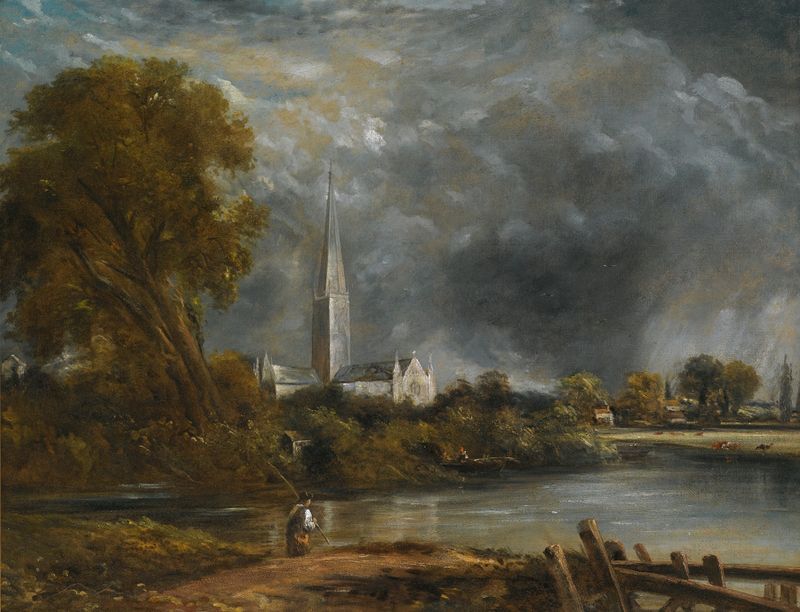
Salisbury Cathedral From The Meadows
John Constable
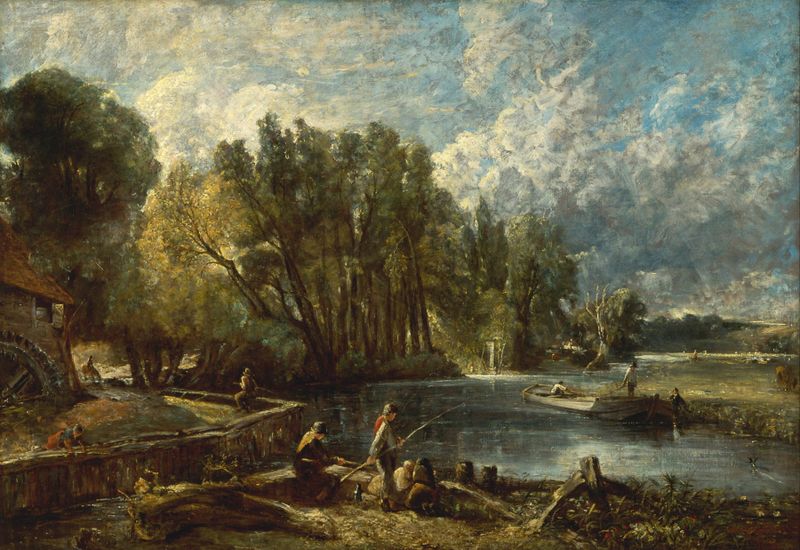
Stratford Mill
John Constable
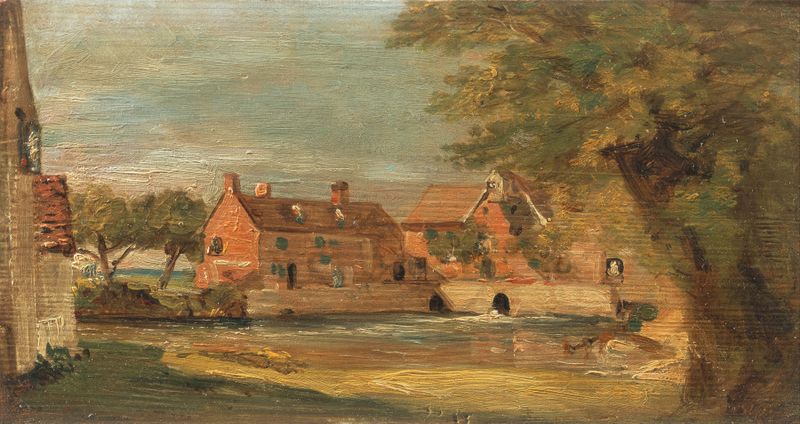
Flatford Mill
John Constable
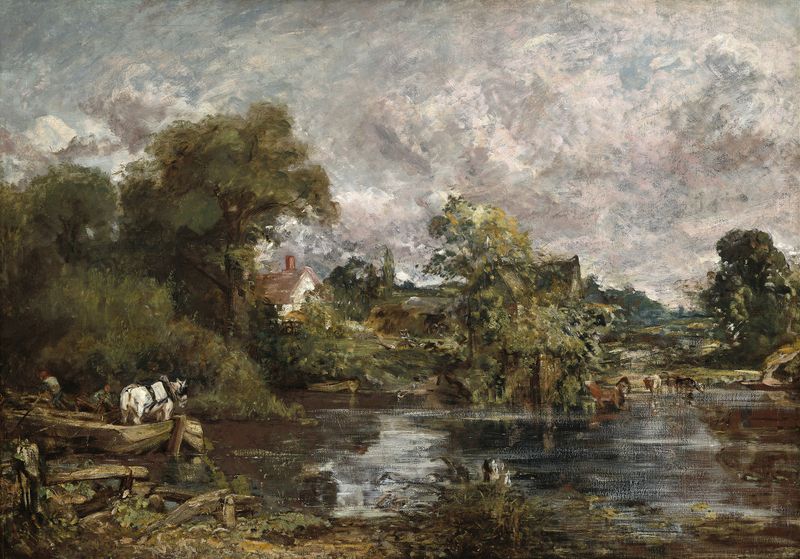
The White Horse
John Constable
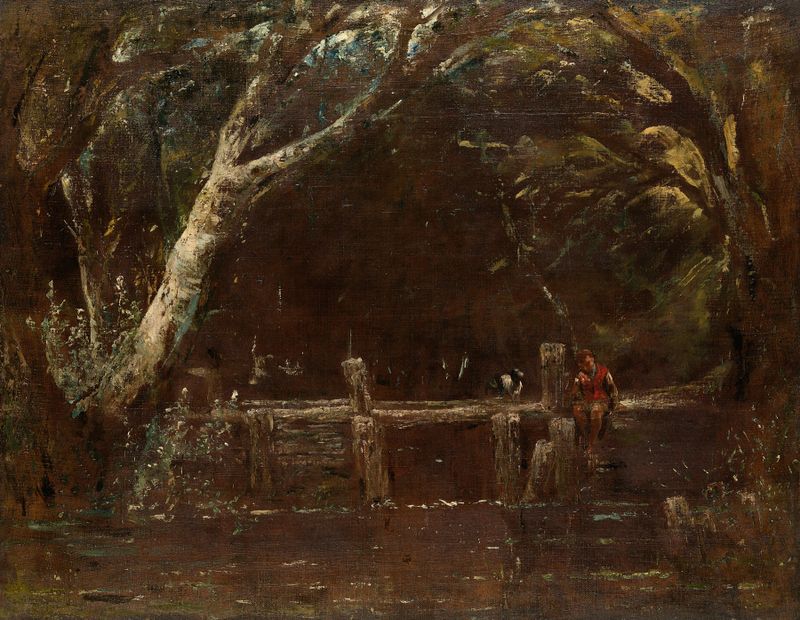
Landscape (The Lock)
John Constable
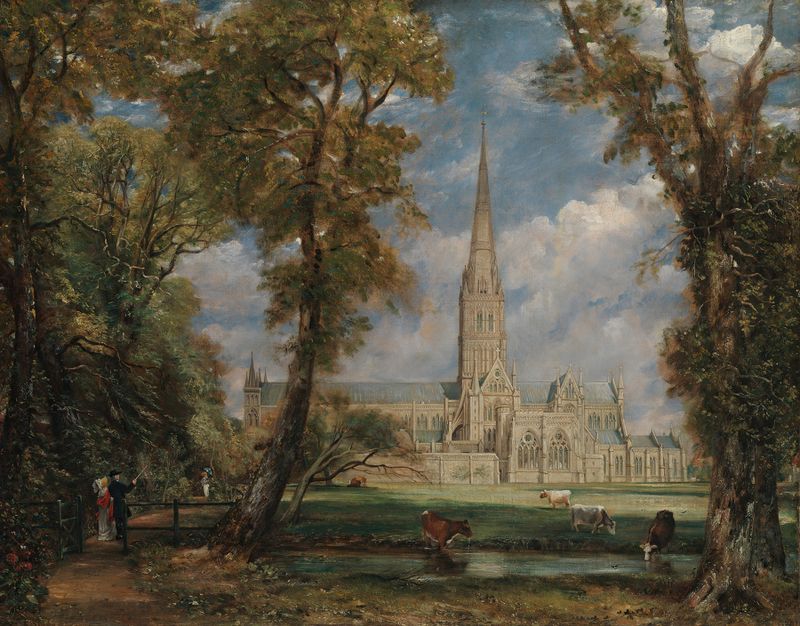
Salisbury Cathedral from the Bishop’s Grounds
John Constable
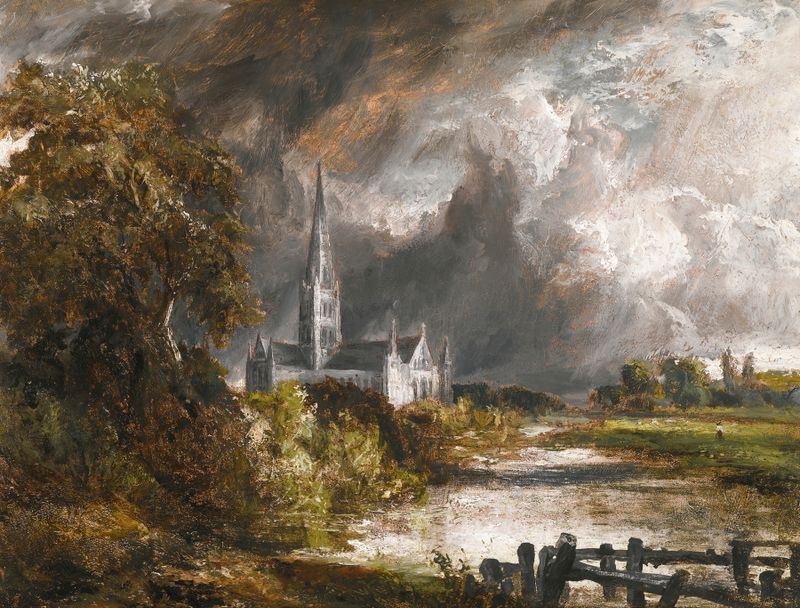
Salisbury Cathedral From The Meadows
John Constable
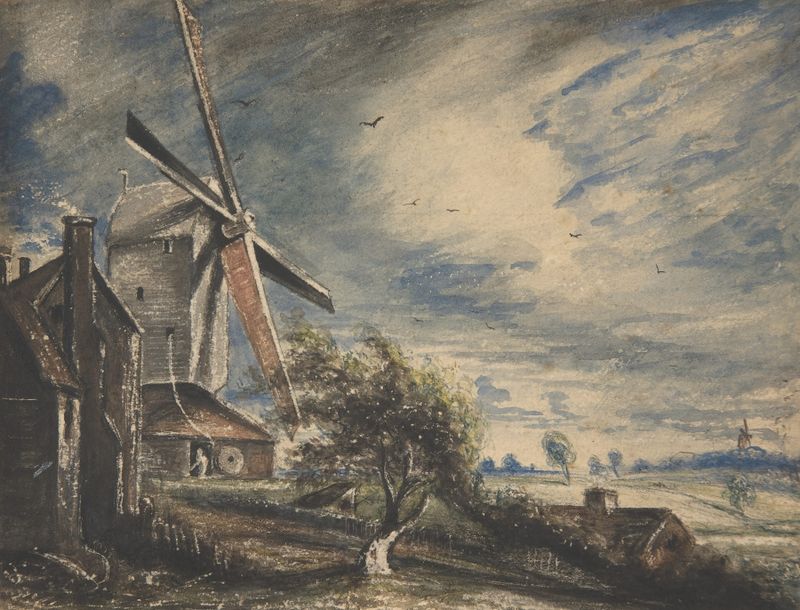
A Mill Near Colchester
John Constable
East Bergholt
John Constable

Flatford Mill
John Constable
More Architecture Art
Browse all →
The statue of Liberty
Frédéric Auguste Bartholdi

View of Houses in Delft, Known as ‘The Little Street’
Johannes Vermeer

View of Houses in Delft, Known as ‘The Little Street’
Johannes Vermeer

The Cathedral in Rouen. The portal, Grey Weather
Claude Monet

The yellow house
Vincent van Gogh

The Church in Auvers-sur-Oise, View from the Chevet
Vincent van Gogh