
Gooseberries — History & Facts
What first catches the eye in Gooseberries is the almost theatrical spotlight that falls on a humble cluster of fruit, transforming the ordinary into something quietly monumental. Each gooseberry, with its translucent skin and faint blush of color, seems to glow against the deep, velvety darkness that swallows the rest of the space. The branch stretches across a stone ledge, its pale wood and veined leaves rendered with a precision that invites close inspection.
The artist’s signature, delicately inscribed on the ledge itself, feels like a whispered claim of authorship—an artist stepping forward, but only just, from behind the curtain of his own still life. Painted around 1700, this work belongs to a world where the small and overlooked could become the focus of intense artistic scrutiny. In the Dutch Republic, still lifes like this were prized by a growing middle class eager to display both refinement and a sense of domestic abundance. Adriaen Coorte specialized in these intimate, almost meditative studies, often choosing a single fruit or vegetable and setting it apart from the world, as if inviting the viewer to pause and truly look.
History has kept few traces of the journey of this particular painting, now documented in the collection of the Netherlands Institute for Art History, but its quiet presence continues to reward anyone willing to linger over its surface.
Sources: Wikidata Q21178292 · Image source (Wikimedia Commons)
More Artworks by Adriaen Coorte
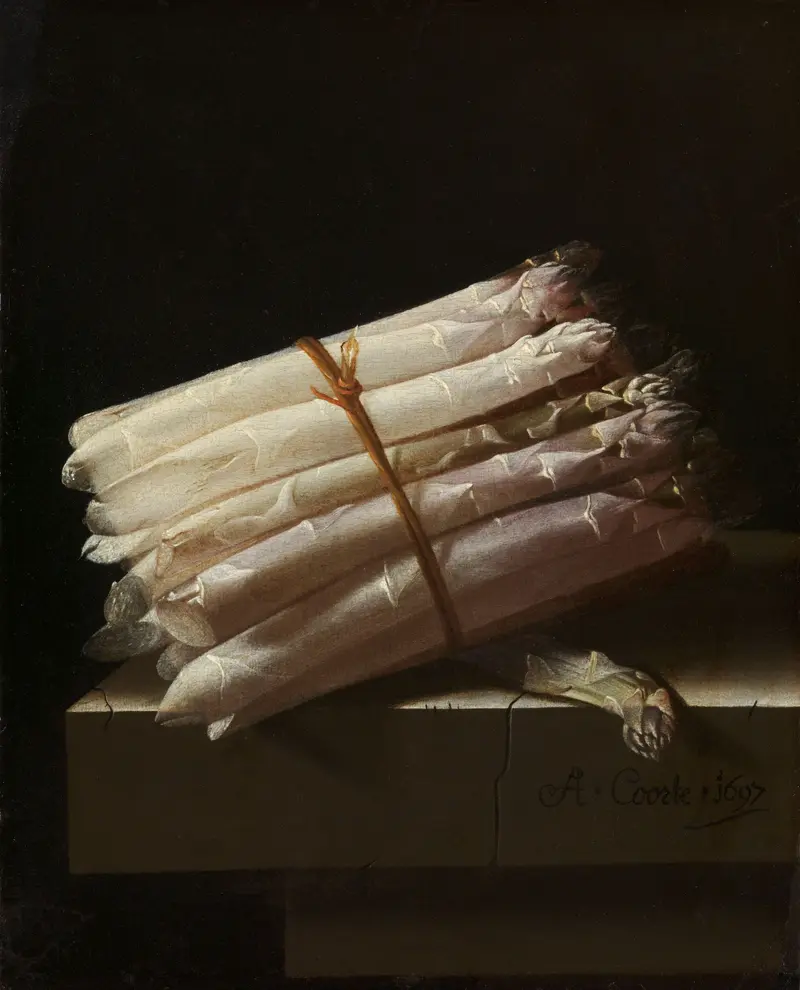
Still Life with Asparagus
Adriaen Coorte
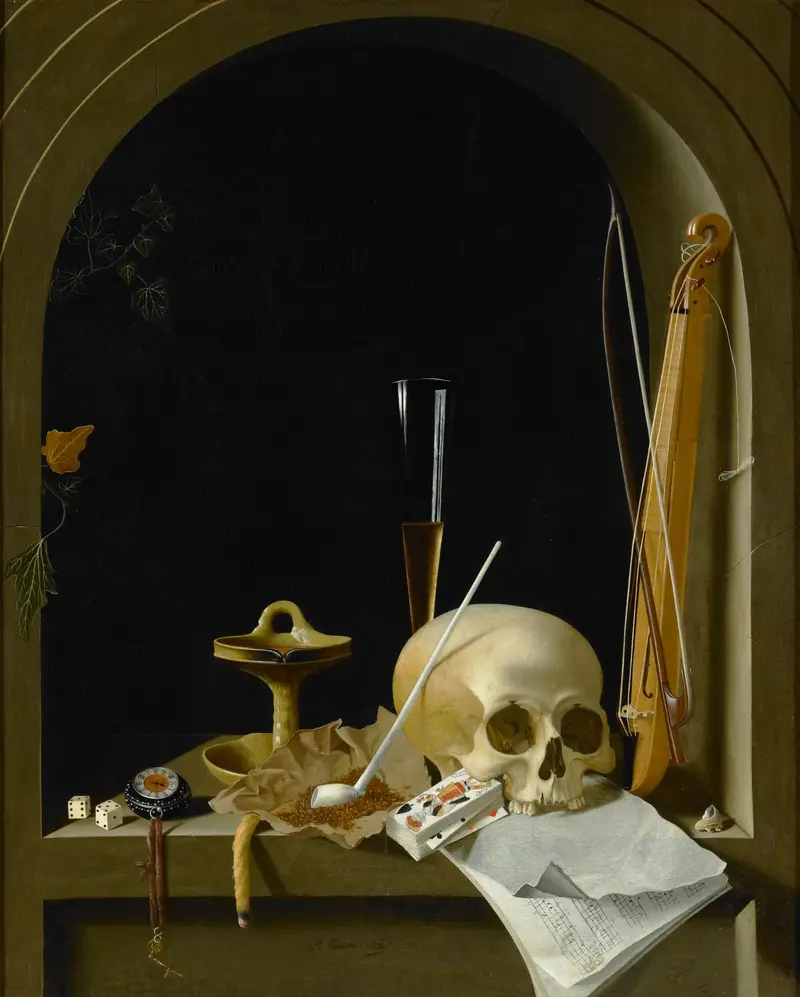
Vanitas still life in a niche
Adriaen Coorte
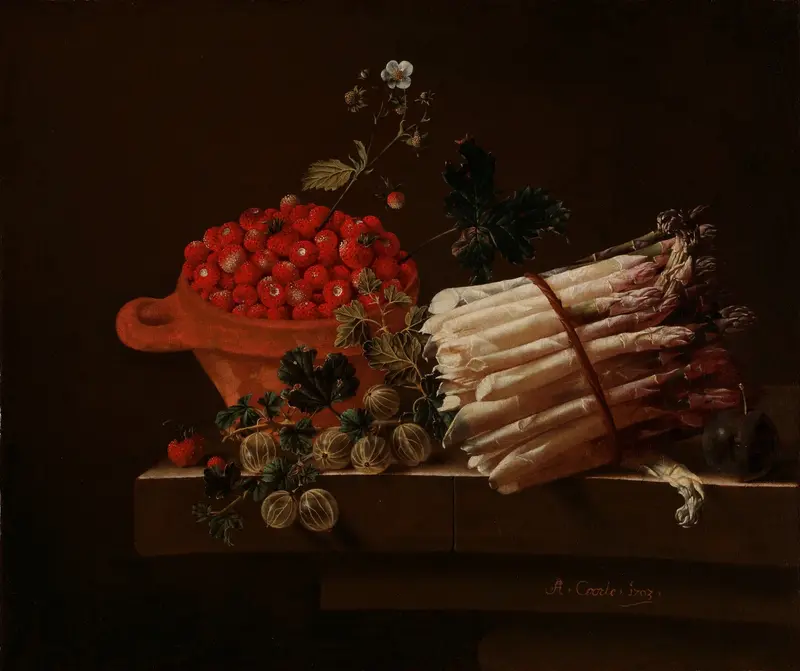
A Pot of Strawberries, Gooseberries, and a Bundle of Asparagus on a Stone Plinth
Adriaen Coorte
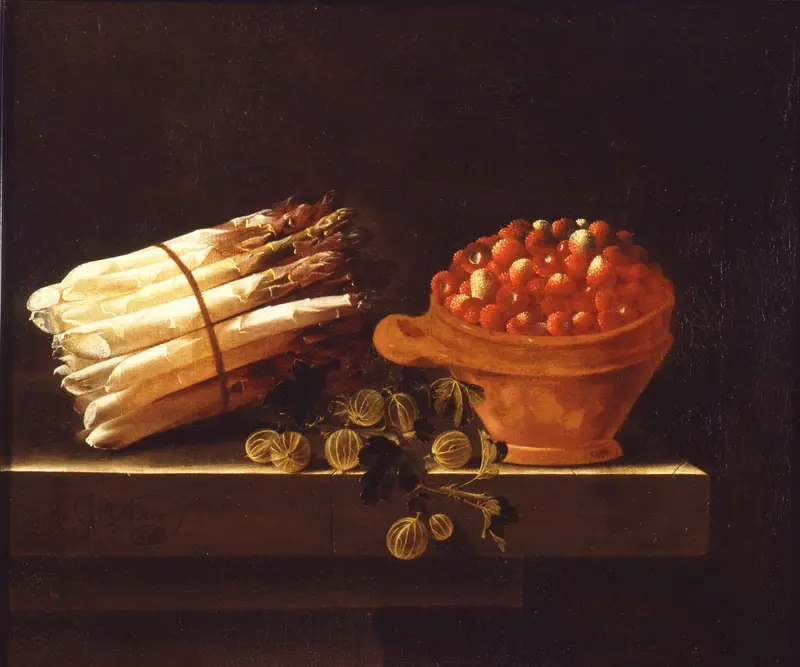
Asparagus, Gooseberries and Strawberries on a Stone Ledge
Adriaen Coorte
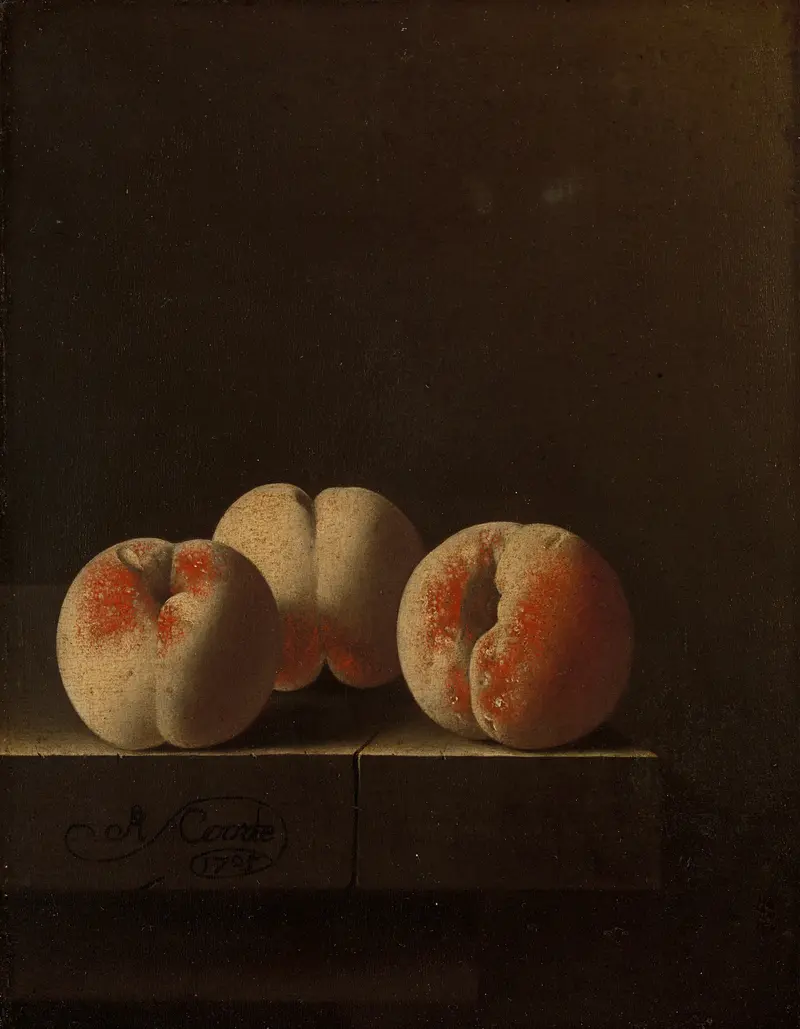
Drie perziken op een stenen plint SK A 5101 Rijksmuseum
Adriaen Coorte
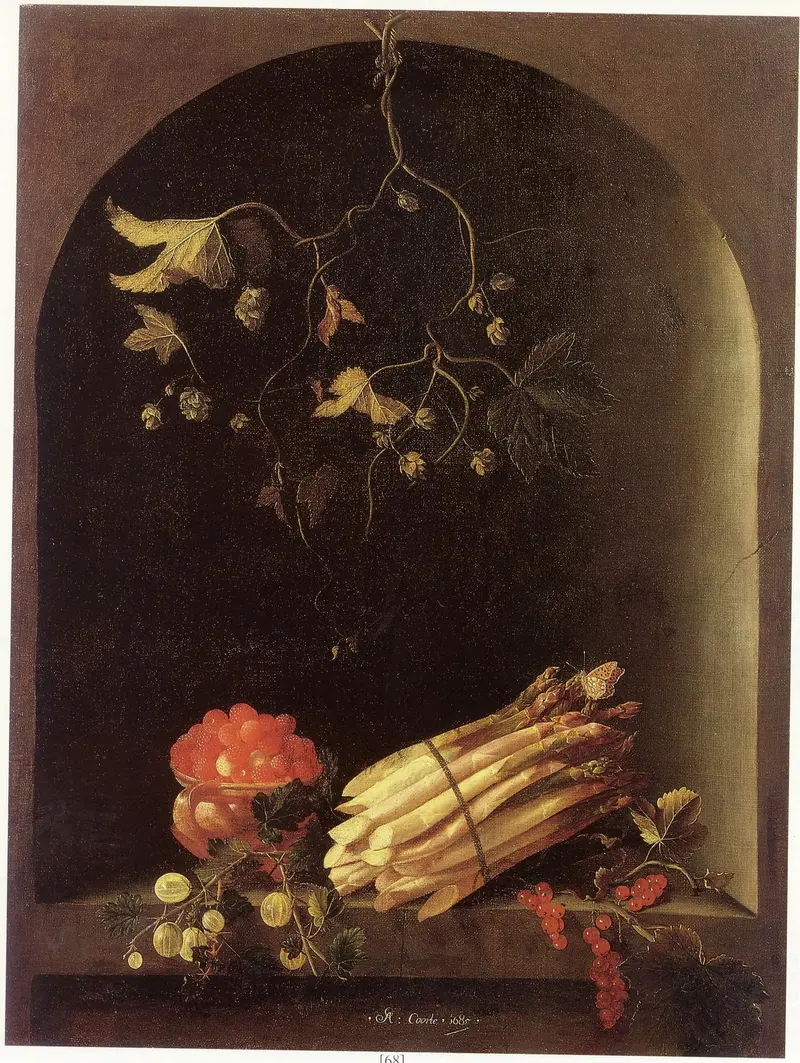
Strawberries, Asparagus, and Gooseberries in a Niche
Adriaen Coorte
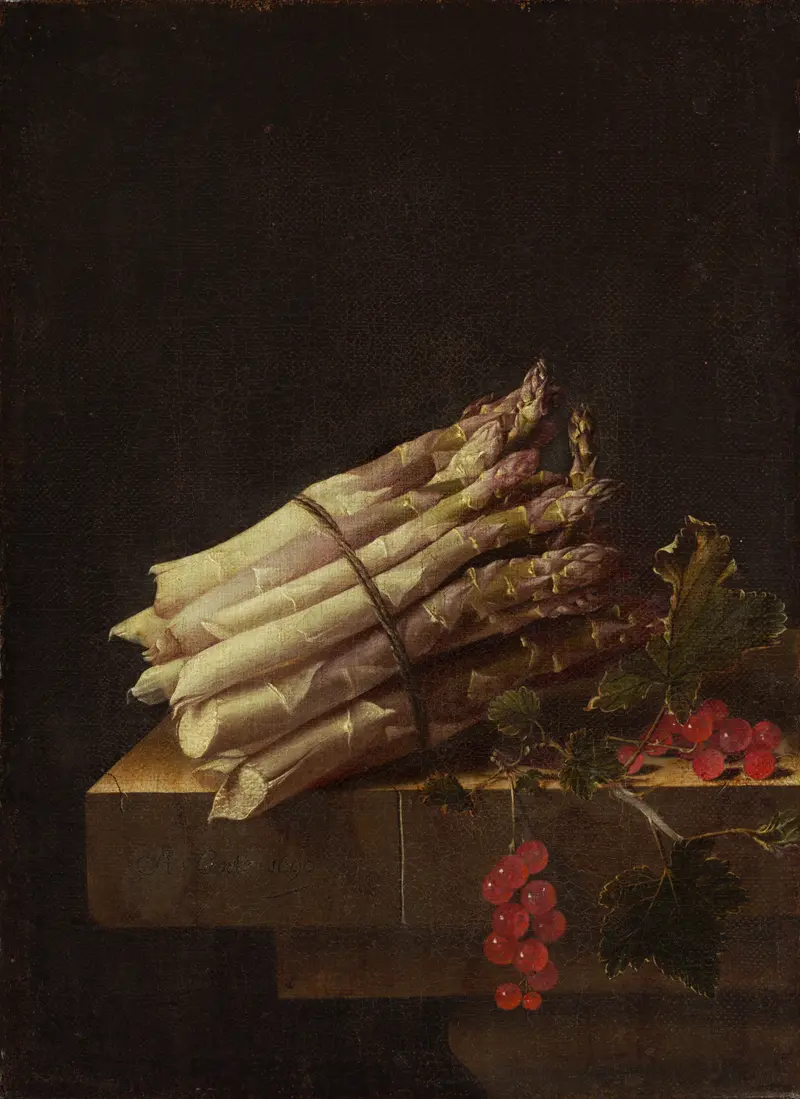
Still Life with Asparagus and Red Currants
Adriaen Coorte
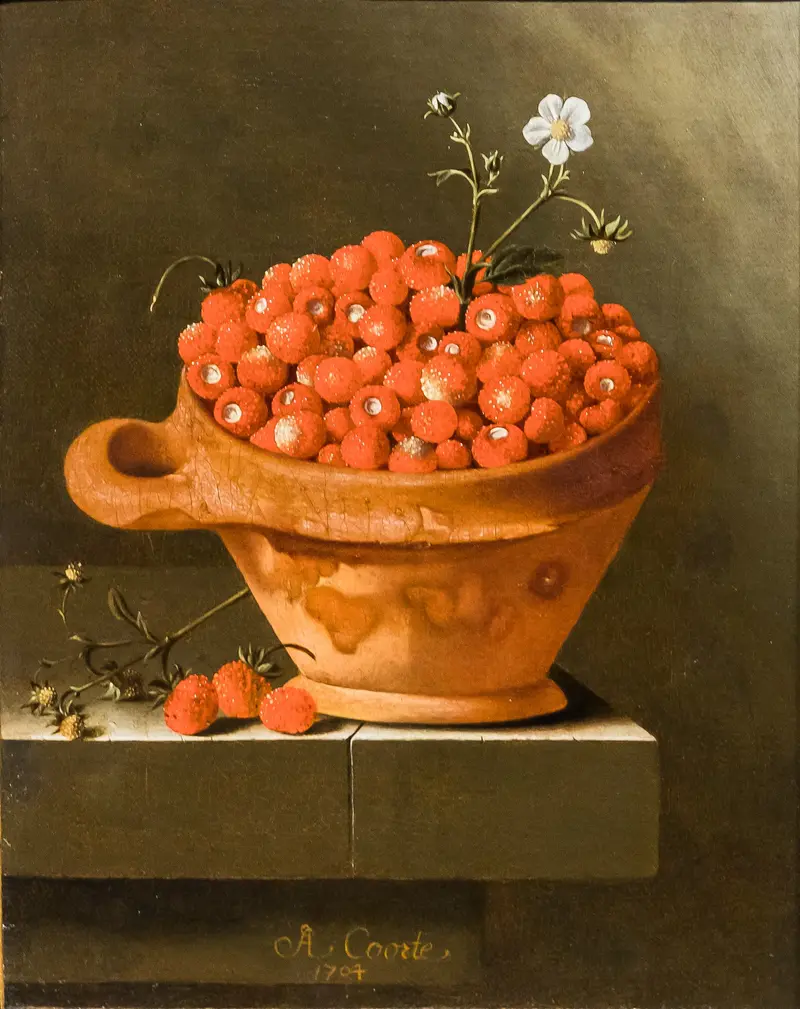
Still life with strawberries in a terracotta pot
Adriaen Coorte
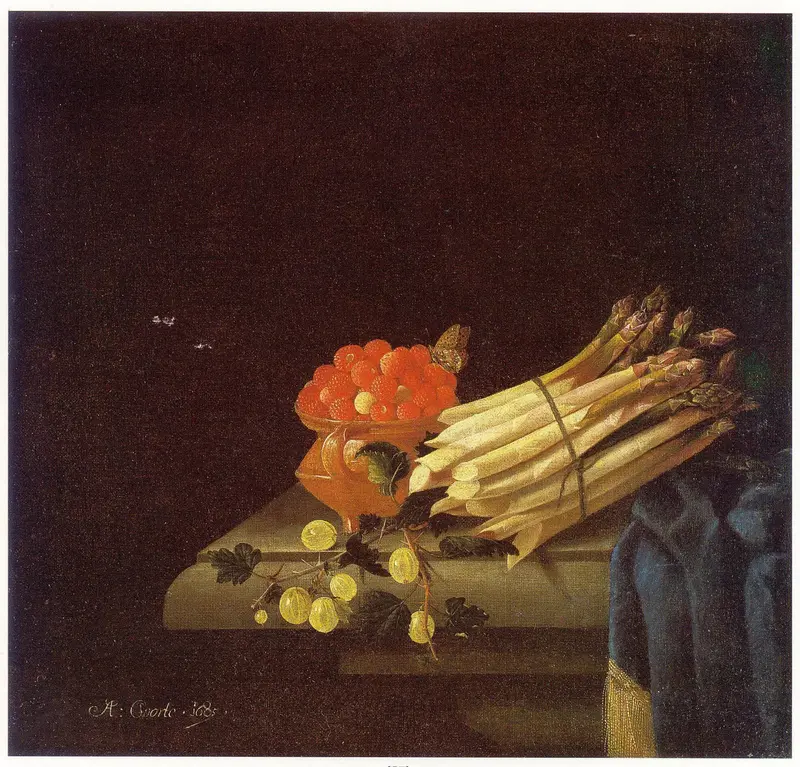
Strawberries, Asparagus, and Gooseberries with a Tablecloth
Adriaen Coorte
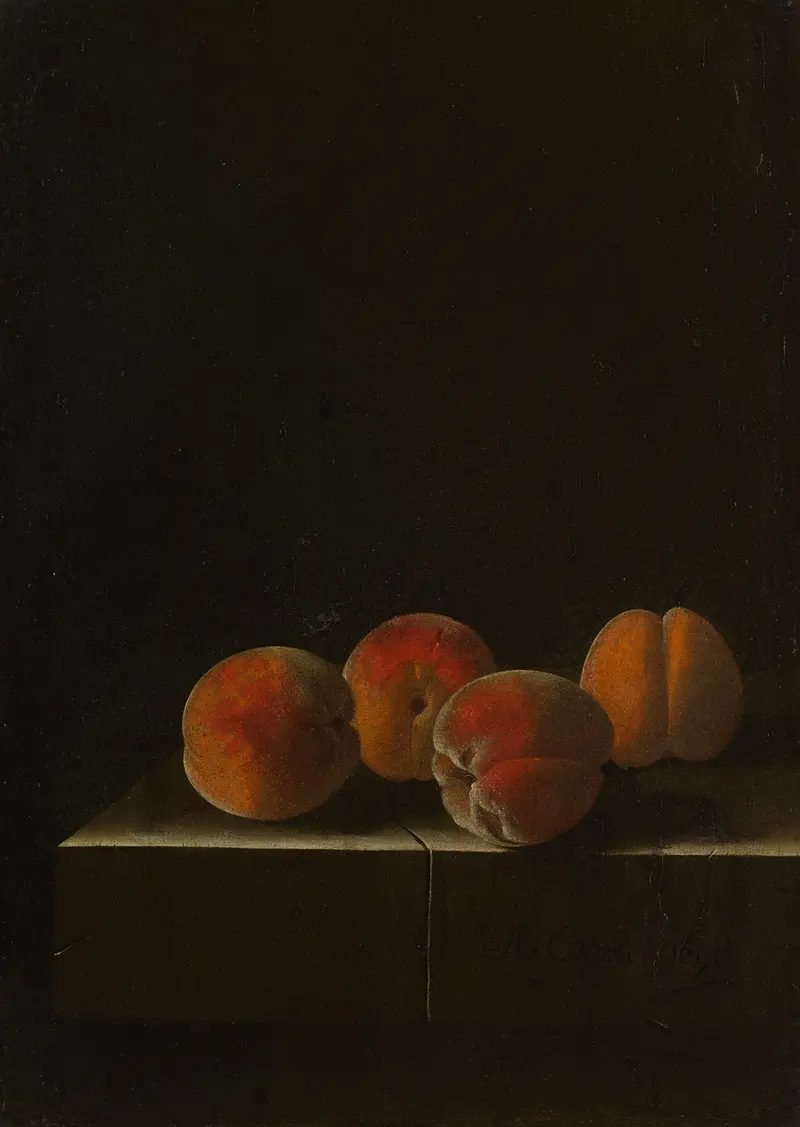
Four Apricots on a Stone Plinth
Adriaen Coorte





