
Gothic cathedral, view from the western facade — History & Facts
When did color learn to lie? In a world where creation often masks truth, this artwork invites us to question the very essence of what we perceive. Look to the right at the intricate stonework of the cathedral’s western facade, where shadows dance elegantly along the intricate carvings. Notice how the cool grays and rich browns of the stone contrast against the brilliant azure sky, creating a striking backdrop that enhances the majestic architecture. The play of light, filtered through stained glass, adds a layer of vibrancy, transforming the usual solemnity of stone into something almost alive, hinting at the stories that lie within its walls. Yet, beneath this beauty lies an undercurrent of conflict.
The cathedral, a symbol of faith and community, stands resolute against the backdrop of a world still reeling from the aftermath of war. The blocks of stone, worn yet steadfast, whisper tales of resilience, while the delicate details in the carvings suggest the fleeting nature of human endeavor. In the juxtaposition of light and shadow, one can sense the tension between hope and despair, a reminder that creation, while beautiful, often emerges from struggle. Feliks Jabłczyński painted this piece between 1919 and 1928, during a period of profound change in Europe.
Emerging from the shadows of World War I, he found himself captivated by the interplay of light and architecture in a rapidly evolving world. His work reflects not only the nostalgia for a past era but also a desire to capture the spirit of renewal amidst uncertainty, bridging the gap between tradition and modernity in the realm of art.
More Artworks by Feliks Jabłczyński
Browse all →
Villa Borgia in Rome
Feliks Jabłczyński

Mariensztat Street in Warsaw
Feliks Jabłczyński
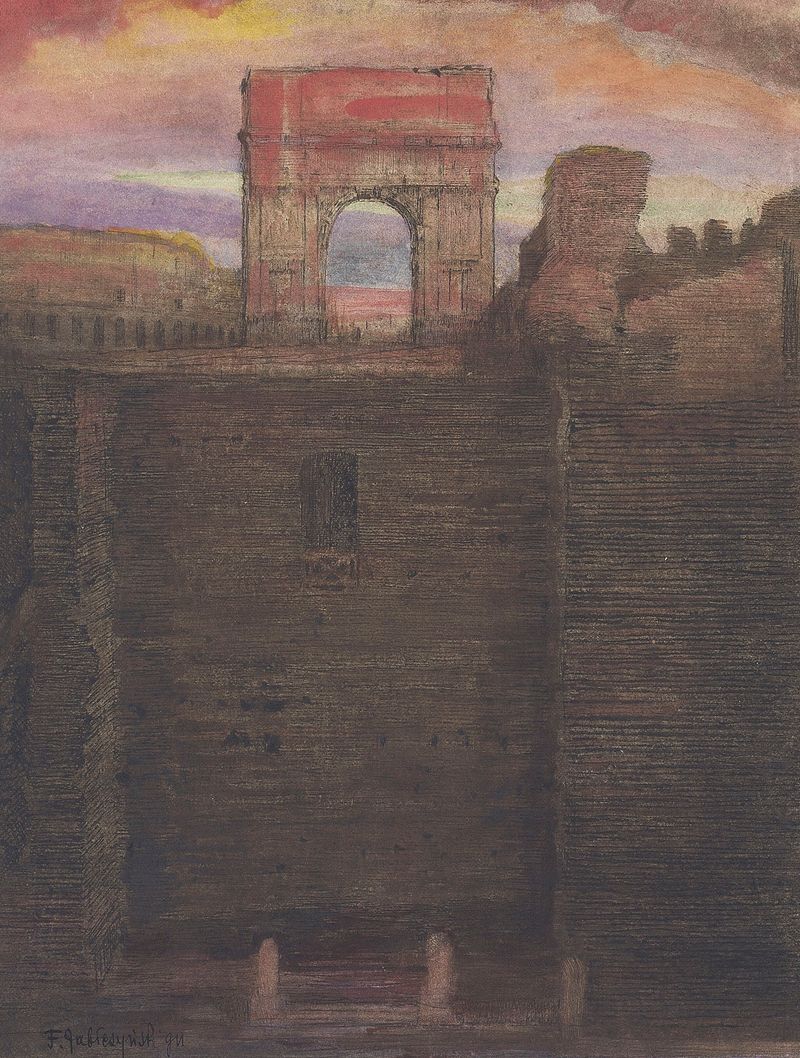
The House of Vestals and the Arch of Titus in the background
Feliks Jabłczyński
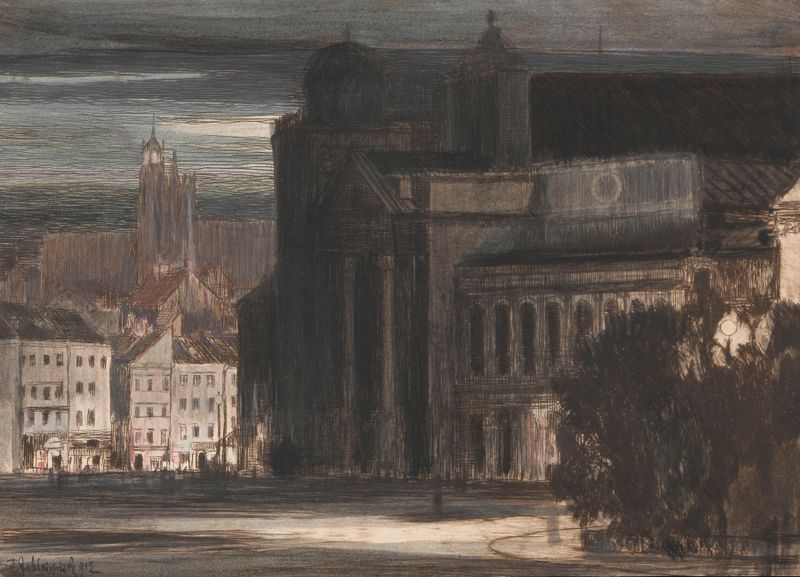
View of the Church of St. Anna and the Castle Square in Warsaw
Feliks Jabłczyński

Kaplica Boimów we Lwowie
Feliks Jabłczyński
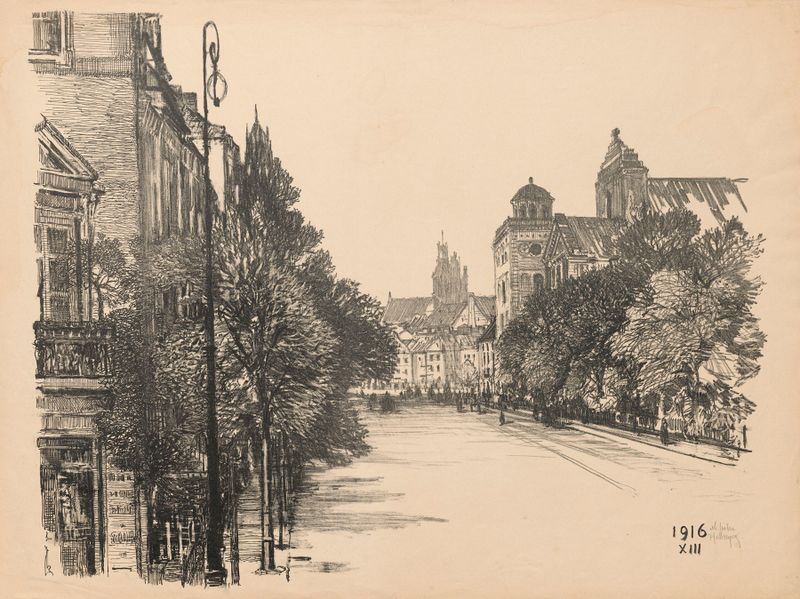
Krakowskie Przedmieście Street
Feliks Jabłczyński
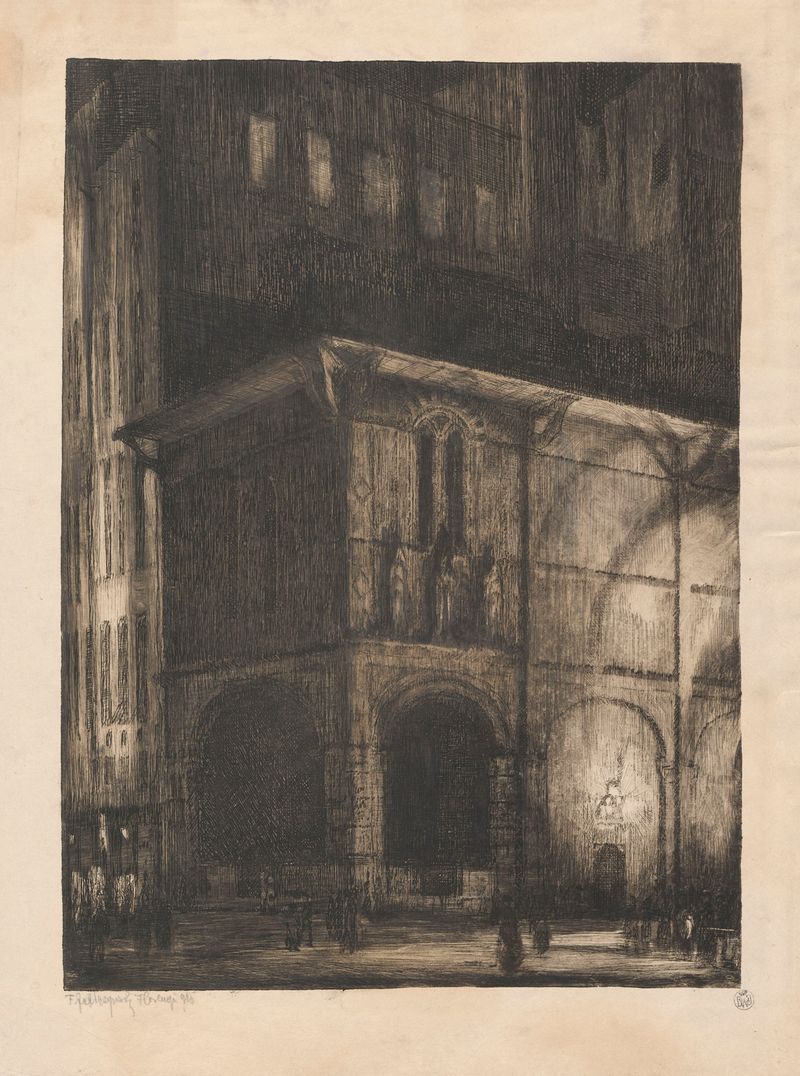
Florence
Feliks Jabłczyński
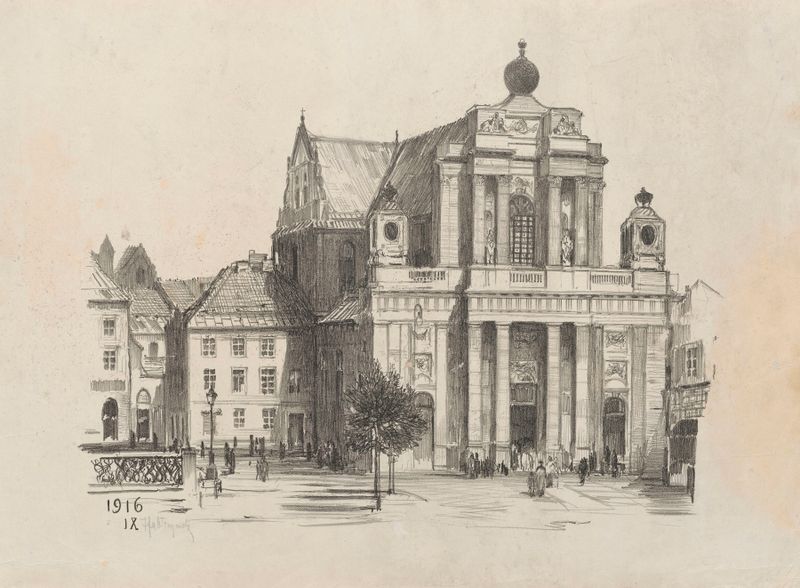
Carmelite Church.
Feliks Jabłczyński

The Visitation Sisters Church
Feliks Jabłczyński
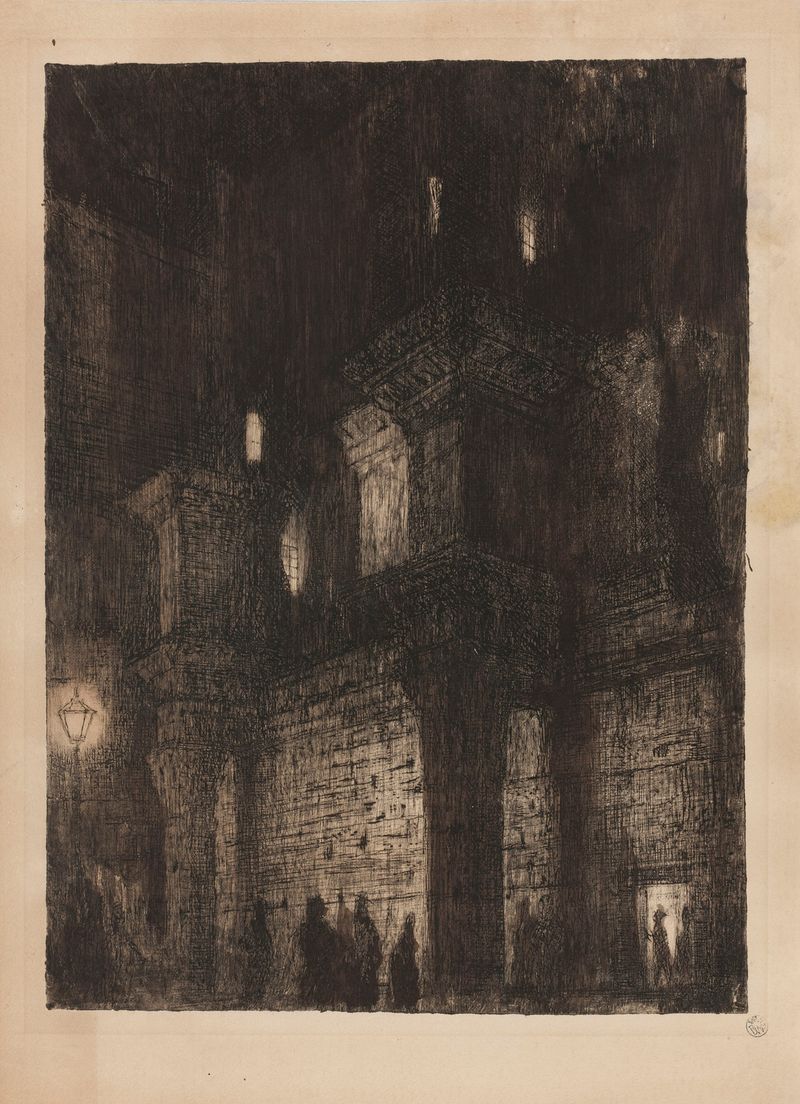
Forum Nervae
Feliks Jabłczyński
More Architecture Art
Browse all →
The statue of Liberty
Frédéric Auguste Bartholdi

View of Houses in Delft, Known as ‘The Little Street’
Johannes Vermeer

View of Houses in Delft, Known as ‘The Little Street’
Johannes Vermeer

The Cathedral in Rouen. The portal, Grey Weather
Claude Monet

The yellow house
Vincent van Gogh

The Church in Auvers-sur-Oise, View from the Chevet
Vincent van Gogh