
Gouvieux, près de Chantilly — History & Facts
In the delicate interplay of light and shadow, the essence of nature whispers secrets behind every stroke and hue, inviting reflection on the void we often overlook. Focus first on the harmonious blend of greens and blues that stretches across the canvas, where trees form a protective arch above a serene landscape. The composition is imbued with a tranquil rhythm, drawing the eye into a winding path that leads toward a distant horizon, subtly lit by the soft embrace of twilight. Notice how the brushwork captures the ephemeral quality of light filtering through leaves, creating a moment suspended in time — both serene and poignant. Yet, beneath this idyllic scene lies a tension between the vibrant life of nature and the lurking emptiness of human existence.
The calm waters reflect both the beauty and the isolation of the surroundings, hinting at the duality of peace and solitude. The juxtaposition of the lush foliage against the starkness of the sky evokes a deep yearning, suggesting that even the most picturesque landscapes can harbor an emotional void. In the 1850s, during a period of personal reflection, Jean-Baptiste-Camille Corot painted this work in Gouvieux, near Chantilly, as he navigated the shifting tides of the art world. The mid-19th century marked a significant evolution in landscape painting, where artists began to explore the interplay of light and atmosphere, and Corot stood at the forefront of this movement, influenced by both the Romantic aesthetic and emerging Impressionist ideas.
More Artworks by Jean-Baptiste-Camille Corot
Browse all →
View of Genoa
Jean-Baptiste-Camille Corot
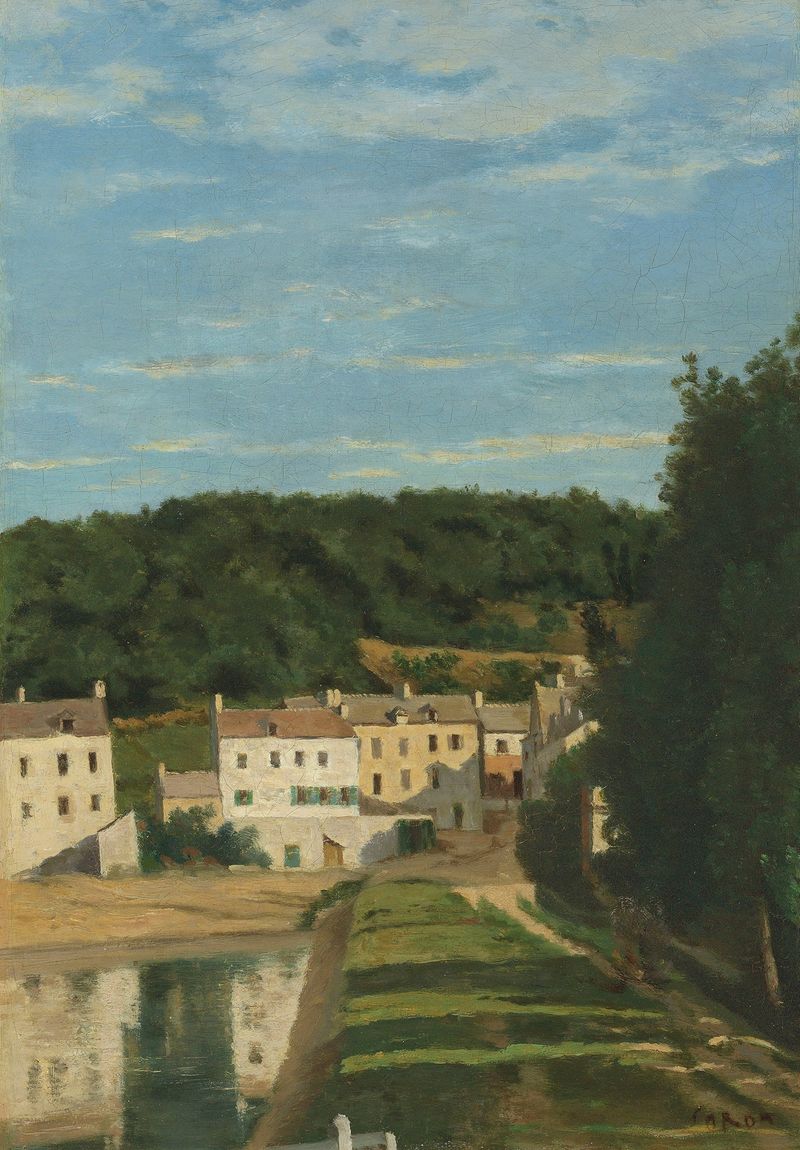
Les Maisons Cabassud À Ville D’avray
Jean-Baptiste-Camille Corot

La solitude. Souvenir de Vigen (Limousin)
Jean-Baptiste-Camille Corot
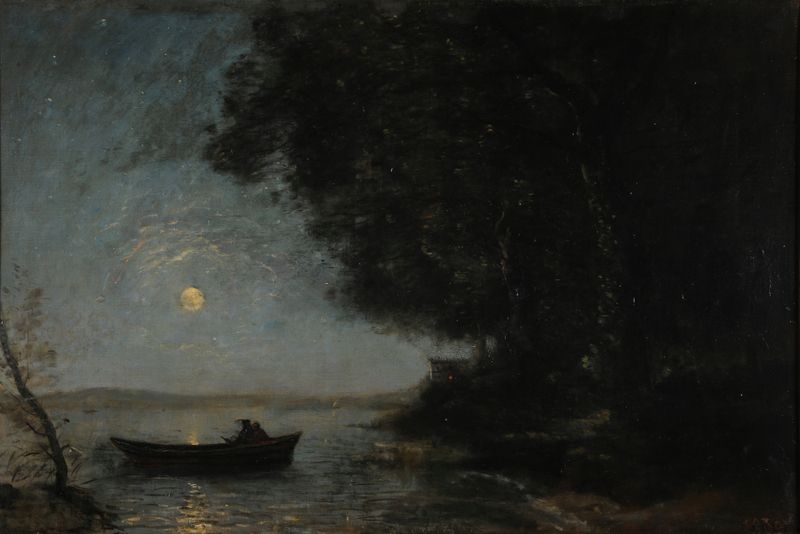
Le lac ; effet de nuit
Jean-Baptiste-Camille Corot
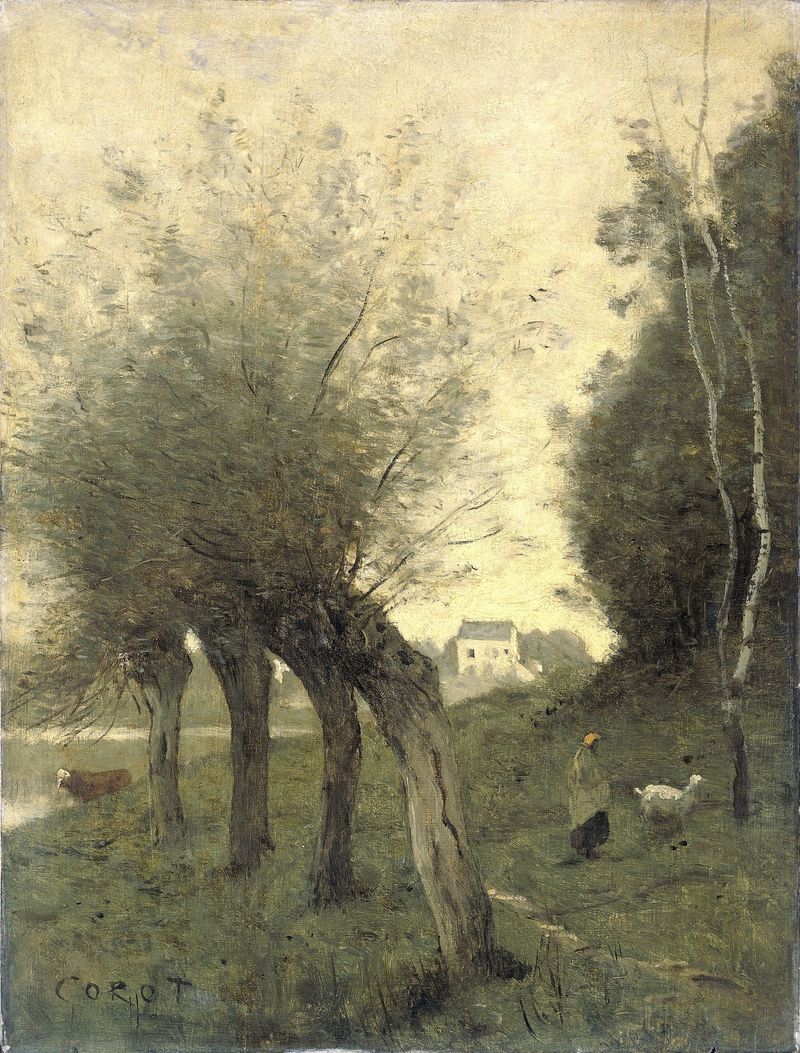
Landscape with Pollard Willows
Jean-Baptiste-Camille Corot
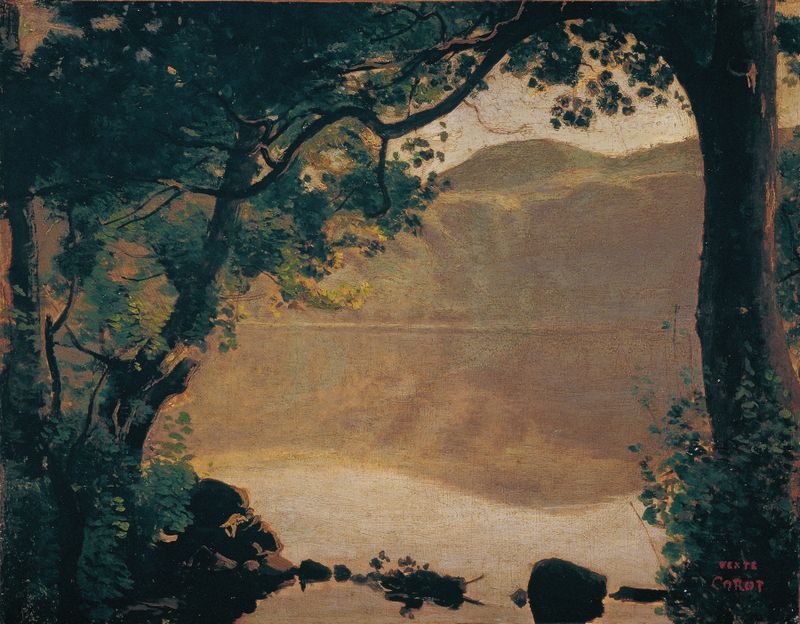
Der Nemisee
Jean-Baptiste-Camille Corot
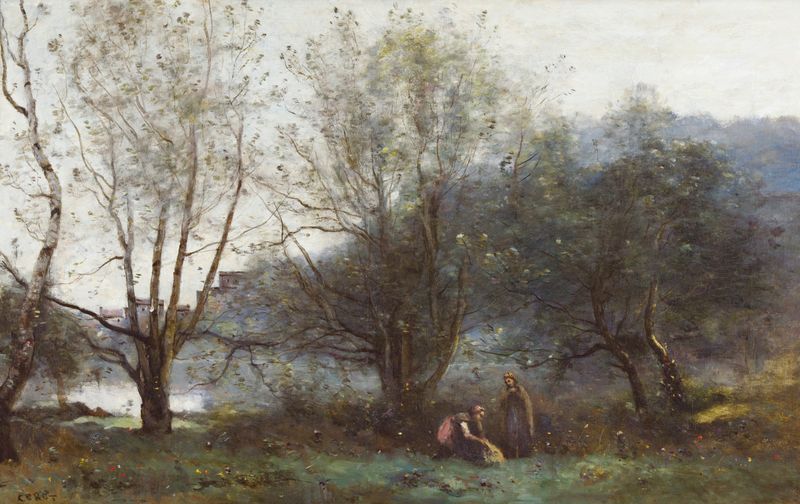
Les Étangs De Ville D’avray
Jean-Baptiste-Camille Corot
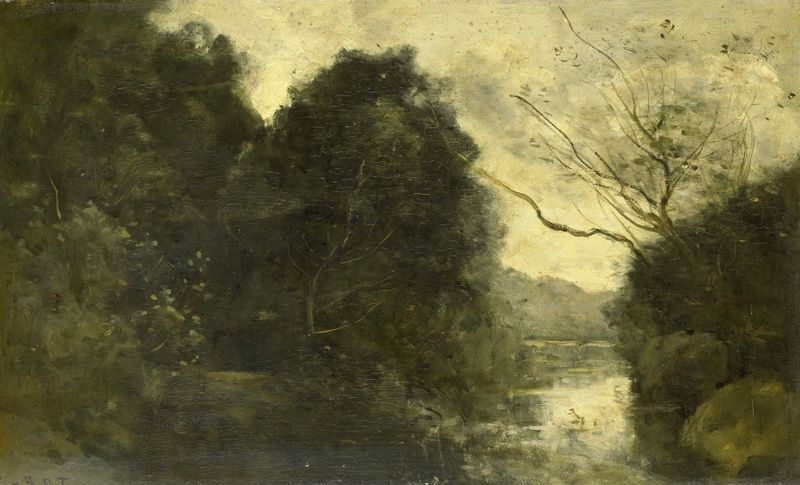
Pond in the Woods
Jean-Baptiste-Camille Corot
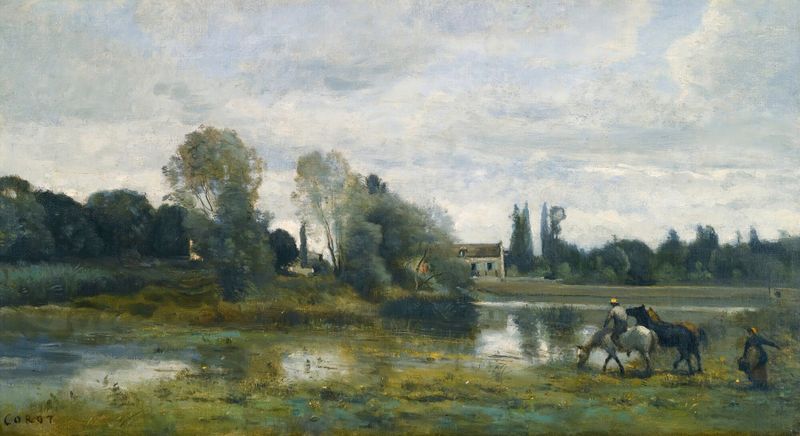
Ville D’avray; L’abreuvoir Des Chevaux
Jean-Baptiste-Camille Corot
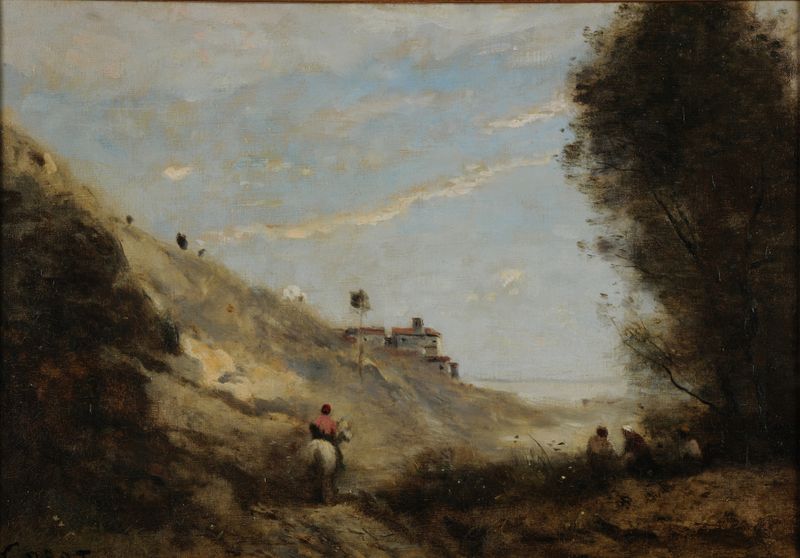
Le vallon au cavalier
Jean-Baptiste-Camille Corot





