
Governor’s Residence St. Ann’s — History & Facts
Who listens when art speaks of silence? In the serene stillness of Governor’s Residence St. Ann’s, the viewer is invited to pause, reflect, and feel the weight of history. Look to the expansive foreground, where lush greenery creates a vibrant contrast against the muted tones of the building. The residence, framed by delicate palm fronds, instills a sense of grandeur while suggesting a dialogue between nature and architecture.
Notice how the light subtly dances on the white walls, illuminating shadows that breathe life into the structure, hinting at stories of those who once walked through its doors. Yet, beyond its tranquil beauty lies a deeper narrative—one of colonial power and cultural resonance. The juxtaposition of the sprawling garden with the imposing residence speaks to the tension between the natural and the man-made. Every brushstroke of Cazabon captures both the awe of the landscape and an underlying melancholy, evoking a sense of nostalgia for what has been lost.
The silent presence of the building stands testament to a history that is both celebrated and lamented. In a time of artistic exploration, Michel Jean Cazabon painted this piece, likely during the mid-19th century in Trinidad. Amidst the rise of both Romanticism and Impressionism, he sought to document the beauty of his native land while addressing the complexities of colonial identity. His work emerged during a period marked by the push for cultural representation, and *Governor’s Residence St.
Ann’s* serves as a poignant reminder of the layers of heritage woven into the fabric of Caribbean life.
More Artworks by Michel Jean Cazabon
Browse all →
The Road to Pitch Lake
Michel Jean Cazabon
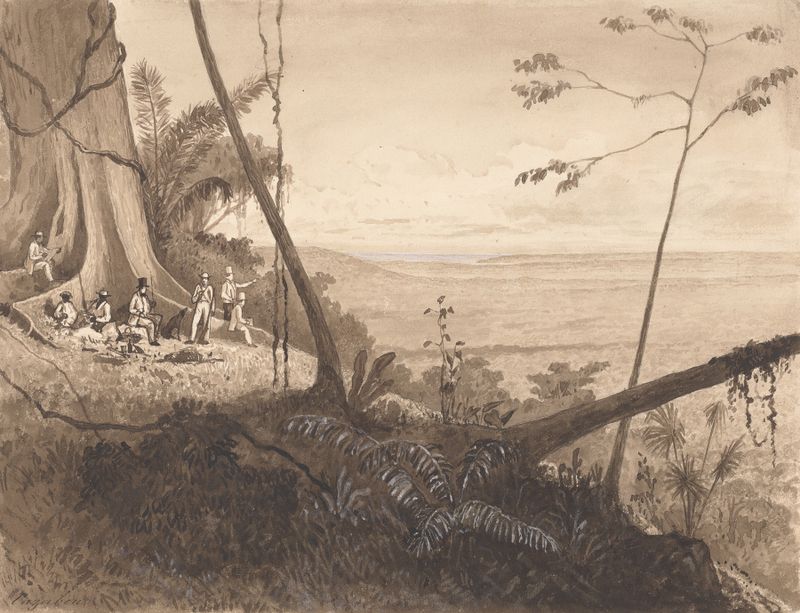
Cedar Point, Tamana
Michel Jean Cazabon

Maraccas Waterfall
Michel Jean Cazabon
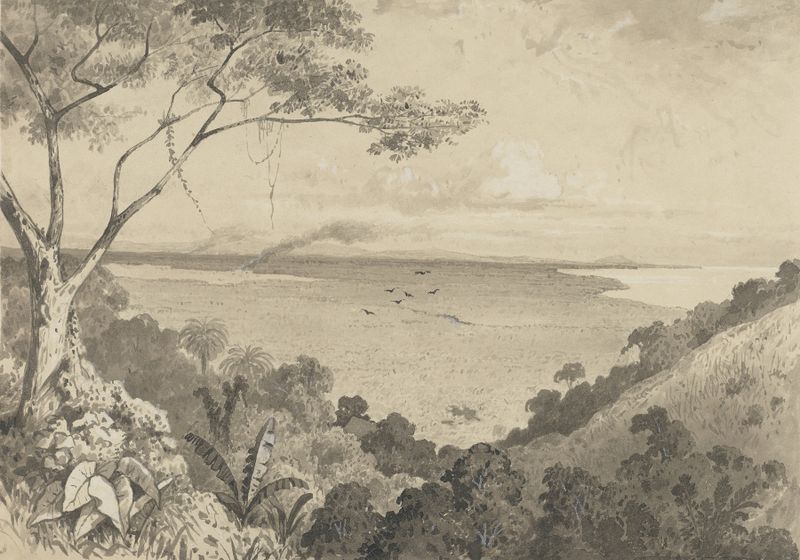
View from Laventille Hill
Michel Jean Cazabon

Garden Estate, Arouca
Michel Jean Cazabon

Bamboos St. Ann
Michel Jean Cazabon
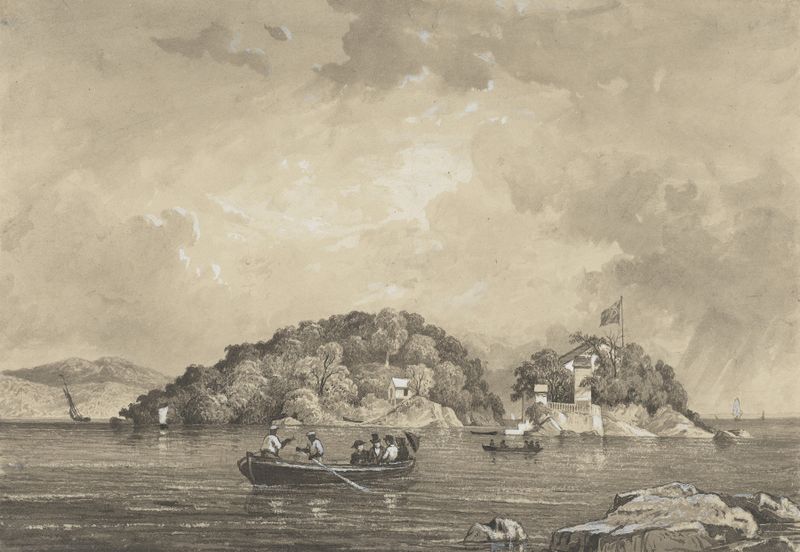
Caledonia and Craig Islands
Michel Jean Cazabon

St. Ann’s Waterfall
Michel Jean Cazabon
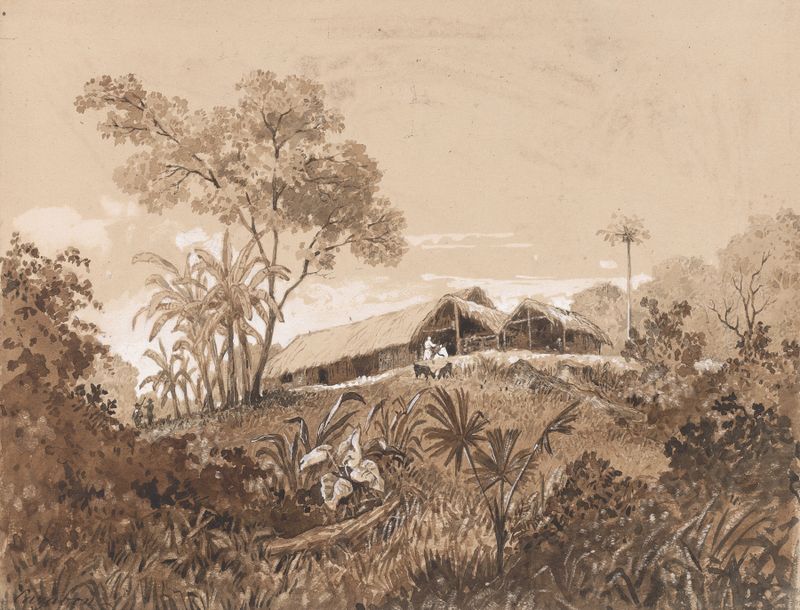
Cottage at Tamana
Michel Jean Cazabon
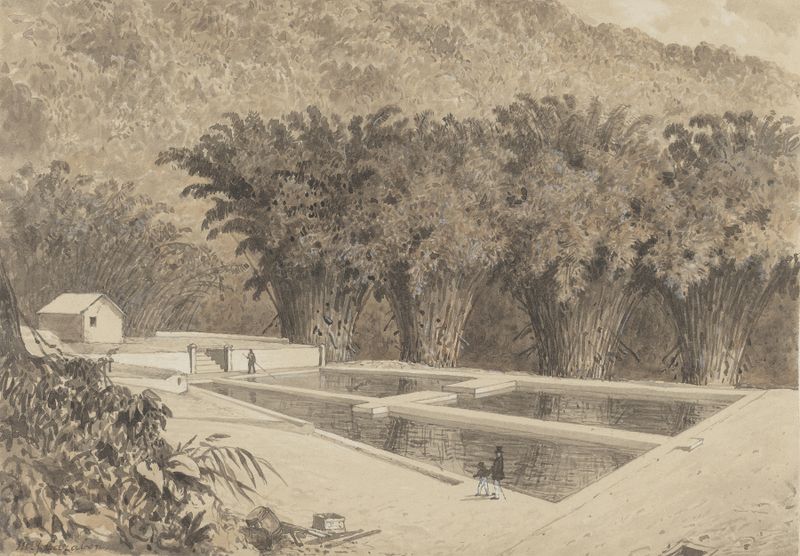
The Reservoir at Maraval
Michel Jean Cazabon
More Architecture Art
Browse all →
The statue of Liberty
Frédéric Auguste Bartholdi

View of Houses in Delft, Known as ‘The Little Street’
Johannes Vermeer

View of Houses in Delft, Known as ‘The Little Street’
Johannes Vermeer

The Cathedral in Rouen. The portal, Grey Weather
Claude Monet

The yellow house
Vincent van Gogh

The Church in Auvers-sur-Oise, View from the Chevet
Vincent van Gogh