
View from Laventille Hill — History & Facts
Who listens when art speaks of silence? The poignant stillness captured by Cazabon in View from Laventille Hill beckons us to ponder the unrest simmering beneath the surface of paradise. Look to the horizon where the vibrant blues of the Caribbean Sea meet the lush greens of the hills. The artist masterfully employs a palette that juxtaposes the warmth of the earth and the coolness of the water, drawing your gaze across the landscape. Notice how the soft, diffused light bathes the scene, enhancing the tranquility while hinting at the complexities of a changing world, a tension mirrored in the juxtaposition of nature’s beauty and the unknown stirrings of societal change. The painting reveals a narrative of duality: serenity and potential turmoil coexist in the vibrant hues and gentle contours of the landscape.
The viewer can sense the weight of history in the air, as the calmness of the idyllic scene belies the revolutionary fervor that was beginning to take root in the hearts of many. Here, the lush foliage and distant cityscape symbolize both the promise of freedom and the shadow of oppression, provoking contemplation about the intersection of nature and humanity's struggles. Cazabon painted this work in 1857 during a time of significant social and political transitions in Trinidad and Tobago. As a notable figure in Caribbean art, he sought to elevate local themes and landscapes against the backdrop of colonial dominance.
This painting reflects not only his mastery of light and color but also his engagement with the socio-political currents of his time, capturing a moment of quiet before the storm of revolution.
More Artworks by Michel Jean Cazabon
Browse all →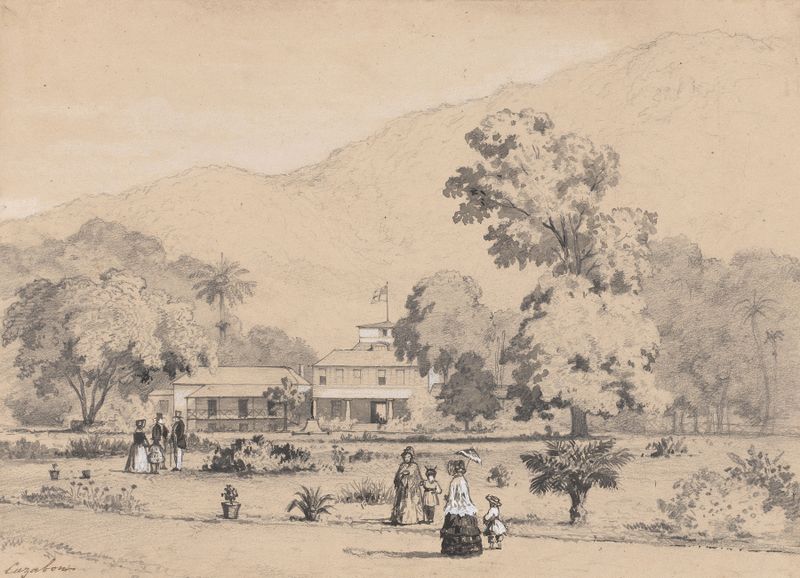
Governor’s Residence St. Ann’s
Michel Jean Cazabon

The Road to Pitch Lake
Michel Jean Cazabon
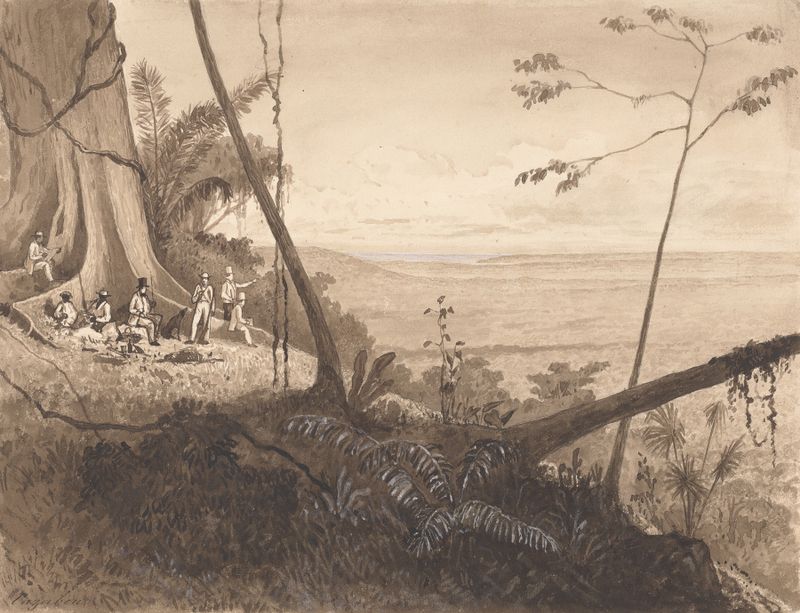
Cedar Point, Tamana
Michel Jean Cazabon

Maraccas Waterfall
Michel Jean Cazabon

Garden Estate, Arouca
Michel Jean Cazabon

Bamboos St. Ann
Michel Jean Cazabon
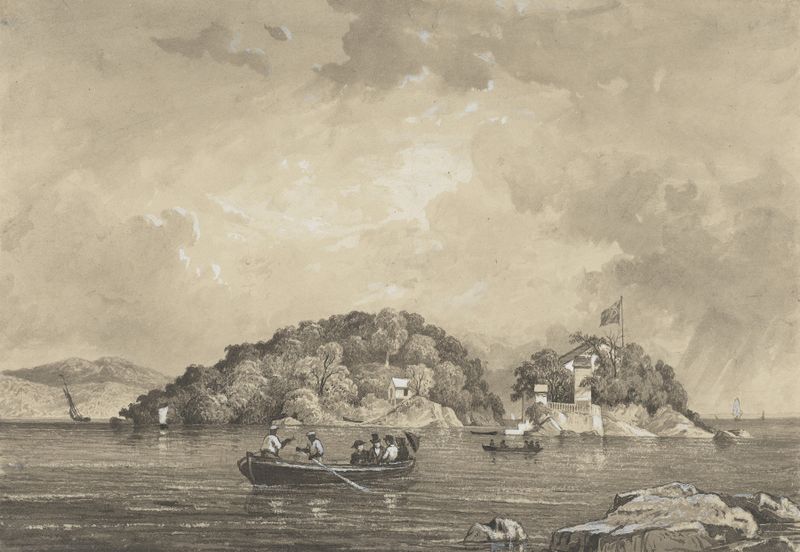
Caledonia and Craig Islands
Michel Jean Cazabon

St. Ann’s Waterfall
Michel Jean Cazabon
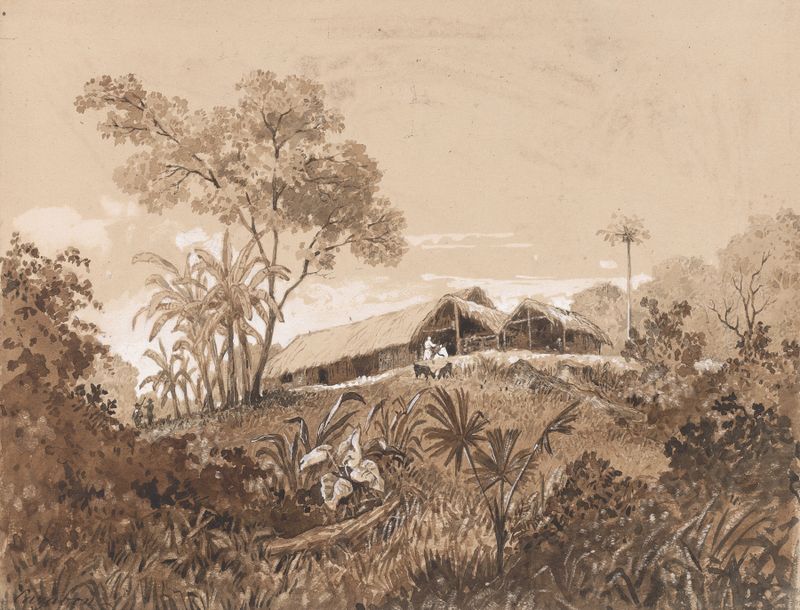
Cottage at Tamana
Michel Jean Cazabon
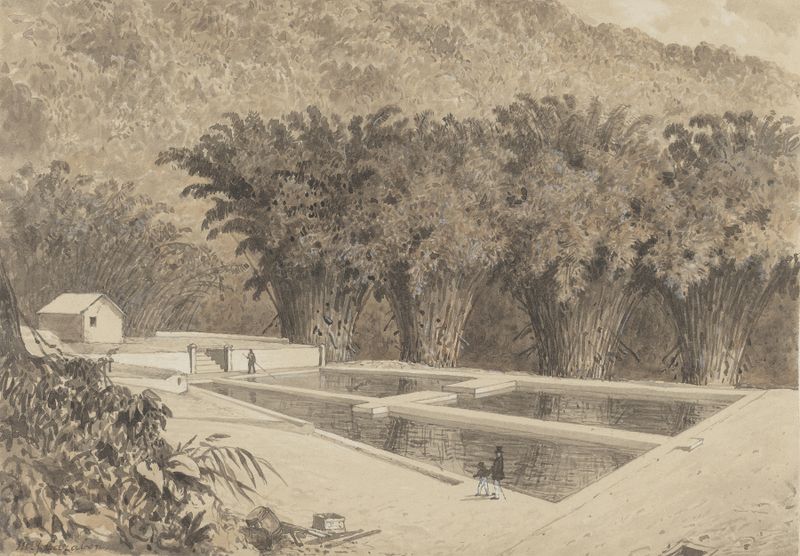
The Reservoir at Maraval
Michel Jean Cazabon





