
Maraccas Waterfall — History & Facts
In the delicate interplay of nostalgia and nature, Maraccas Waterfall invites viewers to revisit moments lost to the rushing currents of time. Look deeply into the composition, where vibrant greens and blues converge in a cascade of life. The waterfall, a focal point, tumbles with a spirited vigor, each stroke revealing the artist's meticulous hand. To the left, the lush vegetation offers a contrasting serenity, emphasizing the dynamic movement of the water, while dappled sunlight filters through the leaves, creating an ethereal glow that beckons the viewer's eye. Beneath the surface, the painting evokes a profound sense of longing, suggesting both the beauty and transience of memory.
The juxtaposition of the cascading water against the stillness of the surrounding flora symbolizes the passage of time and the inevitable changes that come with it. Hidden details, such as the shadows cast by the trees and the subtle ripples in the water, underscore an emotional tension — a dialogue between chaos and tranquility. Created in a period of artistic awakening during the 19th century, Cazabon painted this work in Trinidad, a time when he sought to capture the essence of Caribbean landscapes and culture. His commitment to depicting local scenes against the backdrop of broader global movements in art illustrates his desire to anchor his identity in the natural beauty of his homeland, while also engaging with the themes of colonialism and identity that permeated the era.
More Artworks by Michel Jean Cazabon
Browse all →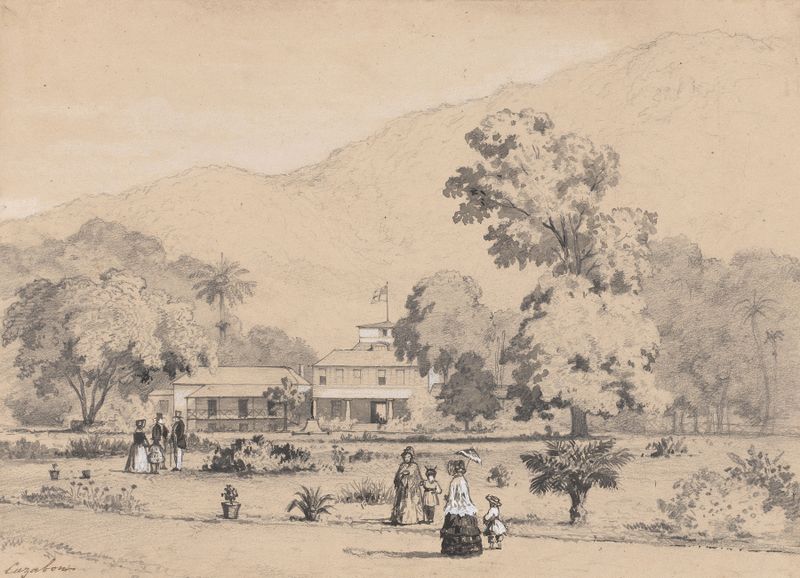
Governor’s Residence St. Ann’s
Michel Jean Cazabon

The Road to Pitch Lake
Michel Jean Cazabon
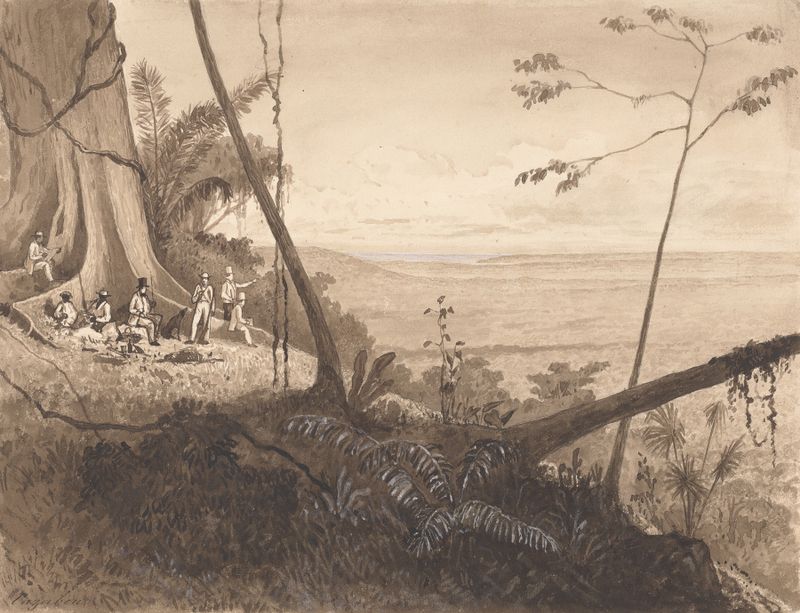
Cedar Point, Tamana
Michel Jean Cazabon
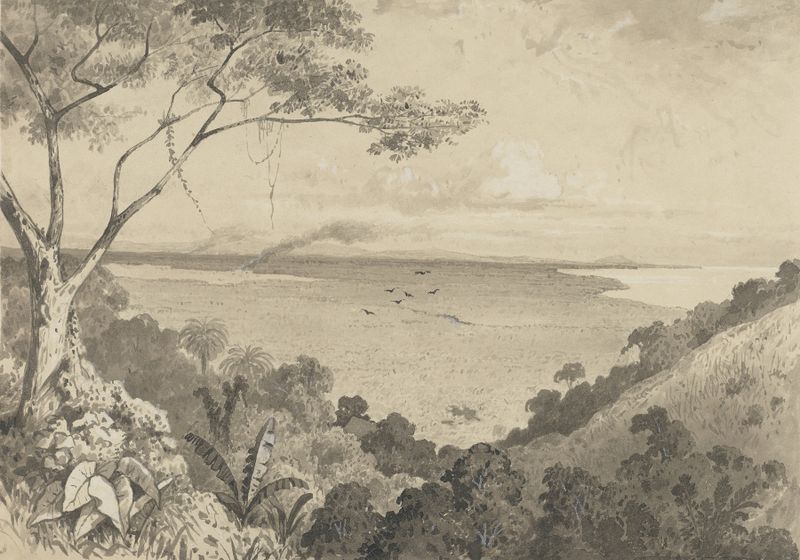
View from Laventille Hill
Michel Jean Cazabon

Garden Estate, Arouca
Michel Jean Cazabon

Bamboos St. Ann
Michel Jean Cazabon
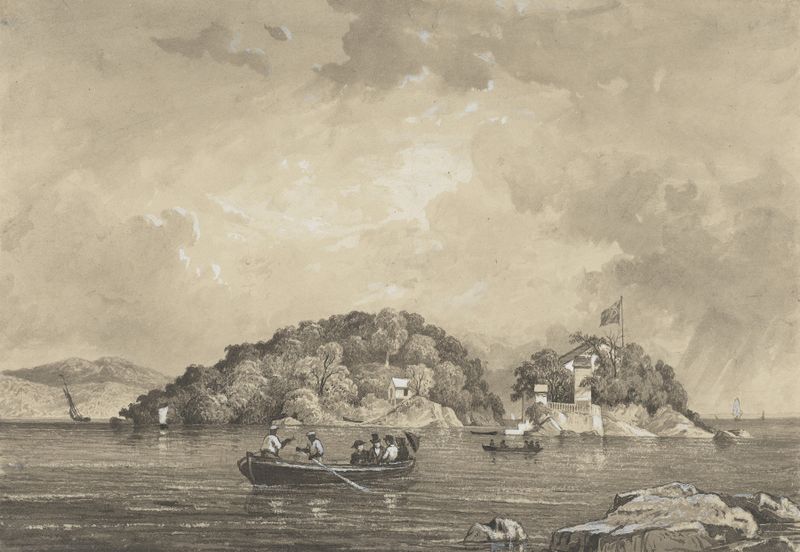
Caledonia and Craig Islands
Michel Jean Cazabon

St. Ann’s Waterfall
Michel Jean Cazabon
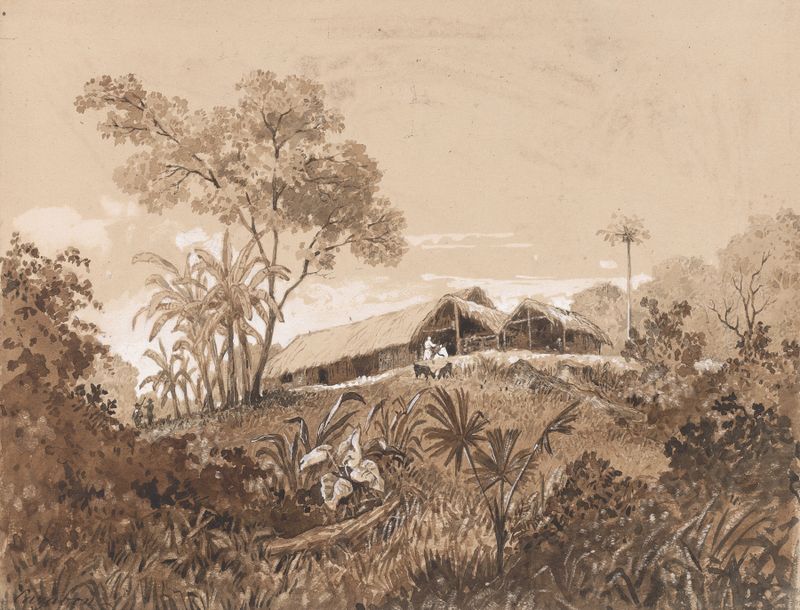
Cottage at Tamana
Michel Jean Cazabon
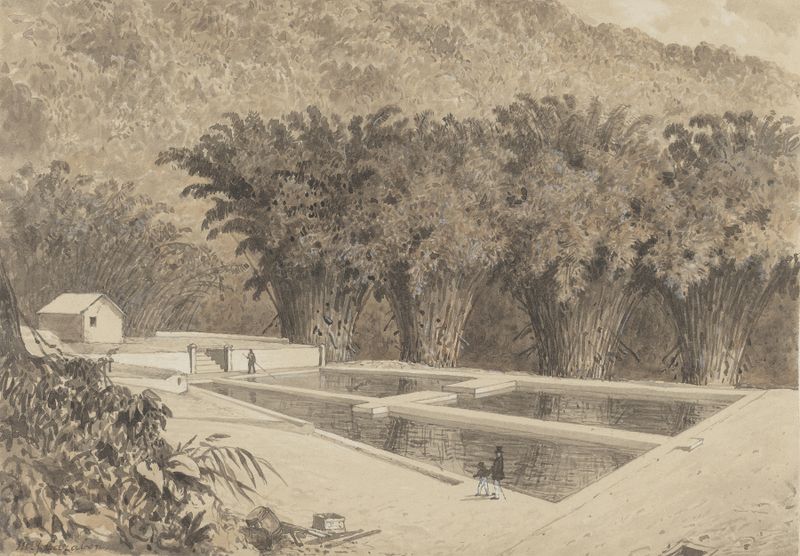
The Reservoir at Maraval
Michel Jean Cazabon





