
The Road to Pitch Lake — History & Facts
Who listens when art speaks of silence? In The Road to Pitch Lake, the viewer is drawn into an illusion of tranquility that belies the deeper narratives of its landscape. Look to the foreground, where the winding road stretches like a whisper into the distance, bordered by lush greenery. The vibrant greens and earth tones invite the eye to wander, while the subtle play of light creates an interplay between shadow and brightness, suggesting the fleeting passage of time. Notice how the horizon blurs, almost as if the sky meets the earth in a gentle embrace, creating an ethereal quality that emphasizes the peaceful isolation of this Caribbean setting. Yet beneath the surface, contrasts emerge.
The vivid colors evoke life and vibrancy, while the road itself, winding and solitary, hints at a journey marked by solitude and introspection. The lush vegetation offers a promise of abundance, yet it is juxtaposed against the emptiness of the road, a silent testament to the human experience of seeking and yearning. This duality conveys a tension between nature's allure and the inherent isolation one may feel amidst its beauty. In 1857, Cazabon was immersed in the vibrant cultural milieu of Trinidad, where he sought to capture the essence of Caribbean life through his art.
This period was marked by a growing appreciation for local landscapes and themes, as artists began to defy European conventions. Cazabon’s work reflects this shift, as he combined a dedication to realism with a distinctively Caribbean spirit, illustrating not just a place, but the complexity of its existence.
More Artworks by Michel Jean Cazabon
Browse all →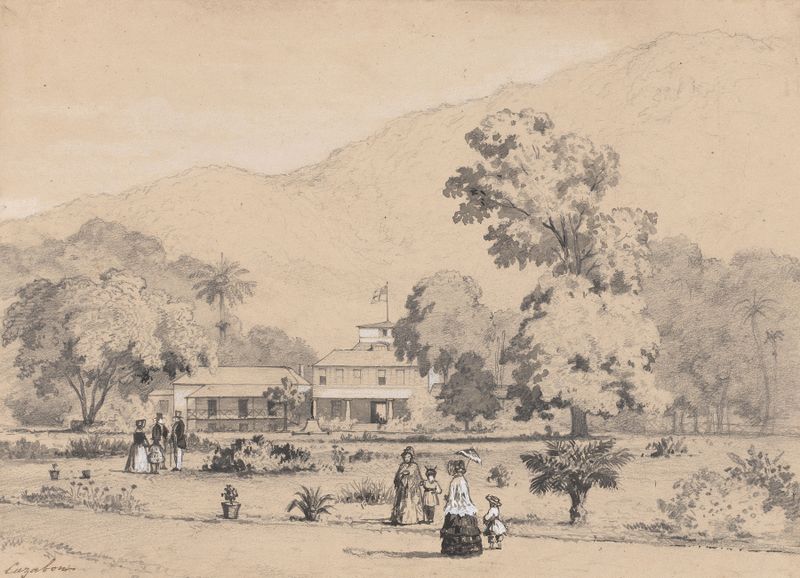
Governor’s Residence St. Ann’s
Michel Jean Cazabon
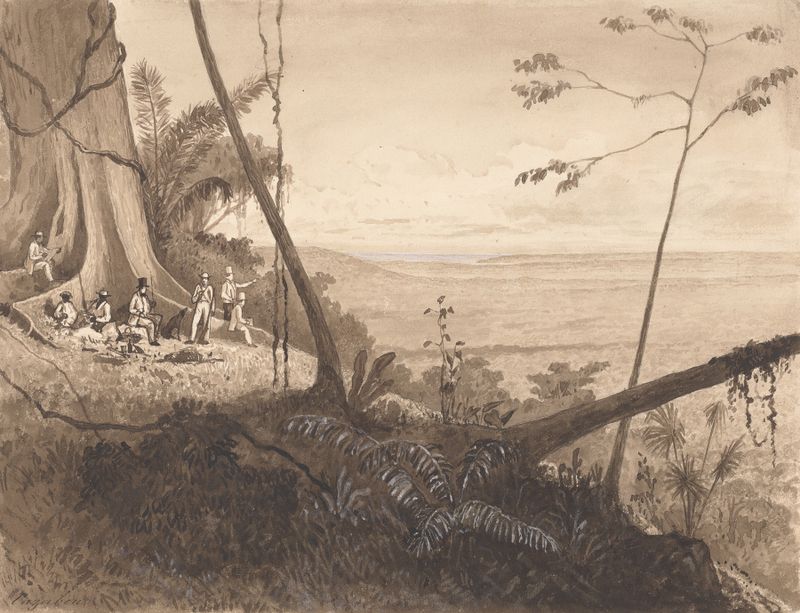
Cedar Point, Tamana
Michel Jean Cazabon

Maraccas Waterfall
Michel Jean Cazabon
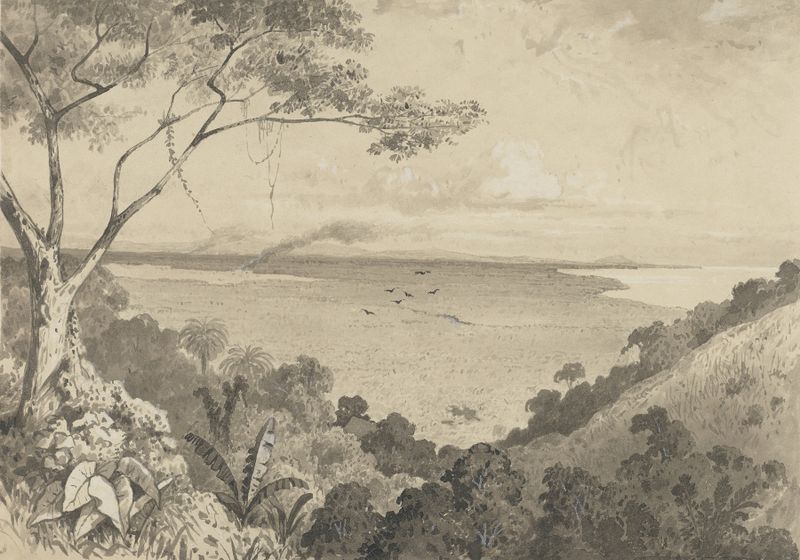
View from Laventille Hill
Michel Jean Cazabon

Garden Estate, Arouca
Michel Jean Cazabon

Bamboos St. Ann
Michel Jean Cazabon
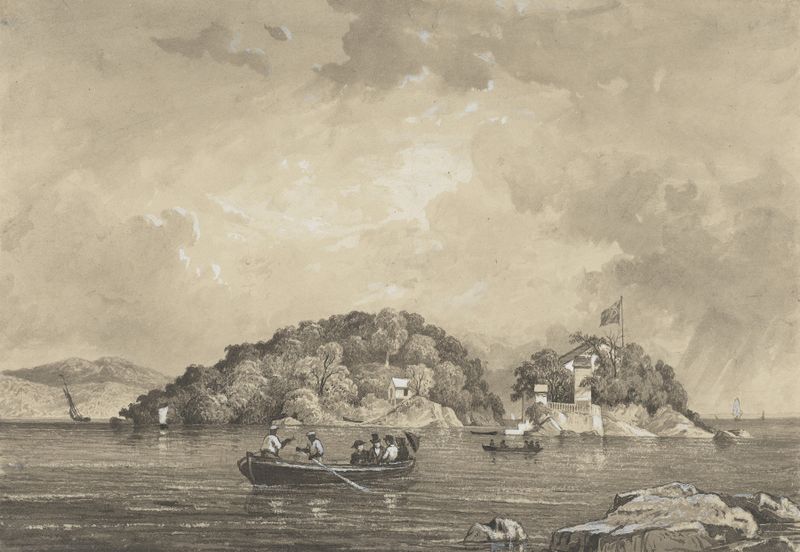
Caledonia and Craig Islands
Michel Jean Cazabon

St. Ann’s Waterfall
Michel Jean Cazabon
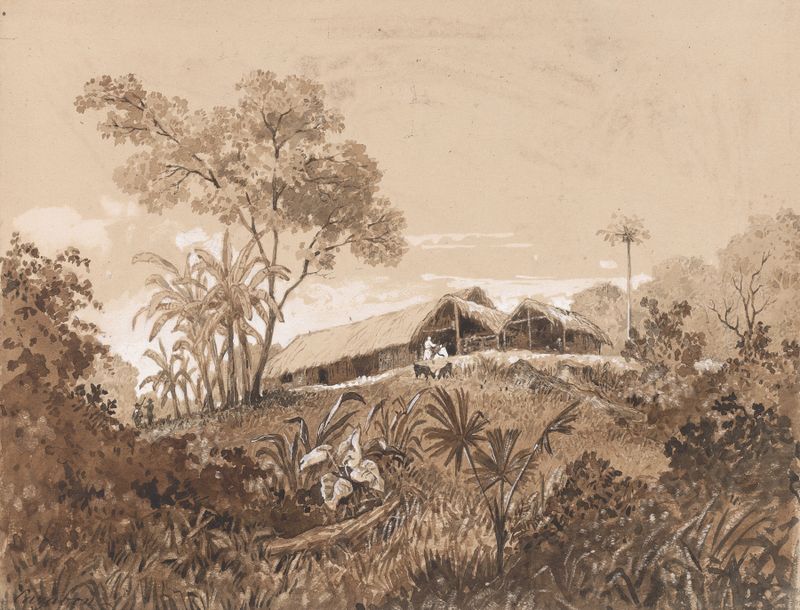
Cottage at Tamana
Michel Jean Cazabon
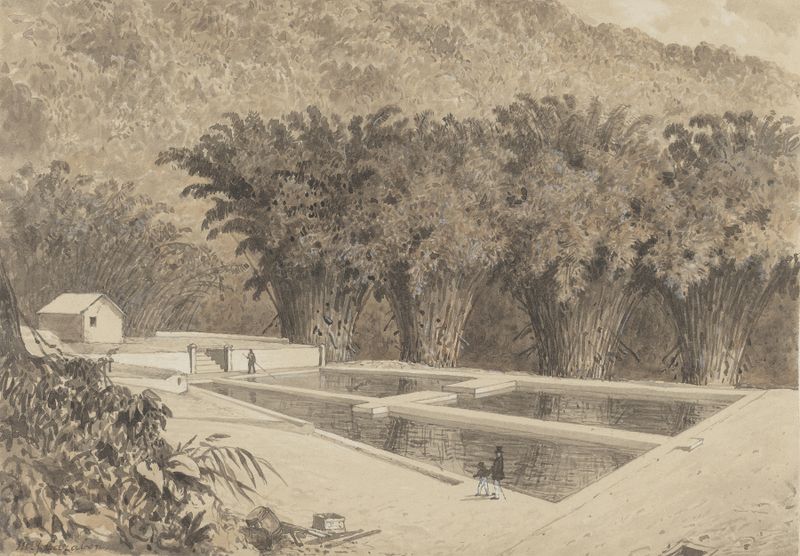
The Reservoir at Maraval
Michel Jean Cazabon





