
St. Ann’s Waterfall — History & Facts
How often do we stop to contemplate the marvels concealed within nature’s embrace? In the quietude of a waterfall, we find both awe and serenity, a reminder of life's elusive beauty. Focus first on the vibrant greens that envelop the scene, drawing your eyes to the cascading water that spills over the rocks. Notice how the artist employs a rich palette to create a sense of depth and movement, with each stroke inviting you to immerse yourself in the lush surroundings. The careful interplay of light and shadow enhances the dynamism of the waterfall, creating a rhythmic flow that feels almost alive. Hidden within this tranquil moment are layers of emotion and symbolism.
The juxtaposition of the vibrant foliage against the cool, rushing water evokes a sense of harmony and balance. This contrast not only highlights nature's duality—calmness and chaos—but also invites reflection on the interconnectedness of life. The serene setting elicits a feeling of reverence, urging viewers to consider their place within this vast, beautiful world. At the time this work was created, Michel Jean Cazabon was navigating the shifting tides of 19th-century art in the Caribbean.
His focus on capturing the beauty of his native Trinidad reflected a broader movement towards realism and local identity. Engaging with the natural landscape, he sought to elevate the everyday scenes of his homeland, while also establishing a unique voice amidst the European influences that surrounded him.
More Artworks by Michel Jean Cazabon
Browse all →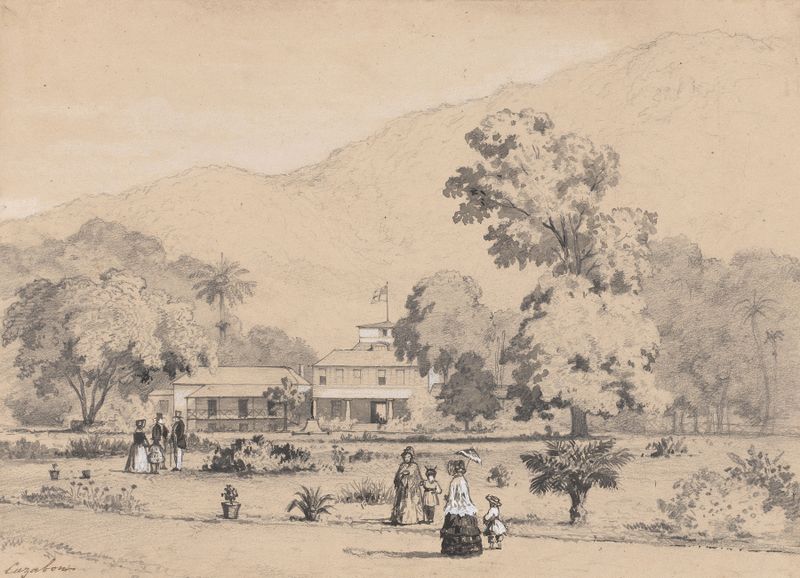
Governor’s Residence St. Ann’s
Michel Jean Cazabon

The Road to Pitch Lake
Michel Jean Cazabon
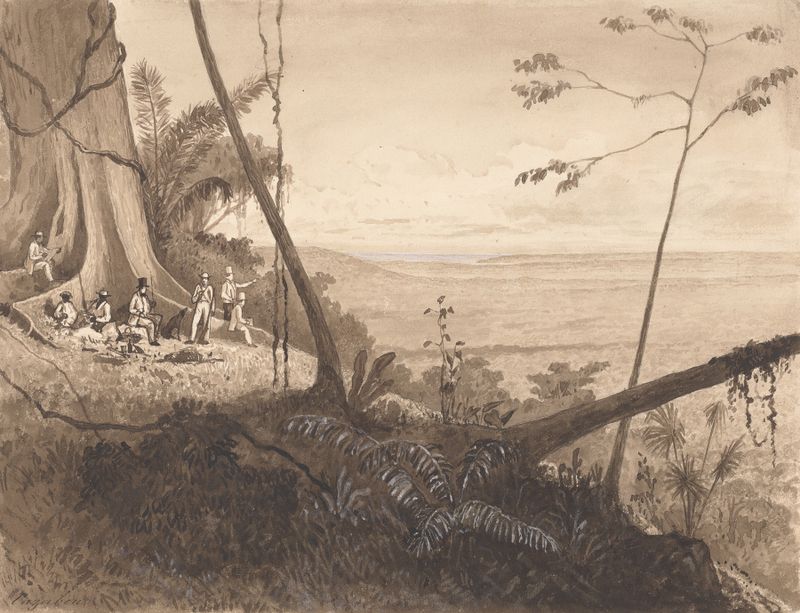
Cedar Point, Tamana
Michel Jean Cazabon

Maraccas Waterfall
Michel Jean Cazabon
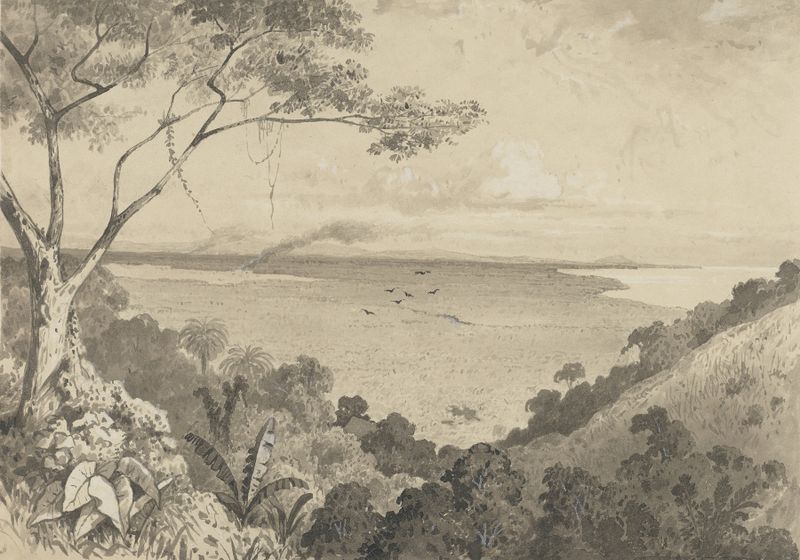
View from Laventille Hill
Michel Jean Cazabon

Garden Estate, Arouca
Michel Jean Cazabon

Bamboos St. Ann
Michel Jean Cazabon
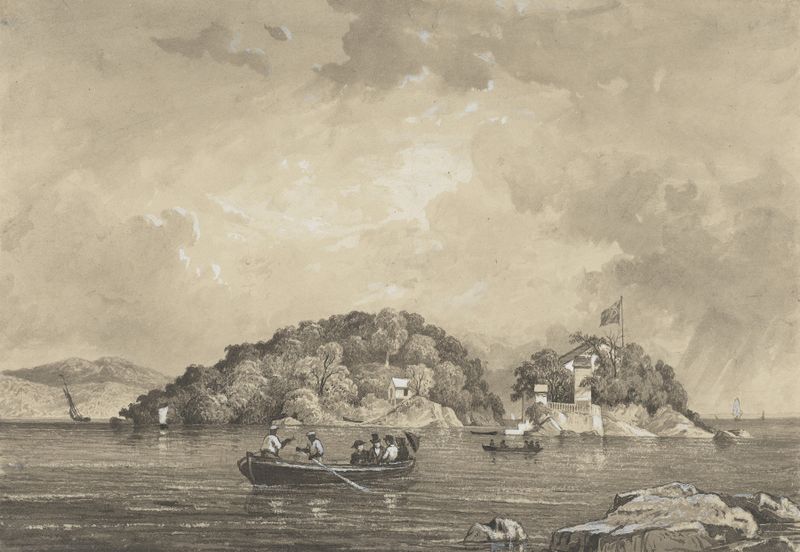
Caledonia and Craig Islands
Michel Jean Cazabon
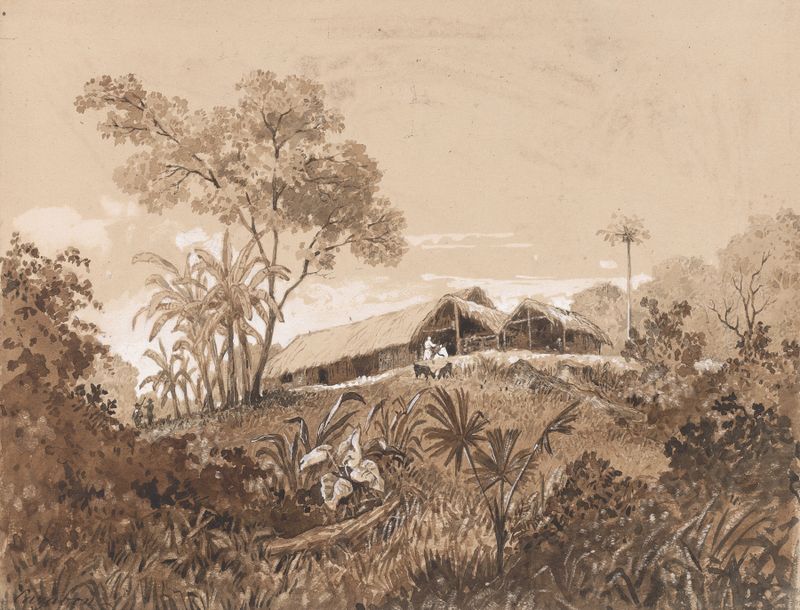
Cottage at Tamana
Michel Jean Cazabon
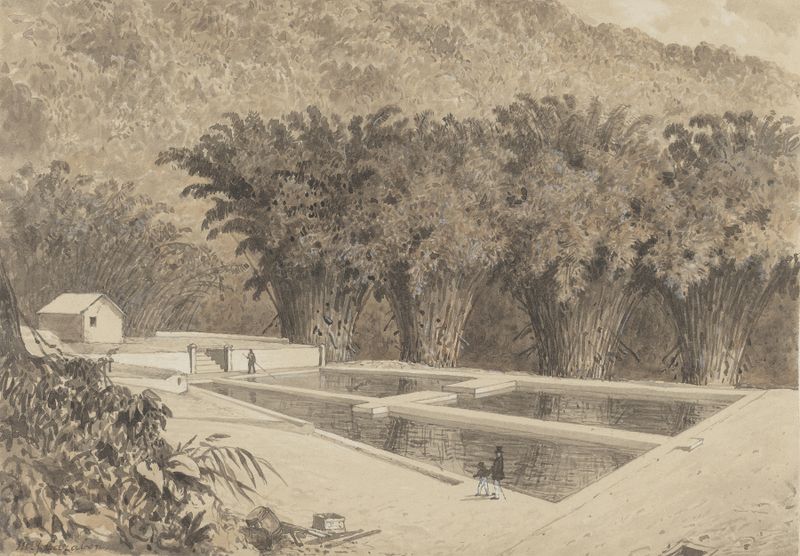
The Reservoir at Maraval
Michel Jean Cazabon





