
Grace Church — History & Facts
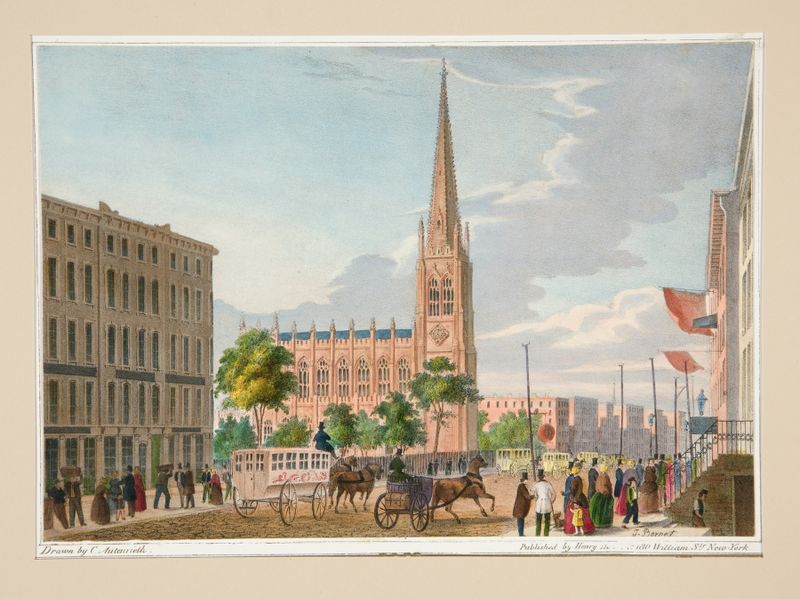
In a world brimming with turmoil, how does one find the beauty in rebirth? This question resonates deeply within the viewer, inviting contemplation and reflection. Focus on the vibrant interplay of light and shadow in Grace Church. The luminous rays filtering through the stained glass dance across the cool stone, illuminating the intricate architectural details. Look closely at the arches that reach toward the heavens—each curve and line meticulously crafted, suggesting a harmony between nature and the divine.
The palette of rich blues and warm golds speaks to an underlying vitality, breathing life into the hallowed space. Beyond its aesthetic allure, the painting encapsulates contradictions—a sanctuary built amidst the chaos of life, embodying solace and spiritual renewal. The juxtaposition of the sturdy stone structure against the ephemeral light suggests a moment of transcendence, where earthly troubles fade in the face of divine grace. This visual narrative invites viewers to contemplate their own journeys through darkness toward enlightenment and rebirth. In 1850, Charles Autenrieth captured Grace Church during a period rich with artistic exploration in America, as the nation was grappling with its identity and the role of faith in burgeoning urban life.
Working in a time when religious structures were being reassessed, he sought to convey the timeless beauty and peace such spaces could offer—a reflection of both personal devotion and a collective yearning for stability.
More Artworks by Charles Autenrieth
Browse all →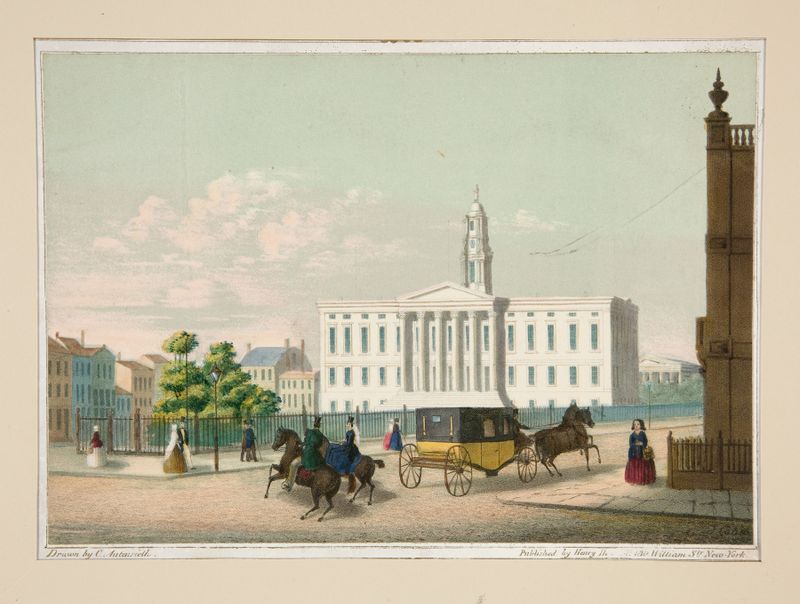
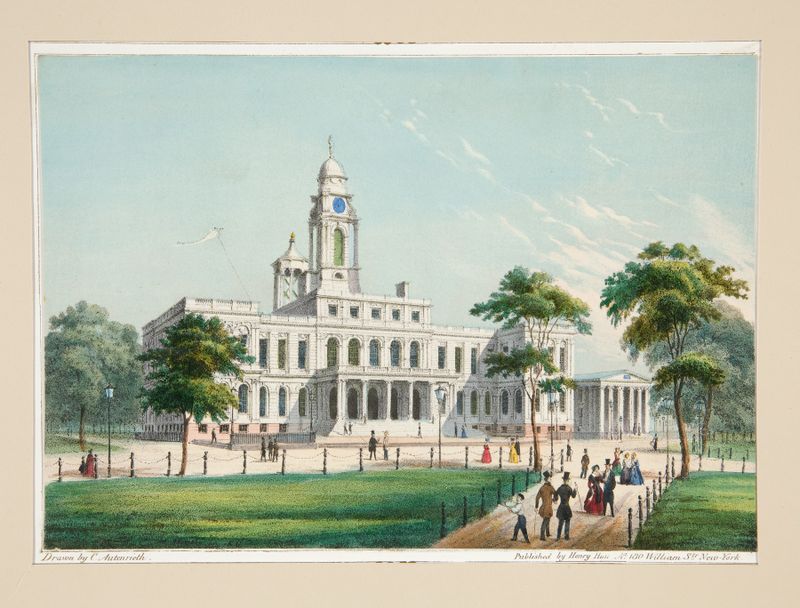
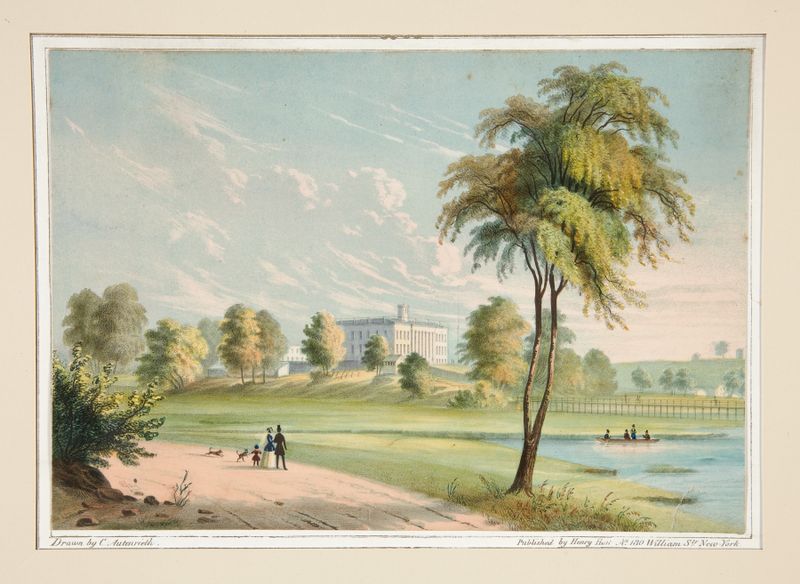

More Architecture Art
Browse all →
The statue of Liberty
Frédéric Auguste Bartholdi

View of Houses in Delft, Known as ‘The Little Street’
Johannes Vermeer

View of Houses in Delft, Known as ‘The Little Street’
Johannes Vermeer

The Cathedral in Rouen. The portal, Grey Weather
Claude Monet

The yellow house
Vincent van Gogh

The Church in Auvers-sur-Oise, View from the Chevet
Vincent van Gogh