Institution for the Blind — History & Facts
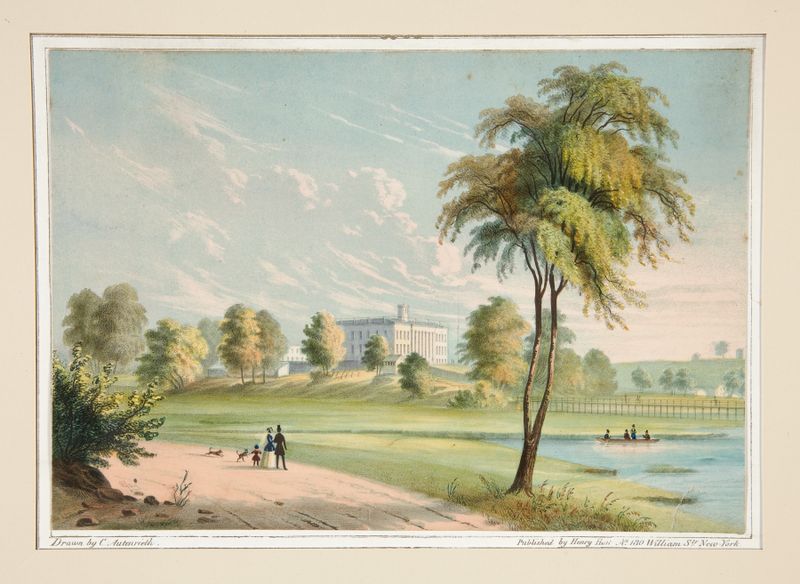
What secret hides in the quiet of the canvas? In Institution for the Blind, the world of perception and illusion converges, inviting viewers to contemplate the unseen depths of human experience. Look to the left at the figures seated in the dimly lit room, their faces partially obscured by shadows. The light softly illuminates their hands, engaged in the delicate act of weaving, creating an intimate contrast between their physical labor and the ethereal quality of the surrounding space. Notice how the muted palette of browns and greens envelops the scene, reinforcing the somber yet hopeful atmosphere, while the precise brushwork conveys a sense of stillness and contemplation. The emotional tension lies in the delicate interplay between sight and touch, isolation and community.
Each figure embodies a narrative of resilience and connection, their shared endeavor transforming a space often associated with silence into one rich with unseen communication. The weaving process symbolizes a collective strength, suggesting that within the bounds of limitation, new forms of beauty can emerge. Charles Autenrieth painted Institution for the Blind in 1850, during a period marked by social reform and a growing awareness of the needs of marginalized communities. Living in Germany, he was influenced by the Romantic ideals of empathy and the portrayal of social issues through art, reflecting a world striving for inclusivity and understanding, a canvas that speaks louder than words.