
Grand Canal in Venice — History & Facts
Can beauty exist without sorrow? In the shimmering waters of Venice, where light dances and shadows linger, the answer seems to float just out of reach. Look to the left at the gentle curve of the Grand Canal, where the reflections of ornate buildings ripple across the surface, creating a dreamlike tableau. The soft pastel hues of the sky blend seamlessly with the lilting blues and greens of the water, inviting the eye to trace the intricate details of the gondolas that glide silently by. Notice how the artist’s delicate brushwork captures both the vibrancy and tranquility of this iconic scene, as the warm glow of the setting sun bathes everything in a divine light, imbuing the moment with a sense of timelessness. However, beneath this surface beauty lies a deeper contemplation.
The juxtaposition of light and shadow suggests an undercurrent of imperfection, hinting at the transience of life itself. The ethereal glow represents hope and inspiration, yet the muted tones of the buildings evoke the wear of time, reminding us of the fragility inherent in all things. As the gondoliers navigate the waterway, their quiet presence speaks to an ongoing dialogue between man and the environment, underscoring the duality of existence—joy intertwined with melancholy. In 1890, Thomas Moran painted Grand Canal in Venice during a period of artistic exploration, having traveled extensively across Europe.
This era was marked by the rise of Impressionism, influencing him to embrace a vibrant palette and expressive brushwork that captured the essence of the landscapes he encountered. As he sought to convey the sublime beauty of Venice, Moran simultaneously engaged with the shifting currents of the art world, establishing his own unique voice within the broader narrative of 19th-century art.
More Artworks by Thomas Moran
Browse all →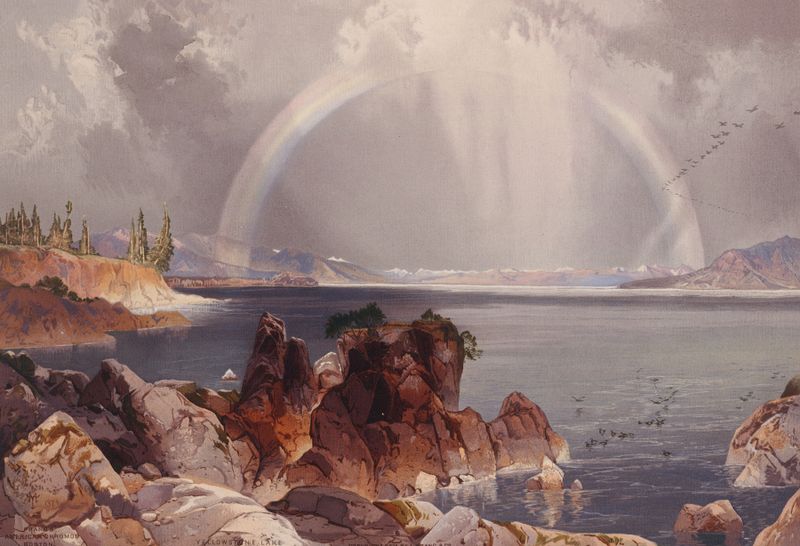
Yellowstone Lake
Thomas Moran

Grand Canyon of the Colorado River
Thomas Moran

Grand Canyon, Colorado River
Thomas Moran

The Towers of Tower Falls, Yellowstone
Thomas Moran
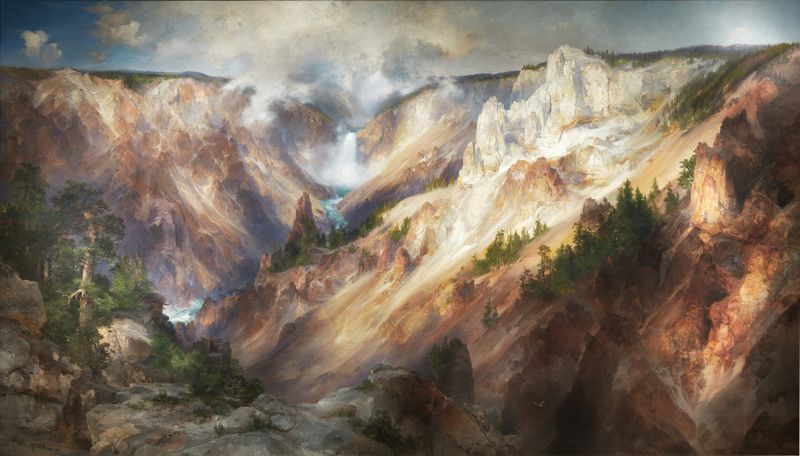
The Grand Canyon Of The Yellowstone
Thomas Moran

Mountain of the Holy Cross
Thomas Moran

Cliffs Of The Upper Colorado River, Wyoming Territory
Thomas Moran
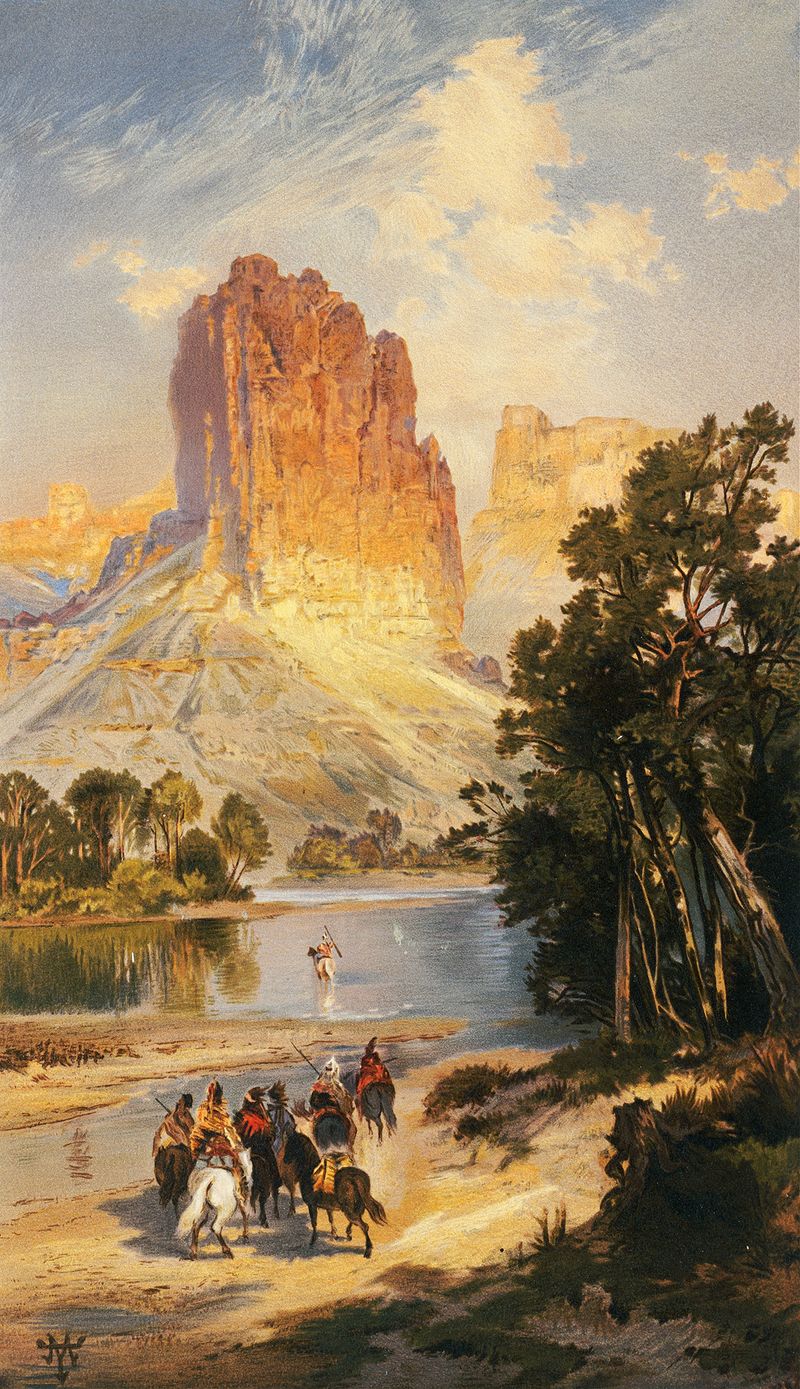
Cliffs of the Upper Colorado River, Wyoming Territory
Thomas Moran

Mammoth Hot Springs, Yellowstone
Thomas Moran
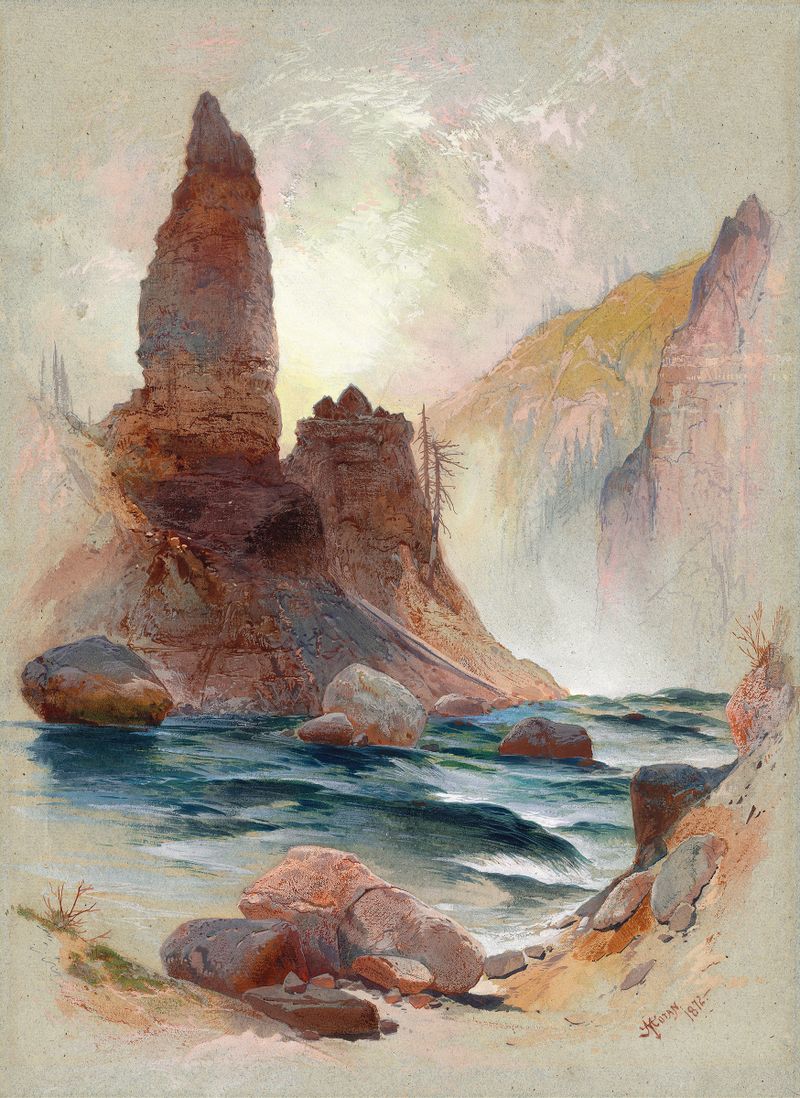
Tower at Tower Falls, Yellowstone
Thomas Moran





