
Grapes, Peaches and Apricots on a Stone Plinth — History & Facts
What draws the eye first in Grapes, Peaches and Apricots on a Stone Plinth is the hush of its arrangement: fruit poised on the edge of a ledge, as if caught in a moment of quiet anticipation. The light slips across the surface, coaxing a waxy translucence from the grapes and a soft down from the peaches, while the apricots glow with a subtle, golden warmth. Each fruit seems to have its own personality—clustered, solitary, or gently touching—while the vine tendril curls downward, a delicate gesture that breaks the stillness.
The dark background presses forward the sense of intimacy, making the fruit seem almost within reach, and the careful play of shadow and highlight gives the scene a sense of balance and calm. This is a world of close observation, where the ordinary becomes quietly extraordinary. Painted in 1695, this work belongs to the tradition of Dutch and Flemish still life, a genre that flourished in the late seventeenth century. Such paintings were prized by collectors who valued both their technical brilliance and their subtle reminders of nature’s bounty and brevity.
Adriaen Coorte, though not as widely known as some of his contemporaries, became celebrated for his intimate compositions and his focus on humble subjects, often painted on small wooden panels. The Netherlands Institute for Art History preserves this example, a testament to the enduring appeal of these modest treasures. Look again at the single grape that has rolled away from the cluster—a quiet invitation to linger, and to notice what might otherwise be overlooked.
More Artworks by Adriaen Coorte
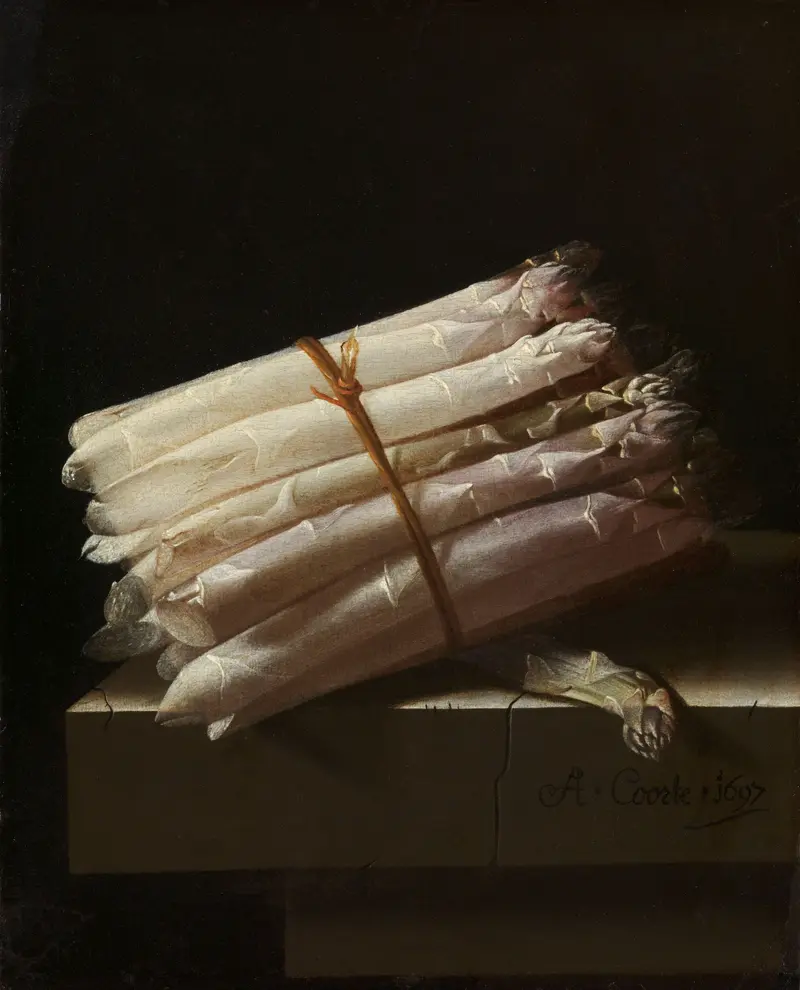
Still Life with Asparagus
Adriaen Coorte
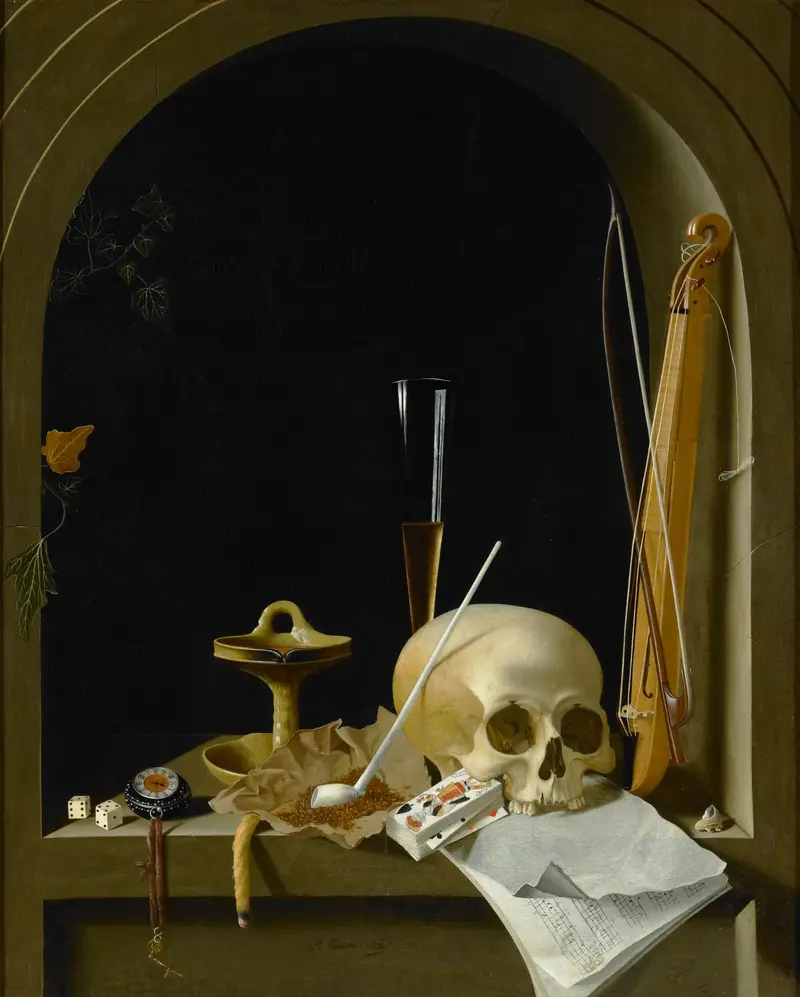
Vanitas still life in a niche
Adriaen Coorte
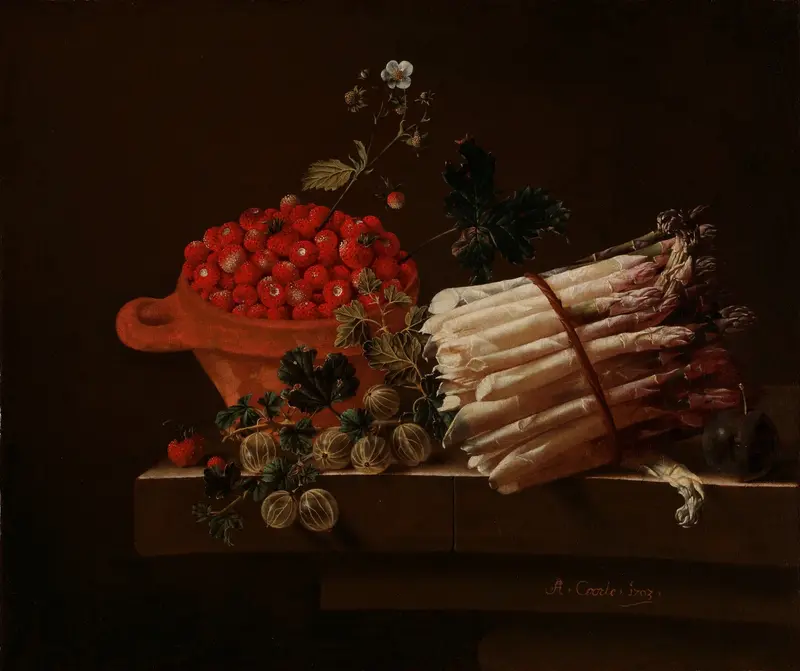
A Pot of Strawberries, Gooseberries, and a Bundle of Asparagus on a Stone Plinth
Adriaen Coorte
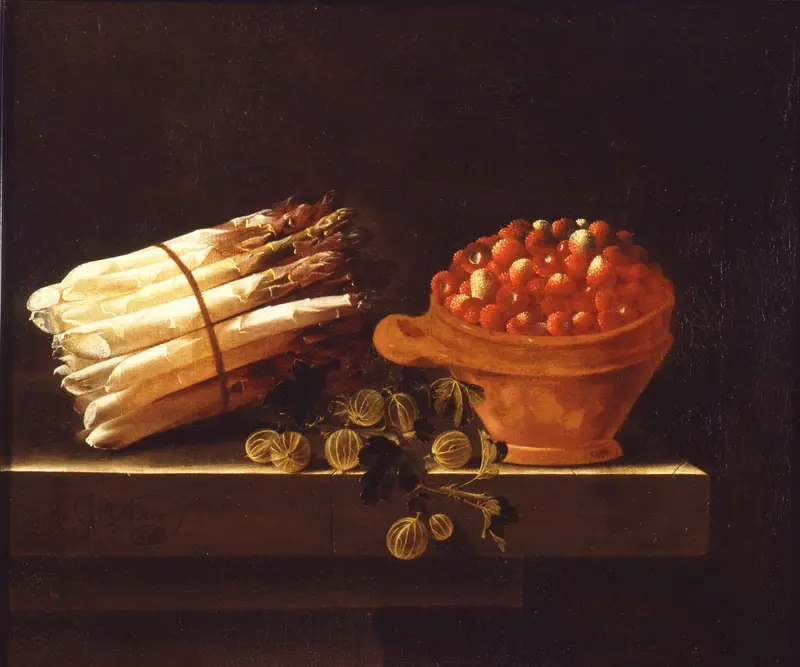
Asparagus, Gooseberries and Strawberries on a Stone Ledge
Adriaen Coorte
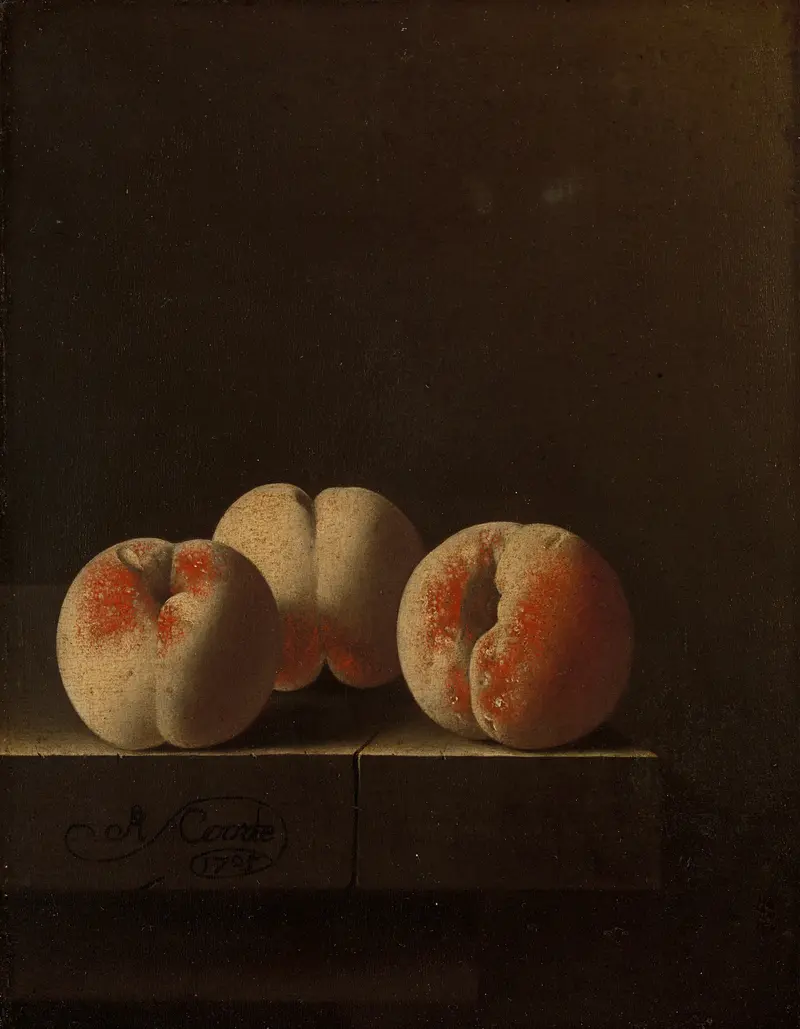
Drie perziken op een stenen plint SK A 5101 Rijksmuseum
Adriaen Coorte
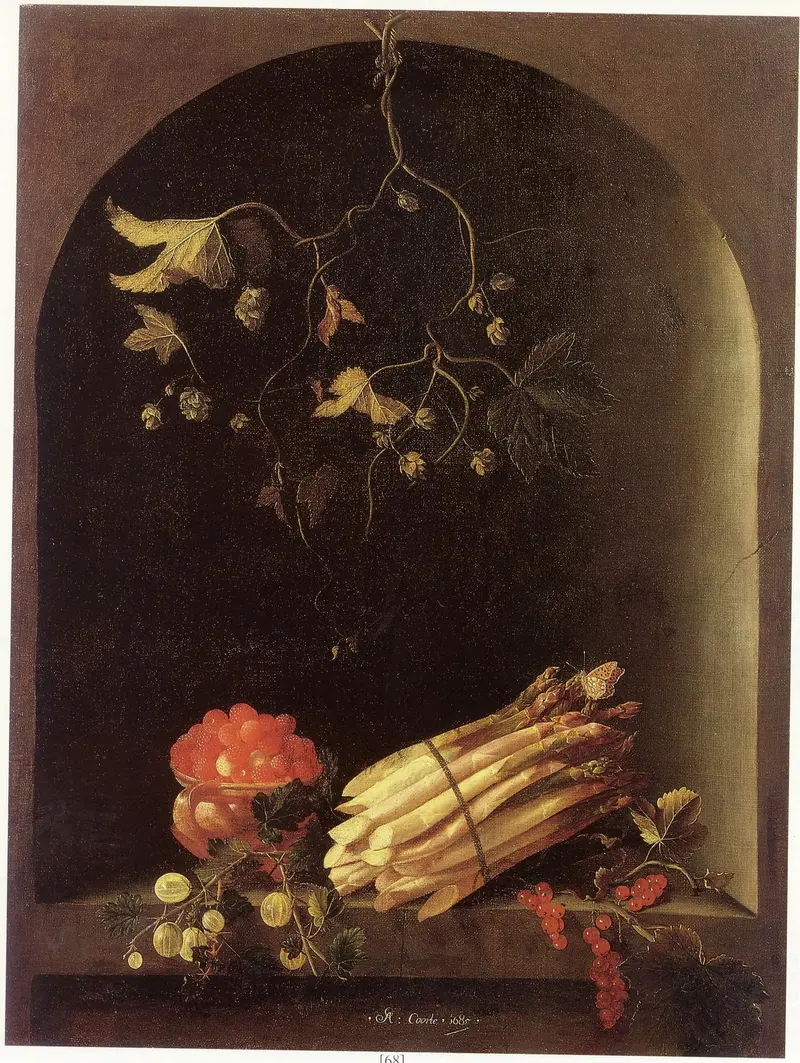
Strawberries, Asparagus, and Gooseberries in a Niche
Adriaen Coorte
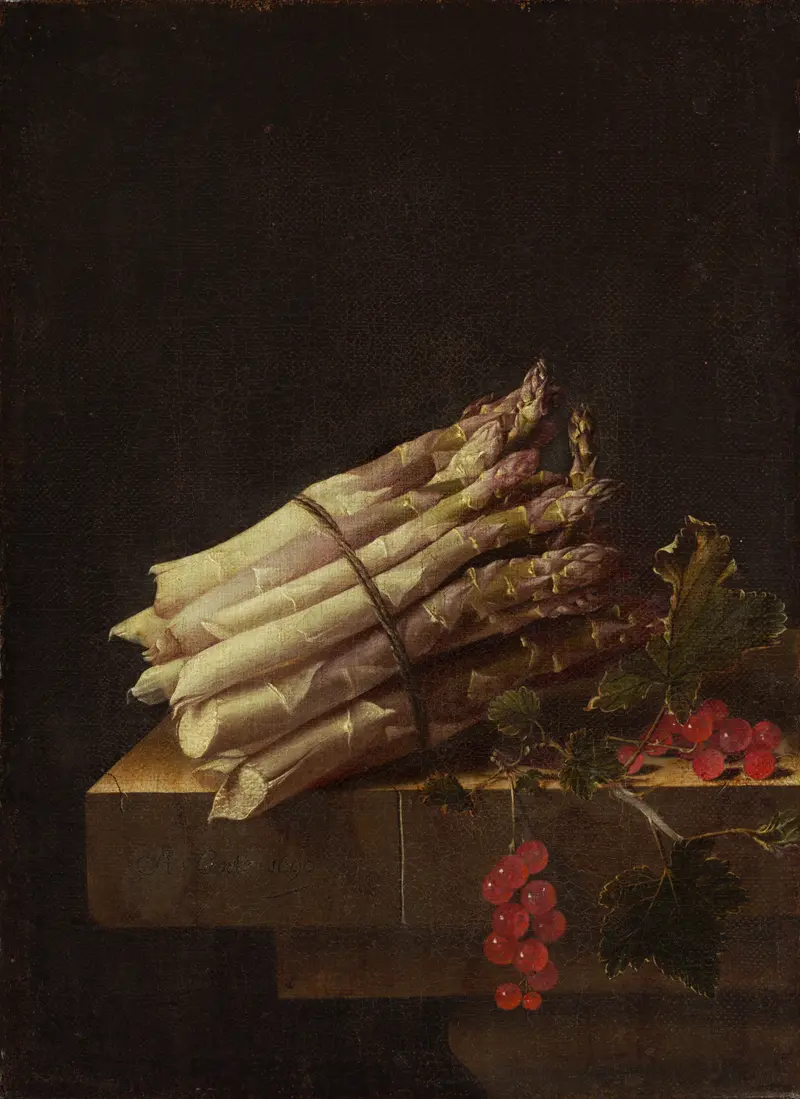
Still Life with Asparagus and Red Currants
Adriaen Coorte
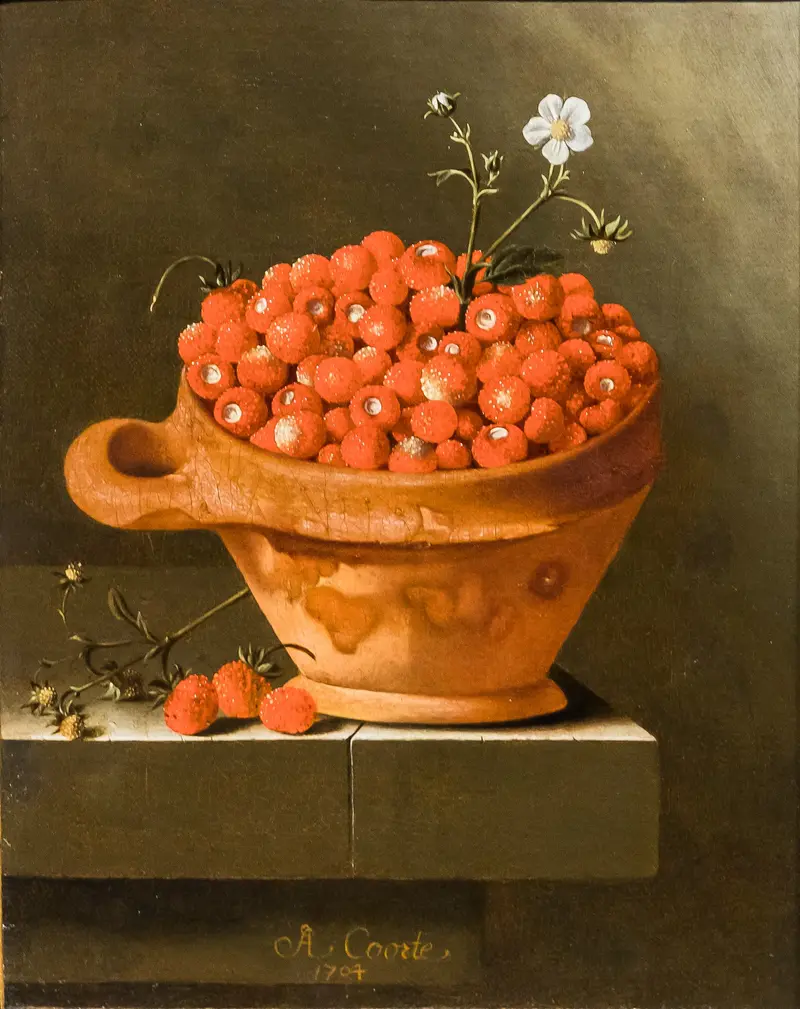
Still life with strawberries in a terracotta pot
Adriaen Coorte
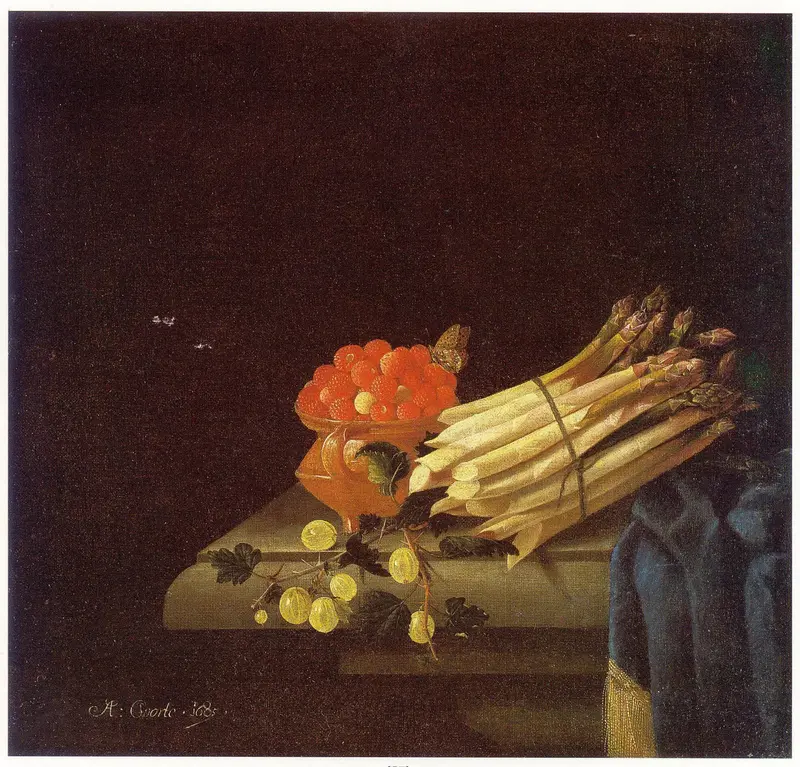
Strawberries, Asparagus, and Gooseberries with a Tablecloth
Adriaen Coorte
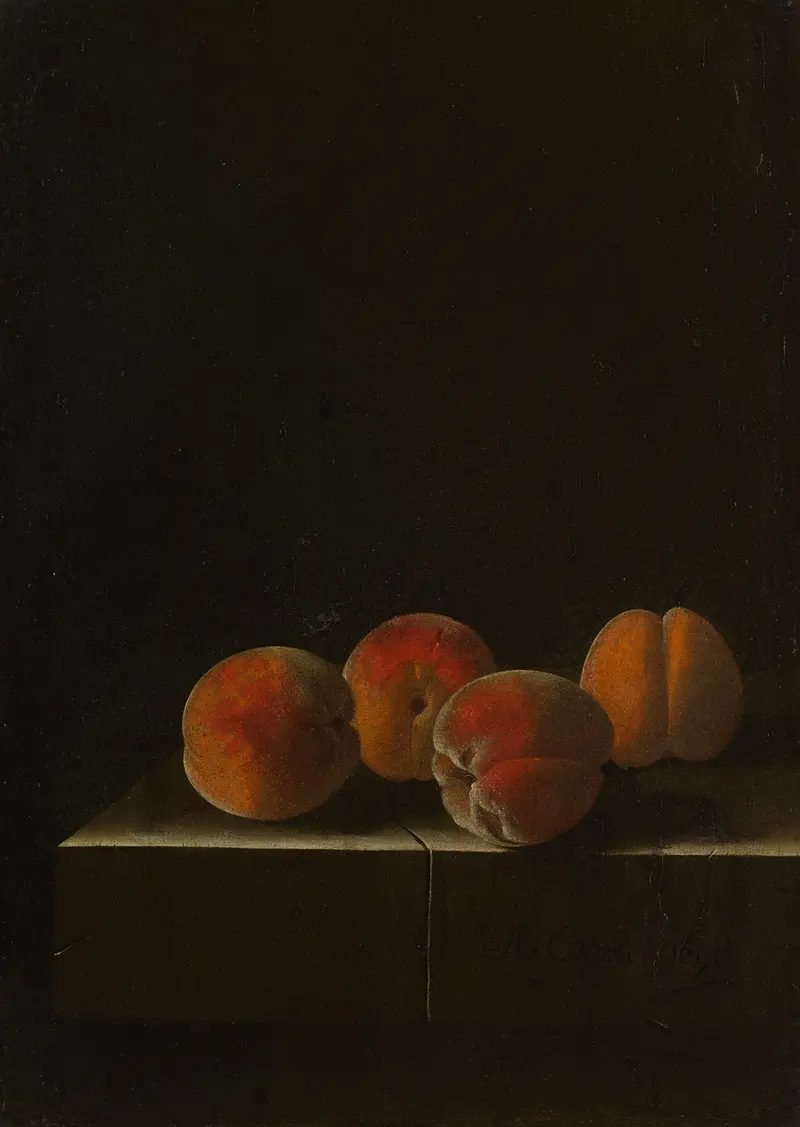
Four Apricots on a Stone Plinth
Adriaen Coorte





