
Gravensfjord — History & Facts
What if silence could speak through light? In Gravensfjord, tranquility envelops the viewer like a gentle breath, inviting reflection on the vastness of nature. Focus on the horizon, where soft hues of blue and green cradle the fjord. Look closely at the interplay of light and shadow as it dances across the water’s surface, revealing an ethereal depth that hints at the void beneath. The delicate strokes create a sense of movement, suggesting the whisper of a breeze and the quiet ebb of water against the shore. Underlying this serene landscape is a profound emotional tension between presence and absence.
The towering cliffs, majestic yet imposing, evoke a sense of isolation, while the tranquil water seems both inviting and foreboding. Each brushstroke captures the duality of beauty and solitude, a reminder of the fleeting moments in nature that resonate deeply within us. In 1839, Thomas Fearnley painted Gravensfjord during his time in Norway, a period marked by his exploration of Romantic landscapes. Emerging from a backdrop of societal change and an increasing fascination with nature's sublimity, Fearnley sought to encapsulate the emotional power of the natural world.
His works emerged as a response to the shifting artistic currents of his time, reflecting both the awe and introspection that nature inspires.
More Artworks by Thomas Fearnley
Browse all →
Norwegian Landscape, Marumfoss
Thomas Fearnley

View of the Oslofjord
Thomas Fearnley

Gudvangen
Thomas Fearnley

Stormy Landscape with a Rider
Thomas Fearnley
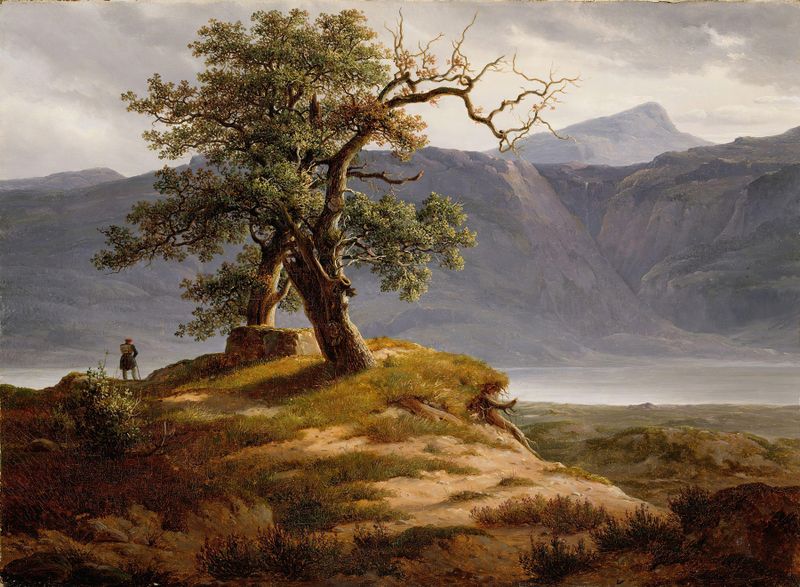
Landscape with a Wanderer
Thomas Fearnley
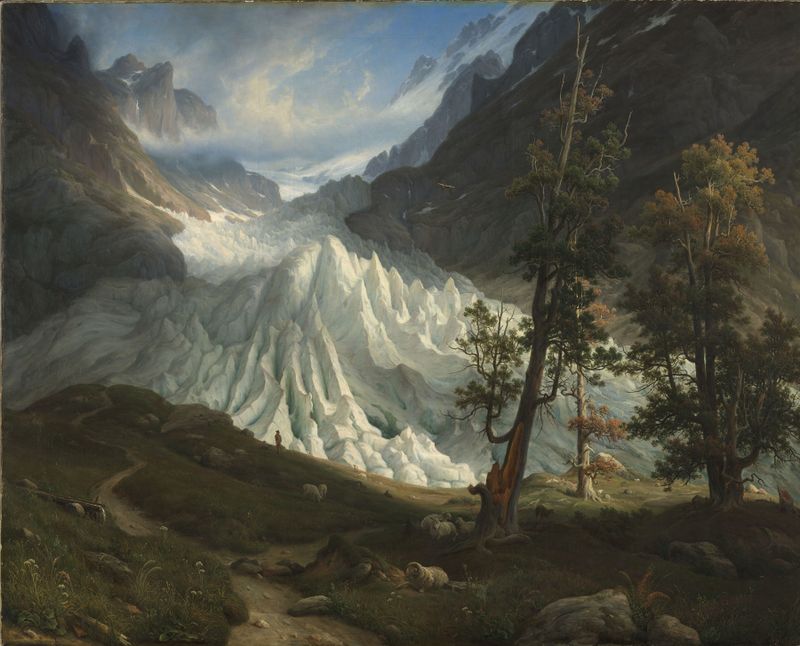
The Grindelwaldgletscher
Thomas Fearnley

Clouds over the Fjord
Thomas Fearnley
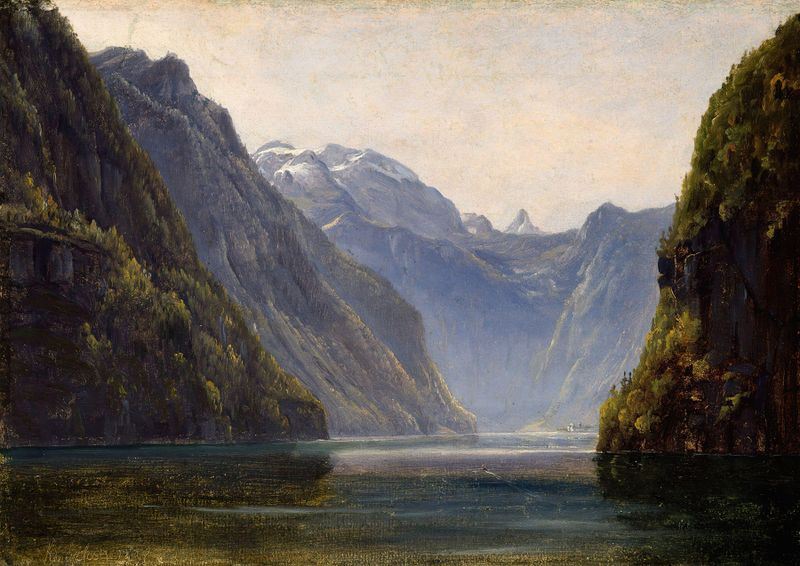
From Königssee
Thomas Fearnley

The Bridge of Hauge outside Arendal
Thomas Fearnley

King Vilhelm II’s ceremonial Processsion in Amsterdam in 1840
Thomas Fearnley





