Grazing by the Shore — History & Facts
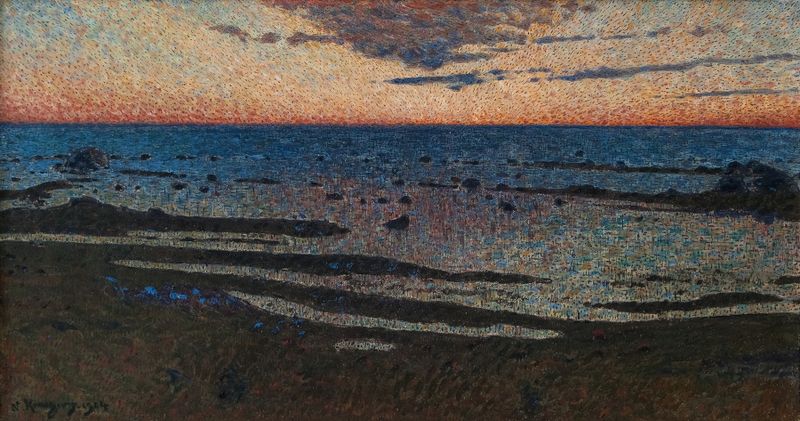
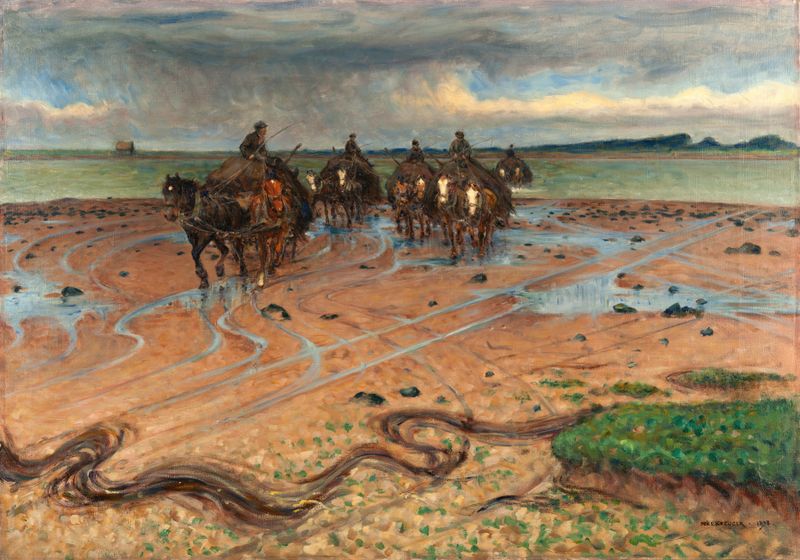
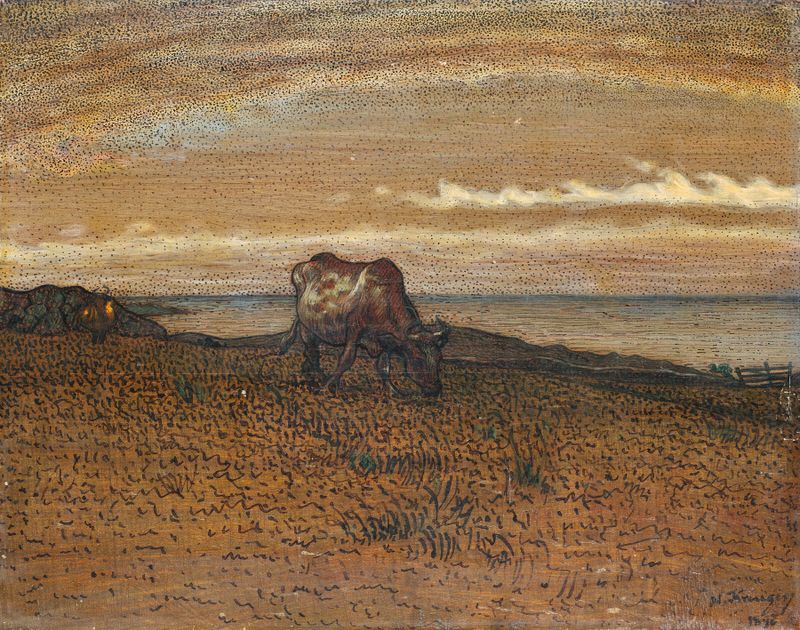
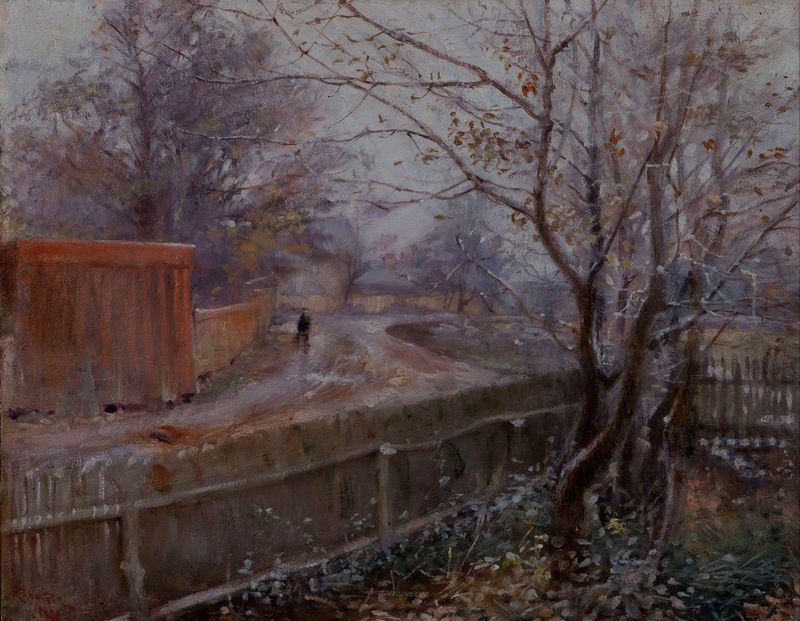
In the realm of art, some pieces echo the essence of a moment, capturing the delicate interplay of obsession and nature. Gaze first at the tranquil shoreline, where soft waves lap gently against the grass. Notice the way the verdant blades sway, kissed by the breeze, their vibrant greens contrasting with the deep blues of the water. The painting’s masterful technique draws the eye to the figures in the distance — grazing animals, their forms silhouetted against the horizon, their presence both serene and haunting.
The light, filtered through clouds, casts a silver sheen on the surface of the water, enhancing the atmosphere of quiet contemplation. Within this seemingly peaceful scene lies an undercurrent of longing. The animals, while at ease, evoke a sense of solitude, hinting at the artist's fixation on the beauty of nature and the passage of time. The soft strokes convey not just a visual landscape, but the emotional weight of an obsession — a yearning for connection and understanding of the natural world.
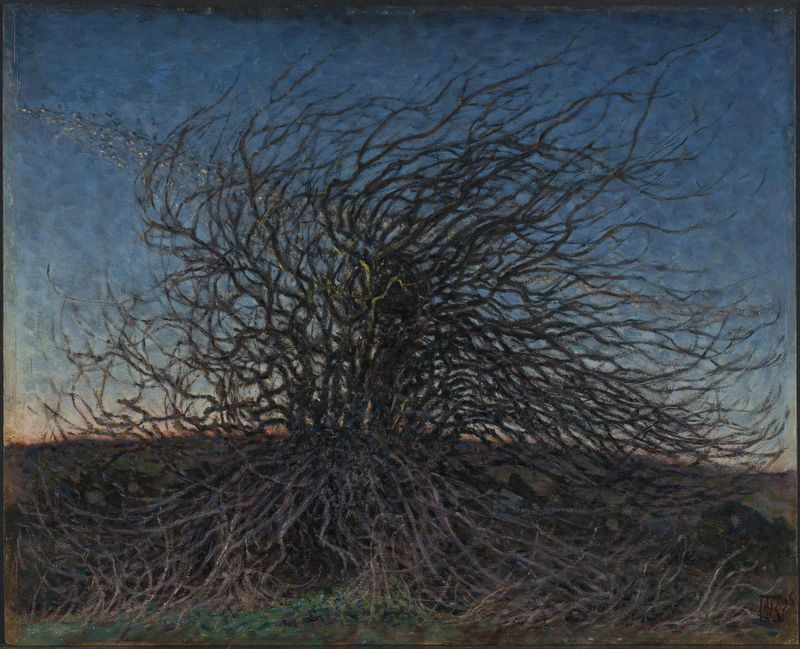
Each detail, from the softness of the grass to the distant figures, composes a narrative of both tranquility and introspection. In 1900, Nils Kreuger painted this work during a time of profound change in the art world, as the transition to modernism began to unfold. Working primarily in Sweden, Kreuger found inspiration in the rural landscapes around him, reflecting a growing fascination with the interplay of light and atmosphere. His focus on capturing the essence of nature aligns with the broader movements of his time, as artists started to explore their emotional responses to the world around them.