
Grazing Sheep in front of Bare Hills — History & Facts
What if beauty was never meant to be finished? In the delicate play between the grazing sheep and the bare hills, a sense of transformation unfurls, inviting viewers to contemplate the evolving essence of nature. Look to the center where the sheep gather, their forms rendered with gentle strokes that speak of both tranquility and a hint of restlessness. The soft whites and grays of their wool contrast beautifully against the muted earth tones of the hills, which rise and fall like the breath of the landscape. Notice how the subtle layering of color creates depth, drawing your eye deeper into the undulating terrain that seems to echo with whispers of the past. Within this seemingly simple composition lies a profound exploration of change and resilience.
The sheep, symbols of pastoral life, embody an enduring connection to the land, while the starkness of the hills suggests a world shaped by time and elements beyond our control. The juxtaposition of the soft, living forms against the barren backdrop invites reflection on the transient nature of beauty and existence itself, urging us to embrace the cycles of life that define our experience. Ernst Schiess created this work during a time of introspection in the early 20th century, likely as he navigated the complexities of a changing world. The simplicity of rural life depicted here contrasts sharply with the rapid urbanization and innovation occurring in art and society.
This painting, free from the constraints of formalism, reflects his desire to capture not just beauty, but the very act of transformation that accompanies nature and life.
More Artworks by Ernst Schiess
Browse all →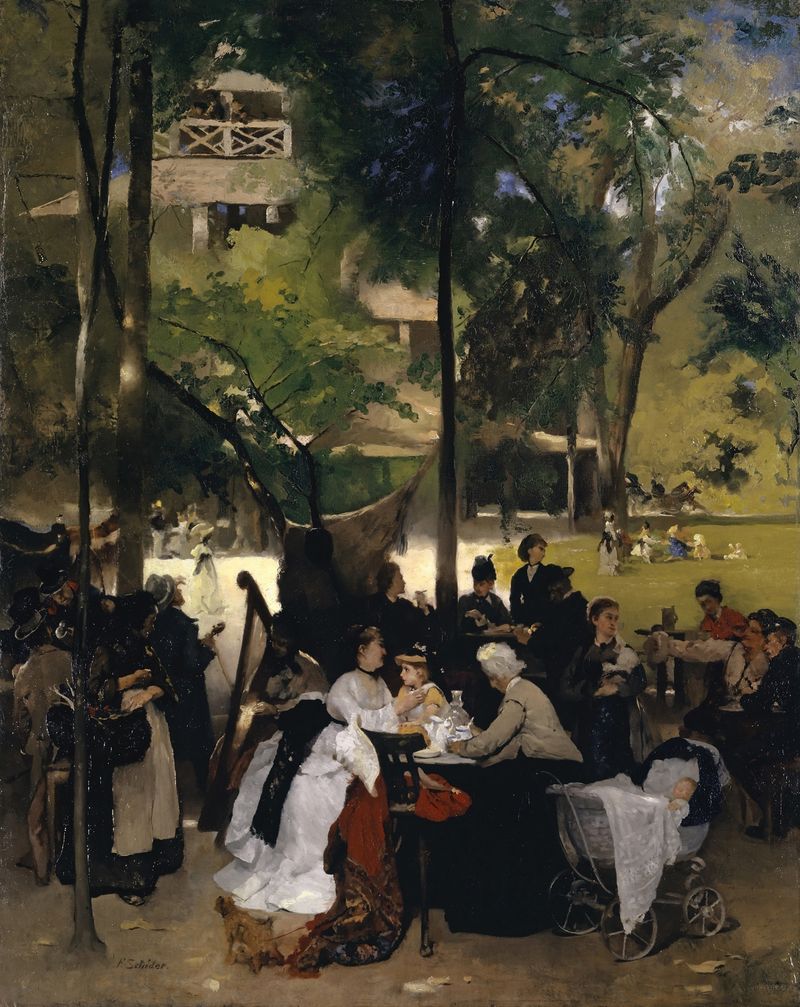
The Chinese Tower in the English Garden in Munich
Ernst Schiess

Evening Walk Above a Southern Lake
Ernst Schiess
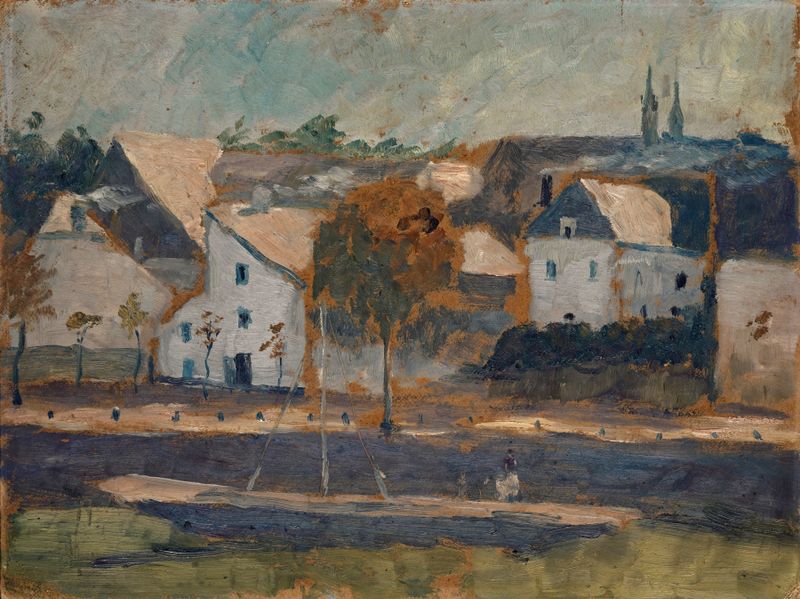
Kleine Stadt an Kanal
Ernst Schiess
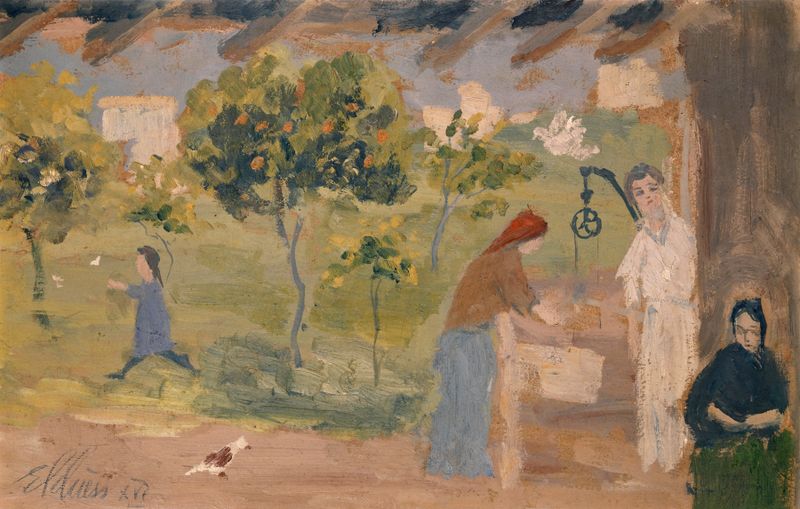
At the Fountain
Ernst Schiess

At the Harbour of Palma de Mallorca
Ernst Schiess
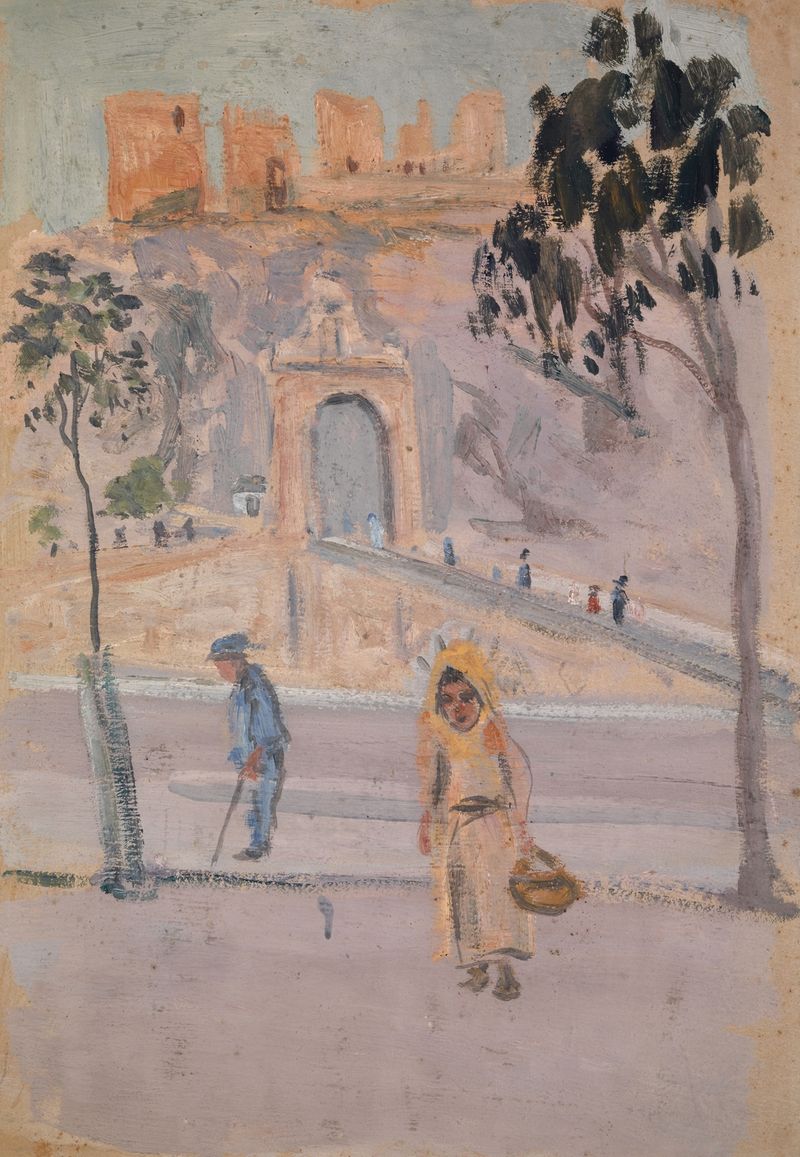
Alcantarabridge and Castillo de San Servando at Toledo
Ernst Schiess
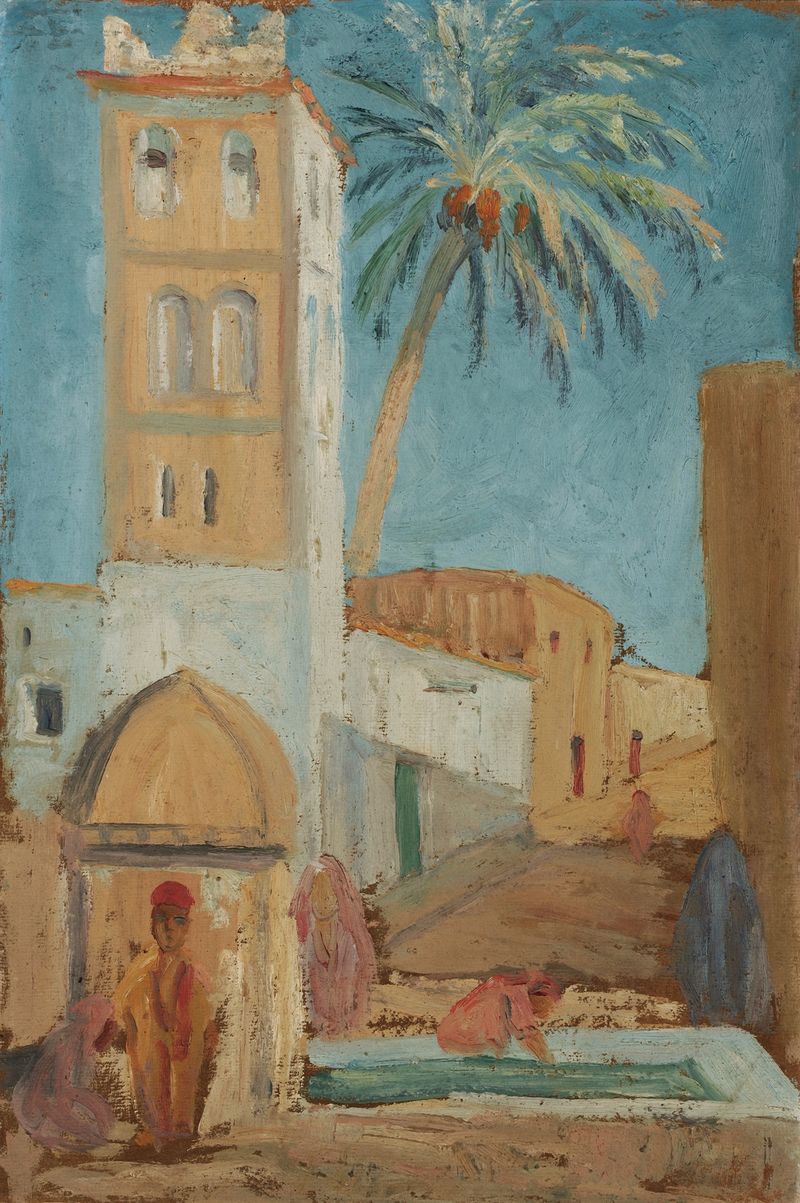
Scene at a Fountain in a Moroccan Place
Ernst Schiess
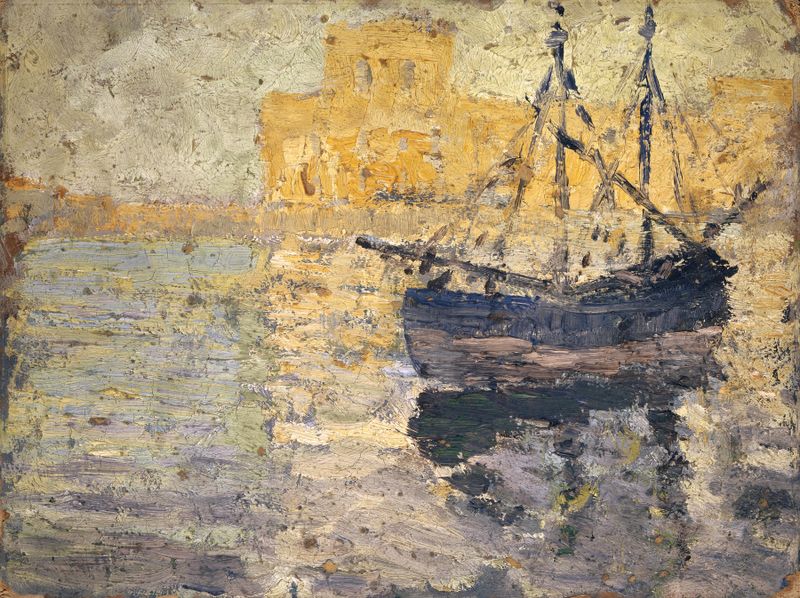
Harbour with Sailing Boat
Ernst Schiess
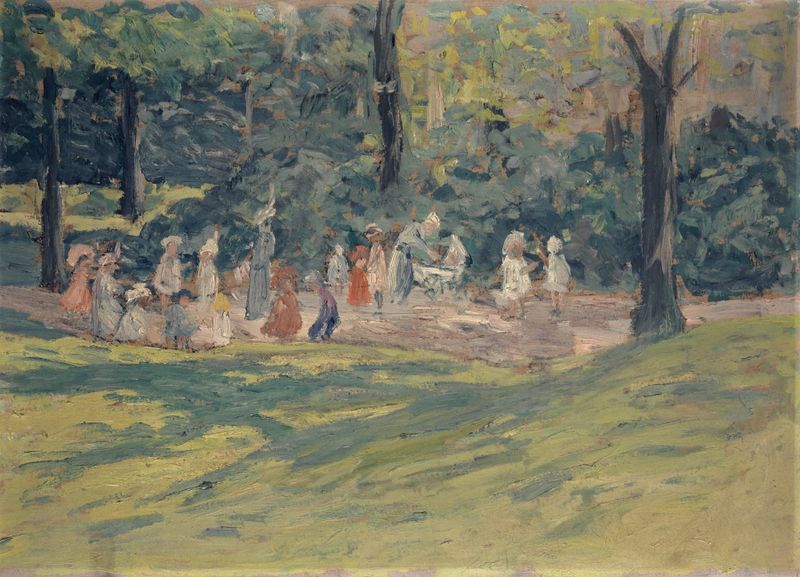
Children Playing in a Public Park
Ernst Schiess

Mohammedanischer Friedhof
Ernst Schiess





