
Great Blue Spring of the Lower Geyser Basin, Firehole River, Yellowstone — History & Facts
In moments of grief, the heart seeks solace in beauty, and nature speaks what words cannot convey. To immerse yourself in this work, first observe the vibrant blues that swirl within the thermal spring, drawing the eye into its depths. The layers of color reveal the mineral-rich waters, melding in harmonious gradients that suggest both movement and stillness. Notice how the delicate strokes of white capture the steam rising in gentle swirls, softening the rugged landscape around it.
This contrast between the vibrant spring and the solid earth evokes a sense of tranquility amidst the raw power of nature. Beneath its serene surface, the painting holds deeper emotional currents. The vivid blues may symbolize both the beauty of life and the sorrow of loss, capturing the delicate balance between joy and grief. The geothermal features remind us of the transformative forces present in our world, hinting at renewal yet also echoing the isolation within nature’s embrace.
This duality invites reflection on personal experiences of longing and the passage of time, as the spring’s colors pulsate with life while remaining untouched by human hands. In 1872, Thomas Moran painted this stunning scene during a pivotal moment in American art, as the country began to embrace the grandeur of its natural landscapes. His work was part of the larger movement toward the celebration of the American West, influenced by the establishment of Yellowstone as the nation’s first national park. At this time, Moran’s exploration of light, color, and emotion in nature played a crucial role in shaping perceptions of wilderness, offering not just representation but also communion with the sublime.
More Artworks by Thomas Moran
Browse all →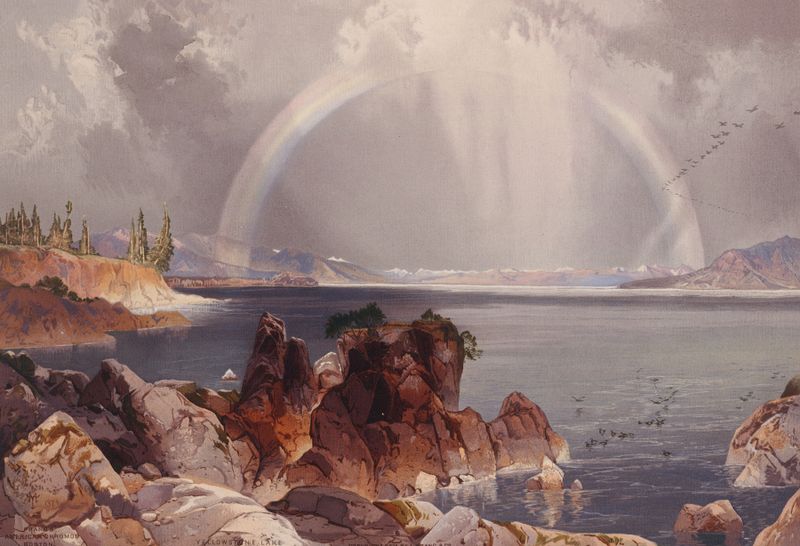
Yellowstone Lake
Thomas Moran

Grand Canyon of the Colorado River
Thomas Moran

Grand Canyon, Colorado River
Thomas Moran

The Towers of Tower Falls, Yellowstone
Thomas Moran
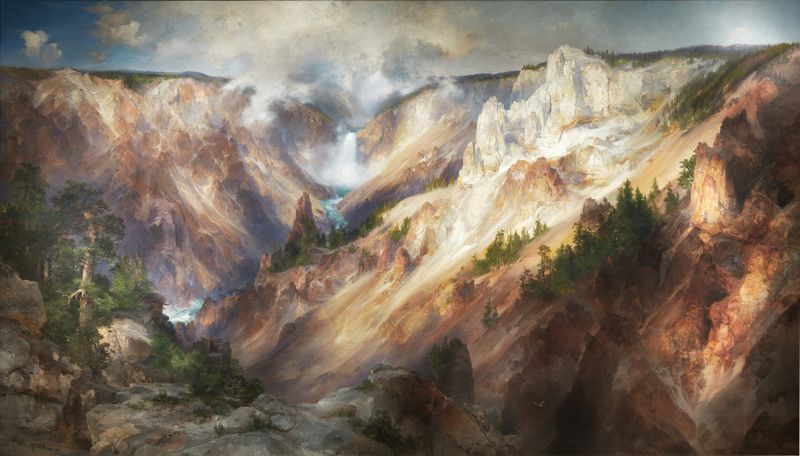
The Grand Canyon Of The Yellowstone
Thomas Moran

Mountain of the Holy Cross
Thomas Moran

Cliffs Of The Upper Colorado River, Wyoming Territory
Thomas Moran
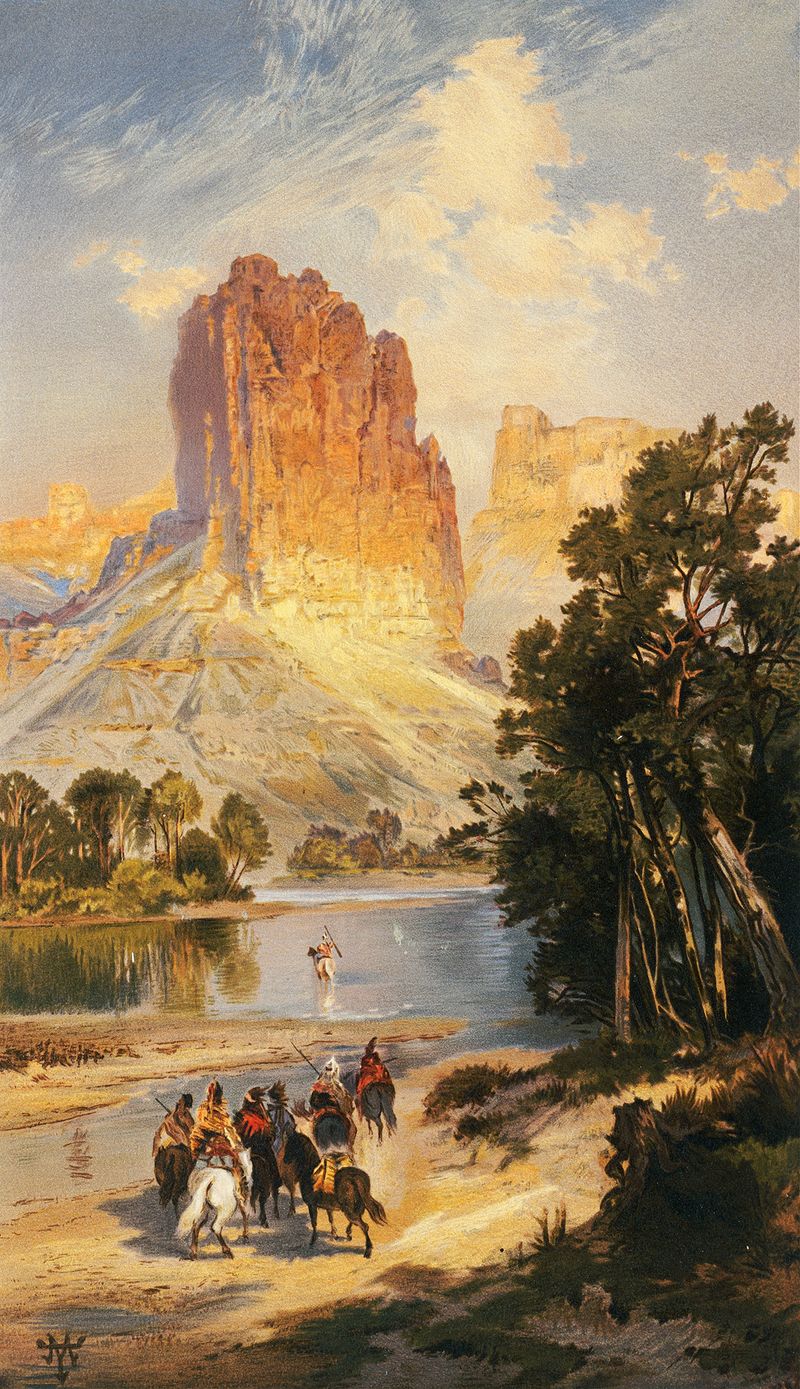
Cliffs of the Upper Colorado River, Wyoming Territory
Thomas Moran

Mammoth Hot Springs, Yellowstone
Thomas Moran
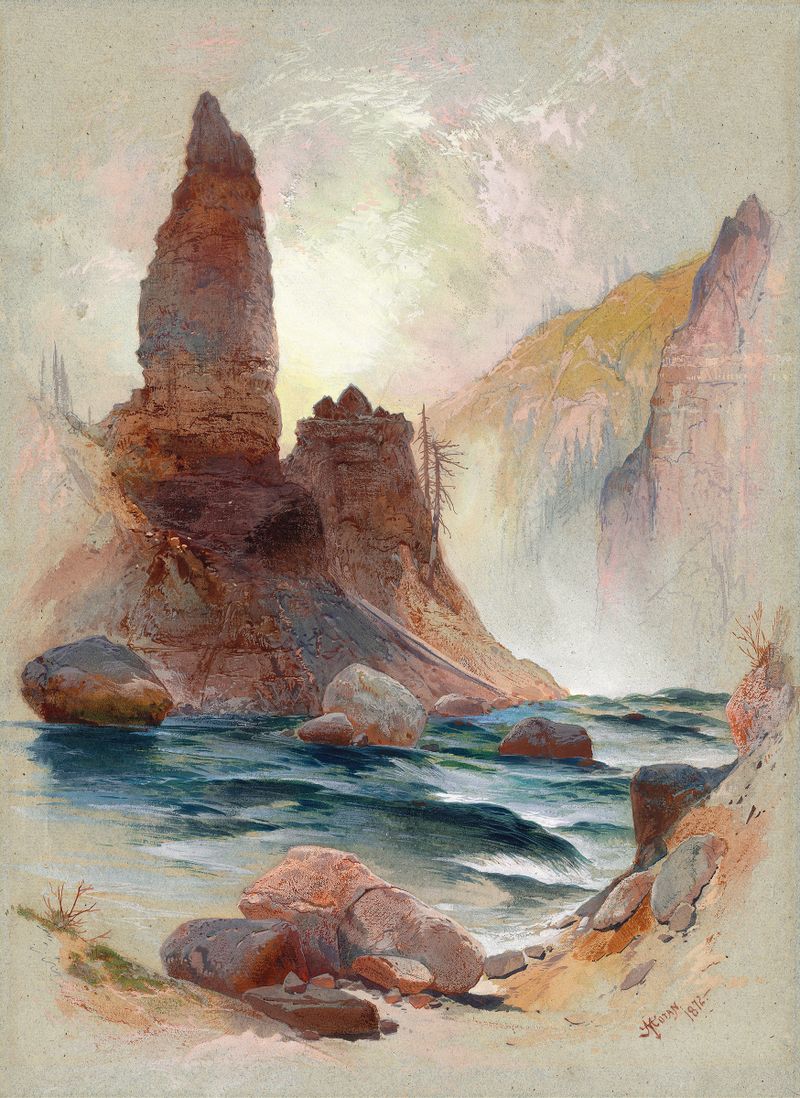
Tower at Tower Falls, Yellowstone
Thomas Moran





