
Greeks Working in the ruins of the Acropolis — History & Facts
The desolate beauty of the Acropolis resonates with a haunting violence that lingers just beneath the surface. As the past intertwines with labor, the viewer is drawn into a world where history’s weight bears down on the shoulders of the workers, their toil echoing the struggles of a civilization. Look to the left at the sun-drenched stones, their warm hues contrasting starkly with the cool shadows cast by ancient columns. The workers, engaged in their painstaking task, are rendered with meticulous detail and a sense of urgency, inviting you to witness their labor.
The palette of earthy tones instills a sense of unity with the ruins, while the play of light across their bodies highlights the juxtaposition of human effort against the timeless backdrop of monumental history. Beneath the surface, the artwork grapples with the tension between creation and destruction. The workers symbolize resilience in the face of a once-glorious past, while the ruins serve as a reminder of the violence wrought by time and conflict. Each brushstroke encapsulates the struggle for identity and continuity amid the remnants of what was, asking the viewer to consider the stories held within the stones. Martinus Rørbye painted this piece between 1834 and 1835 while living in Athens, a city alive with artistic revival amidst the echoes of national independence from Ottoman rule.
This period marked a significant moment in European art, as artists turned their focus to classical themes, seeking to capture the essence of a civilization that shaped Western culture. Rørbye’s work reflects both personal journey and broader societal context, drawing connections between labor, legacy, and the silent violence of history.
More Artworks by Martinus Rørbye
Browse all →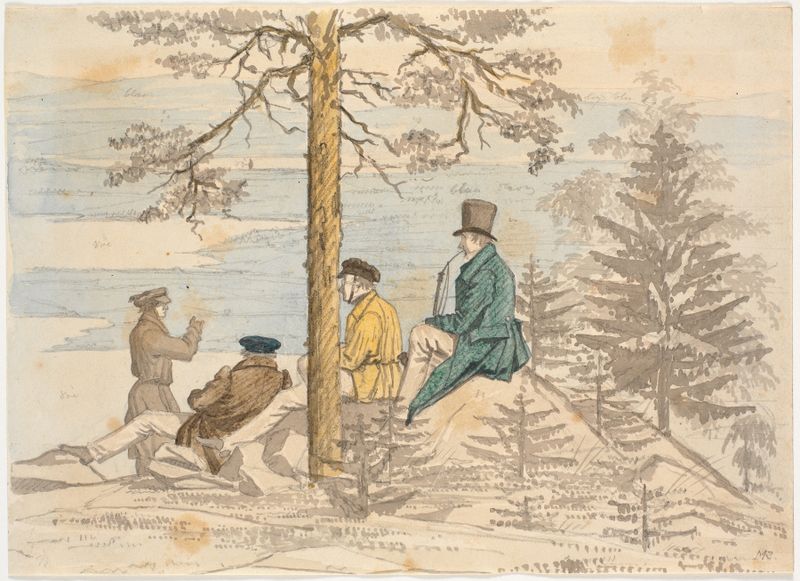
Fire mænd betragter udsigten fra Holmekollen
Martinus Rørbye
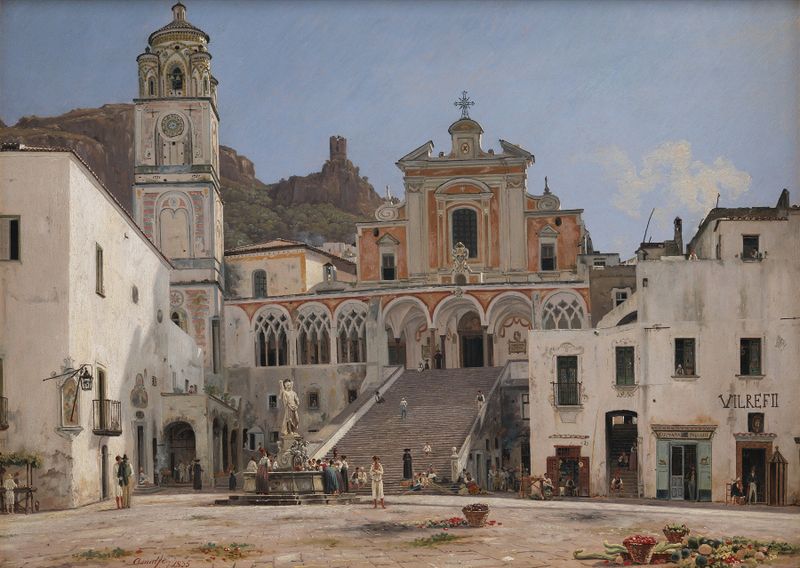
View of the Square in Amalfi
Martinus Rørbye
A Courtyard in Rome. Copy after Eckersberg
Martinus Rørbye
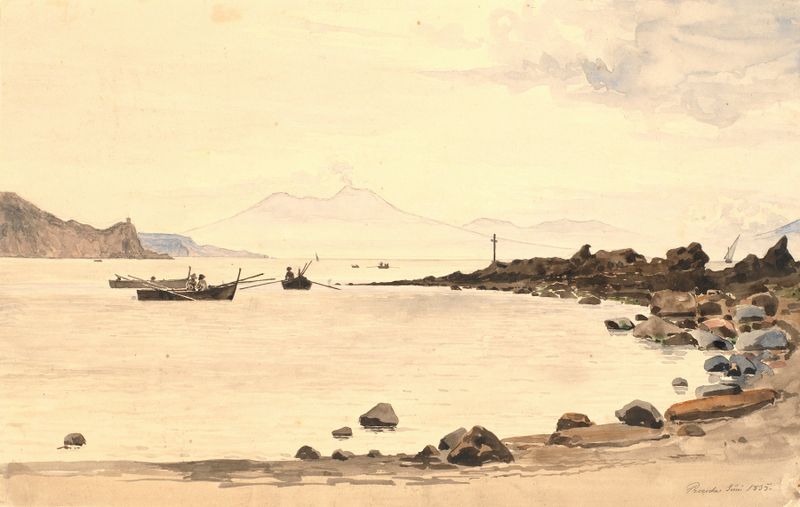
Udsigt mod Vesuv fra Procida
Martinus Rørbye
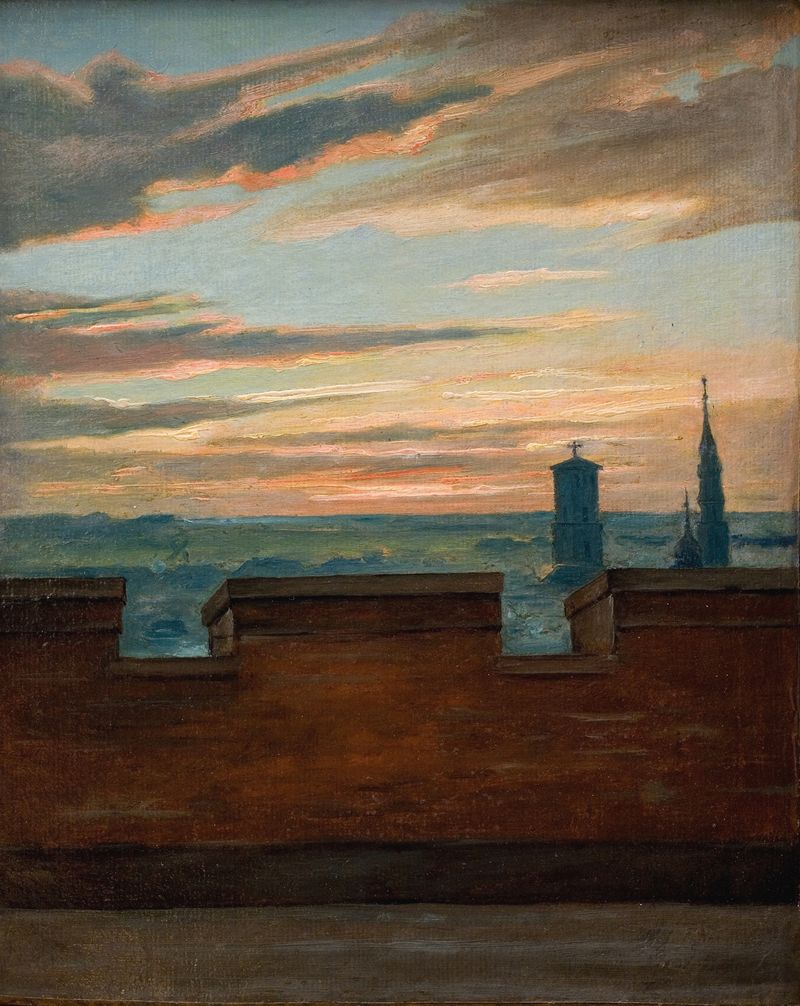
View of Copenhagen at Sunset
Martinus Rørbye
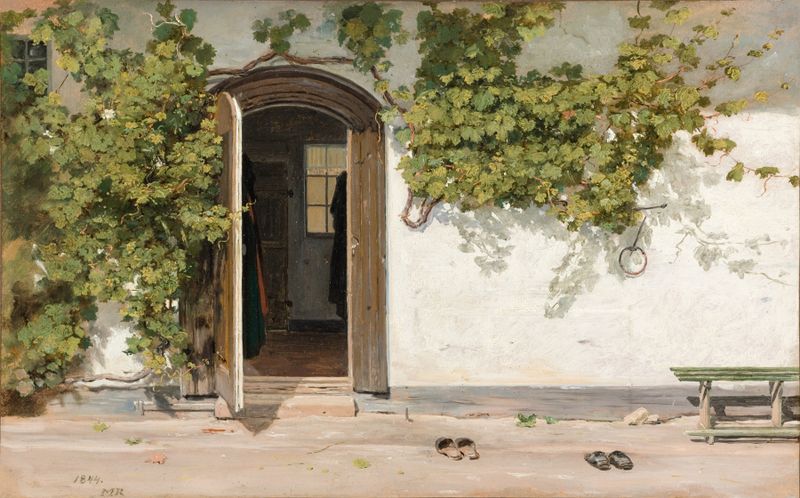
Entrance to an Inn in the Praestegarden at Hillested
Martinus Rørbye
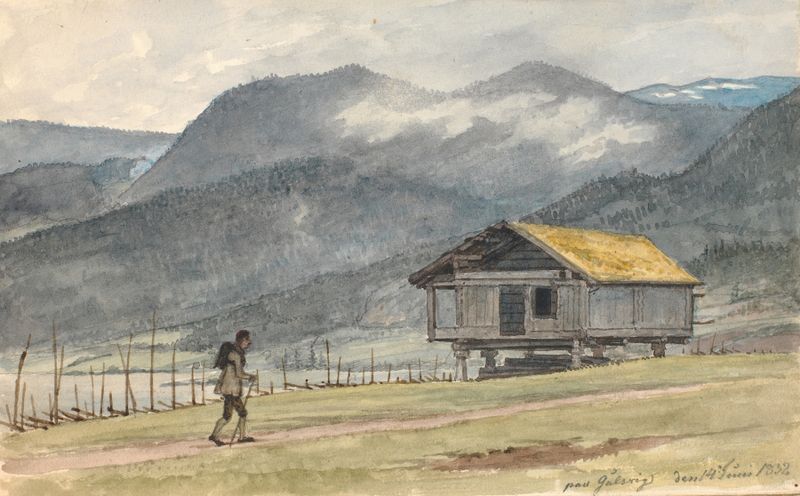
Fjeldlandskab med hytte og vandrer
Martinus Rørbye
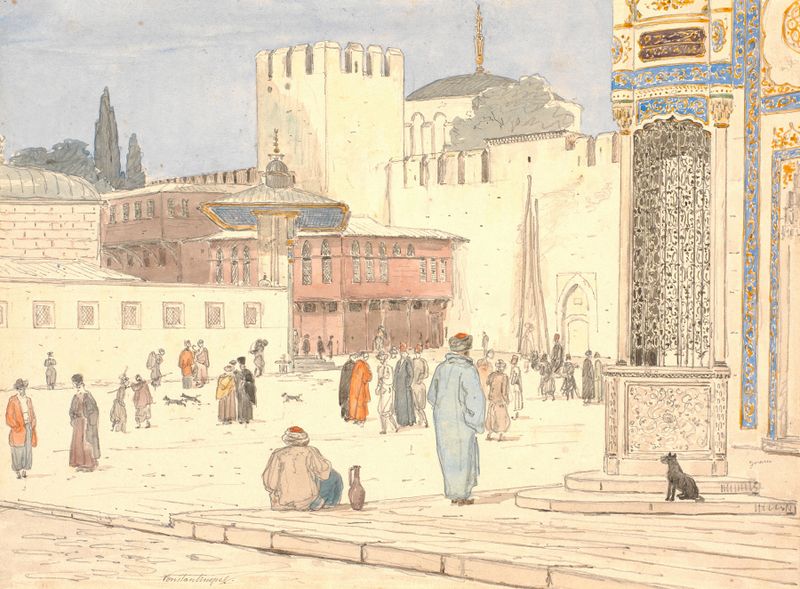
The Square in Front of Bab-i-Hümayan in Constantinople
Martinus Rørbye
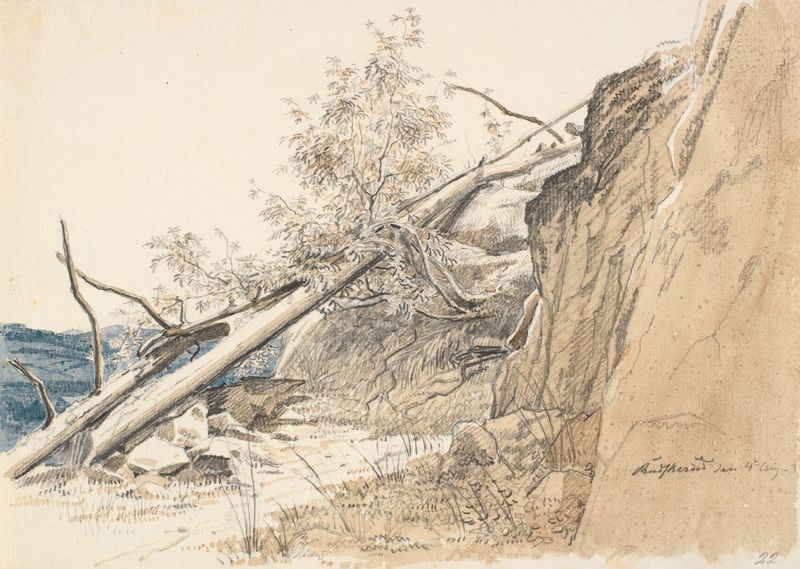
Tree Trunk Leaning Against a Rock. Norway
Martinus Rørbye
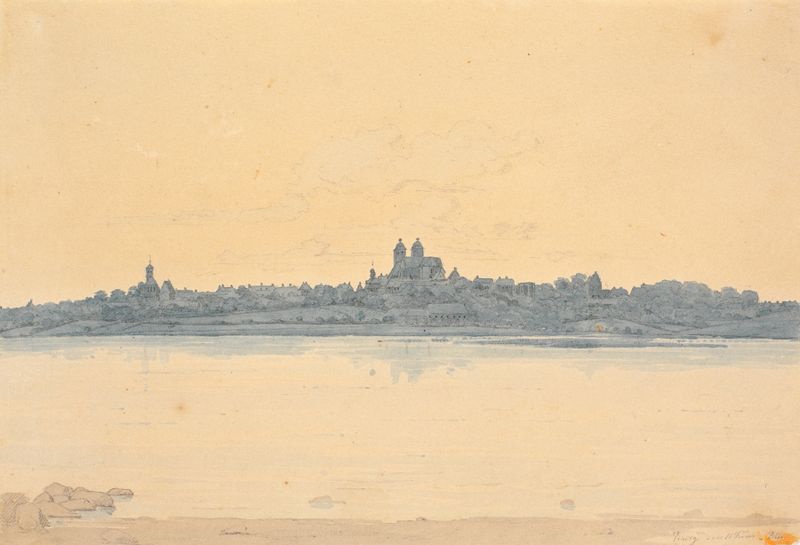
Viborg Seen from Asmild Klosterhave near Søndersø
Martinus Rørbye
More Historical Art
Browse all →
The Night Watch Militia Company of District II under the Command of Captain Frans Banninck Cocq
Rembrandt van Rijn

Lincoln Memorial
Henry Bacon

The Third of May 1808
Francisco de Goya

Isaac and Rebecca, Known as ‘The Jewish Bride’
Rembrandt van Rijn

The Charge of the Mamelukes (1814)
Francisco de Goya

De vier ruiters van de apocalyps
Albrecht Dürer