Green Door, Santa Maria della Salute — History & Facts
Did the painter know this moment would outlive them? The quiet intimacy of a fleeting scene captured in stillness speaks not just to the artist’s hand, but to the enduring nature of truth in art. Look to the left at the bold green door, its surface textured and weathered, inviting you into a world beyond. Notice how the sunlight filters through the branches of the nearby trees, casting dappled shadows that dance across the warm, earthy tones of the surrounding architecture. The juxtaposition of dark and light creates a harmonious balance, drawing the viewer’s gaze to the door while simultaneously revealing the intricate details of the façade behind it. As you explore further, consider the emotional weight of the scene.
The door stands as a threshold — a barrier between the outside world and hidden depths of human experience. The foliage hints at life beyond the threshold, contrasting with the stillness of the doorway, evoking a sense of anticipation and longing. This interplay of openness and closure reflects the artist’s understanding of truth, capturing a moment rife with unspoken stories. In 1904, John Singer Sargent painted this piece during a time of great artistic exploration and transition.
Living in Europe and deeply influenced by the Impressionist movement, he sought to capture fleeting moments with a unique clarity. The world was evolving, yet the essence of human emotion remained constant, a theme that resonated powerfully through his work.
More Artworks by John Singer Sargent
Browse all →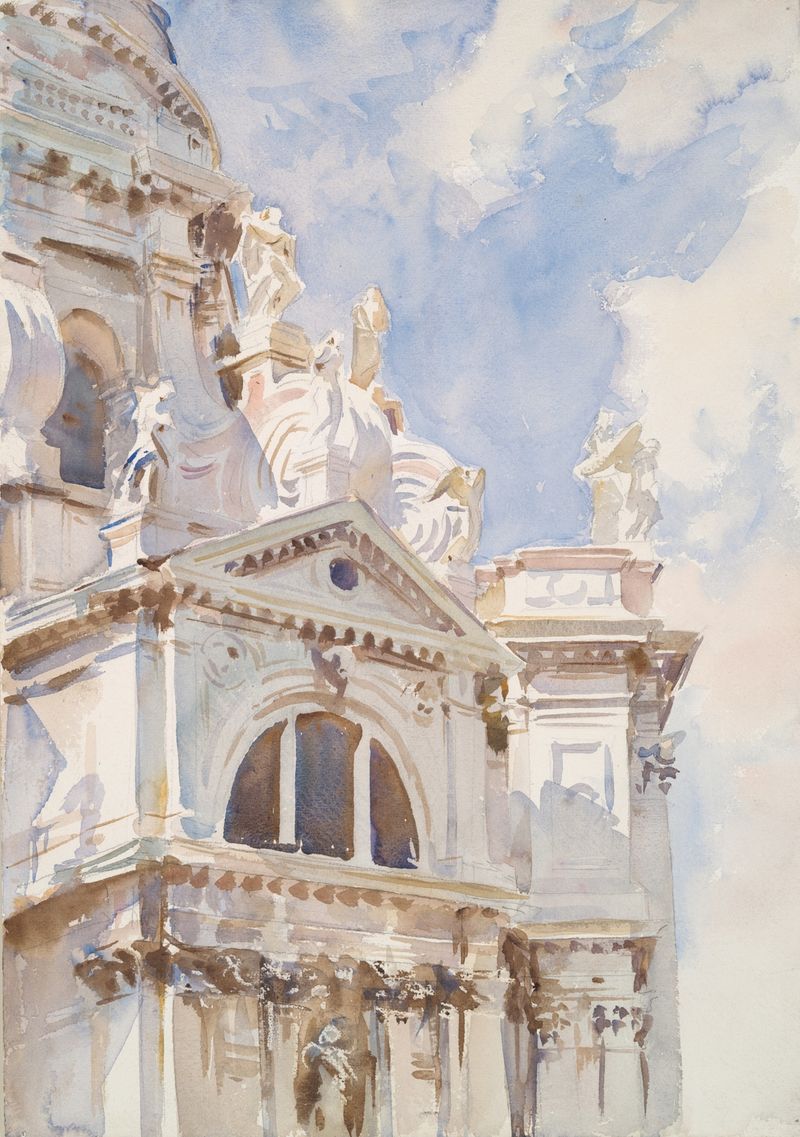
The Salute, Venice
John Singer Sargent

Mrs. Charles Deering (Marion Denison Whipple)
John Singer Sargent
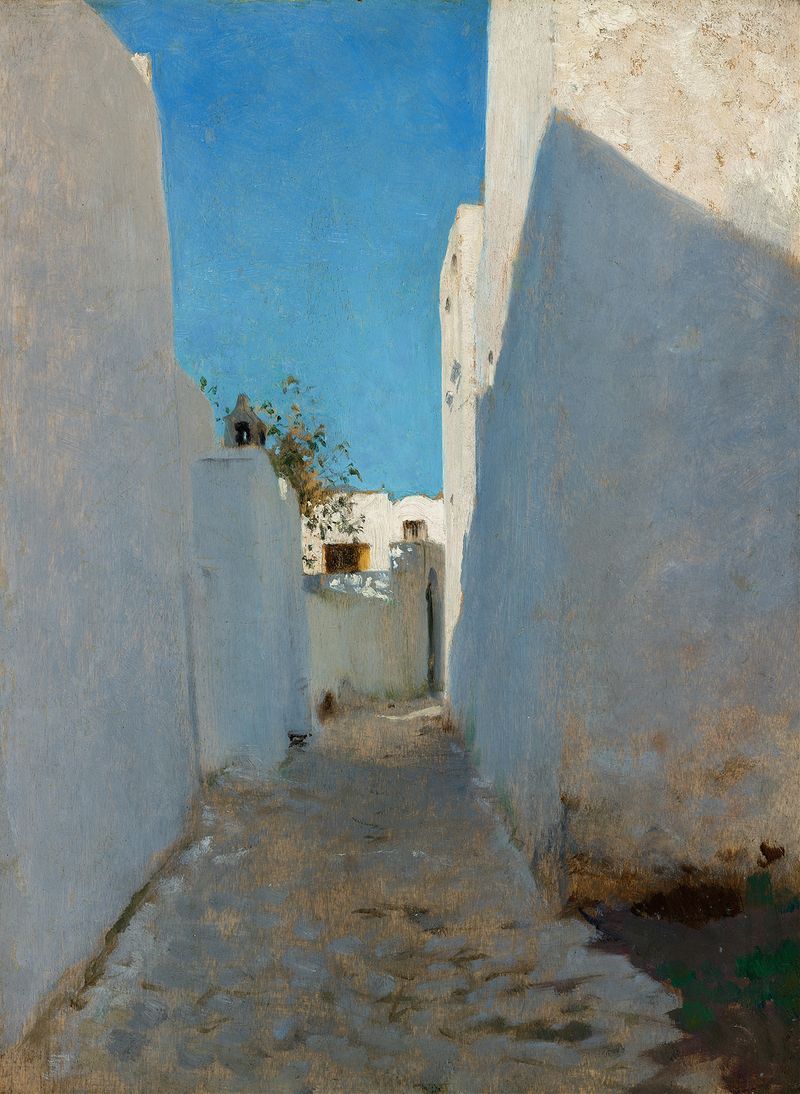
A Moroccan Street Scene
John Singer Sargent
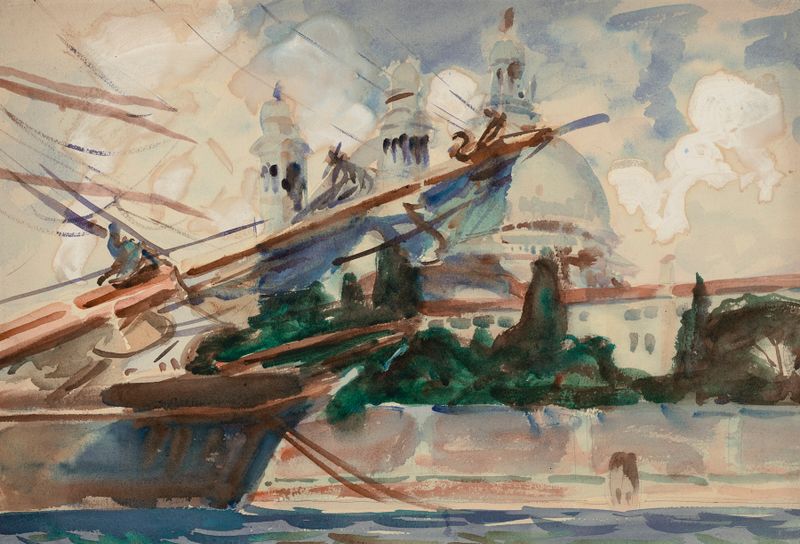
The Salute, Venice
John Singer Sargent
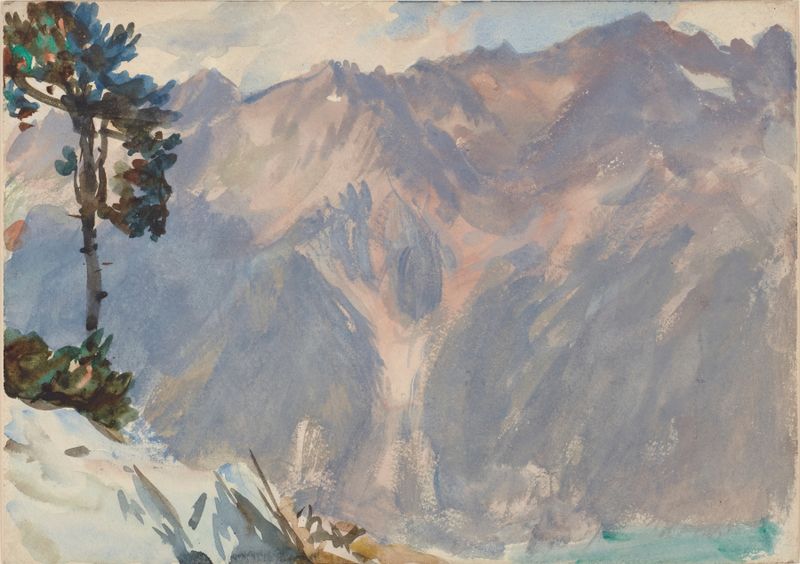
Tyrol
John Singer Sargent
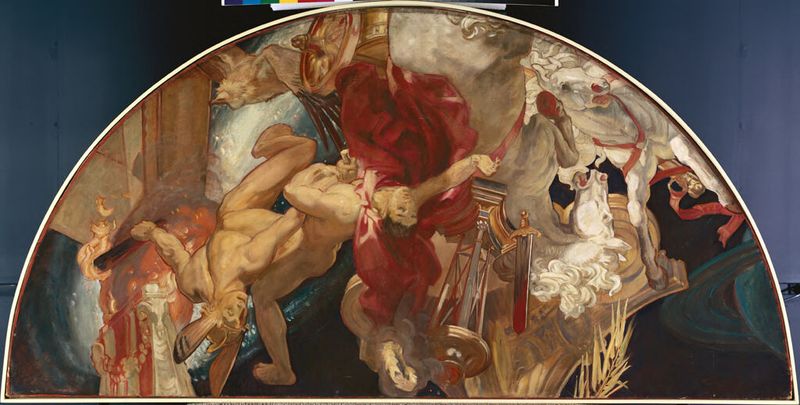
Study for "Gog and Magog," for the Boston Public Library
John Singer Sargent
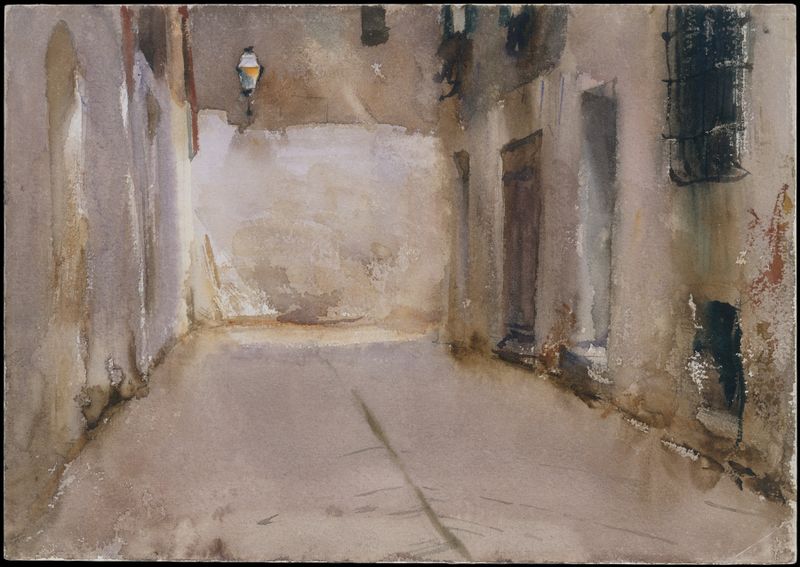
Venice
John Singer Sargent
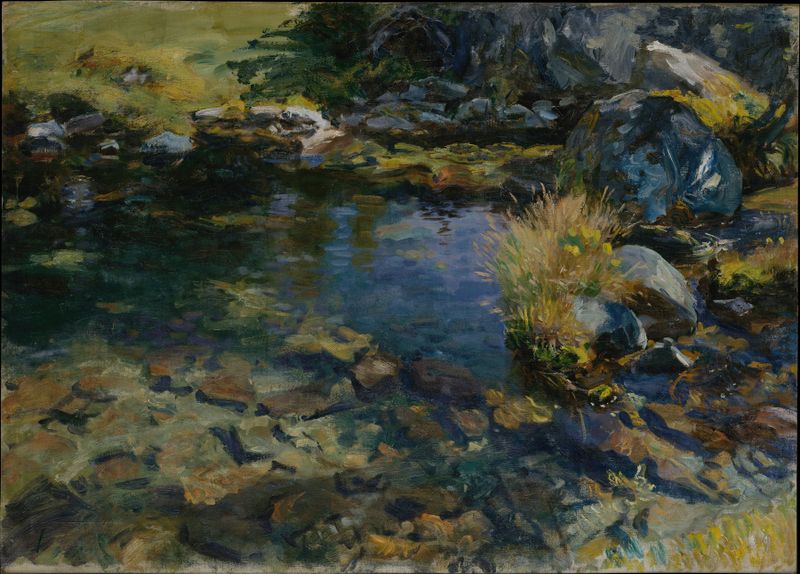
Alpine Pool
John Singer Sargent
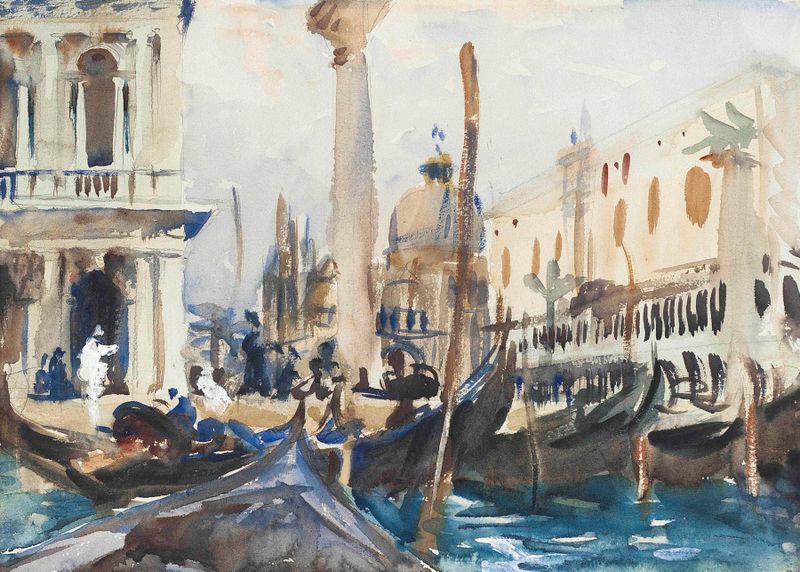
The Piazzetta with Gondolas
John Singer Sargent
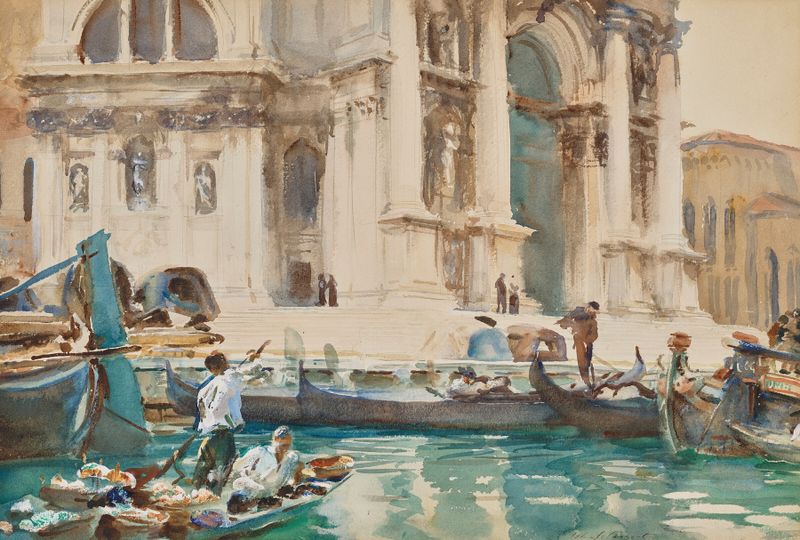
The Façade of La Salute, Venice
John Singer Sargent