
Greenwich Hospital — History & Facts
What if silence could speak through light? In Greenwich Hospital, tranquility envelops every surface, whispering the stories of those who have sought solace within its walls. Look to the left at the soft, golden glow that bathes the hospital's ancient stones, revealing intricate textures and the passage of time. Notice how the dappled sunlight filters through the trees, creating a harmonious interplay between shadow and illumination. The careful composition draws your gaze toward the serene figures gathered in the courtyard, their stillness contrasting beautifully with the lively greens of the surrounding landscape. Delve deeper into the emotional layers of the scene: the juxtaposition of the hospital's stately architecture and the gentle presence of its visitors evokes a sense of peace amidst the chaos of life.
Each figure, lost in thought or conversation, embodies the calm that prevails here. The artist's choice of muted colors reinforces the theme of serenity, while the subtle play of light speaks to healing and hope, suggesting that even in silence, profound connections are formed. Edmund Walker painted Greenwich Hospital in 1852 during a period when the British art scene was increasingly embracing both realism and emotional depth. Living and working in London, he was influenced by the movement towards capturing everyday life with a focus on both its beauty and its struggles.
This painting reflects not just his artistic evolution but also the growing appreciation for spaces that offer refuge and healing in a rapidly changing society.
More Artworks by Edmund Walker
Browse all →
A View of London Bridge
Edmund Walker
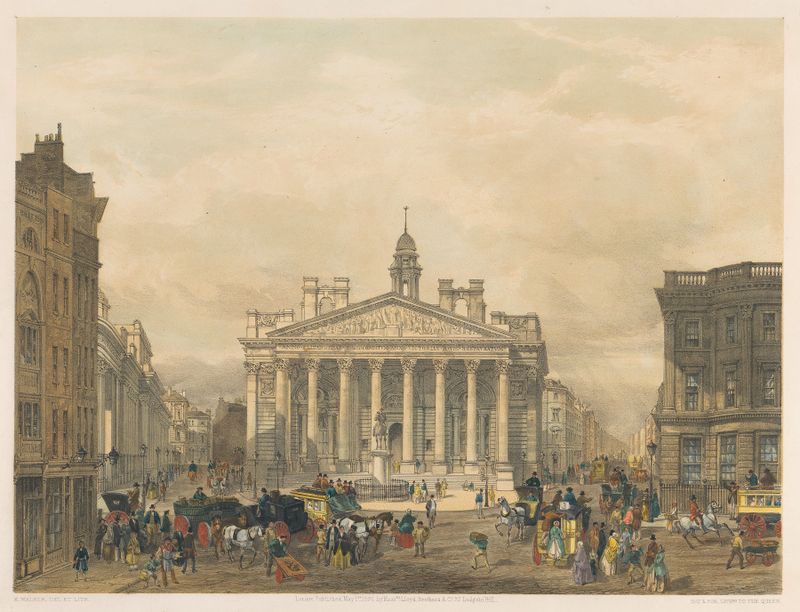
The Royal Exchange and the Bank of England
Edmund Walker
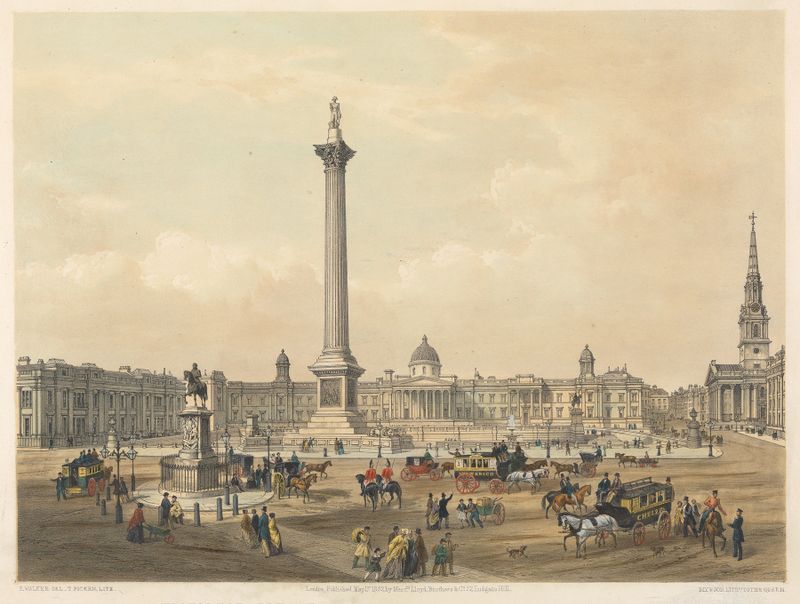
Trafalgar Square, with the National Gallery and St. Martin’s Church
Edmund Walker
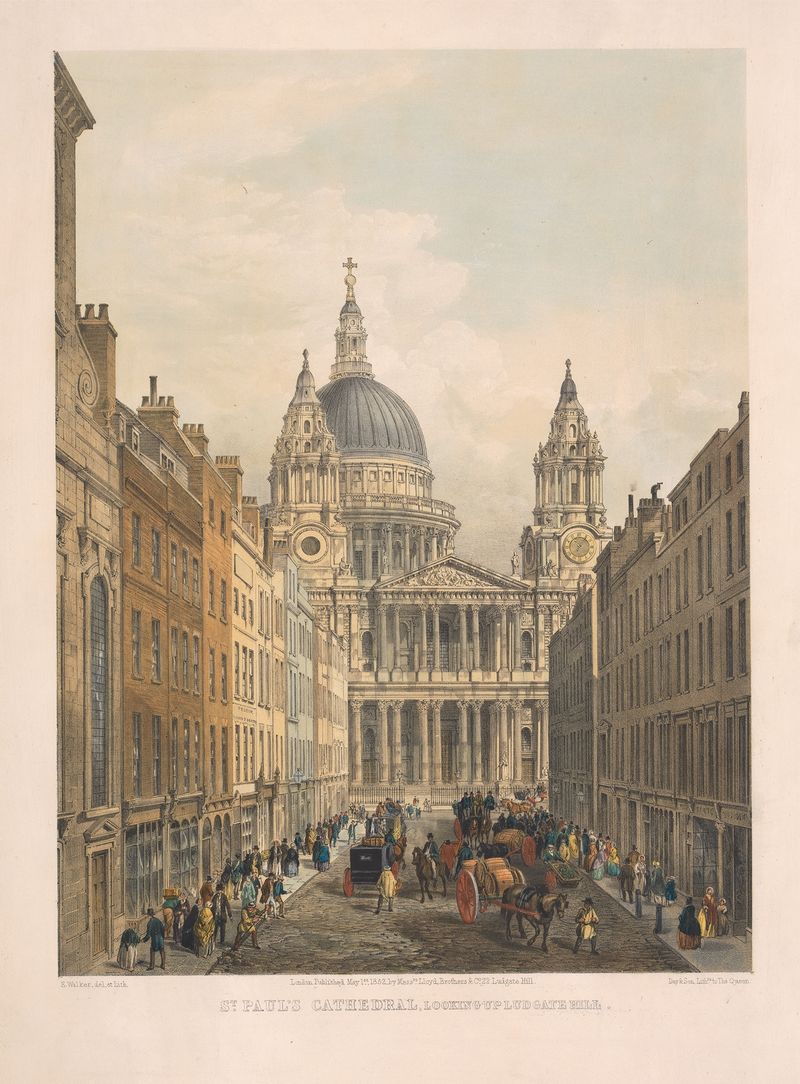
St. Paul’s Cathedral, looking up Ludgate Hill
Edmund Walker
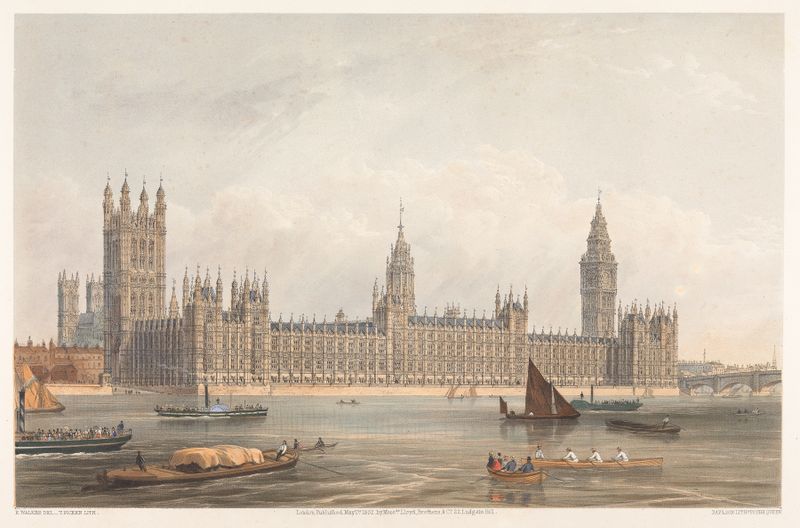
The New Houses of Parliament
Edmund Walker
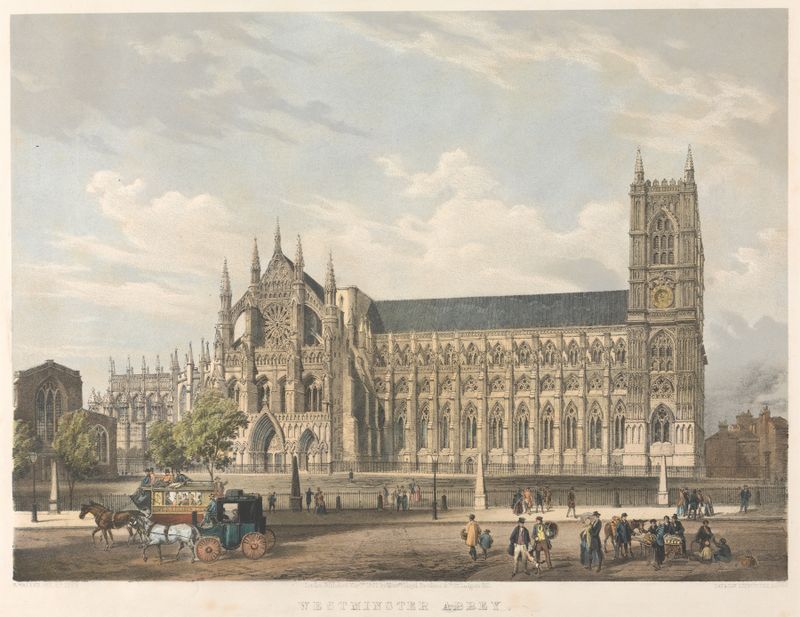
Westminster Abbey
Edmund Walker
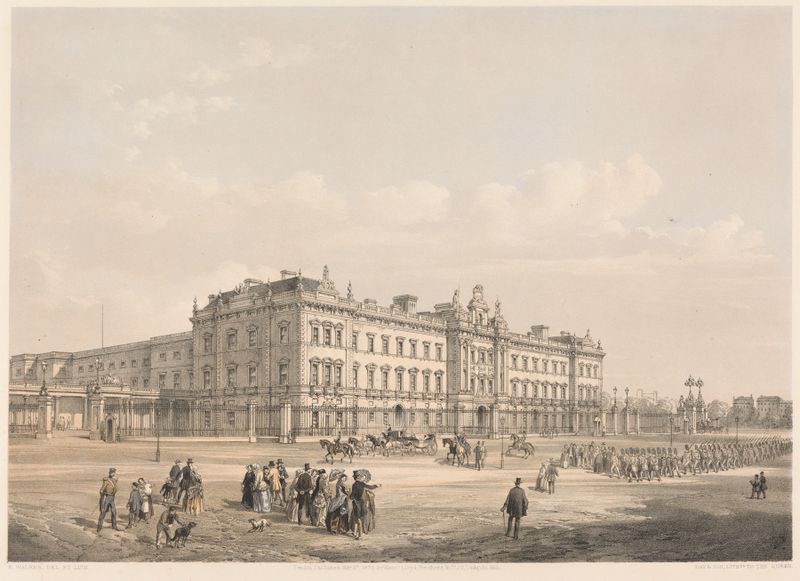
Buckingham Palace
Edmund Walker

London Bridge from above Bridge
Edmund Walker

The British Museum
Edmund Walker





