
St. Paul’s Cathedral, looking up Ludgate Hill — History & Facts
Could beauty survive in a century of chaos? In St. Paul’s Cathedral, looking up Ludgate Hill, the answer unfolds amidst towering stone and ethereal light, suggesting that even in tumult, legacy endures. Focus on the majestic dome that dominates the skyline, its intricate details carved in stone, standing resolute against the backdrop of a bustling city. Notice how the artist captures the sunlight filtering through clouds, illuminating the dome's grandeur while casting playful shadows on the surrounding architecture.
The perspective draws your gaze upward, emphasizing the cathedral's towering presence and inviting a sense of awe and reverence for both the structure and the artist's skill. The juxtaposition of the serene beauty of the cathedral with the chaotic environment of mid-19th century London speaks volumes. Each brick and spire tells a story of resilience, while the muted colors suggest both nostalgia and hope. The bustling life at the street level, though not depicted, resonates through the stillness of the cathedral, symbolizing the enduring strength of faith amid societal upheaval.
This moment captures the tension between the sacred and the mundane, highlighting the cathedral not merely as a structure but as a living testament to human aspiration. Edmund Walker created this piece in 1852, a period marked by rapid industrialization and social change in England. It reflects his fascination with architecture and urban landscapes while the world around him grappled with the effects of the Industrial Revolution. The artwork stands as a reminder of cultural heritage in a time when the foundations of society were shifting, allowing the legacy of past beauty to shine through the chaos.
More Artworks by Edmund Walker
Browse all →
A View of London Bridge
Edmund Walker
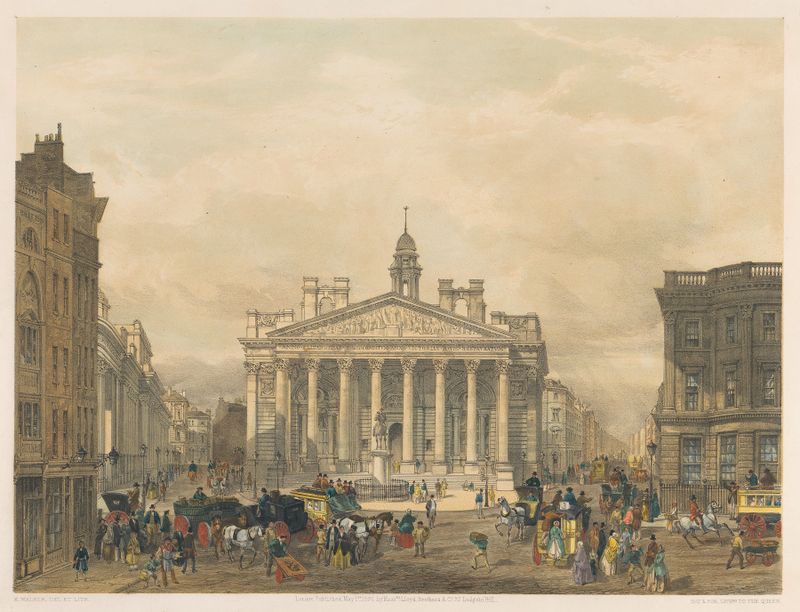
The Royal Exchange and the Bank of England
Edmund Walker
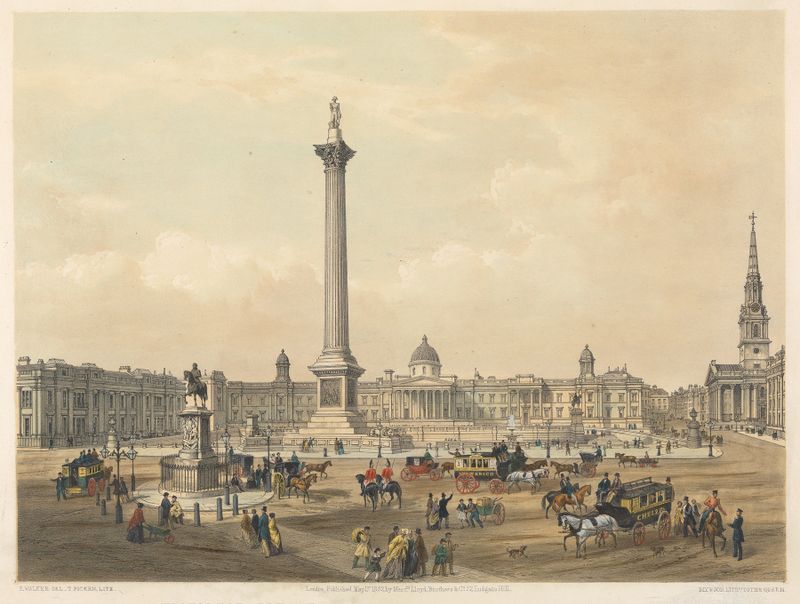
Trafalgar Square, with the National Gallery and St. Martin’s Church
Edmund Walker
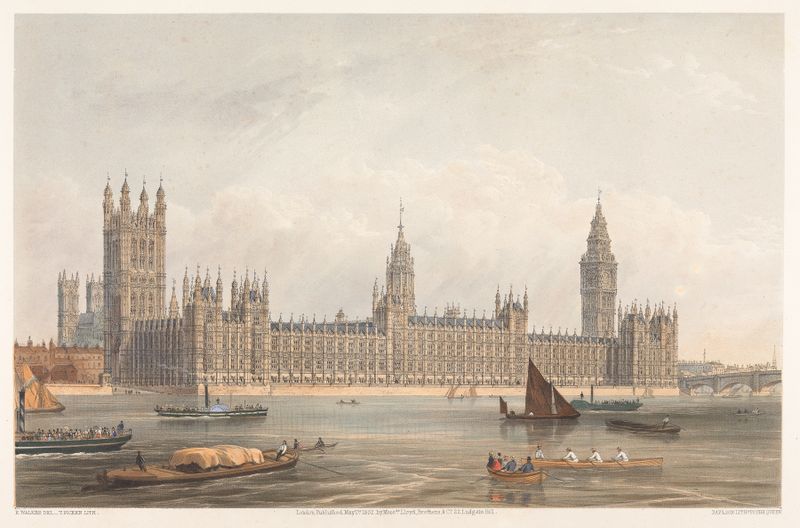
The New Houses of Parliament
Edmund Walker
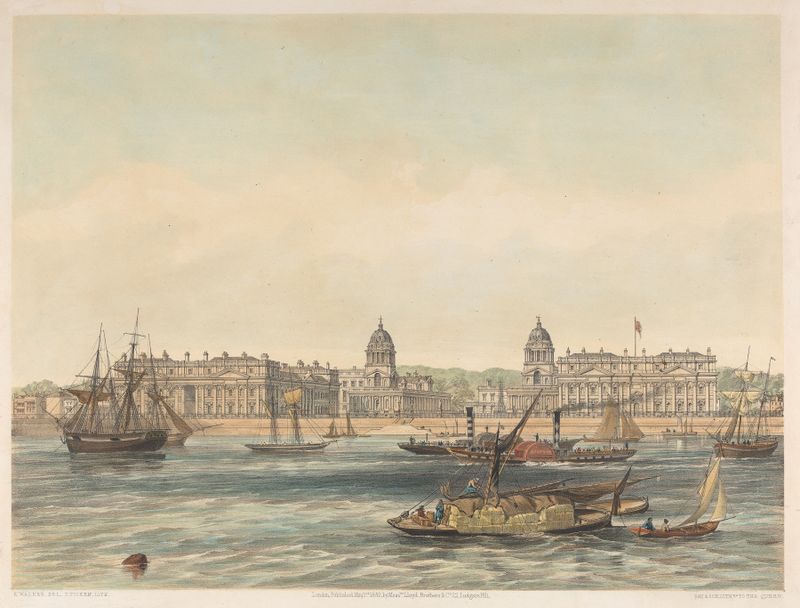
Greenwich Hospital
Edmund Walker
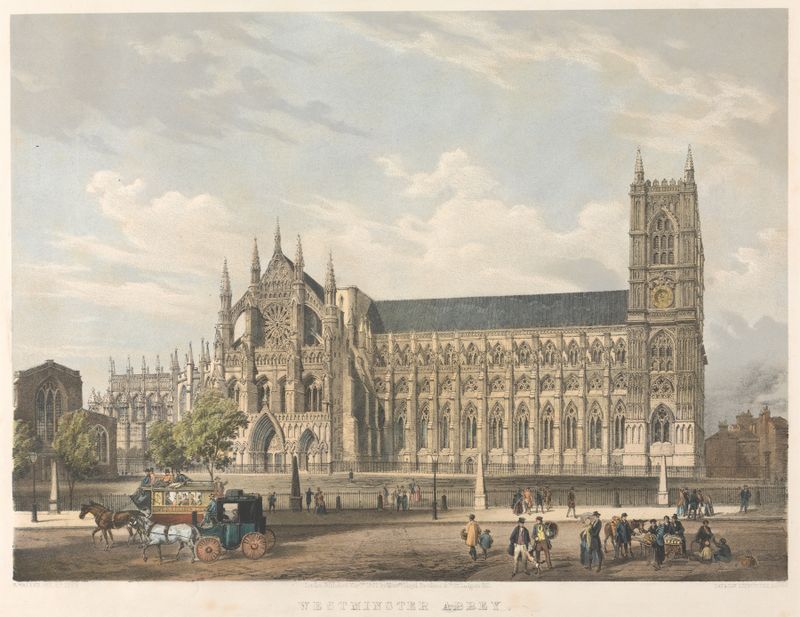
Westminster Abbey
Edmund Walker
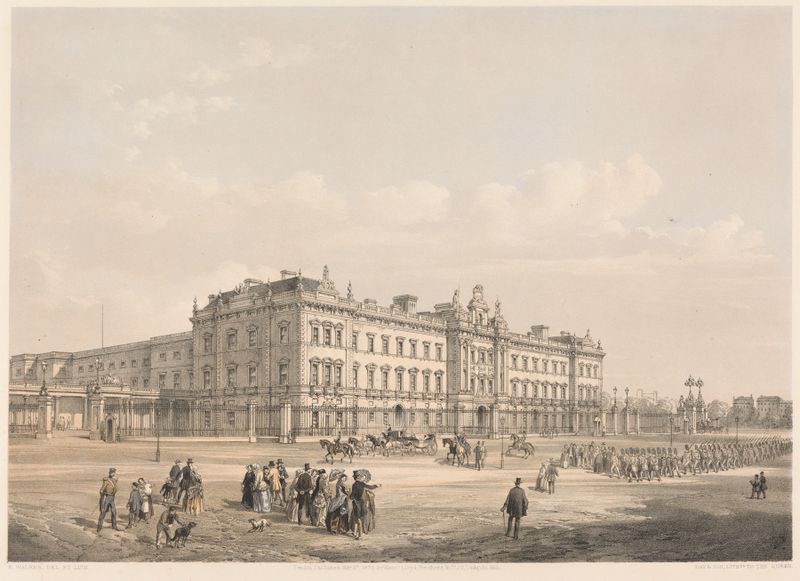
Buckingham Palace
Edmund Walker

London Bridge from above Bridge
Edmund Walker

The British Museum
Edmund Walker
More Architecture Art
Browse all →
The statue of Liberty
Frédéric Auguste Bartholdi

View of Houses in Delft, Known as ‘The Little Street’
Johannes Vermeer

View of Houses in Delft, Known as ‘The Little Street’
Johannes Vermeer

The Cathedral in Rouen. The portal, Grey Weather
Claude Monet

The yellow house
Vincent van Gogh

The Church in Auvers-sur-Oise, View from the Chevet
Vincent van Gogh