
The British Museum — History & Facts
Look to the center of the canvas, where an intricate interplay of shadows and light reveals the grand architecture of a museum, poised like a silent guardian of history. The muted palette of earthy tones invites you to explore the depth of the structure, while delicate strokes suggest the ebb and flow of time. The meticulous detail draws your gaze—note the ornate columns, their stoic presence contrasting with the fleeting moments of visitors captured in flickering strokes of movement at the edges. As you delve deeper, consider the juxtaposition of grandeur and intimacy.
The museum, a symbol of enlightenment, stands in stark contrast to the fleeting glances exchanged among the figures. Each visitor embodies a story, yet their anonymity hints at a deeper alienation—a betrayal of connection amidst the pursuit of knowledge. The artist’s brushwork conveys the tension between collective aspiration and individual solitude, echoing the duality of the human experience within the hallowed walls of art and history. Edmund Walker painted this piece during a time of evolving artistic expression, likely in the late 19th century when the art world was witnessing movements that challenged traditional forms.
The British Museum, as a subject, reflects a cultural reverence for history and heritage, capturing the spirit of an era increasingly fascinated with the past. It was a period marked by both artistic innovation and societal upheaval, directly influencing Walker's representation of space and emotion in his work.
More Artworks by Edmund Walker
Browse all →
A View of London Bridge
Edmund Walker
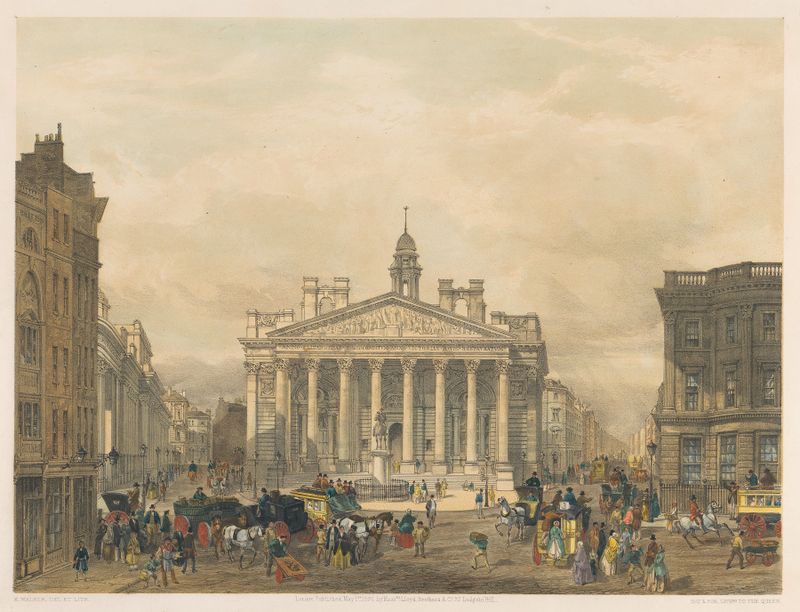
The Royal Exchange and the Bank of England
Edmund Walker
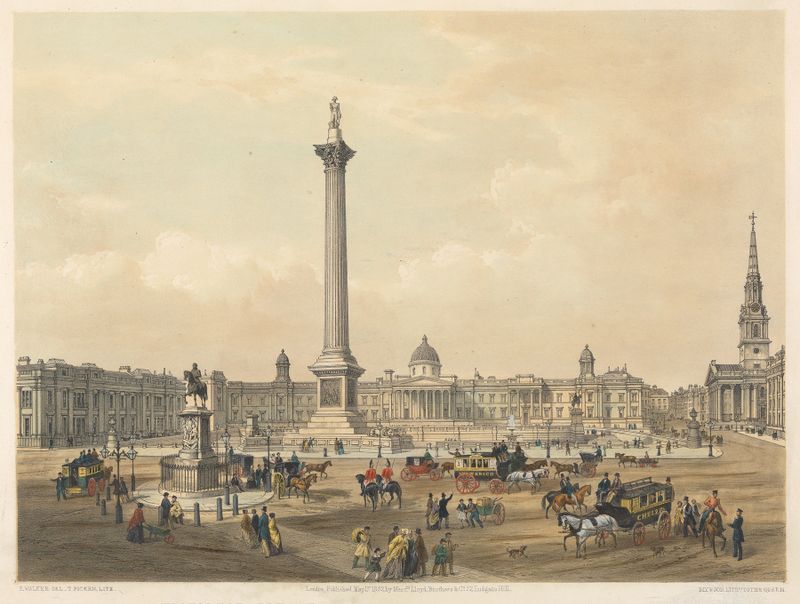
Trafalgar Square, with the National Gallery and St. Martin’s Church
Edmund Walker
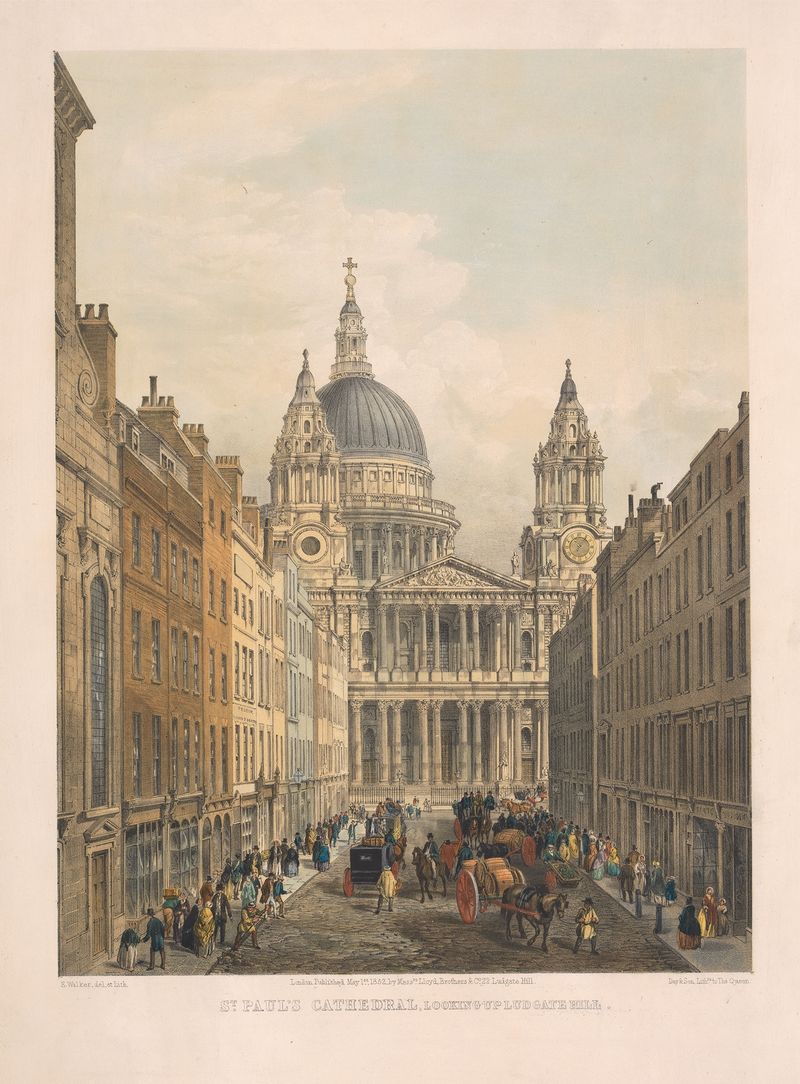
St. Paul’s Cathedral, looking up Ludgate Hill
Edmund Walker
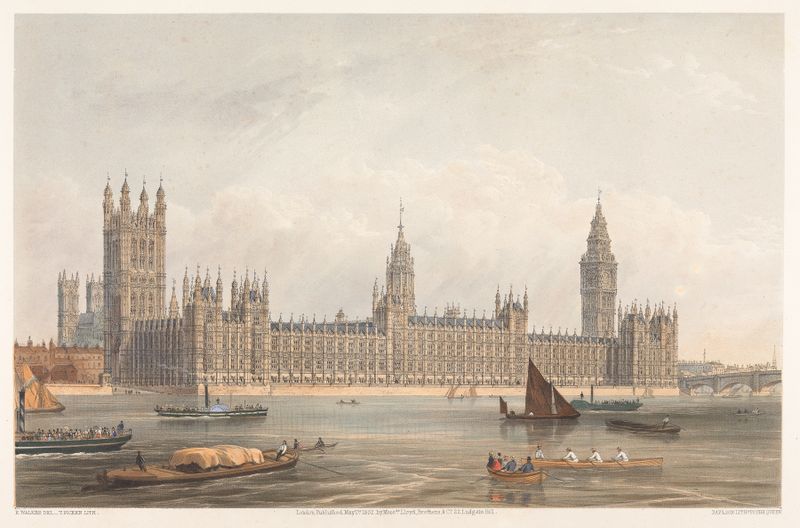
The New Houses of Parliament
Edmund Walker
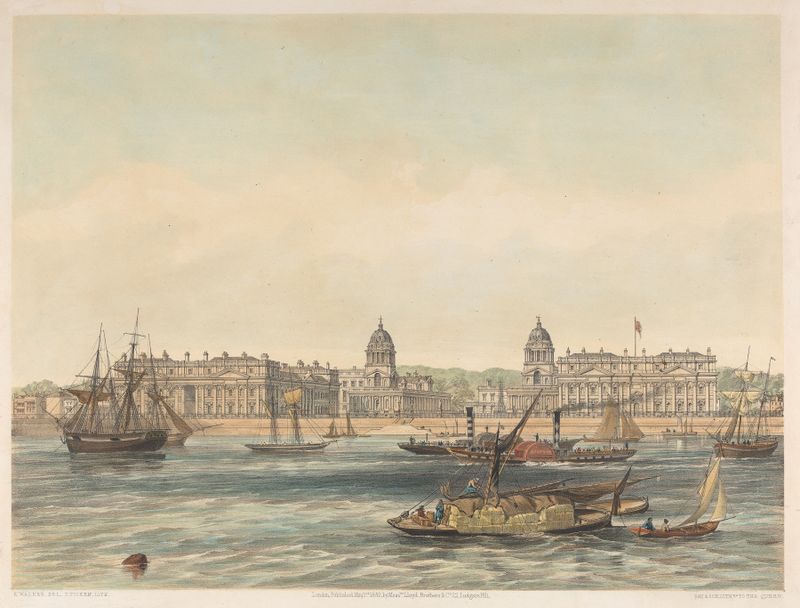
Greenwich Hospital
Edmund Walker
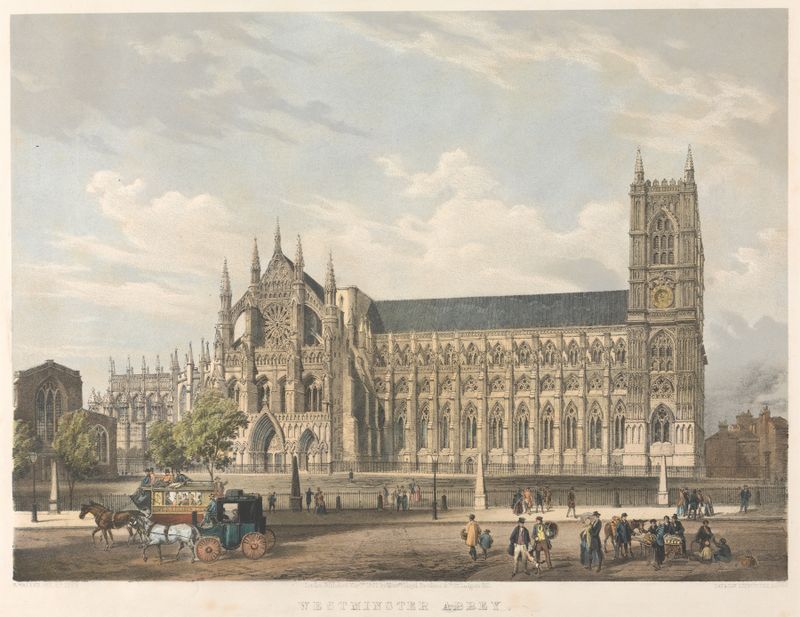
Westminster Abbey
Edmund Walker
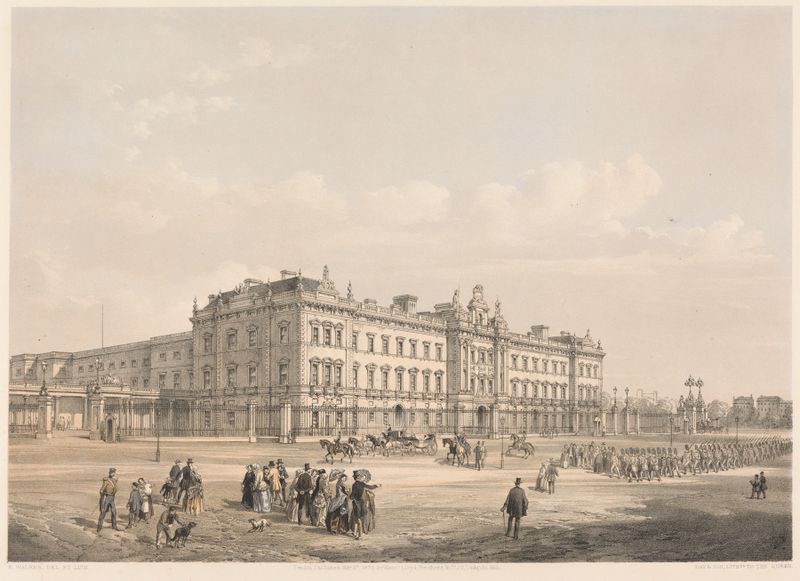
Buckingham Palace
Edmund Walker

London Bridge from above Bridge
Edmund Walker
More Architecture Art
Browse all →
The statue of Liberty
Frédéric Auguste Bartholdi

View of Houses in Delft, Known as ‘The Little Street’
Johannes Vermeer

View of Houses in Delft, Known as ‘The Little Street’
Johannes Vermeer

The Cathedral in Rouen. The portal, Grey Weather
Claude Monet

The yellow house
Vincent van Gogh

The Church in Auvers-sur-Oise, View from the Chevet
Vincent van Gogh