
Trafalgar Square, with the National Gallery and St. Martin’s Church — History & Facts
Can paint confess what words never could? In Trafalgar Square, with the National Gallery and St. Martin’s Church, the ethereal quality of a dreamscape unfolds, inviting you to wander through a world suspended between reality and imagination. Look closely at the foreground, where figures converge, their movements fluid yet deliberate. Notice how the soft brushstrokes create a gentle rhythm, leading your eye upward towards the grandeur of the National Gallery.
The interplay of light and shadow across the buildings enhances the sense of depth, as the sky transitions from muted tones to brilliant hues, suggesting the fleeting nature of time and experience. Within this scene, contrasts deepen the narrative. The people, both vibrant and ghostly, evoke a sense of community yet isolation; their expressions seem lost in thought, hinting at untold stories. The towering spire of St.
Martin’s Church stands as a beacon, simultaneously a symbol of hope and a reminder of the transient nature of city life. Each element resonates with the passing of time—an invitation to reflect on our own fleeting moments. Edmund Walker painted this work in 1852, during a period marked by significant changes in London and the art world. The mid-19th century was a time of industrial transformation and burgeoning artistic movements, with the Pre-Raphaelites and other groups challenging the conventions of the past.
In this context, Walker sought to capture the essence of a bustling city while embedding his own unique vision, showcasing both the beauty and complexity of urban life.
More Artworks by Edmund Walker
Browse all →
A View of London Bridge
Edmund Walker
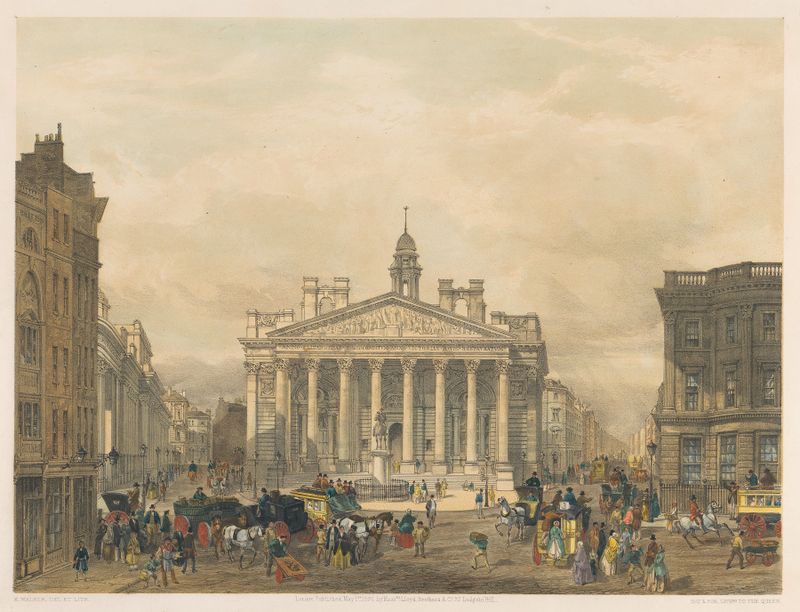
The Royal Exchange and the Bank of England
Edmund Walker
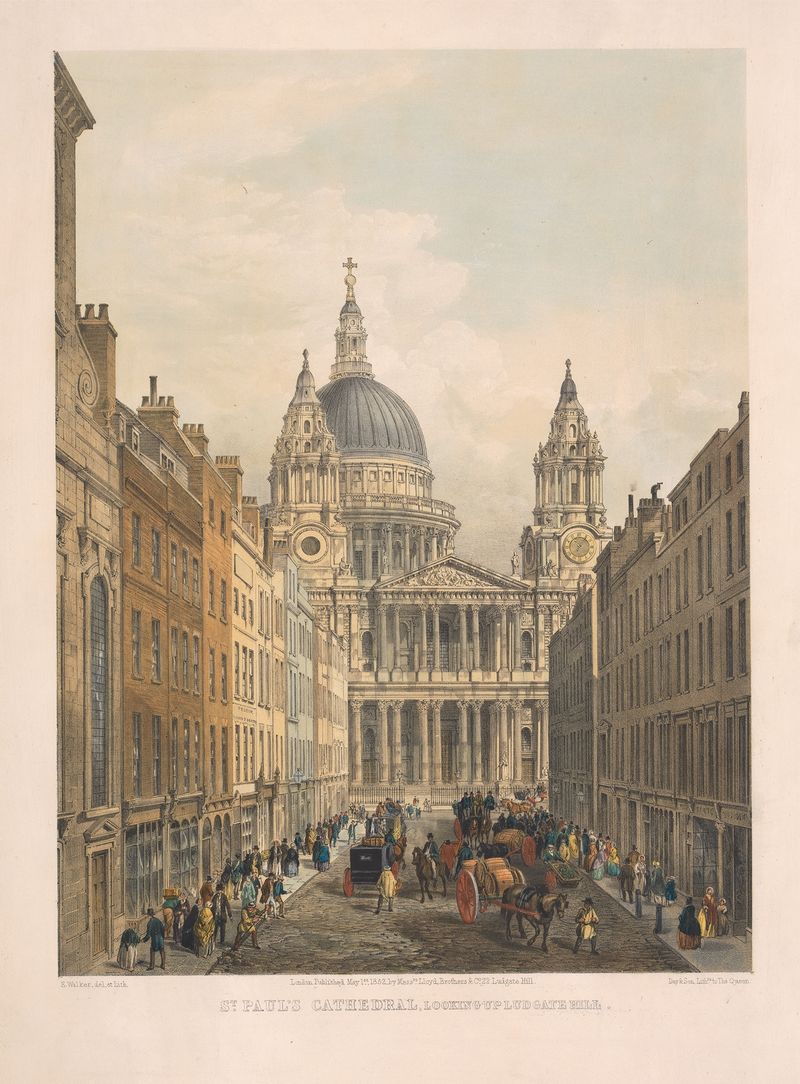
St. Paul’s Cathedral, looking up Ludgate Hill
Edmund Walker
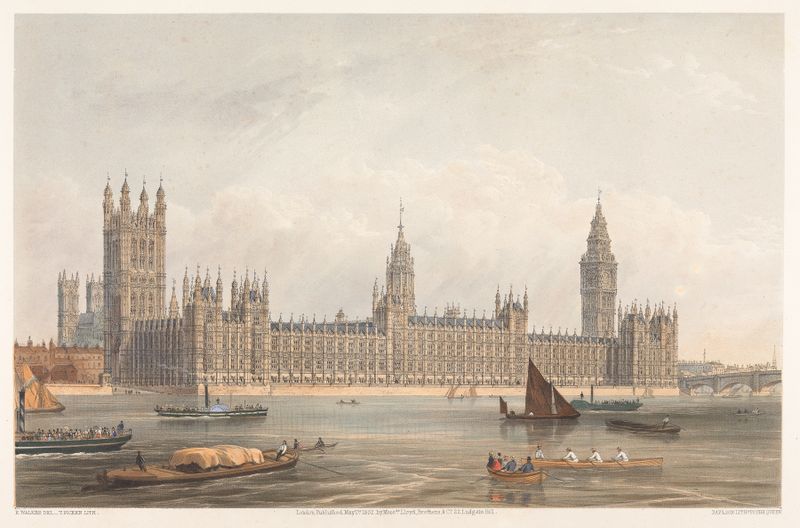
The New Houses of Parliament
Edmund Walker
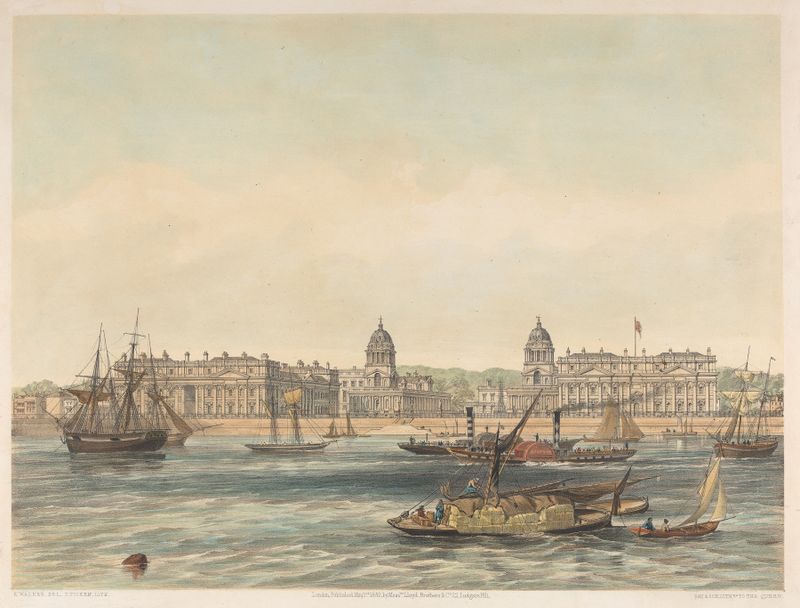
Greenwich Hospital
Edmund Walker
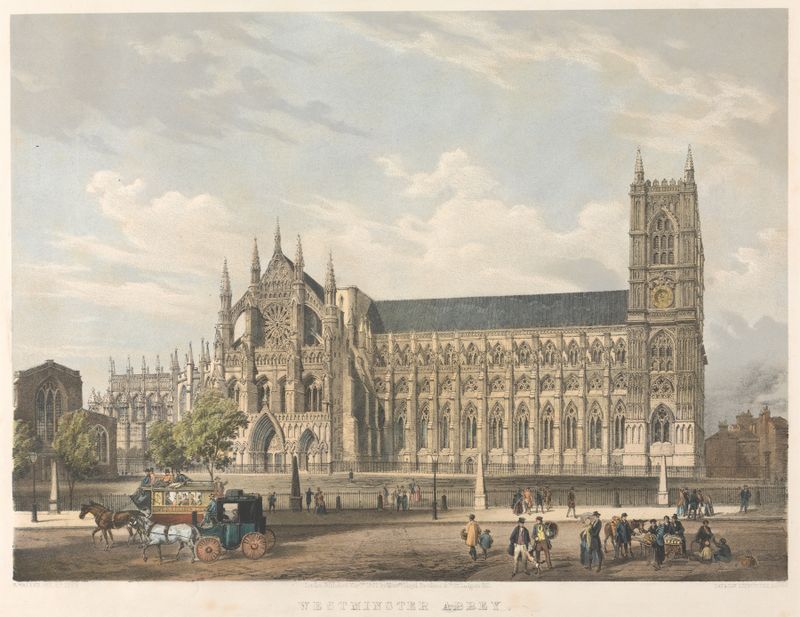
Westminster Abbey
Edmund Walker
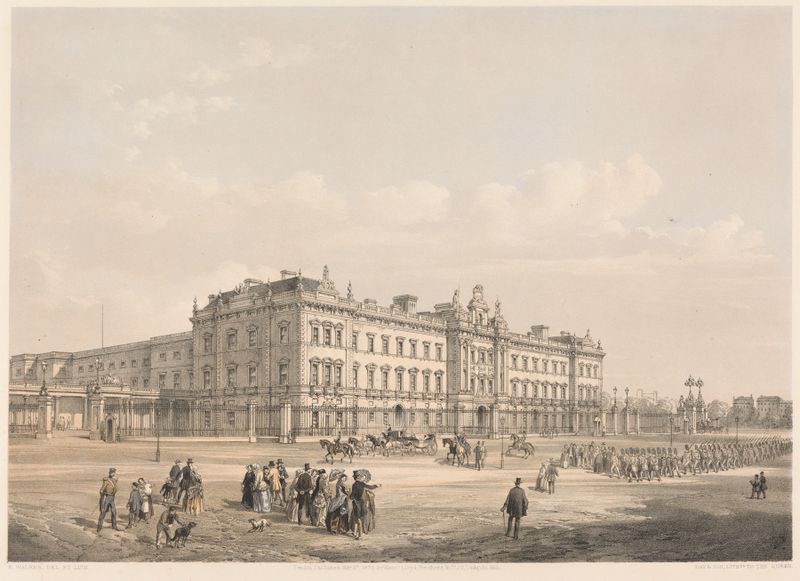
Buckingham Palace
Edmund Walker

London Bridge from above Bridge
Edmund Walker

The British Museum
Edmund Walker
More Architecture Art
Browse all →
The statue of Liberty
Frédéric Auguste Bartholdi

View of Houses in Delft, Known as ‘The Little Street’
Johannes Vermeer

View of Houses in Delft, Known as ‘The Little Street’
Johannes Vermeer

The Cathedral in Rouen. The portal, Grey Weather
Claude Monet

The yellow house
Vincent van Gogh

The Church in Auvers-sur-Oise, View from the Chevet
Vincent van Gogh