
Gregoriusmis — History & Facts
The interplay of movement in art captures the essence of life itself, transforming static moments into whispers of existence. How do we articulate the ethereal dance between the seen and unseen, the tangible and the imagined? Focus on the intricate details of the composition. The swirling lines and dynamic forms that radiate from the central figure invite the viewer to explore the vibrant energy captured in the piece.
Notice how the colors shift—rich earth tones juxtaposed with vivid highlights convey a sense of vitality, while Dürer’s masterful use of light creates a fluidity that breathes life into the stillness of the canvas. The movement here transcends mere gesture; it is an invitation to feel the very pulse of existence. Delve deeper into the artist's intent. The juxtaposition of chaos and harmony reveals tensions within the human experience, suggesting a struggle for balance amid the tumult of life.
Each stroke is alive with emotion, evoking a sense of urgency that resonates with the viewer. The swirling motifs may symbolize the complexities of emotion, urging us to embrace the chaos while seeking grace in our movements, both in art and in life. In 1503, while creating this work, Dürer was at a pivotal moment in his career, establishing himself as a leading figure of the Northern Renaissance. Living in Nuremberg, he was influenced by the burgeoning ideas of humanism and meticulous attention to detail.
His innovative approach to composition and form laid the groundwork for future generations, marking a significant transition in the art world that sought to merge realism with emotional depth.
More Artworks by Albrecht Dürer
Browse all →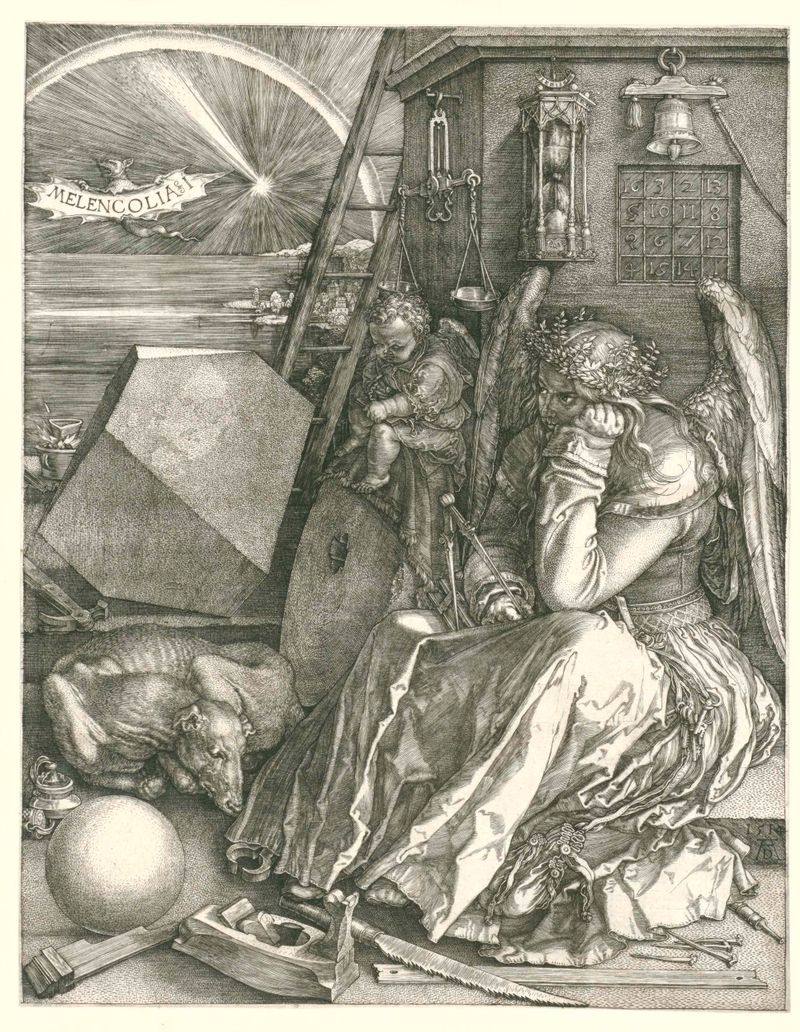
Melancholia
Albrecht Dürer
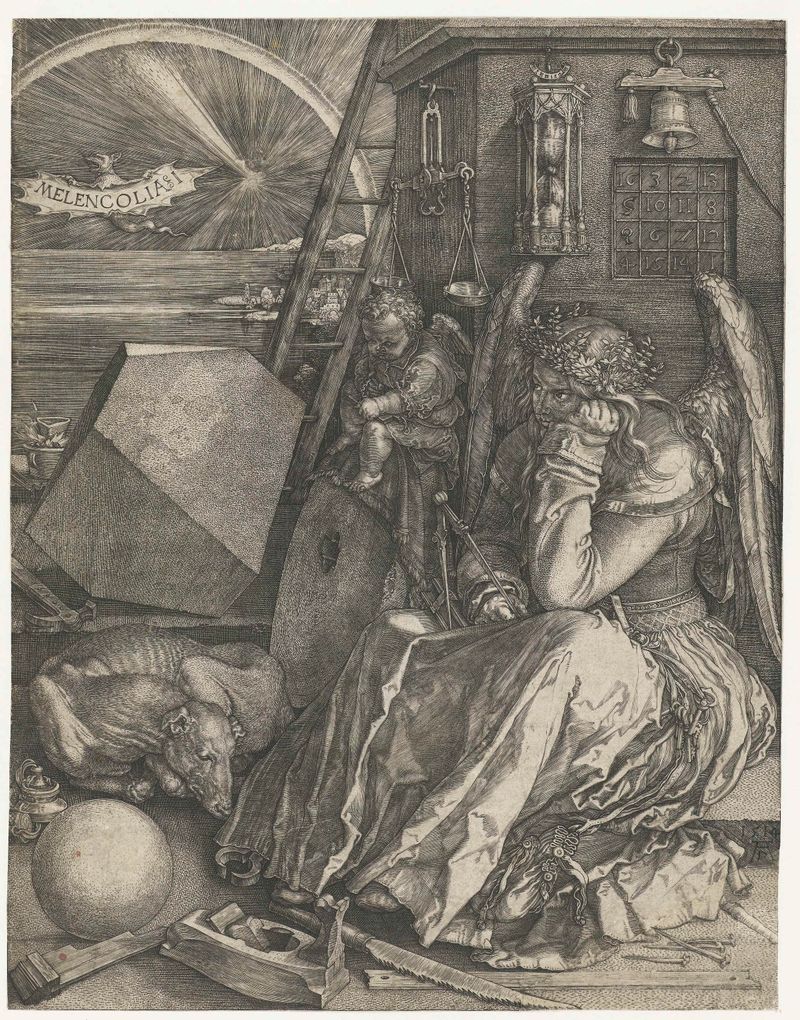
Melancholie
Albrecht Dürer

Neushoorn
Albrecht Dürer
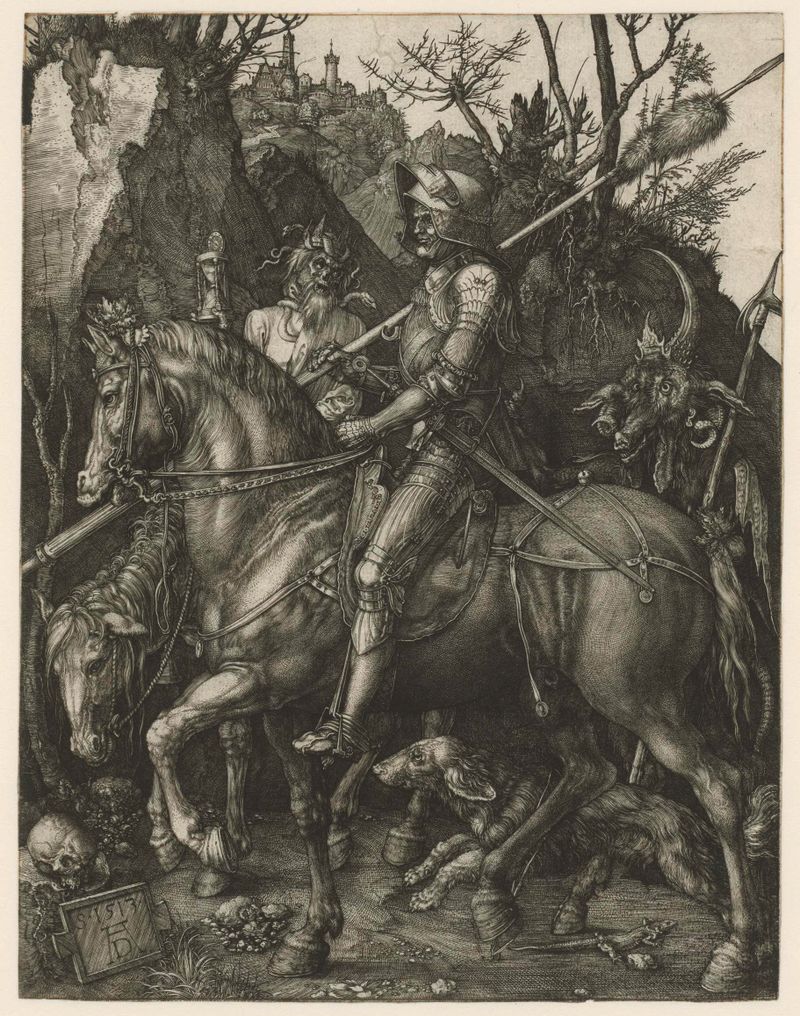
Knight, Death, and the Devil
Albrecht Dürer

De vier ruiters van de apocalyps
Albrecht Dürer

De vier ruiters van de apocalyps
Albrecht Dürer
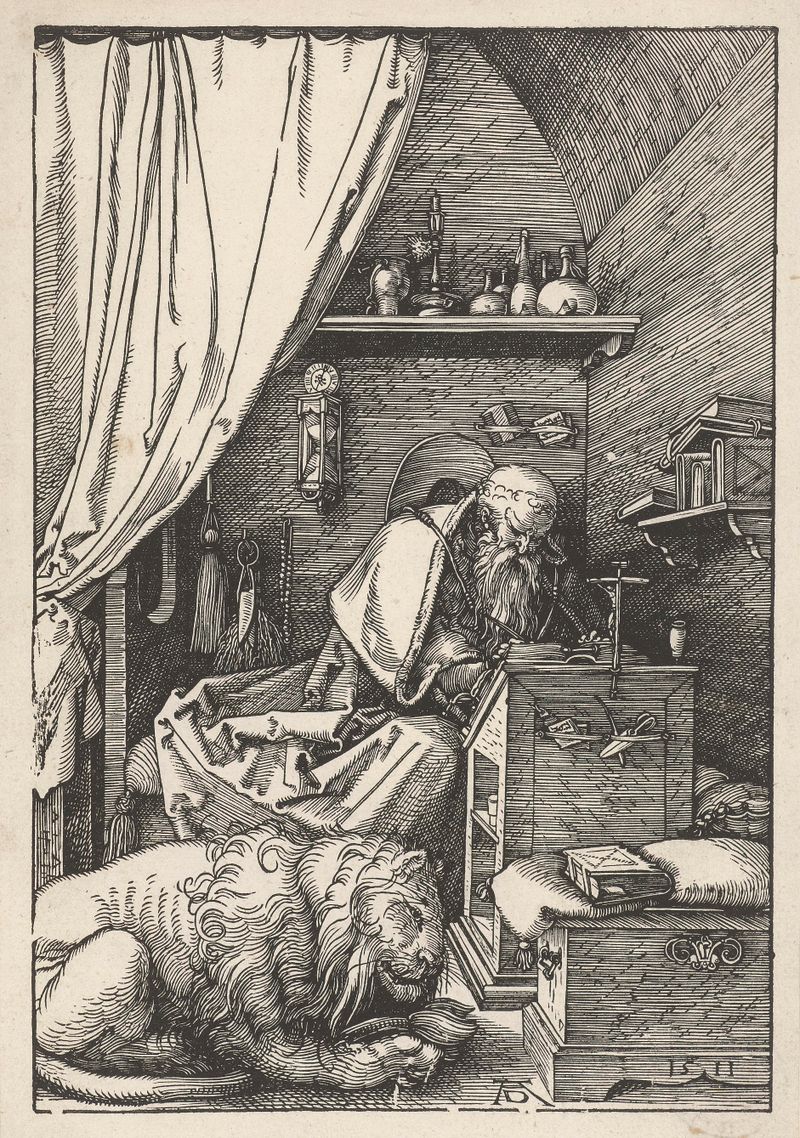
De Heilige Hiëronymus in zijn studeervertrek
Albrecht Dürer
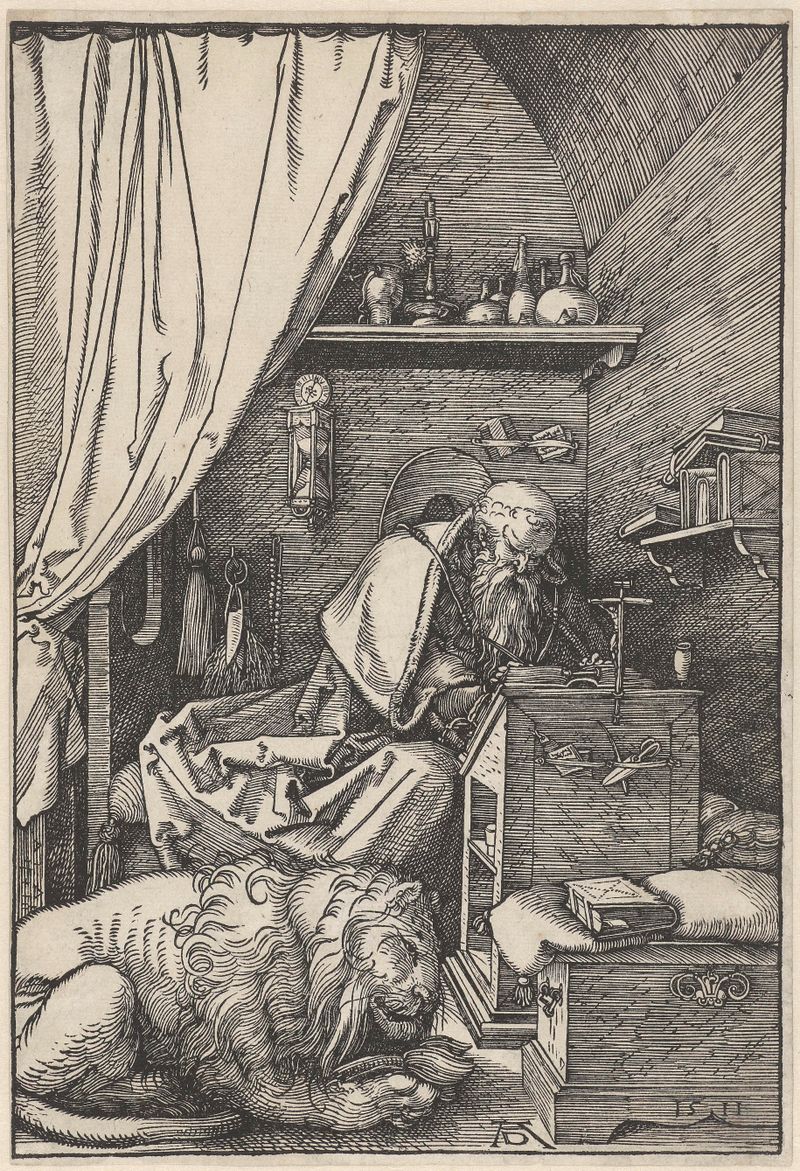
De Heilige Hiëronymus in zijn studeervertrek
Albrecht Dürer
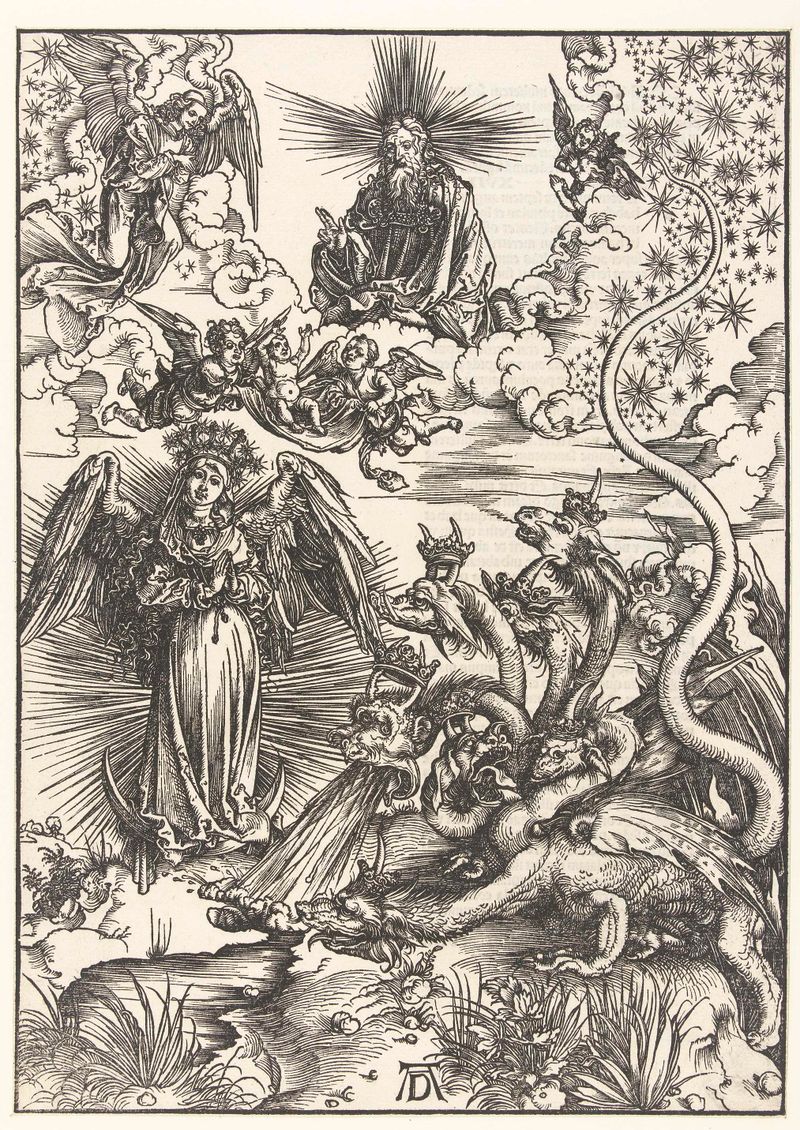
De apocalyptische vrouw en de zevenkoppige draak
Albrecht Dürer
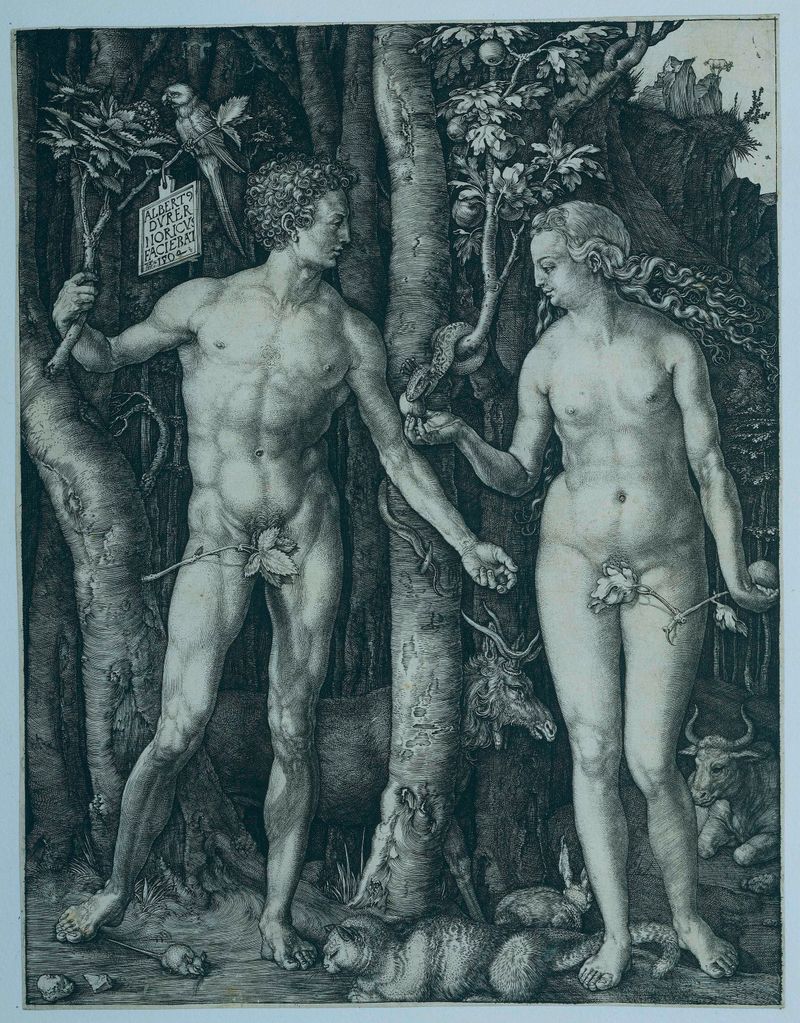
Adam en Eva
Albrecht Dürer
More Religious Art
Browse all →
The Return of the Prodigal Son
Rembrandt van Rijn

The Garden of Earthly Delights
El Bosco

Count Orgaz’ funeral
El Greco

The Hundred Guilder Print: the central piece with Christ preaching, the plate arched
Rembrandt van Rijn

The Descent from the Cross
Rogier van der Weyden

The return of the prodigal son
Rembrandt van Rijn