
Grove Cottage, Wanstead — History & Facts
What if beauty was never meant to be finished? The delicate interplay of tranquility and tension in Grove Cottage, Wanstead invites us to ponder the fragility of existence amid nature’s relentless force. Look to the left at the serene facade of the cottage, its soft pastel hues blending seamlessly with the surrounding lush greenery. Notice how the light dances across the leaves, illuminating the scene and highlighting architectural details—the gentle arch of the doorway, the lacey edges of the windowsills. The brushwork is meticulously controlled, yet there’s an underlying restlessness in the way the foliage seems to sway, as if caught in an unseen breeze that suggests both life and danger. Delve deeper into the contrasting elements of serenity and disturbance.
The calm water in the foreground reflects the cottage’s facade, yet ripples disrupt the surface, hinting at unseen currents beneath. The vibrant greens of the trees may evoke life, yet there’s a lurking sense of violence in their wild, unkempt shapes that suggests nature’s untamed spirit. The harmony of the scene is deceptive, wrapping a tension that suggests beauty can be both a refuge and a battleground. During the years 1824 to 1832, Anne Rushout painted this work while navigating the evolving landscape of British art, where Romanticism was making way for new movements.
Living in a time when nature was often romanticized yet frequently feared, Rushout captures a moment that reflects both the idyllic qualities of rural life and the inherent chaos of the natural world. This duality resonates throughout her career, marking her contribution to the dialogue between peace and violence in the artistic realm.
More Artworks by Anne Rushout
Browse all →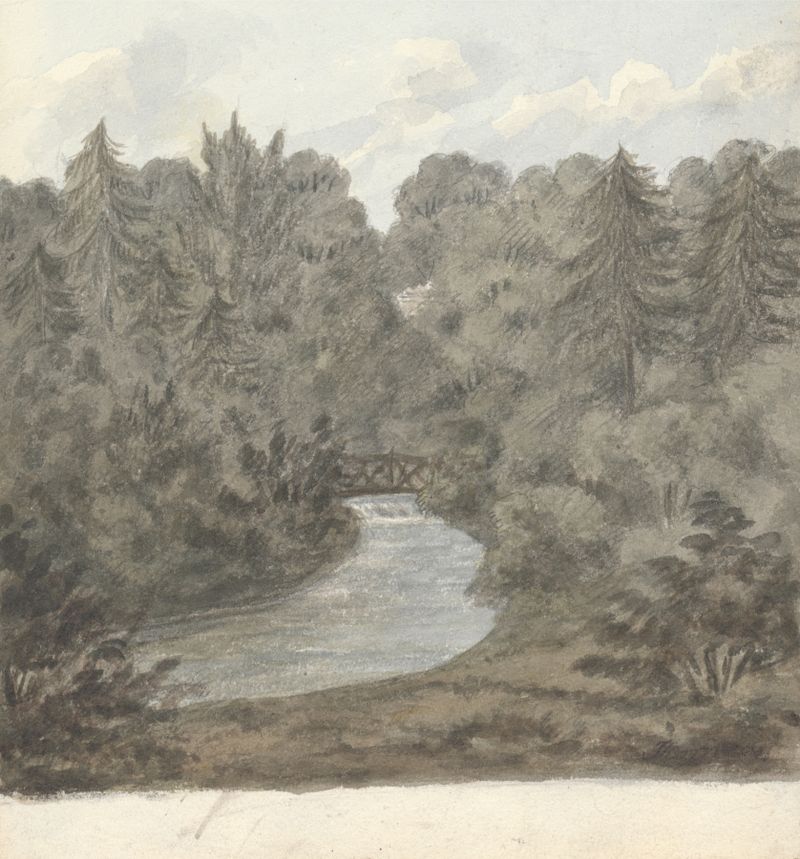
Thornery Pool, Sezincote
Anne Rushout
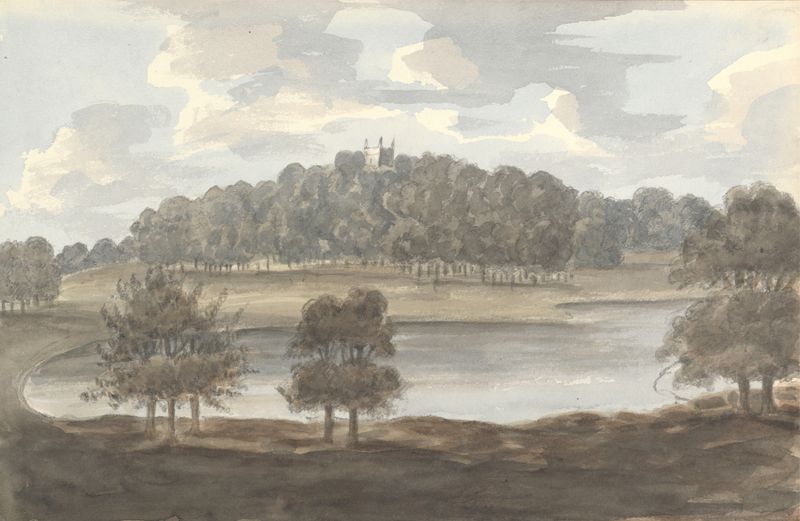
Holkham, August 1824
Anne Rushout

Grove Cottage, Wanstead May 18th, 1825
Anne Rushout
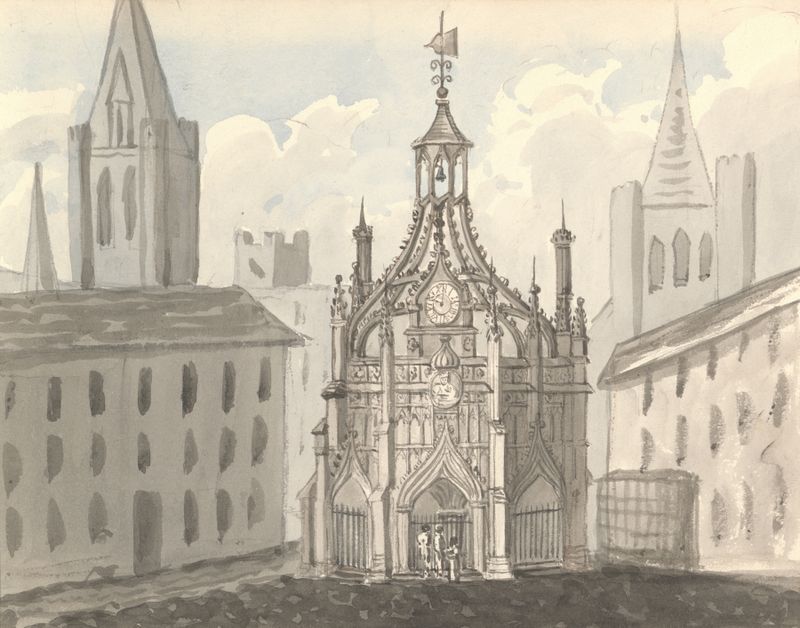
From Inn at Chichester, July 1828
Anne Rushout
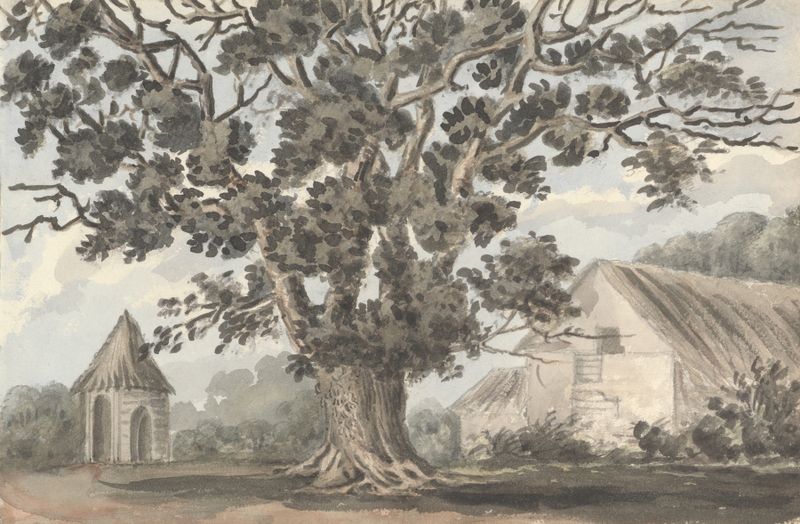
Queen Elizabeth’s Oak near Finborough Hall
Anne Rushout

Holkham, August 1824
Anne Rushout
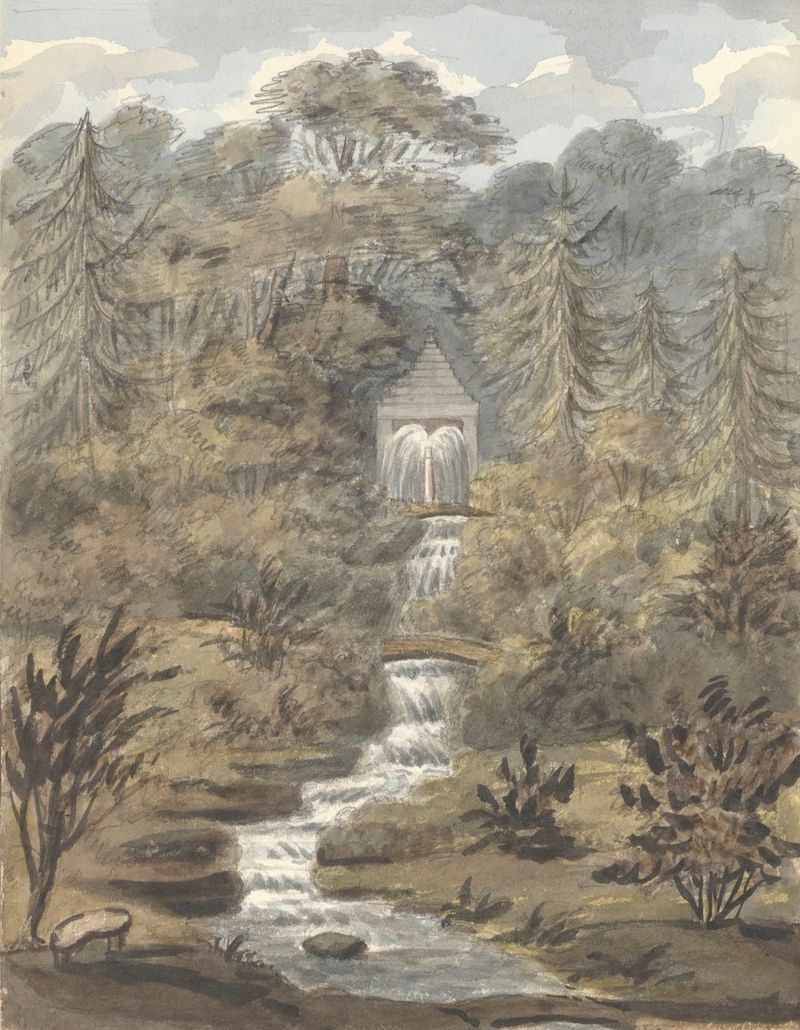
Temple and Falls, Sezincote
Anne Rushout

From Flower Garden, Wanstead Grove
Anne Rushout

From Window at Eastnor Castle, Gloucestershire Beacon, September 28, 1829
Anne Rushout

From Portico at Wanstead Grove, May 24, 1825
Anne Rushout





