
Gwrich Castle from the Road August 1830 — History & Facts
What if beauty was never meant to be finished? In the embrace of time, decay becomes a poignant symphony, revealing the fragility of human creations against nature’s relentless march. Focus your attention on the left side of the canvas, where the crumbling walls of Gwrich Castle rise against a moody sky. The artist employs soft, muted colors to evoke a sense of nostalgia, while the delicate brushstrokes render both the castle's grandeur and its inevitable decline. Notice how the interplay of light and shadow plays across the weathered stones, inviting the viewer to contemplate both the majesty of the structure and the encroaching embrace of nature, represented by the lush greenery below. As you examine the painting further, consider the layers of meaning hidden within.
The castle stands as a testament to human ambition, yet its dilapidation underscores the theme of impermanence. The verdant foliage creeping up its sides serves as a reminder of nature's resilience, contrasting with the remnants of human endeavor, thus provoking thoughts of nostalgia and loss. This delicate balance between beauty and decay invites introspection about what is left behind and what is allowed to flourish. In 1830, Rushout painted this work during a time when Romanticism flourished in Europe, a movement deeply interested in the sublime and the transient aspects of life.
It was a period marked by an expanding fascination with the picturesque ruins of the past, reflecting both personal and societal transformations. As she captured Gwrich Castle, Rushout was not only documenting a scene but also engaging with broader themes of history and memory in a world grappling with change.
More Artworks by Anne Rushout
Browse all →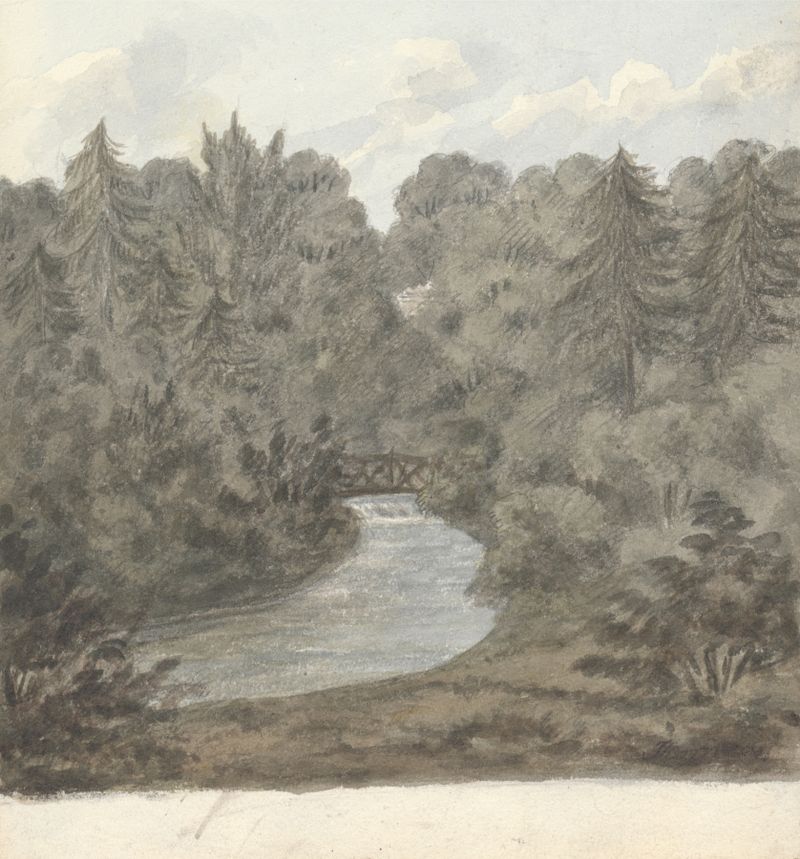
Thornery Pool, Sezincote
Anne Rushout
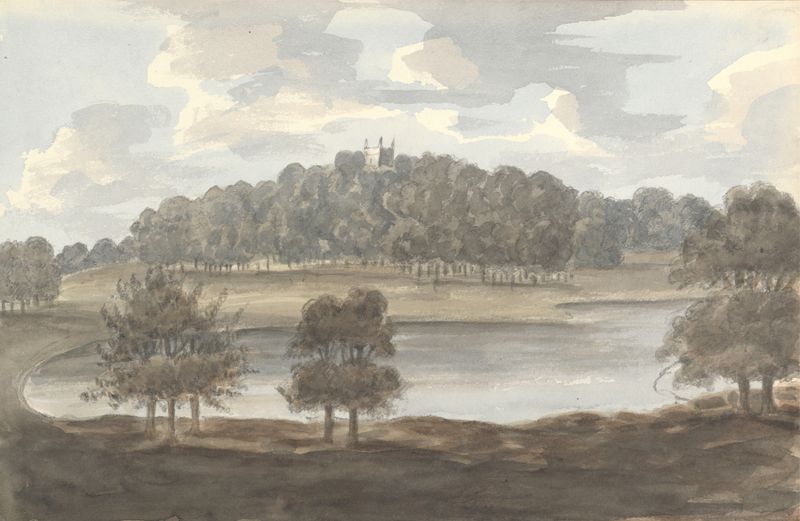
Holkham, August 1824
Anne Rushout

Grove Cottage, Wanstead May 18th, 1825
Anne Rushout
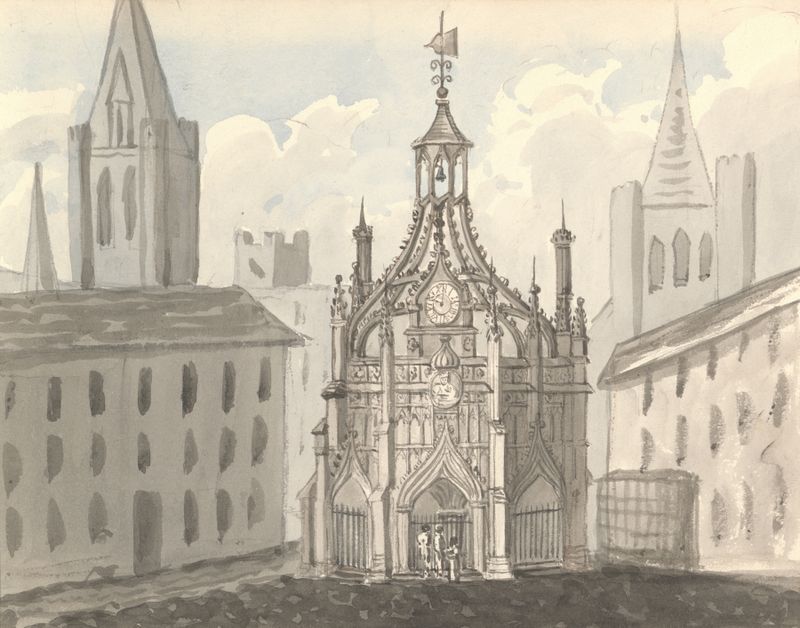
From Inn at Chichester, July 1828
Anne Rushout
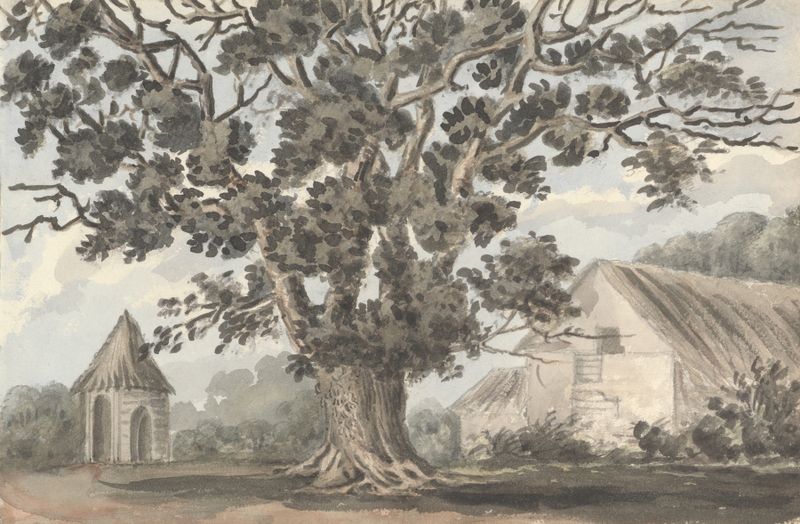
Queen Elizabeth’s Oak near Finborough Hall
Anne Rushout

Holkham, August 1824
Anne Rushout
Temple and Falls, Sezincote
Anne Rushout

From Flower Garden, Wanstead Grove
Anne Rushout

From Window at Eastnor Castle, Gloucestershire Beacon, September 28, 1829
Anne Rushout

From Portico at Wanstead Grove, May 24, 1825
Anne Rushout





