
Gypsy camp in the South — History & Facts
In Gypsy Camp in the South, Louis Valtat presents a lively scene filled with vibrant colors. The painting features a group of gypsies gathered around a fire, their clothing rich in patterns and hues. The background showcases lush greenery and a bright sky, creating a warm atmosphere.
The figures are animated, suggesting a sense of community and shared experience. The painting is characterized by its loose brushwork and bold use of color, typical of the Impressionist style. Valtat employs a palette that includes deep reds, greens, and yellows, enhancing the vibrancy of the scene. The composition draws the viewer's eye across the canvas, inviting them to explore the details of the figures and their surroundings.
This technique captures the essence of a moment in time, a hallmark of Impressionism. Louis Valtat was a prominent figure in the French Impressionist movement, known for his ability to convey light and color. This work, created around the early 1900s, reflects his fascination with gypsy culture and the vibrant life of the outdoors. Interestingly, Valtat often painted scenes from his travels, and this piece is a testament to his love for capturing the spirit of the places he visited.
His works are celebrated for their lively brushwork and emotional depth.
More Artworks by Louis Valtat

Portrait de Mme Valtat les mains derrière la tête
Louis Valtat

Les deux soeurs
Louis Valtat
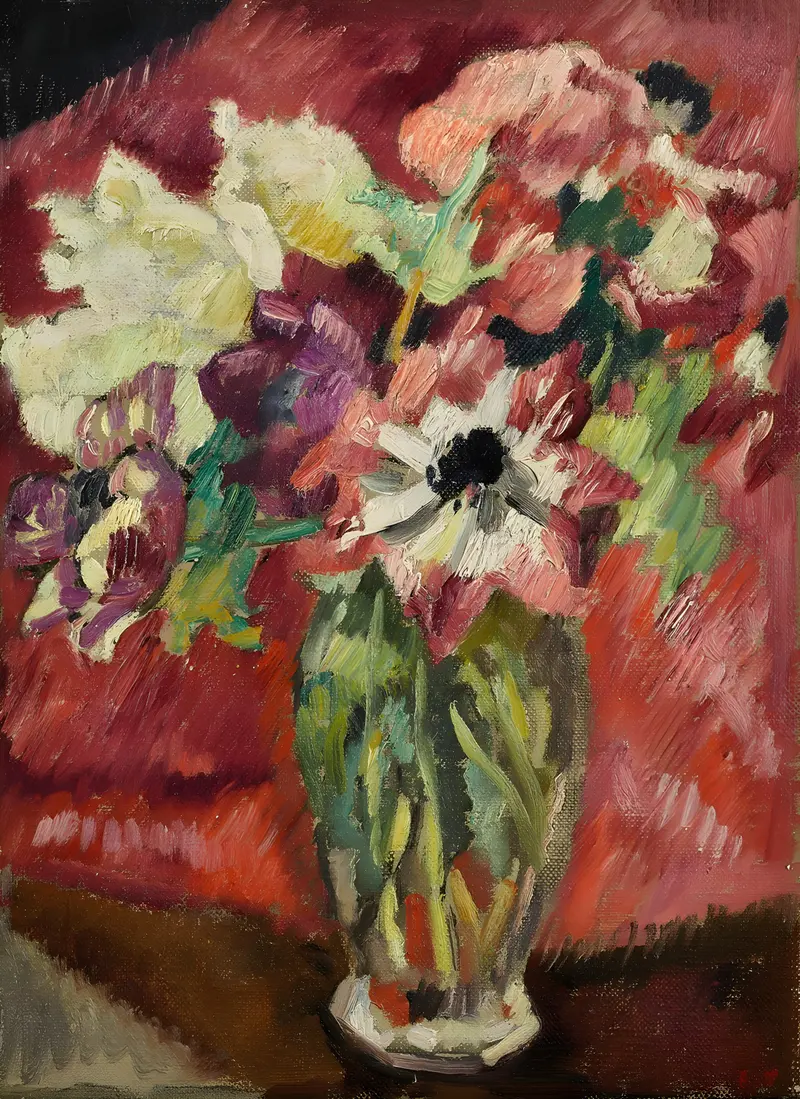
Bouquet au vase de Crystal
Louis Valtat
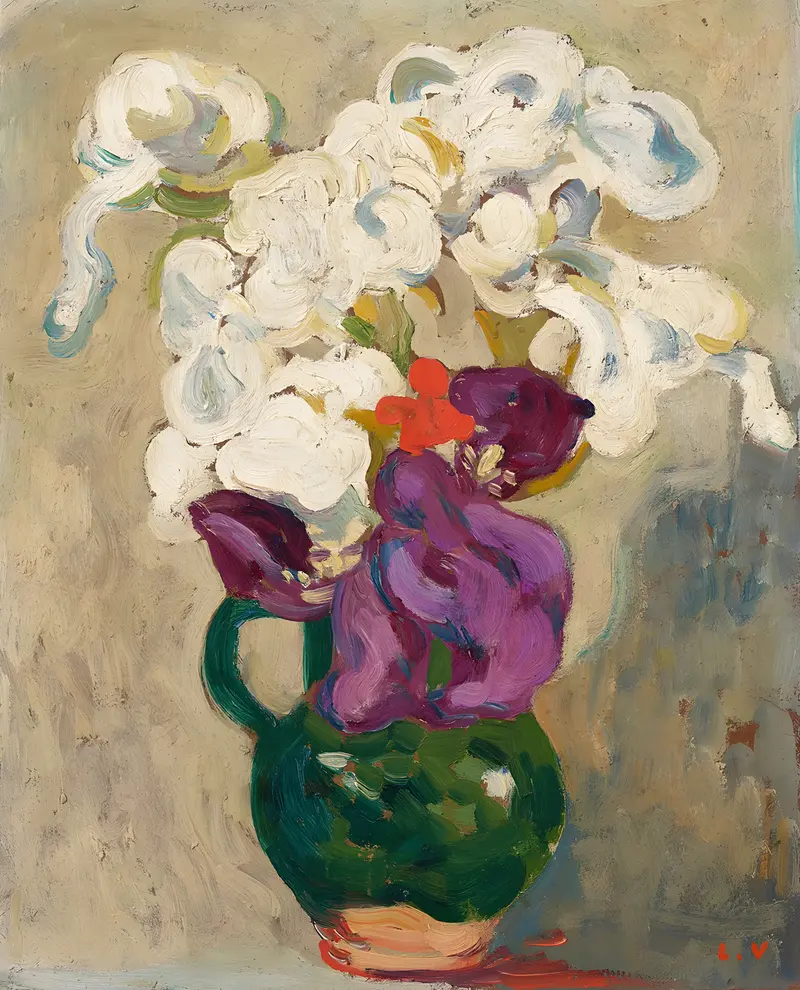
Bouquet d’iris au pichet vert
Louis Valtat
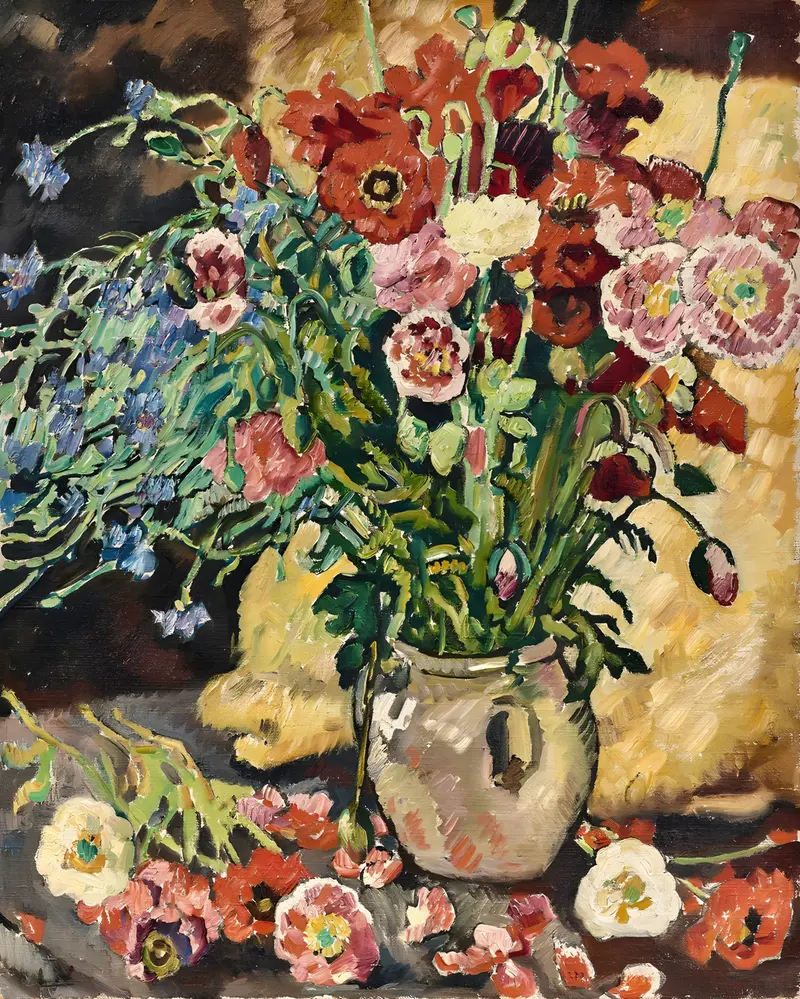
Bouquet de pavots
Louis Valtat
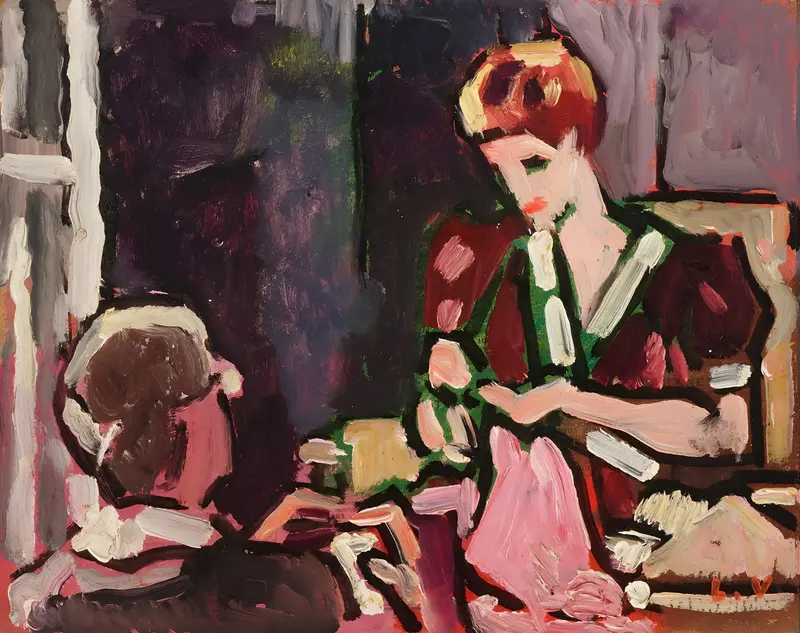
Jeune femme cousant
Louis Valtat
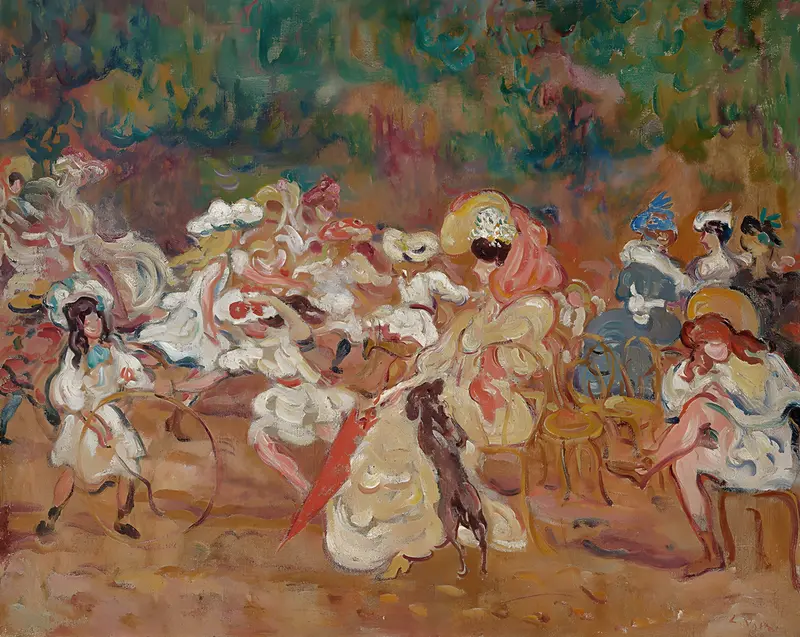
Jeux d’enfants
Louis Valtat
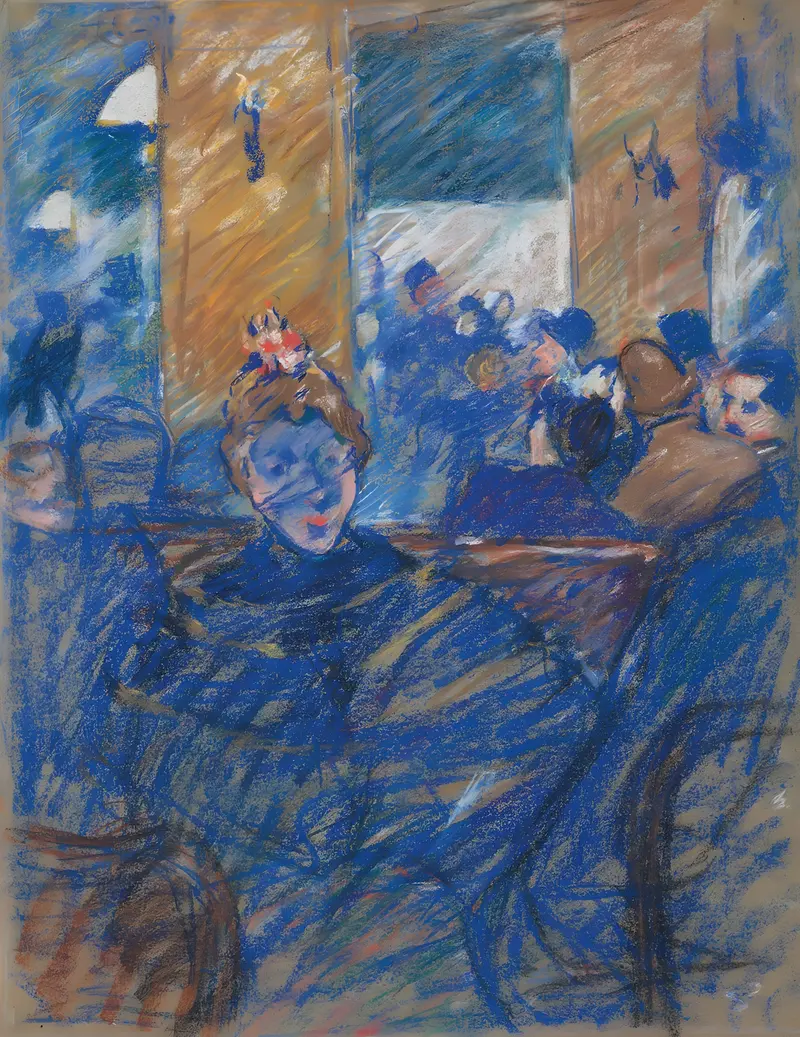
La Dame au café
Louis Valtat
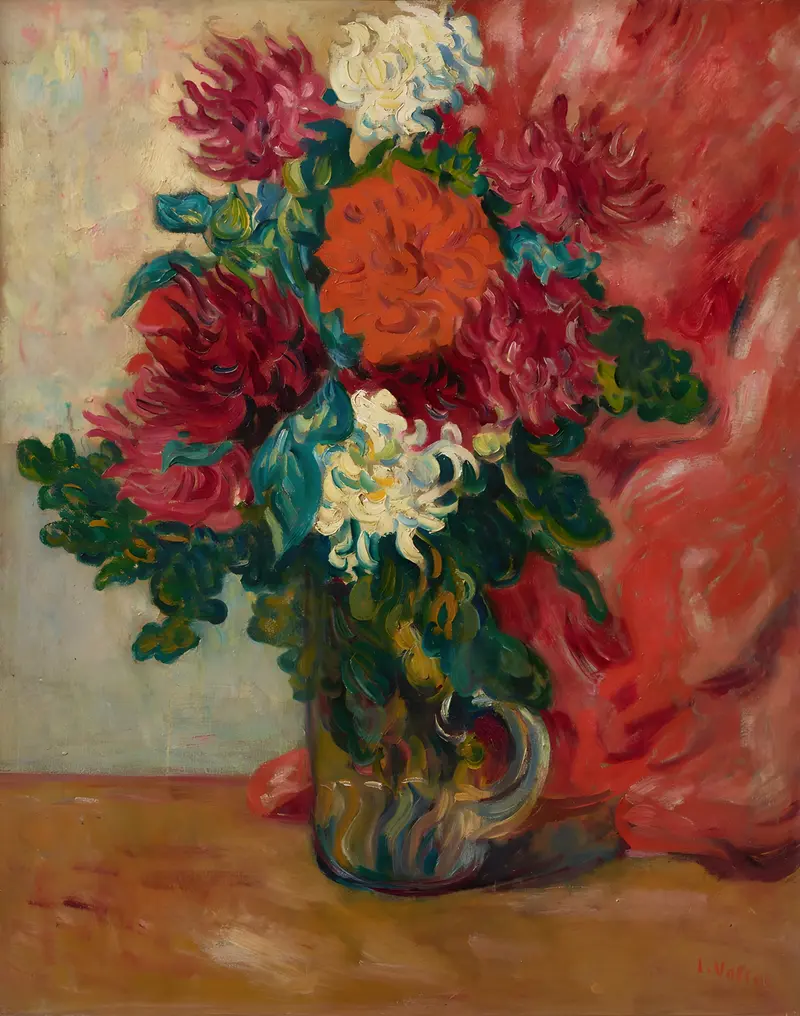
Dahlias à la cruche en verre devant une tenture rouge
Louis Valtat
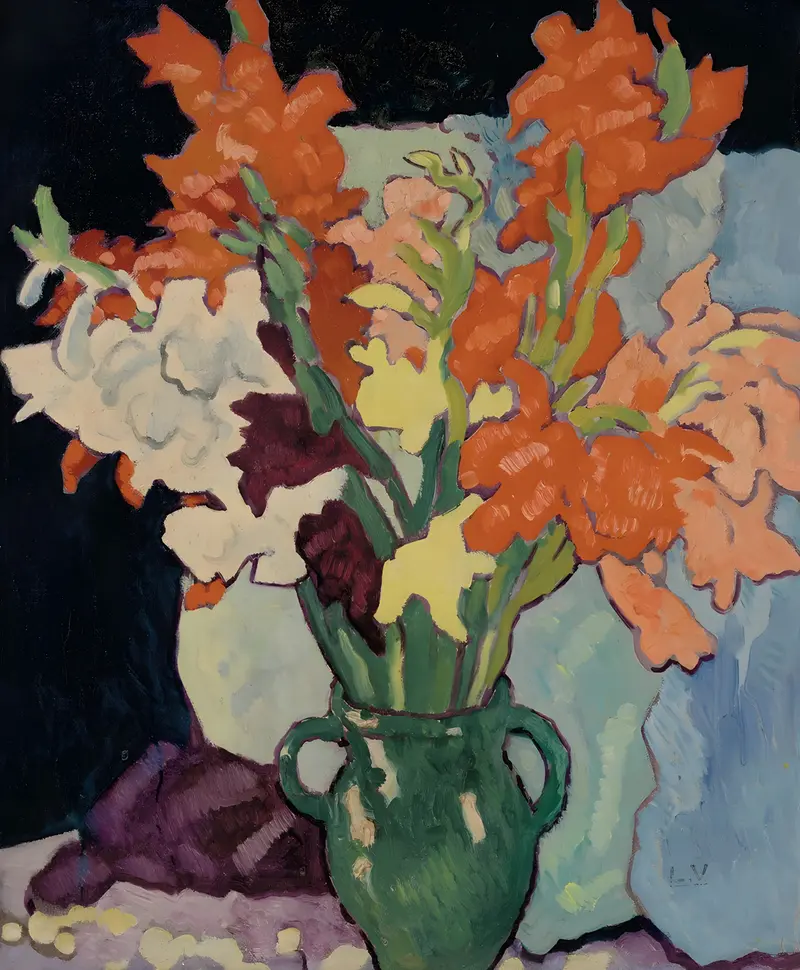
Glaïeuls à la cruche verte
Louis Valtat
More Genre Scene Art

Banquet of the Officers of the St George Civic Guard
Frans Hals

Rembrandt and Saskia in the Scene of the Prodigal Son
Rembrandt van Rijn

Bal du moulin de la Galette
Pierre-Auguste Renoir

Quadrille at the Moulin Rouge
Henri de Toulouse-Lautrec

A Burial at Ornans
Gustave Courbet

When Will You Marry?
Paul Gauguin