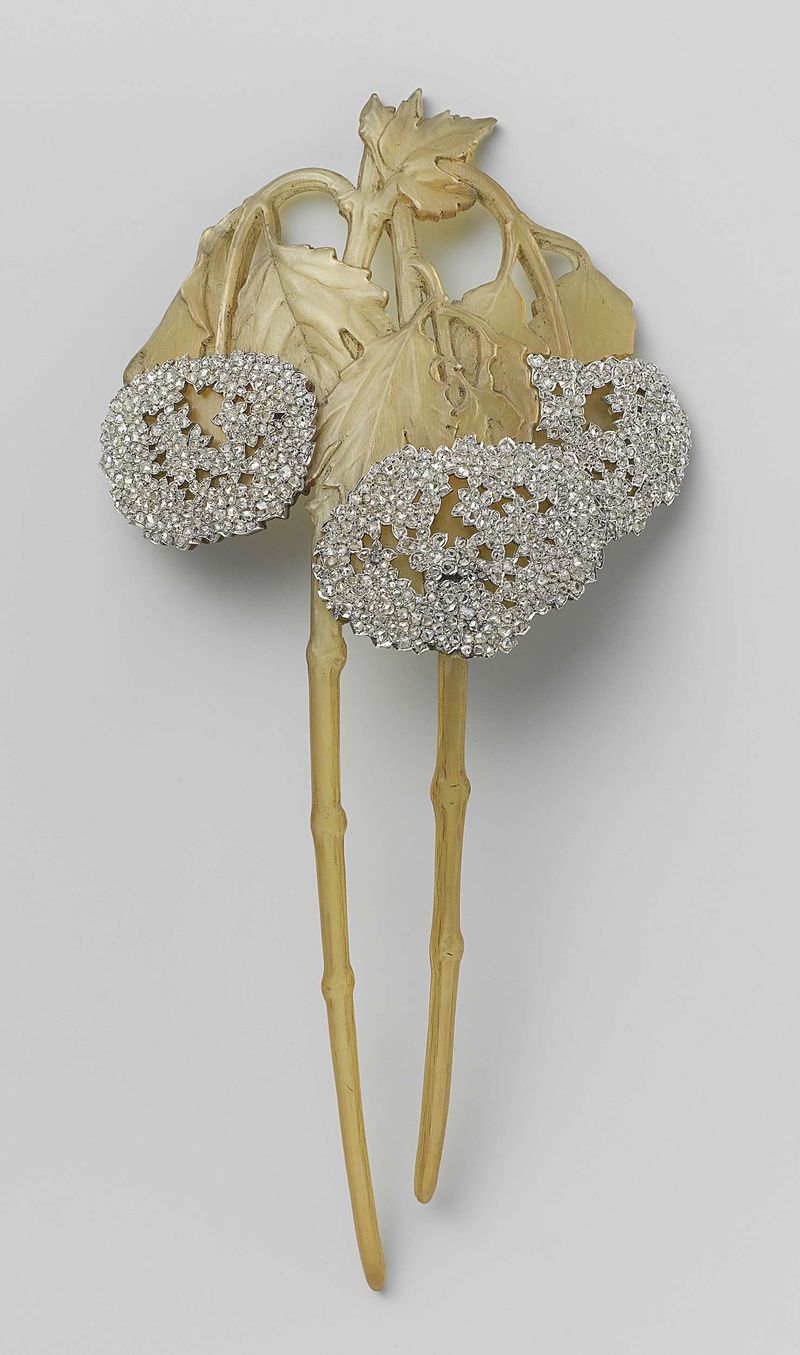
Haarkam van schildpad en hoorn met een onversierde taps toelopende rug die haaks op de tanden staat — History & Facts
Could beauty survive in a century of chaos? The delicate harmony of form and function often hides within the turmoil of existence, a whisper amid the clamor. Focus first on the intricate textures of the haarkam, or hair comb, its surface an amalgamation of natural materials. The artist’s choice of turtle shell and horn reveals a commitment to craftsmanship, each curve and contour meticulously fashioned. Notice how the smooth lines converge into a tapered shape, hinting at both elegance and utility.
This careful design stands in contrast to the chaotic world outside the artist's studio, inviting the viewer to pause and reflect. Delve deeper into the symbolism: the juxtaposition of the lush, organic materials with the sharpness of the teeth suggests a narrative of beauty and danger entwined. The comb, a humble tool for grooming, becomes an emblem of human resilience and creativity in a time of uncertainty. The unadorned surface mirrors a call for simplicity amid the complexities of life, reinforcing that even the most utilitarian objects can embody grace. Created between 1800 and 1850, this piece emerges from a period marked by significant upheaval, including the Napoleonic Wars and the rise of industrialization.
The artist, whose identity remains unknown, reflects the spirit of an era where craft and artistry faced threats of obsolescence. Amidst the chaos of societal change, this artwork firmly asserts the enduring nature of beauty and the human propensity to create, even when the world around is tumultuous.
More Artworks by Unknown Artist
Browse all →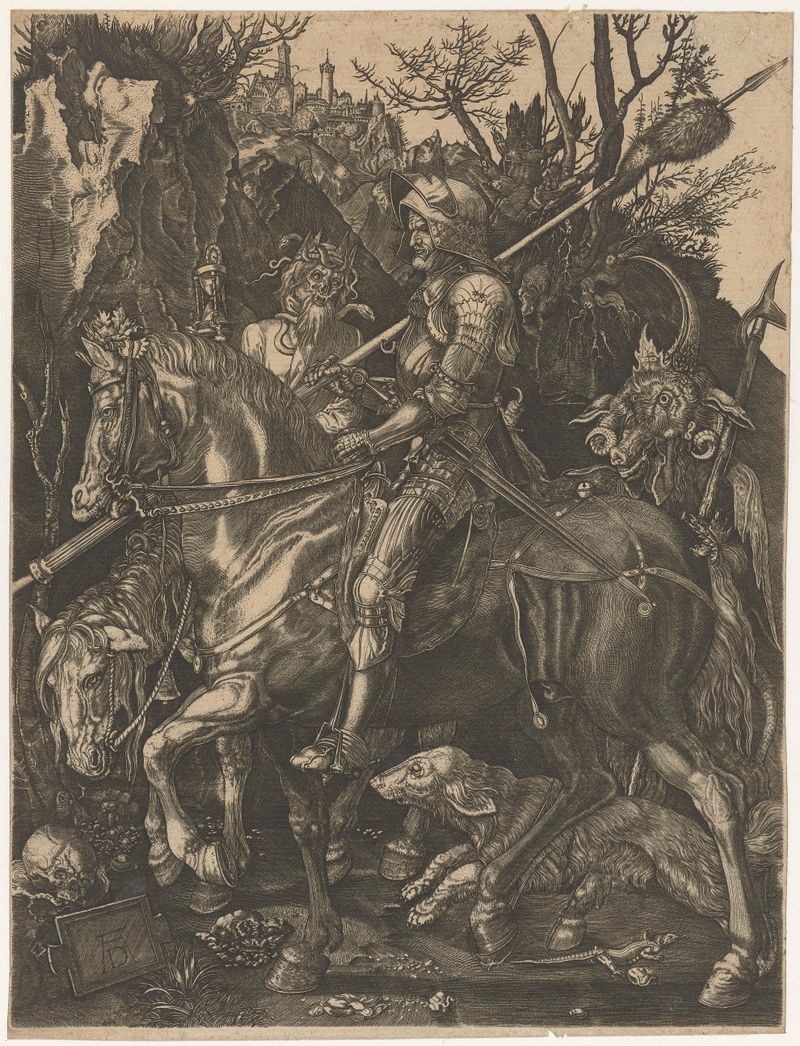
Ridder, Dood en Duivel
Unknown Artist
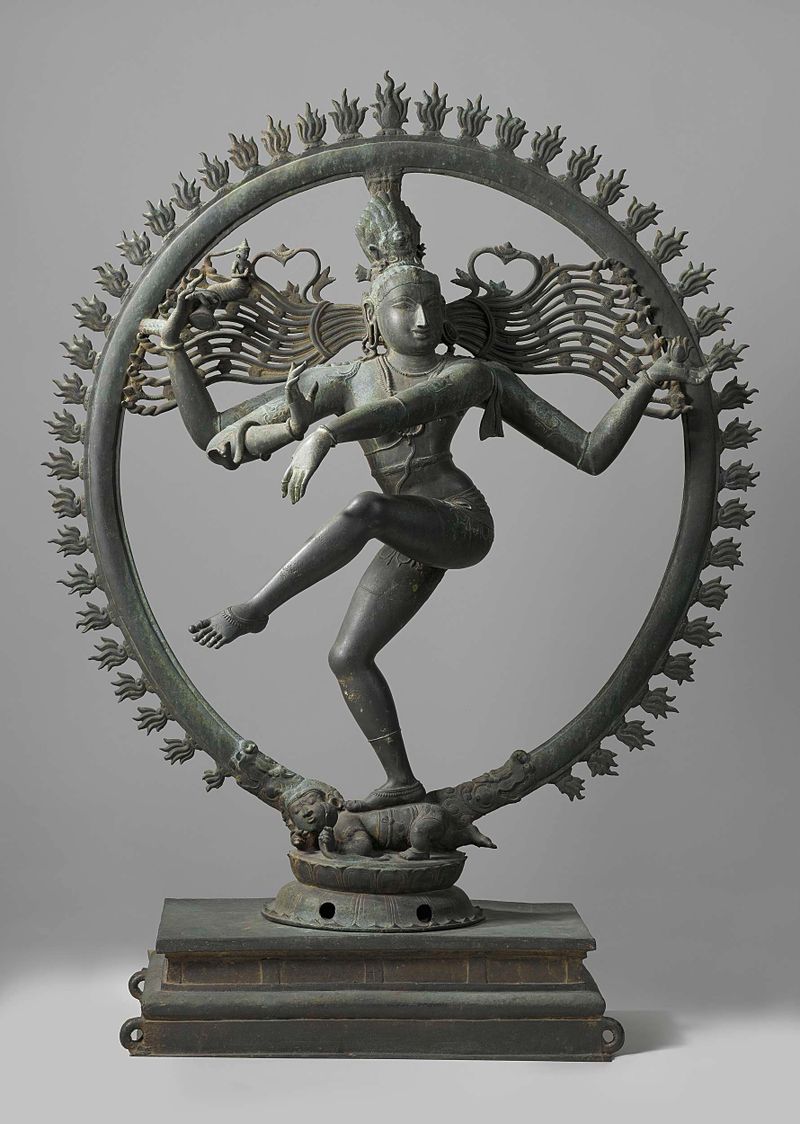
Shiva Nataraja
Unknown Artist
Portrait of Elizabeth I, Queen of England
Unknown Artist
Dolls’ house of Petronella Oortman
Unknown Artist
Shiva Nataraja
Unknown Artist

The Tale of Genji
Unknown Artist

The Tale of Genji
Unknown Artist
Cong
Unknown Artist
The bodhisattva Maitreya
Unknown Artist
Teabowl with a 'hare's fur' glaze
Unknown Artist