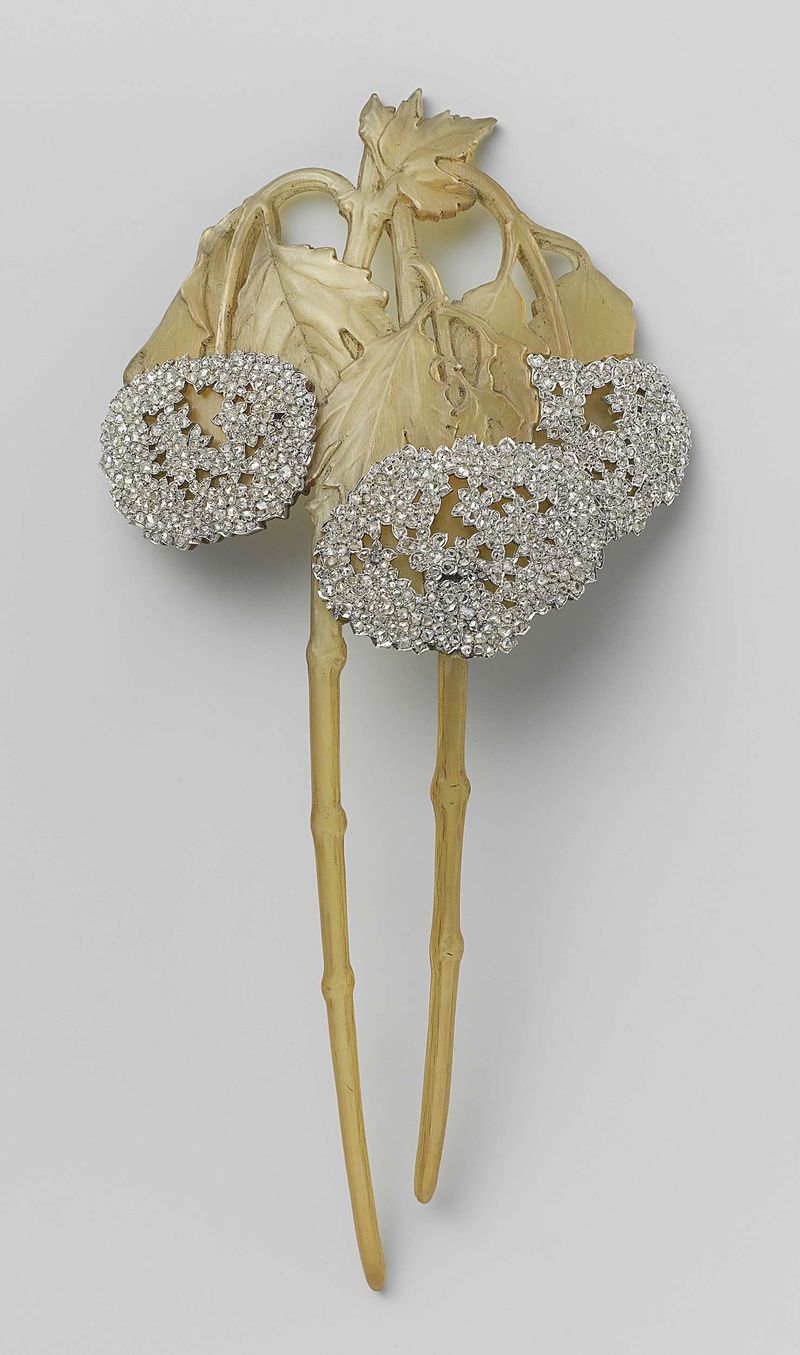
Haarkam van schildpad met hoog opstaande gladde rug; met twintig tanden — History & Facts
The layers of illusion unfold as one immerses in the intricate craftsmanship of this artwork, where a turtle’s shell becomes a canvas for deeper exploration. Look closely at the elegantly rendered surface. Notice how the smooth, polished texture of the tortoiseshell contrasts against the sharp angles of the twenty meticulously carved teeth. Each detail draws the eye, while the warm, golden hues radiate a sense of opulence.
The light dances across the surface, creating an illusion of depth, enhancing the piece's tactile quality and inviting a closer examination of its flawless execution. As one contemplates this work, the interplay between beauty and fragility emerges. Here lies a creature symbolizing endurance, yet its ornate presentation underscores the vulnerability of natural forms when rendered into art. The juxtaposition of the turtle’s ancient wisdom against its transformed state evokes questions about nature’s essence and the human tendency to embellish or exploit beauty for aesthetic pleasure. This piece was likely created between 1800 and 1830, a time when artisans were exploring a blend of realism and decorative art in Europe.
The artist, whose identity remains unknown, was part of a broader movement that sought to marry natural forms with artistic expression, reflecting the era’s fascination with the exotic and the exquisite. In a world rapidly changing due to industrialization, this artwork represents both the celebration of nature and the complexities of human perception.
More Artworks by Unknown Artist
Browse all →
Ridder, Dood en Duivel
Unknown Artist
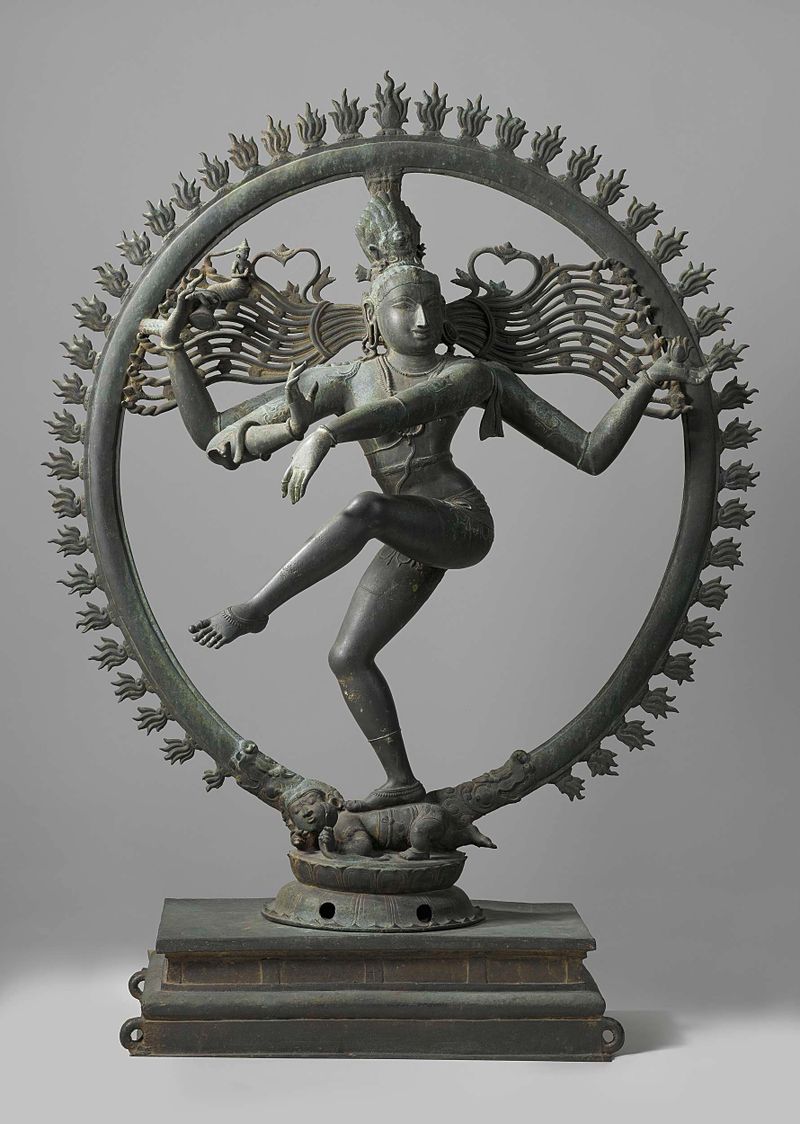
Shiva Nataraja
Unknown Artist
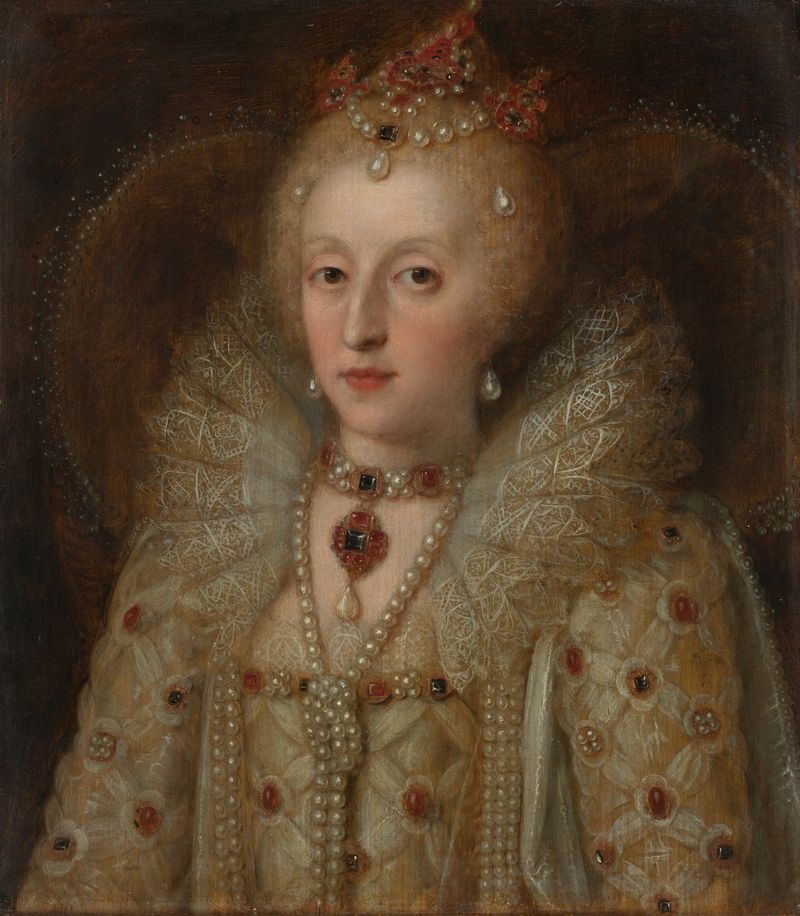
Portrait of Elizabeth I, Queen of England
Unknown Artist
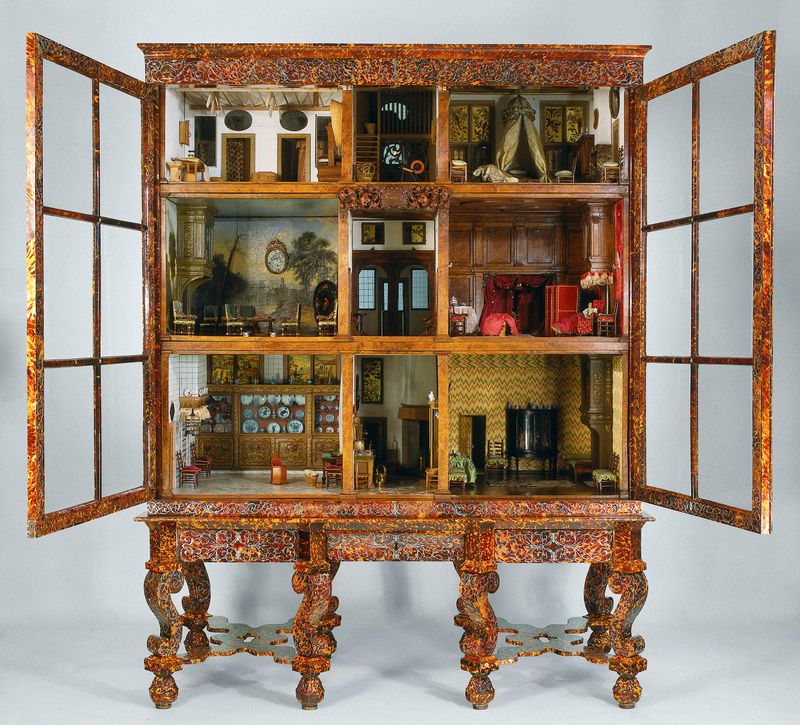
Dolls’ house of Petronella Oortman
Unknown Artist
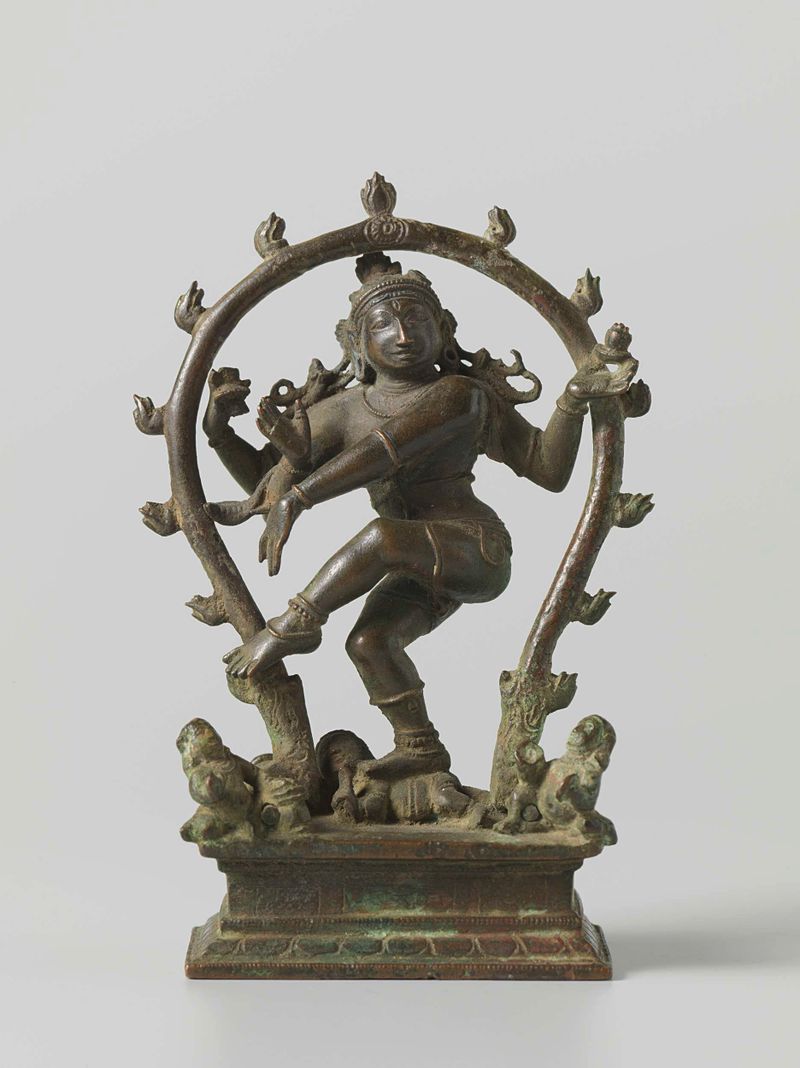
Shiva Nataraja
Unknown Artist

The Tale of Genji
Unknown Artist

The Tale of Genji
Unknown Artist

Cong
Unknown Artist
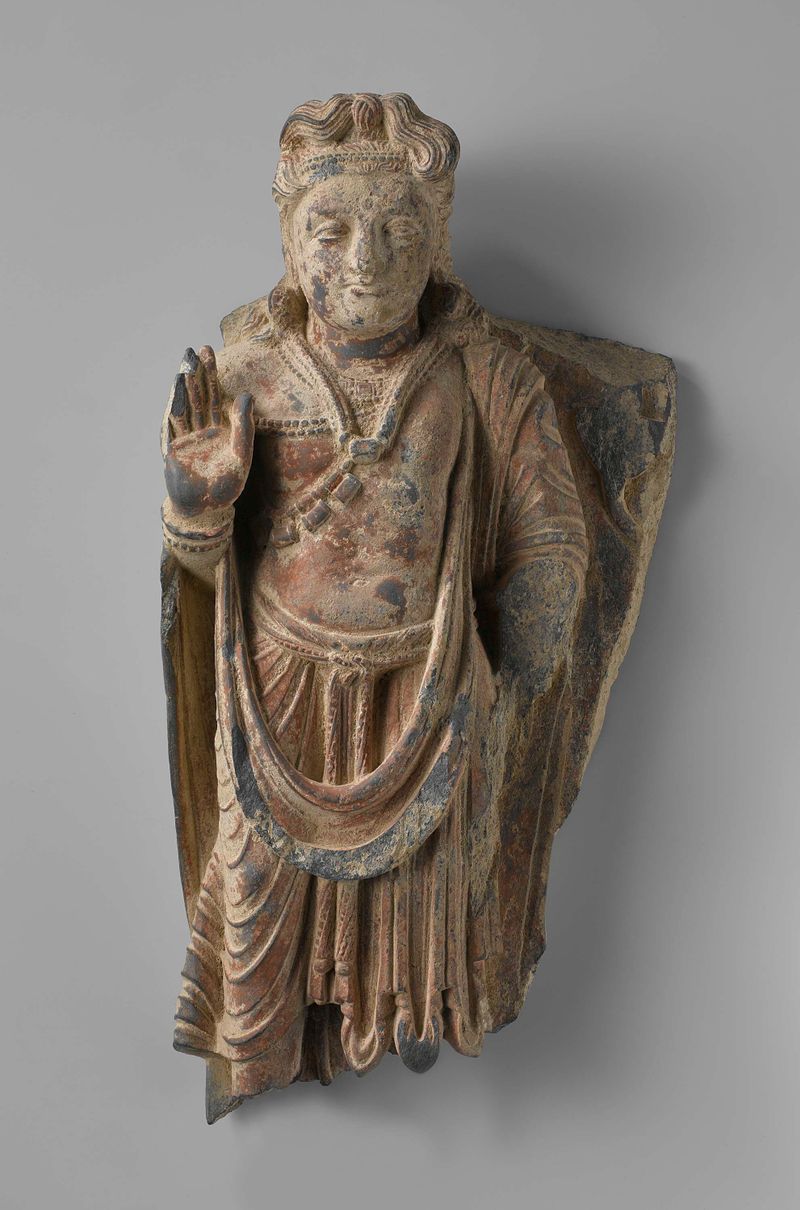
The bodhisattva Maitreya
Unknown Artist

Teabowl with a 'hare's fur' glaze
Unknown Artist