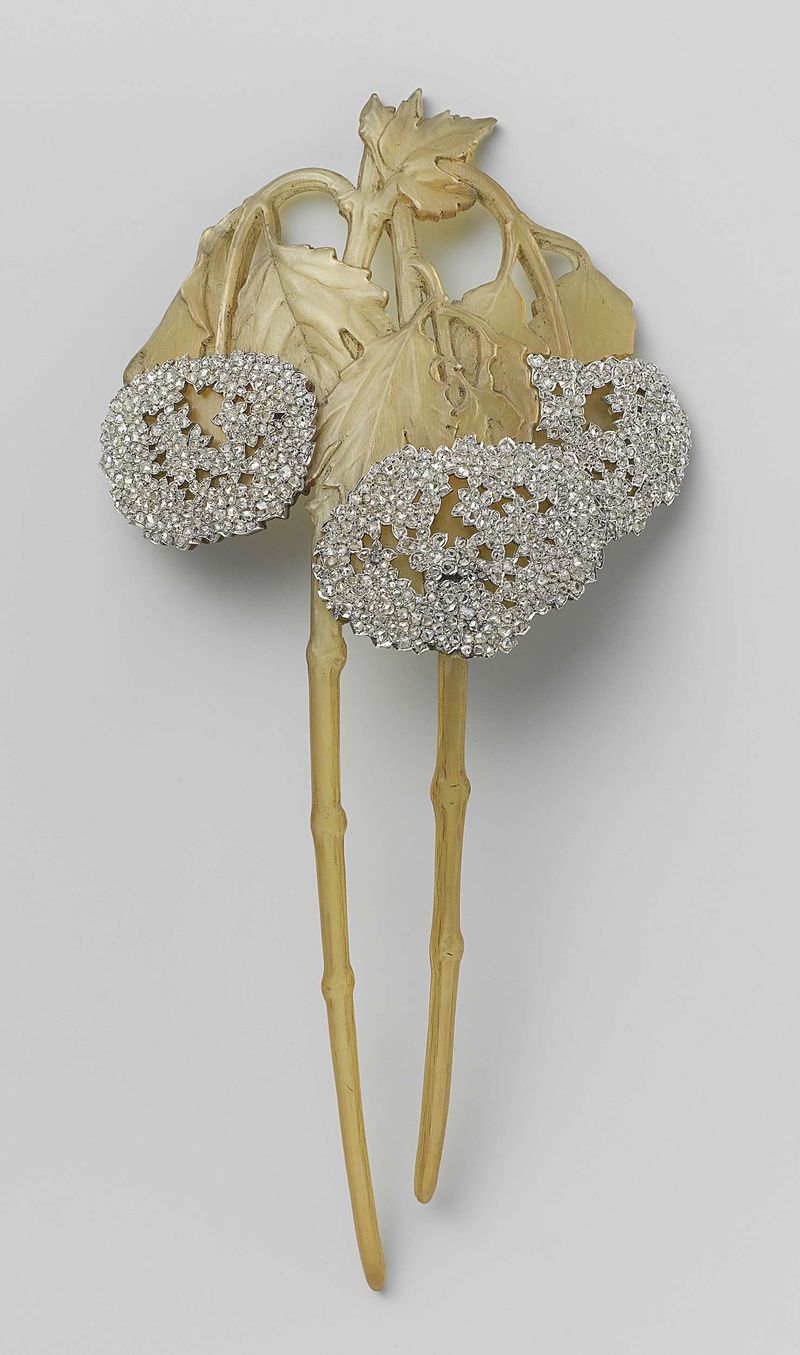
Haarkam van schildpad, waarvan de rug versierd met een vergulde koperen plaat waarop imitatie parels en -robijnen — History & Facts
When did color learn to lie? In a world where surface often masks deeper truths, this artwork invites us to reflect on the complexities of façade and reality. Focus on the turtle's shell, the gilded copper plate that sits upon its back, alive with hues of gold and the glimmer of imitation pearls and rubies. The intricate arrangement of these embellishments captures the eye, drawing admiration for its craftsmanship. Note how the light dances across the shell, creating a play of shadow and brilliance that suggests both luxury and artifice.
The background remains muted, allowing the turtle to emerge as a vibrant centerpiece, simultaneously alluring and enigmatic. Within this composition lies a tension between the natural and the artificial. The turtle, a symbol of resilience and longevity, juxtaposes the glittering adornments—a commentary on societal values that often prioritize appearance over essence. The imitation jewels may evoke questions about authenticity and the weight we place on appearance, challenging our perceptions about beauty.
This interplay of nature and artifice resonates deeply, encouraging introspection about the layers of meaning beneath what is seen. Created sometime between 1850 and 1869, this piece remains anonymous, reflecting a period rich with artistic experimentation. The mid-19th century was marked by shifts in artistic focus, as artists began to explore the interplay of reality and illusion in their work. It was a time when craftsmanship and decorative arts gained prominence, suggesting that the creator of this artwork may have been influenced by the desire to blend natural beauty with extravagant ornamentation, embracing the era's fascination with both the real and the imagined.
More Artworks by Unknown Artist
Browse all →
Ridder, Dood en Duivel
Unknown Artist
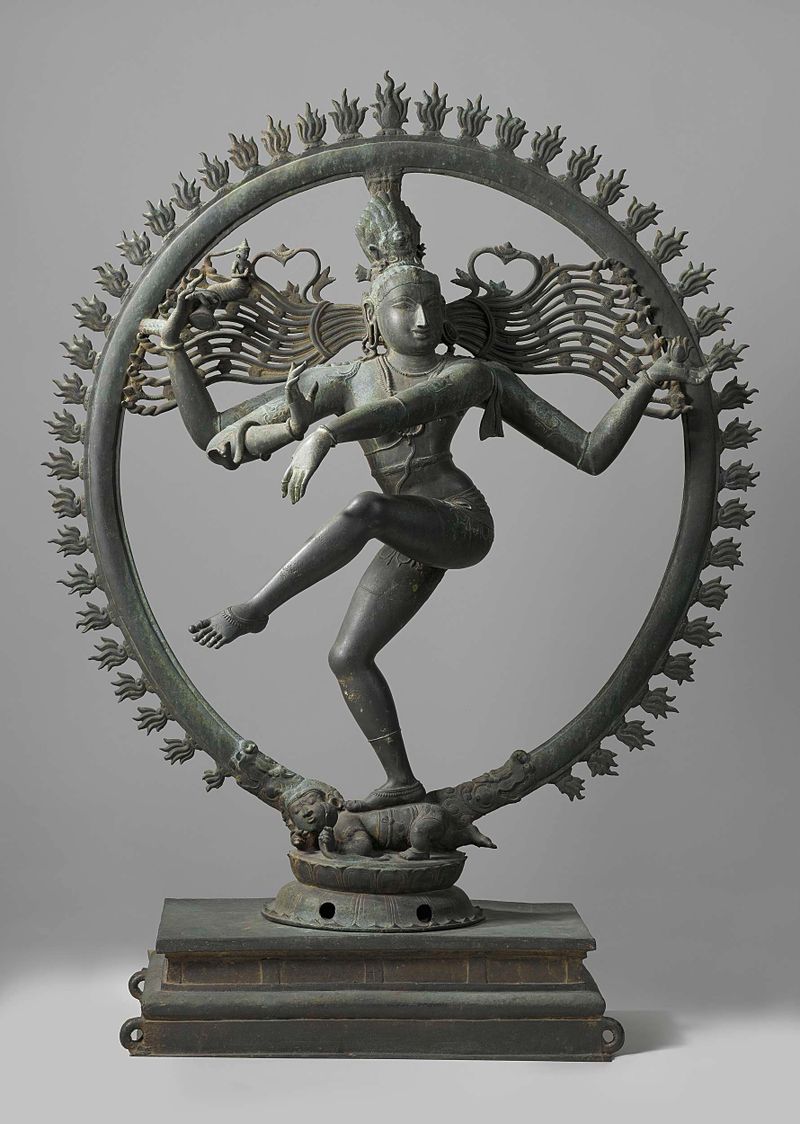
Shiva Nataraja
Unknown Artist
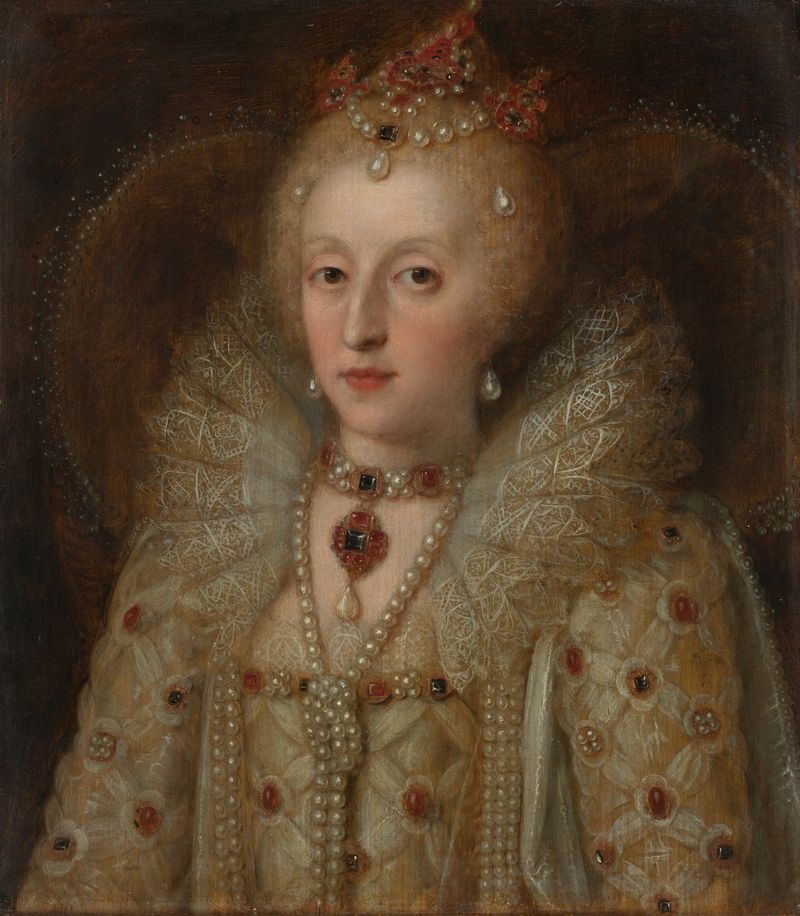
Portrait of Elizabeth I, Queen of England
Unknown Artist
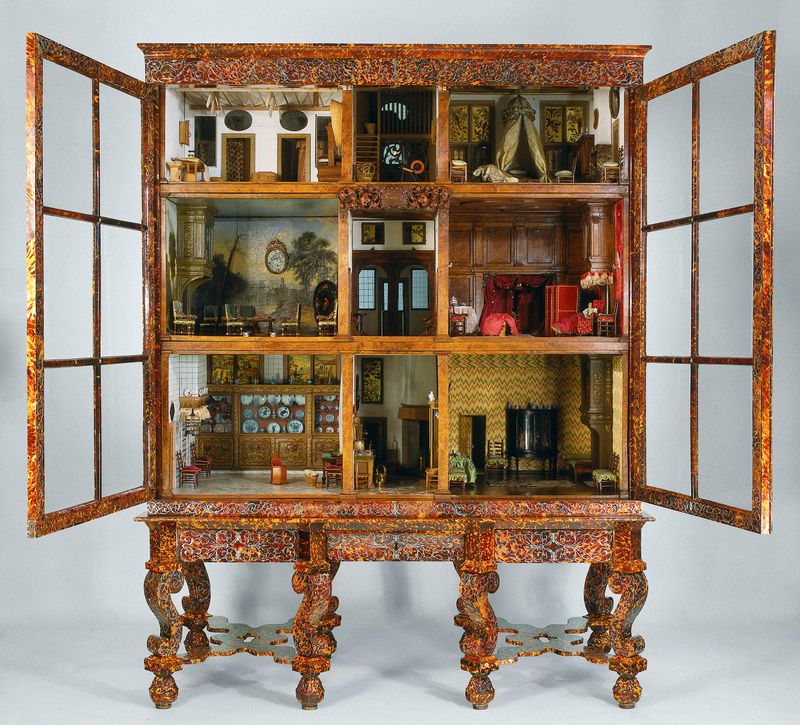
Dolls’ house of Petronella Oortman
Unknown Artist
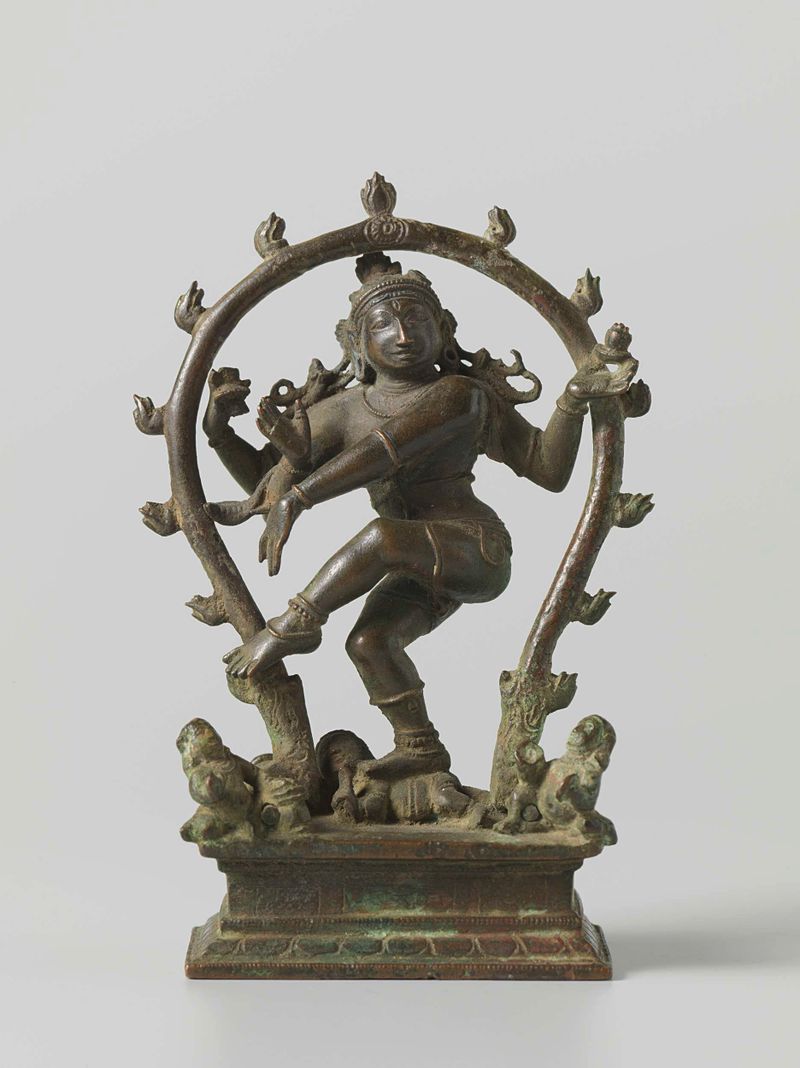
Shiva Nataraja
Unknown Artist

The Tale of Genji
Unknown Artist

The Tale of Genji
Unknown Artist

Cong
Unknown Artist
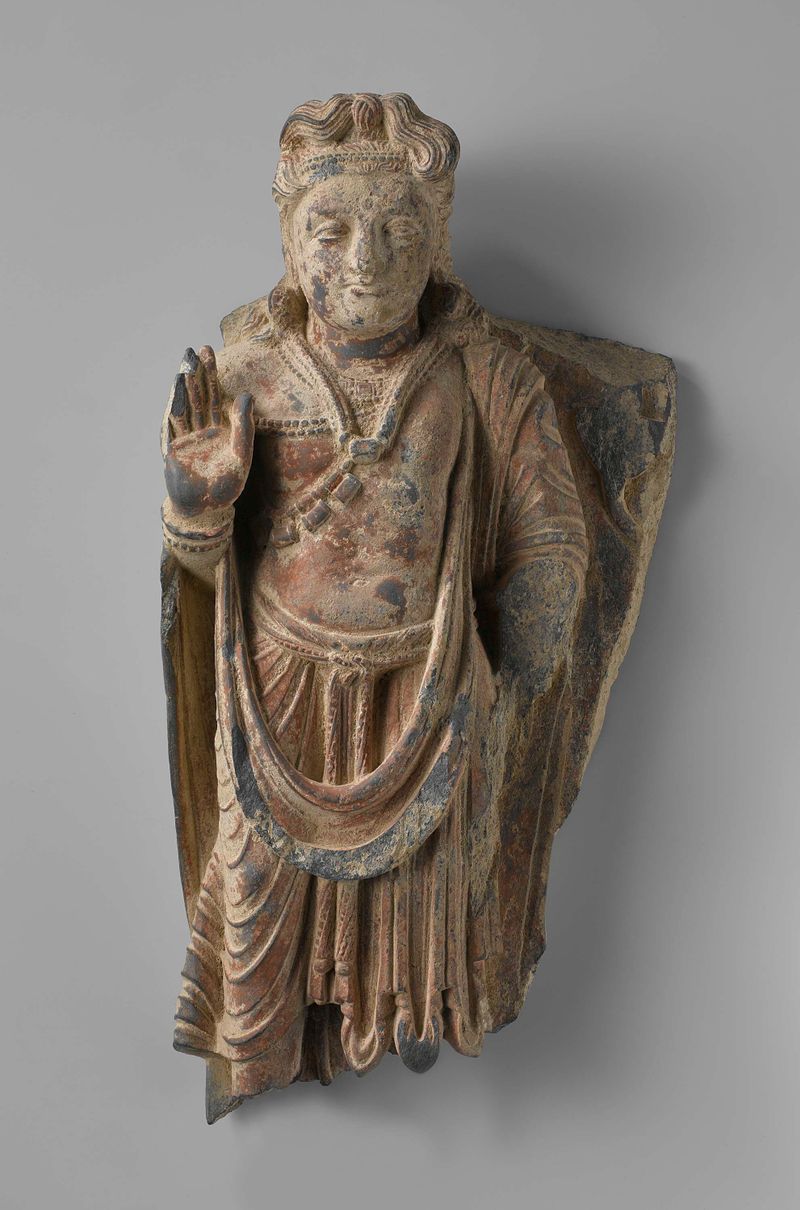
The bodhisattva Maitreya
Unknown Artist

Teabowl with a 'hare's fur' glaze
Unknown Artist