
Haarlem Sea — History & Facts
In the quiet of longing, landscapes can whisper stories of lost moments and distant shores. Look closely at the horizon where the gentle undulations of the sea meet a sky streaked with soft pastels. The delicate balance of blues and grays invites the eye to wander along the water's surface, while the skillful use of light hints at an unseen sun, casting reflections like fleeting memories. Notice how the almost ethereal clouds cradle the scene, wrapping the viewer in a blanket of wistfulness, urging us to contemplate the passage of time. In Haarlem Sea, the interplay between land and sky evokes a sense of infinity, where the serene waters seem to stretch into the unknown.
The distant sails are mere silhouettes, representing both the promise of adventure and the melancholy of separation. Each element, from the gently lapping waves to the subtle ripples of the wind, embodies a collective yearning; the longing for connection, exploration, and the uncharted paths of life itself. Jan van Goyen painted Haarlem Sea in 1656 during a period when Dutch landscapes were evolving, reflecting both the tranquility and the tumult of the age. At this time, the artist was deeply engaged with capturing the essence of Dutch identity through his depictions of nature.
His works mirrored the broader artistic movement in the Netherlands, highlighting the relationship between humanity and the natural world, amidst the socio-political changes of the era.
More Artworks by Jan van Goyen
Browse all →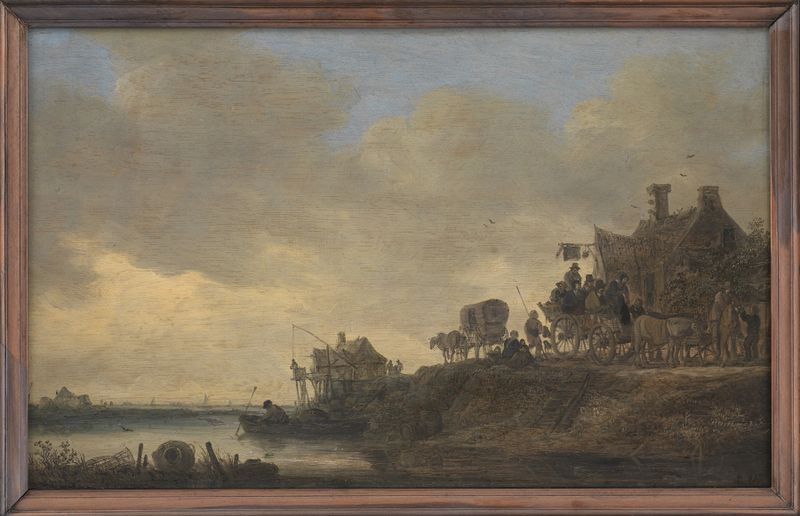
River Scene with the ‘Swan’ Tavern
Jan van Goyen

The Valkhof in Nijmegen
Jan van Goyen
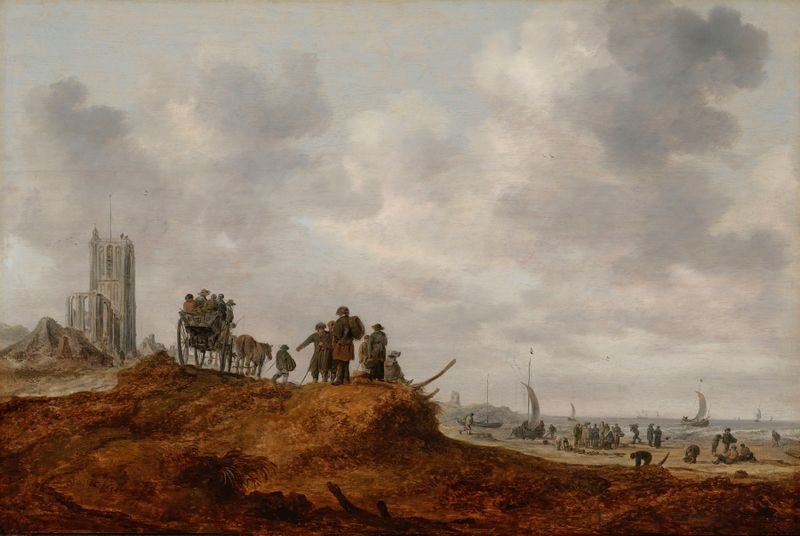
The Old Church at Egmond aan Zee
Jan van Goyen
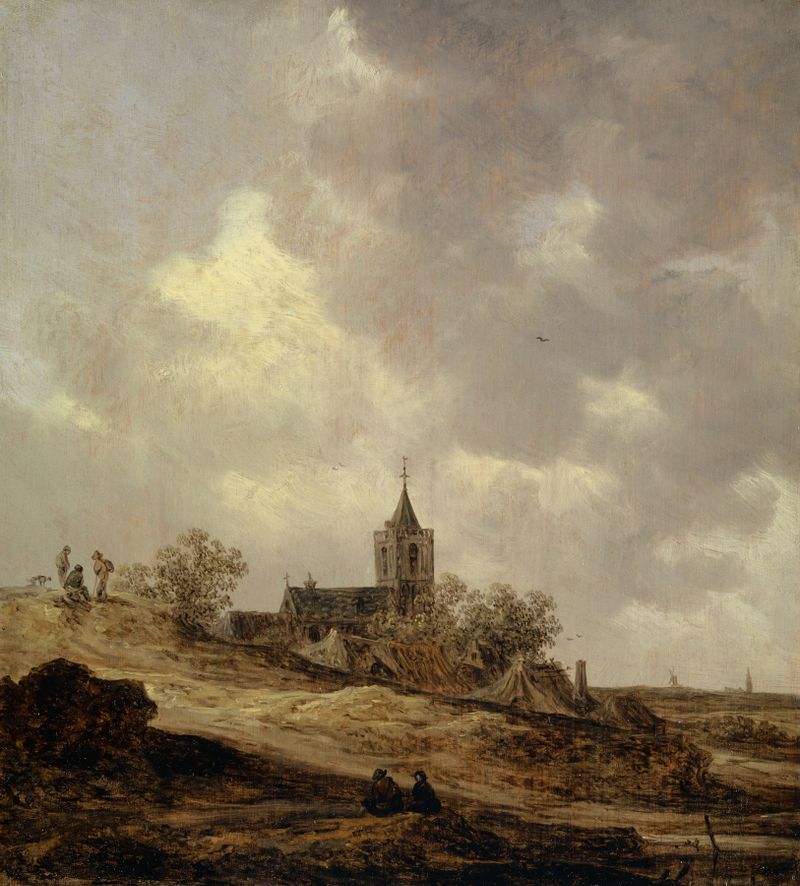
Village Church seen from the Dunes
Jan van Goyen
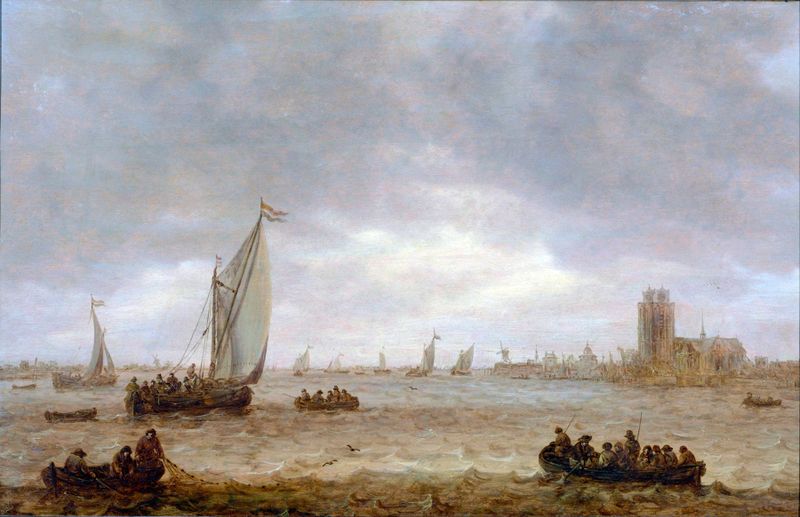
Mouth of the Meuse
Jan van Goyen

River Landscape with the Pellecussen Gate near Utrecht
Jan van Goyen
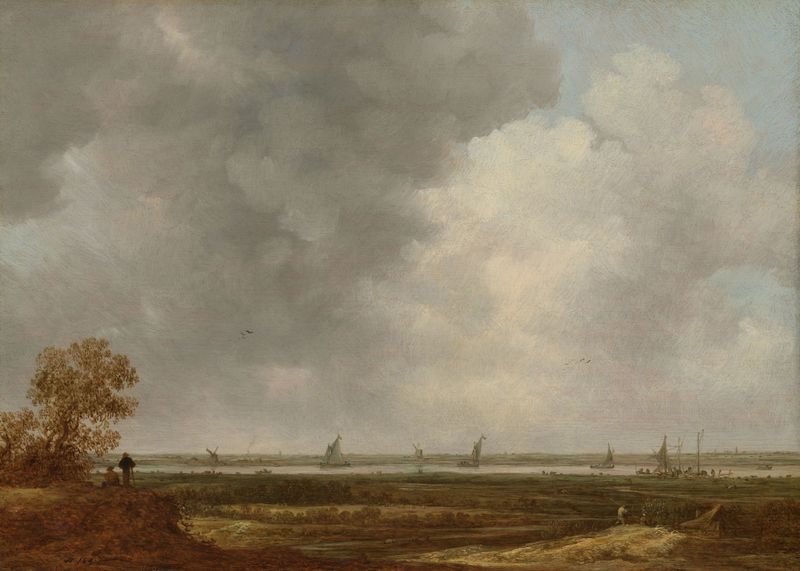
Panoramic View of a River with Low-lying Meadows
Jan van Goyen
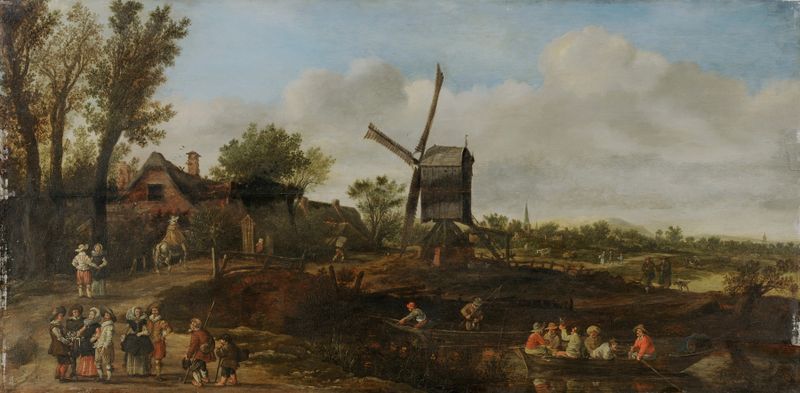
Dutch Landscape
Jan van Goyen
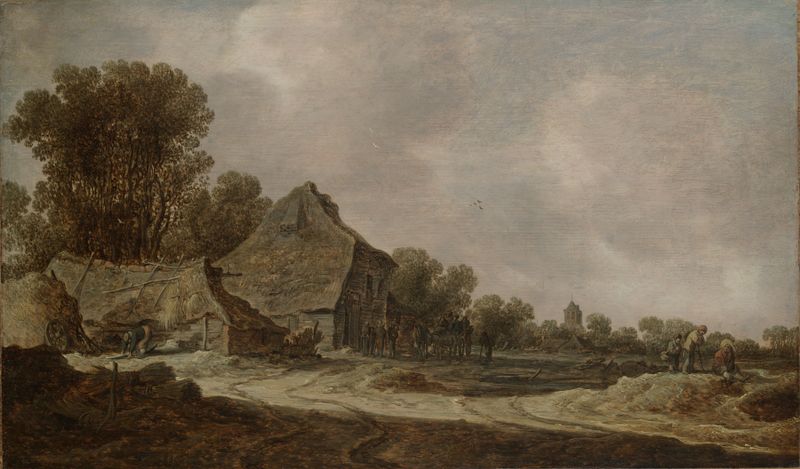
A Sandy Road with Thatched Cottages
Jan van Goyen
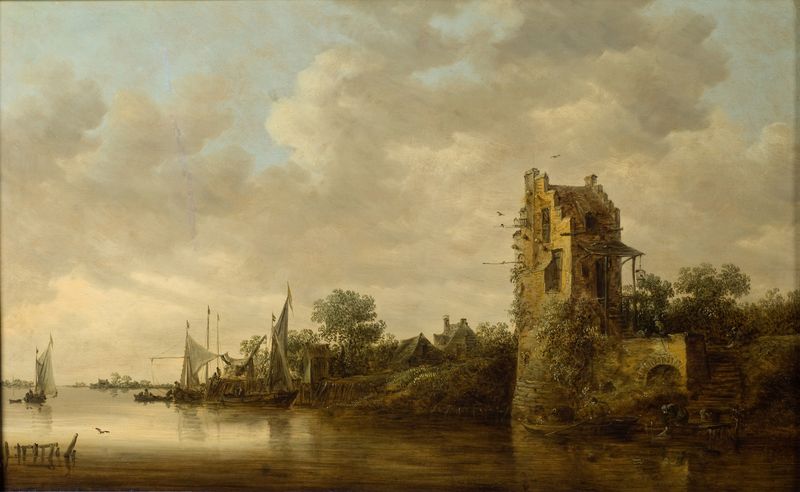
Riverside with an Old Tower
Jan van Goyen





