
Hafen in Amsterdam — History & Facts
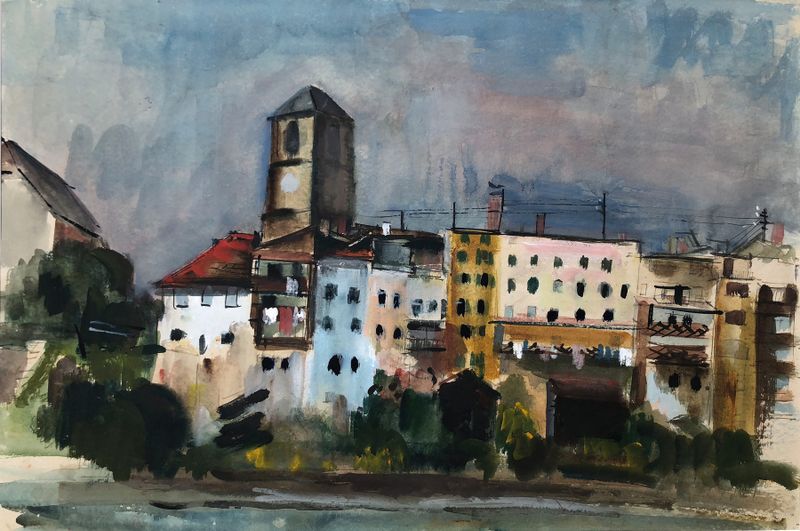
In the quietude of a bustling port, the scene hints at stories of longing and loss beneath its vibrant surface. Look to the left at the shadows cast by the aged structures, where the deep blues and greens intertwine with glimmers of light reflecting off the water. The brushwork is both meticulous and expressive, allowing the viewer to feel the weight of the atmosphere. Notice how the golden hues of the setting sun blend with the somber tones of the boats, encapsulating a sense of nostalgia that envelops the harbor.
You can almost hear the whispers of sailors and merchants echoing through time. Hidden within the apparent tranquility lies an undercurrent of grief; the boats, though anchored, seem restless, yearning to venture into the unknown. The juxtaposition of vibrant coastal life against the stillness of the water suggests a longing for freedom amidst confinement. Each stroke reveals a narrative of departure, capturing the essence of dreams deferred, as the harbor stands as both a gateway and a barrier. Created in 1932, this piece emerged during a tumultuous period in Europe, where economic hardships and societal shifts loomed large.
Otto Geigenberger was grappling with the complexities of post-World War I life, reflecting a world steeped in uncertainty. His work during this time marked a transition, as he sought to portray not just the physical environment but the emotional landscapes of human experience amidst change.
More Artworks by Otto Geigenberger
Browse all →
Hohe Munde bei Seefeld in Tirol
Otto Geigenberger
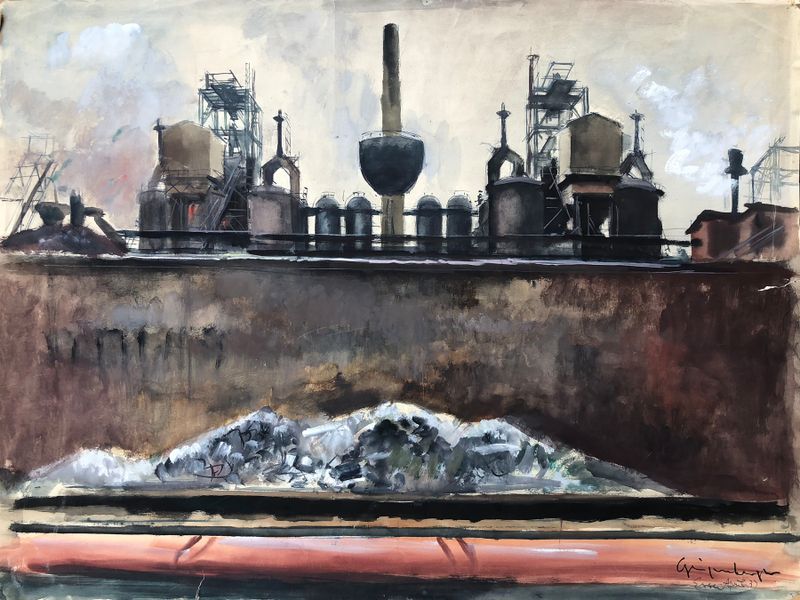
Stahlwerk Krupp in Essen
Otto Geigenberger

Landschaft mit Kirche
Otto Geigenberger

Passau am Inn 2
Otto Geigenberger
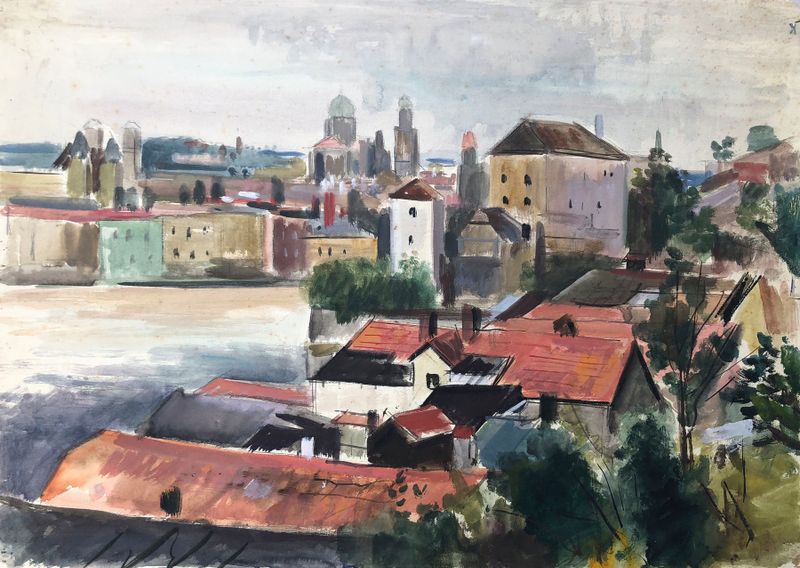
Passau am Inn
Otto Geigenberger
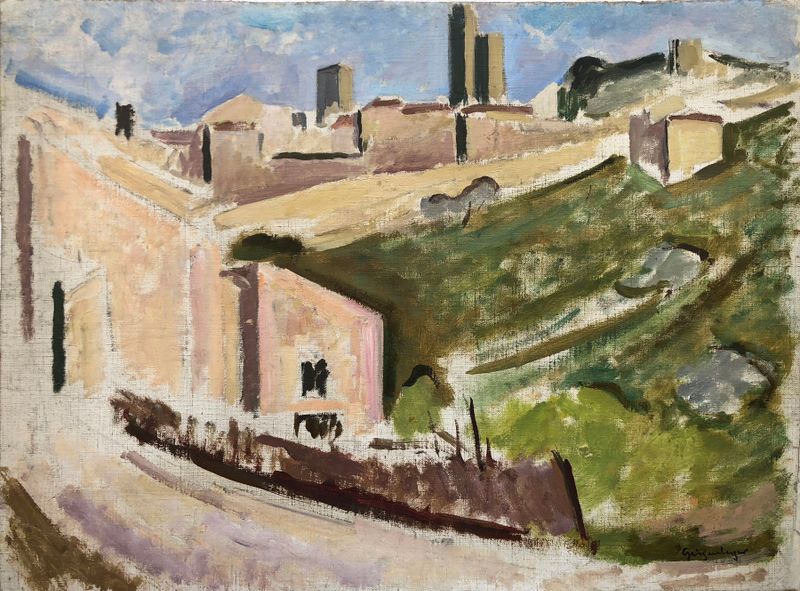
Südliche Stadt auf einem Hügel
Otto Geigenberger

Wasserburg am Inn – Häuserpartie am Inn
Otto Geigenberger

Wasserburg am Inn – Innfront
Otto Geigenberger
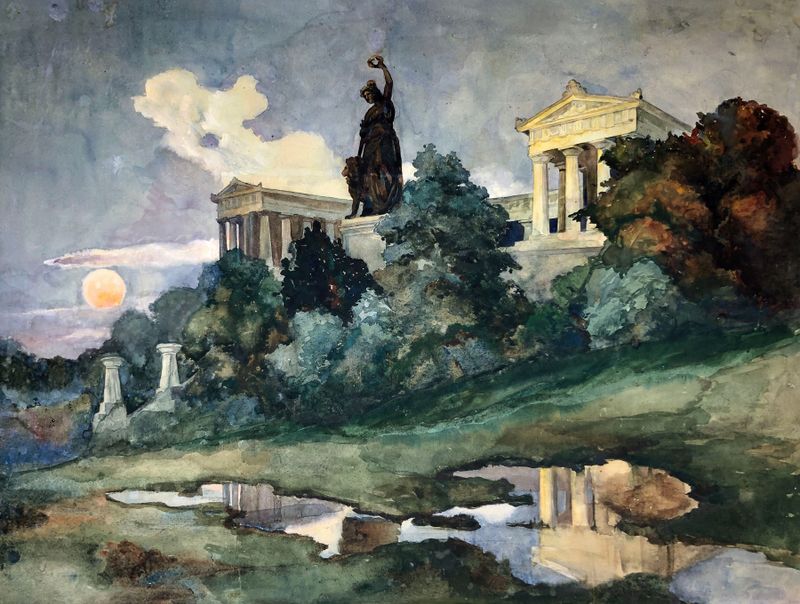
Sonnenuntergang an der Bavaria und Ruhmeshalle in München
Otto Geigenberger
Wasserburg am Inn – Innfront.
Otto Geigenberger





