
Hall of the Ambassadors, Alhambra, Granada — History & Facts
In the embrace of light and shadow, divine beauty transcends the ordinary, bridging the gap between the tangible and the ethereal. Focus first on the intricate details of the mosaic tiles that shimmer along the lower walls, each piece telling a story of craftsmanship and history. Notice how the sunlight streams through arched windows, casting delicate patterns that dance across the space, illuminating the figures that inhabit this hall. The vibrant blues and rich golds harmonize to evoke a sense of serenity, inviting viewers to explore not just the scene but the stories interwoven within each hue. The juxtaposition of grandeur and intimacy speaks volumes; while the architecture looms large, the figures engaged in quiet conversation draw us in closer.
Their expressions, a mix of contemplation and reverence, reflect the hall's sacred atmosphere. Here, the interplay between light and shadow is not just aesthetic — it symbolizes the duality of existence, where the divine meets the mundane, suggesting a deeper meditation on the human experience. In 1909, Joaquín Sorolla painted this remarkable piece during a period of burgeoning interest in impressionism and light. While based in Spain, Sorolla was gaining international acclaim for his ability to capture the essence of light in his work.
The Alhambra, a marvel of Islamic architecture, served not only as a backdrop but as a source of inspiration, merging history and culture with the artist's unique vision, allowing viewers to glimpse the divine within the earthly realm.
More Artworks by Joaquín Sorolla
Browse all →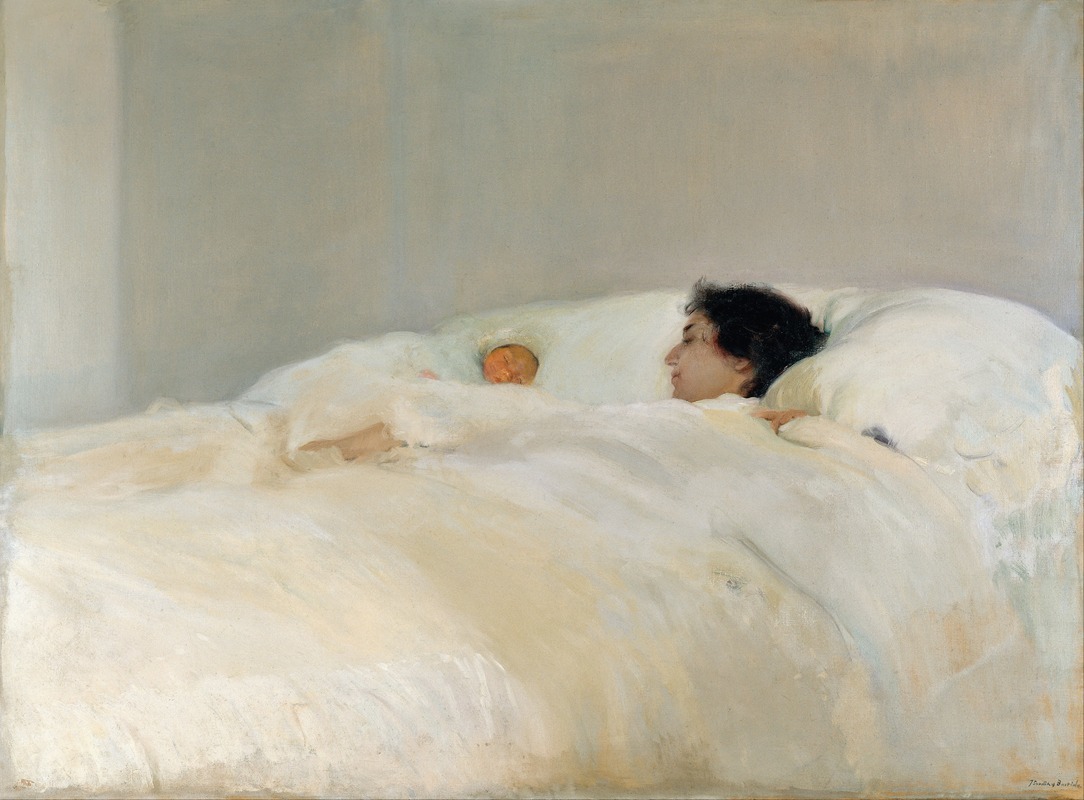
Mother
Joaquín Sorolla
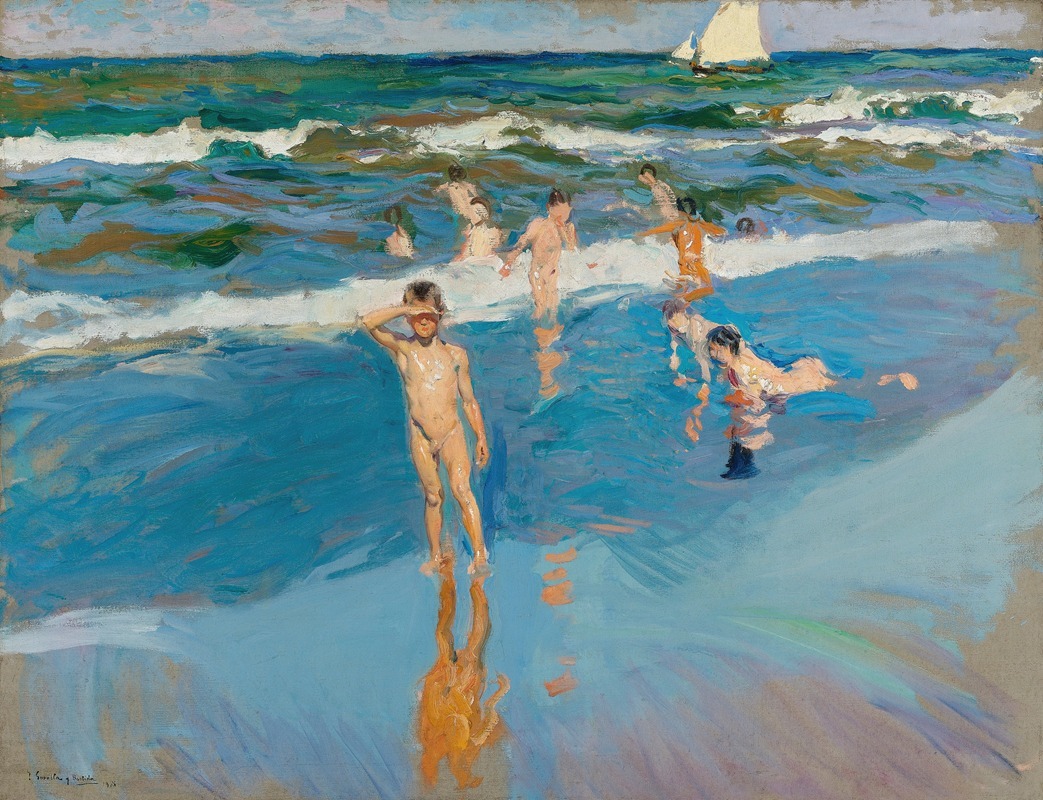
Children In The Sea, Valencia Beach
Joaquín Sorolla
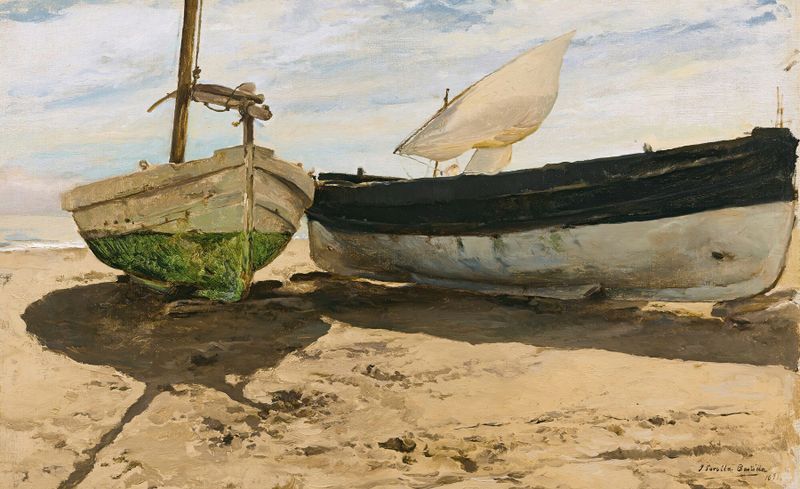
Fishing Boats On The Beach, Valencia
Joaquín Sorolla
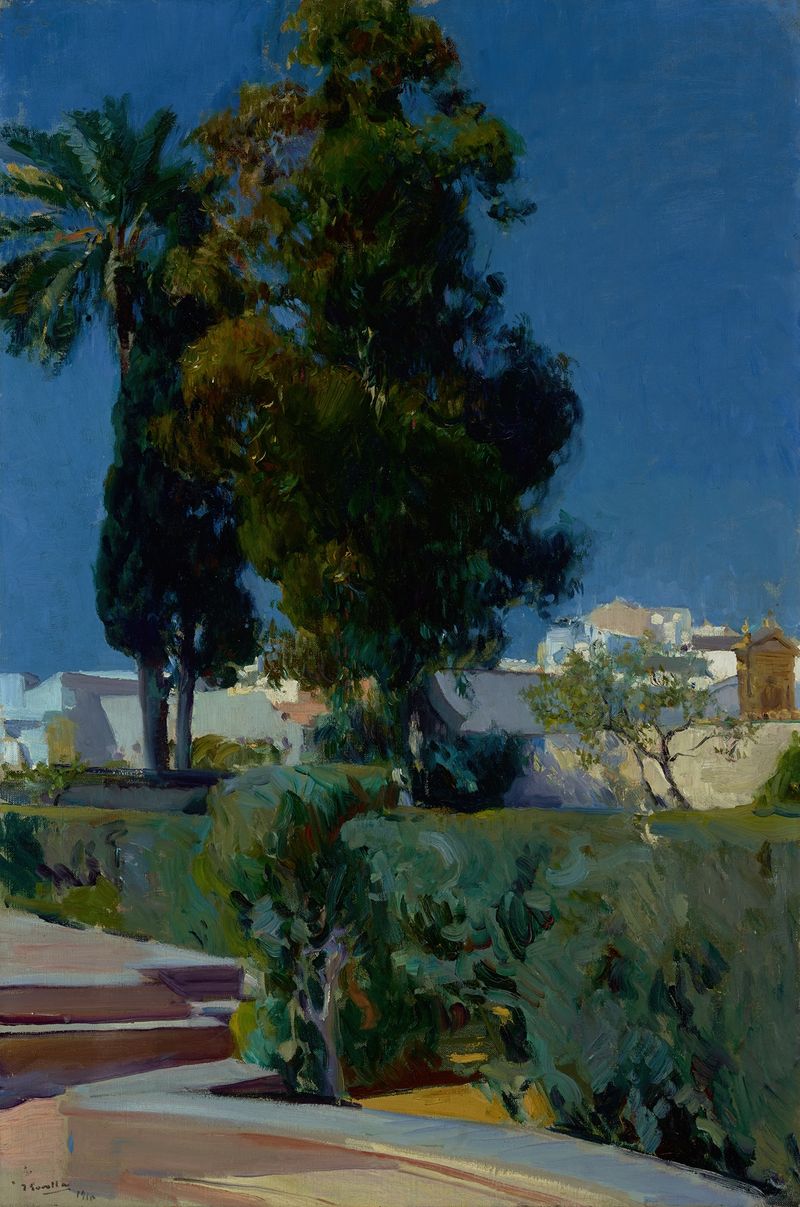
Corner of the Garden, Alcazar, Sevilla
Joaquín Sorolla
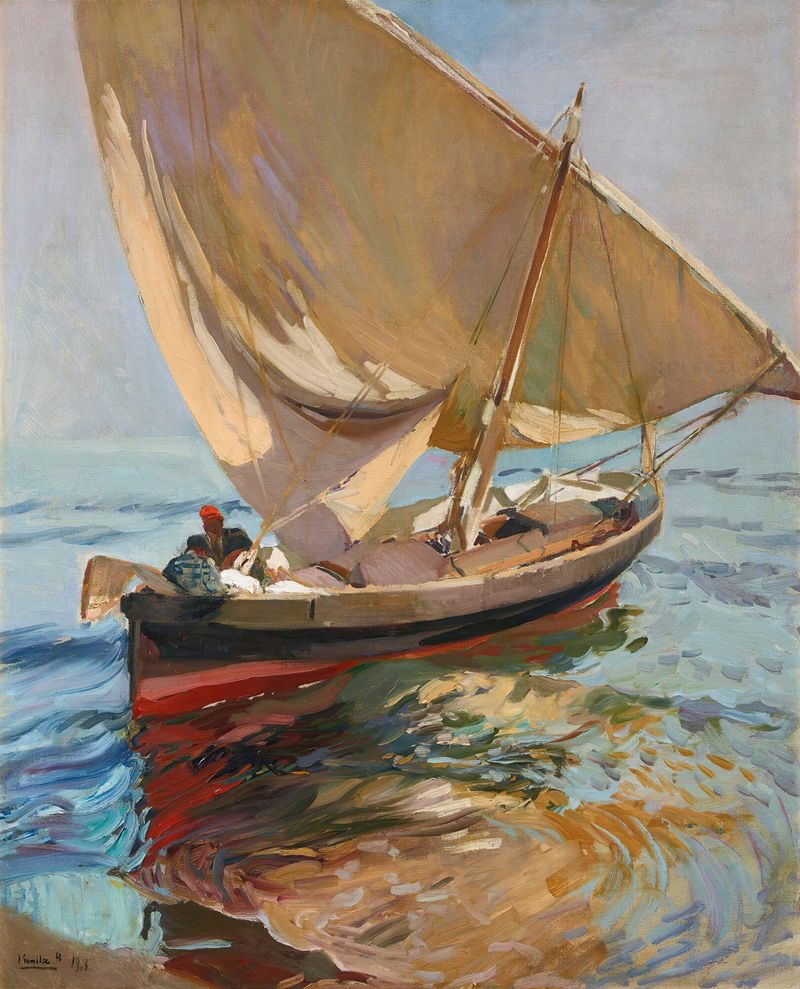
Camino De La Pesca. Valencia (Setting Out To Sea. Valencia)
Joaquín Sorolla
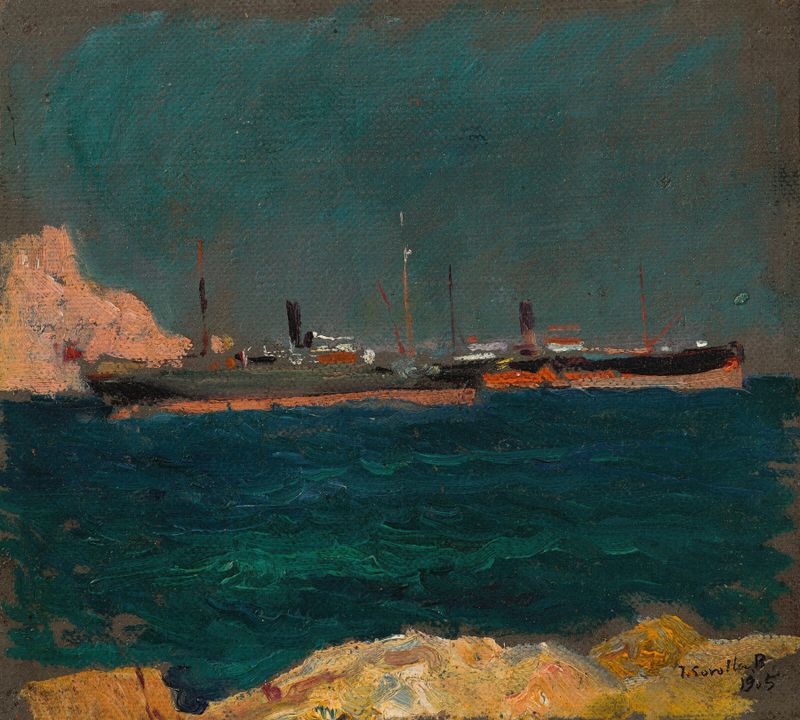
Puerto de Jávea (II)
Joaquín Sorolla
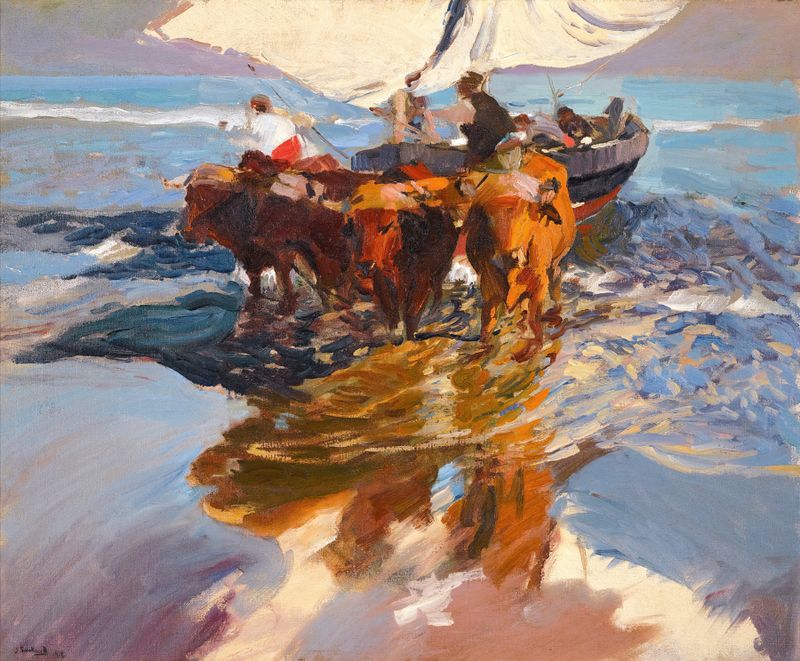
Vuelta De La Pesca. Playa De Valencia (The Return From Fishing, Valencia Beach)
Joaquín Sorolla
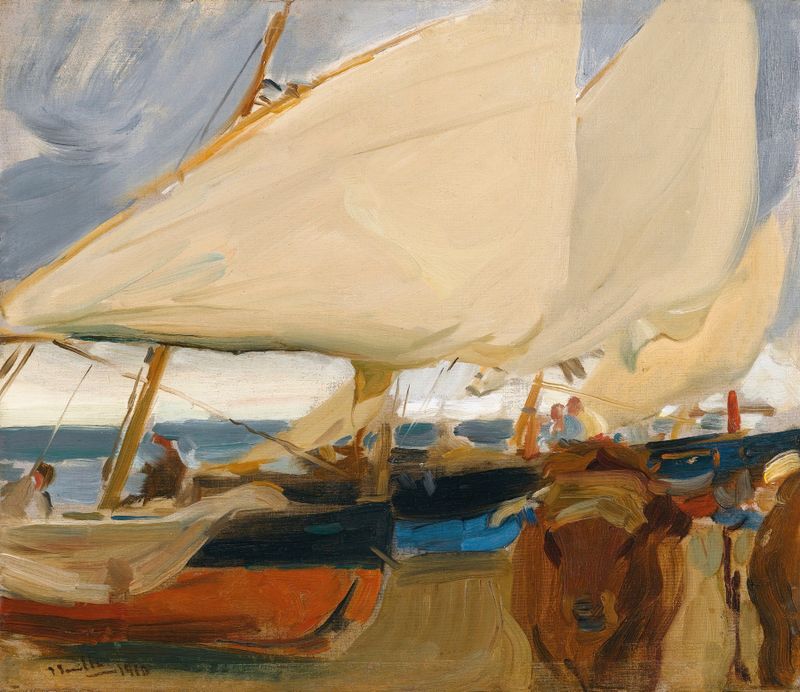
Playa De Valencia
Joaquín Sorolla
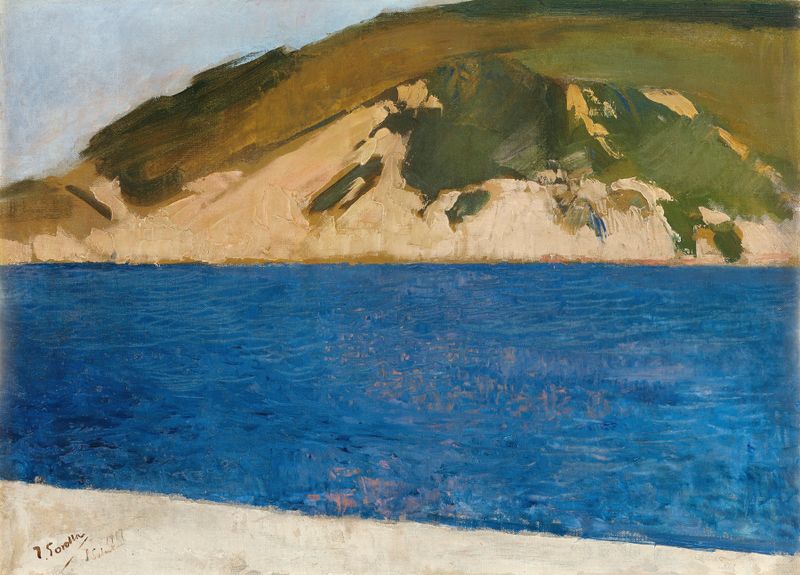
Monte Ulía, San Sebastián
Joaquín Sorolla
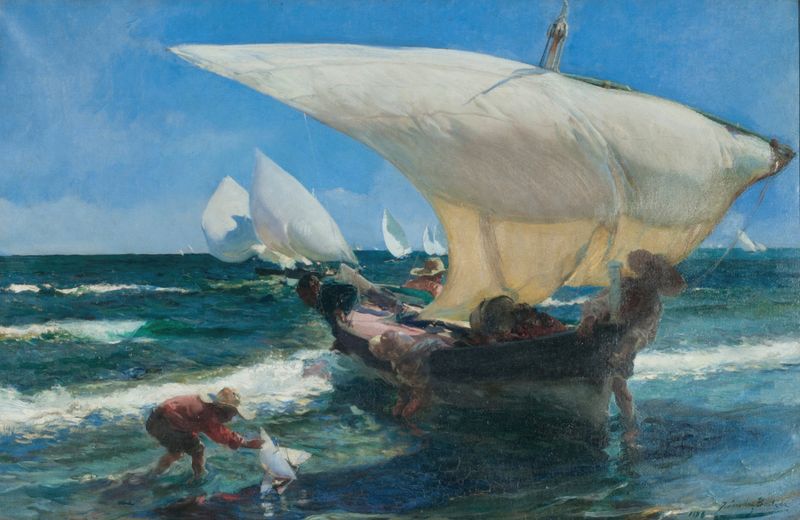
En la costa de Valencia
Joaquín Sorolla





