Hallstatt — History & Facts
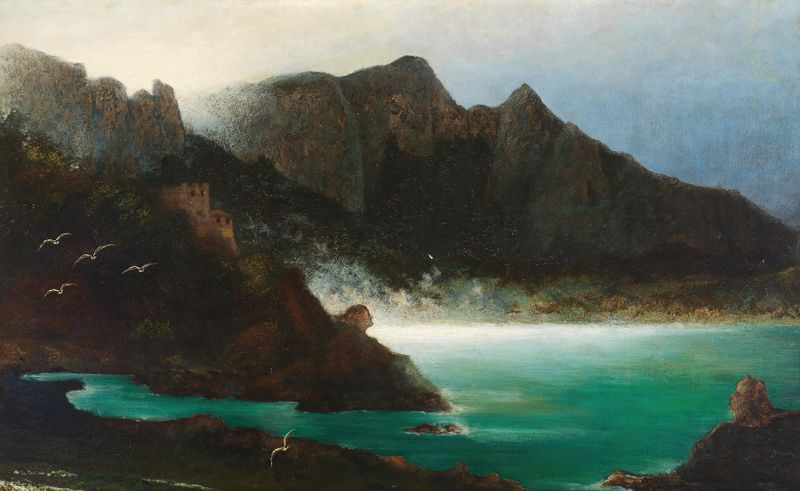
What if silence could speak through light? In a world bustling with noise, desire often finds its purest expression in the gentle glow of stillness. Look to the left of the canvas, where a tranquil lake reflects the soft hues of dawn. The delicate interplay of light and shadows illuminates the quiet village nestled among the mountains. Observe how the brushstrokes meld seamlessly, creating an ethereal mist that envelops the scene, blurring the boundary between reality and dream.
The palette, dominated by serene blues and warm earth tones, invites the viewer to breathe in the serenity of this hidden gem. However, beneath its serene surface lies an undercurrent of longing. The distant mountains, majestic yet isolating, evoke a sense of yearning for connection—both to nature and to those who inhabit it. The calm waters, while peaceful, hint at depths uncharted, inviting contemplation on the desire for discovery and the unspoken stories of the village.
Each element, from the distant peaks to the quaint cottages, holds a mirror to the viewer's own aspirations and memories. In 1881, Gustav Barbarini painted this masterpiece during a period marked by artistic exploration and a growing fascination with the natural world. Living in a time when realism was gaining momentum, he sought to capture the elusive beauty of his surroundings in Hallstatt, a picturesque village in Austria. It was a moment when artists like him were beginning to express deeper emotional truths through landscapes, laying the groundwork for future movements that would continue to dissect the relationship between humanity and nature.
More Artworks by Gustav Barbarini
Browse all →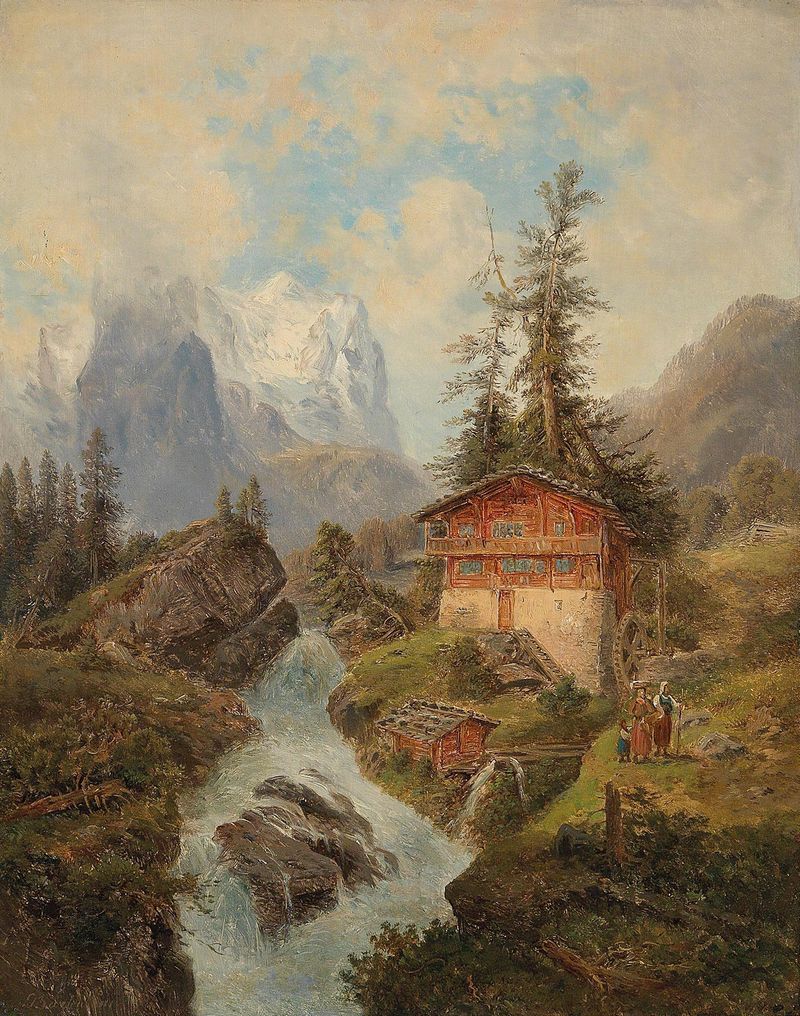
Das Wetterhorn
Gustav Barbarini
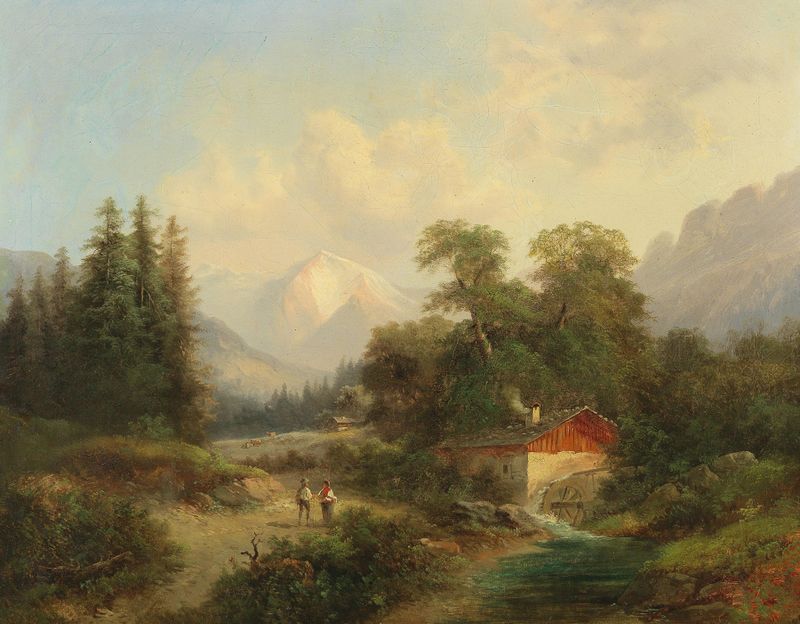
View of the Breite Riss, Puchberg in the Schneeberg Region
Gustav Barbarini
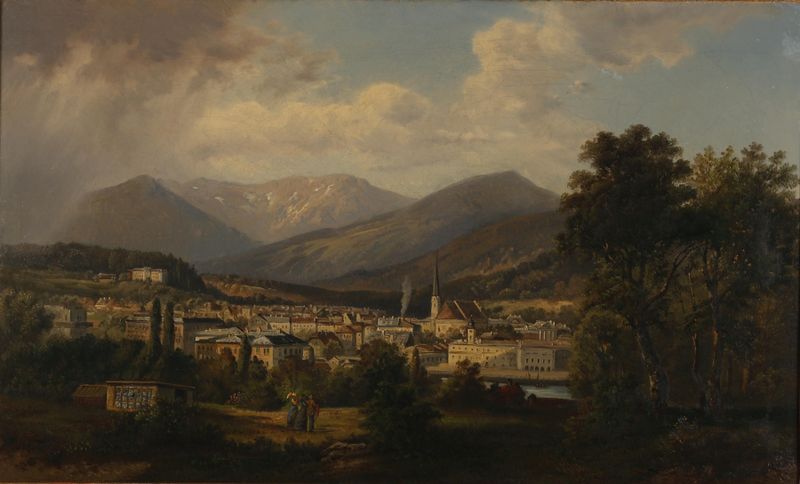
Blick auf Bad Ischl
Gustav Barbarini
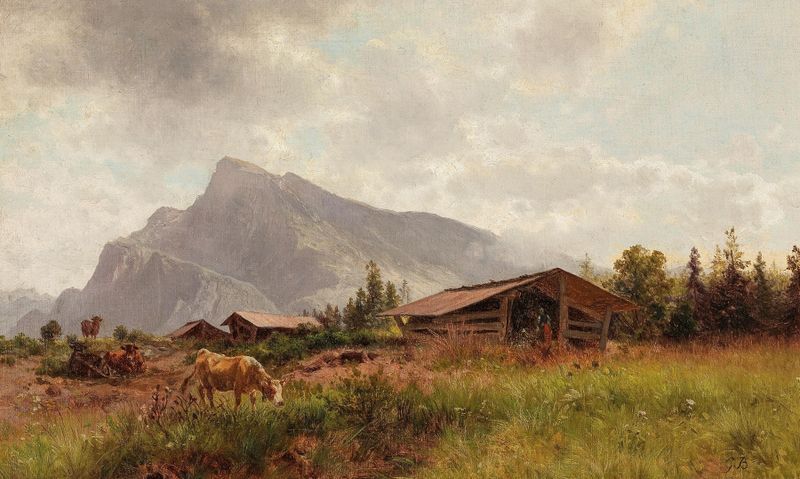
A View of Untersberg from Wals
Gustav Barbarini
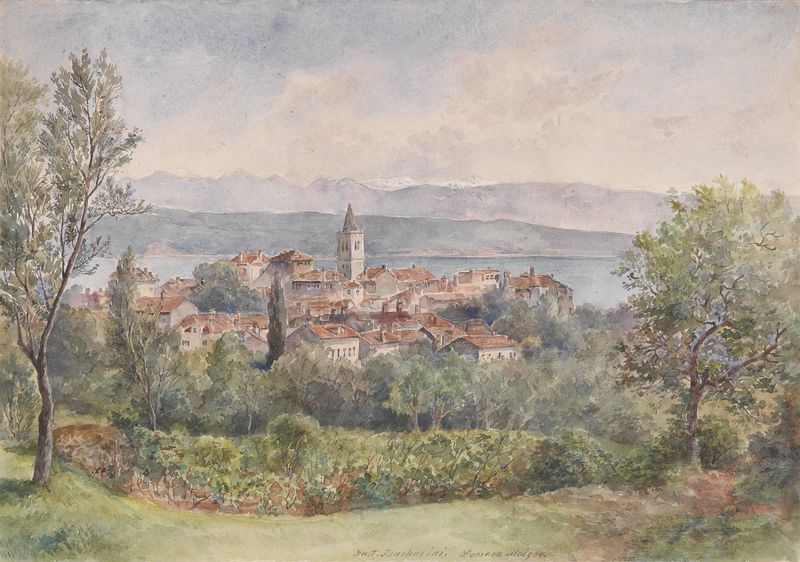
Blick auf Lovran
Gustav Barbarini
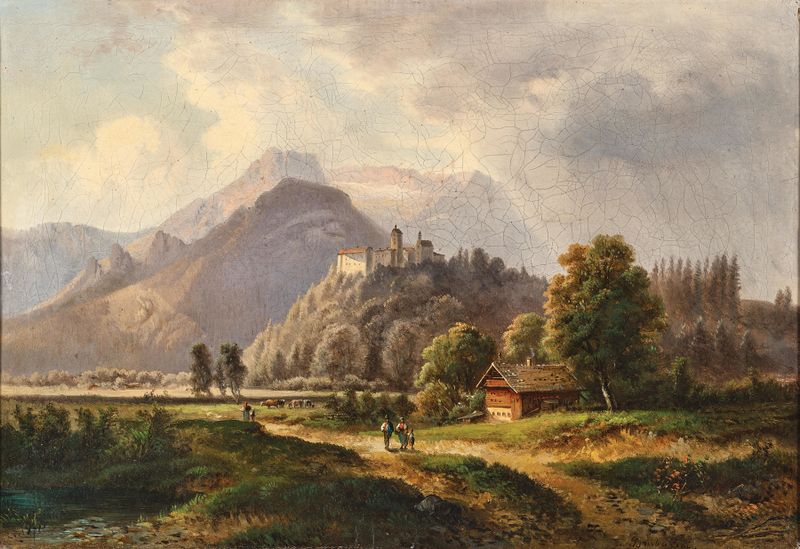
A View of the Glanegg Castle Ruins
Gustav Barbarini
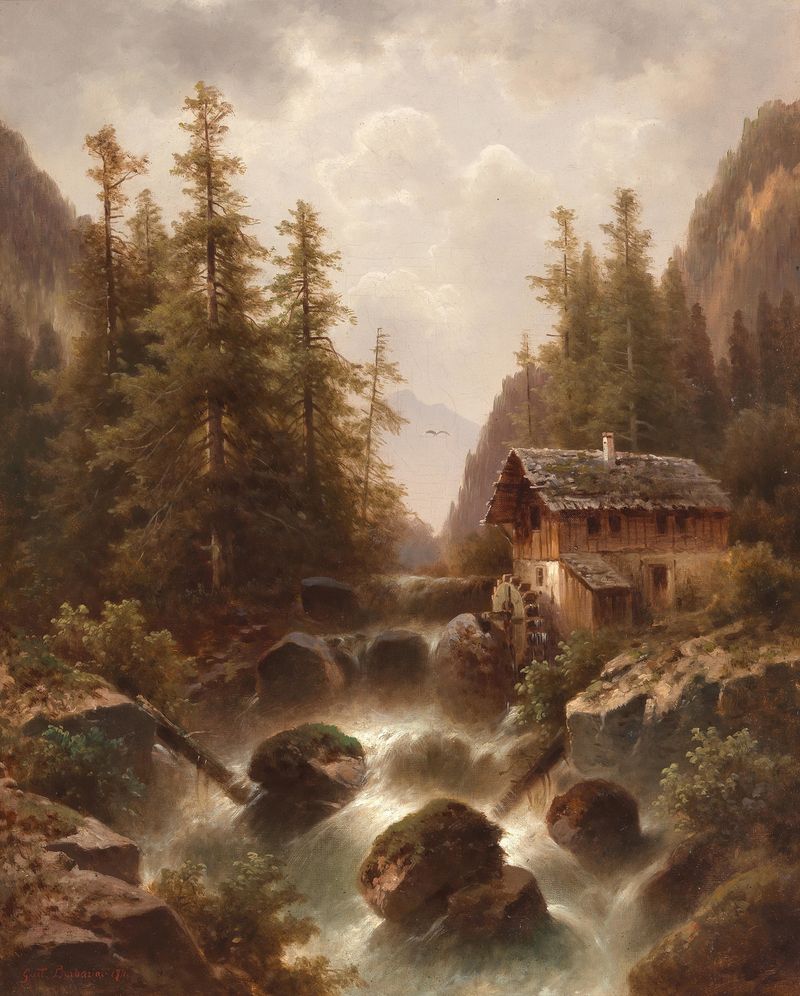
A Mill by a Mountain Torrent
Gustav Barbarini
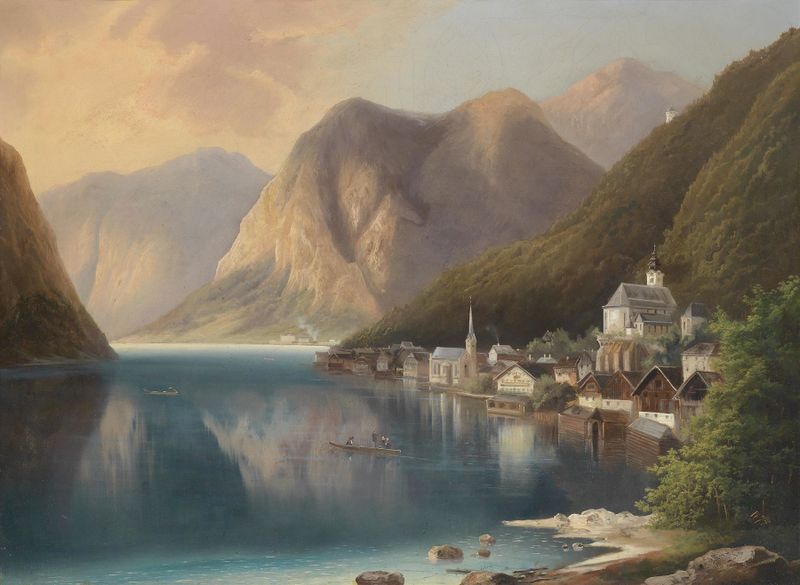
Blick auf Hallstatt
Gustav Barbarini
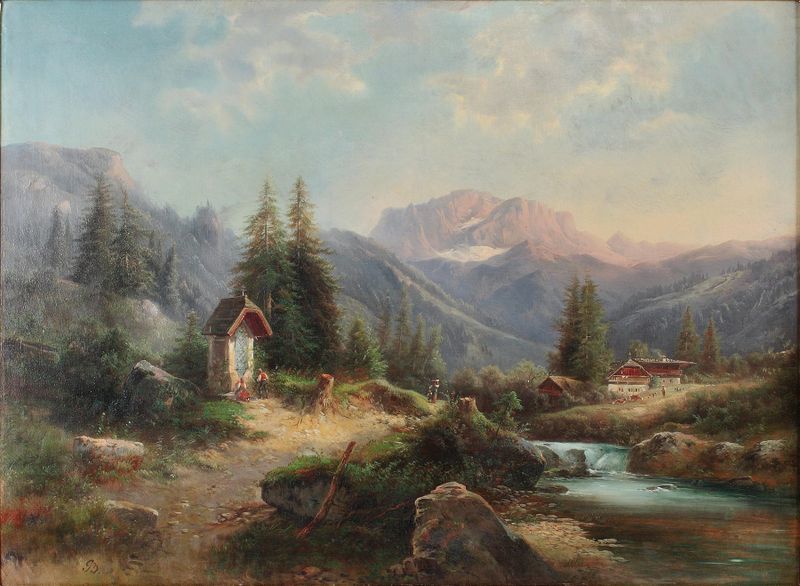
Bachlandschaft mit Figurenstaffage
Gustav Barbarini
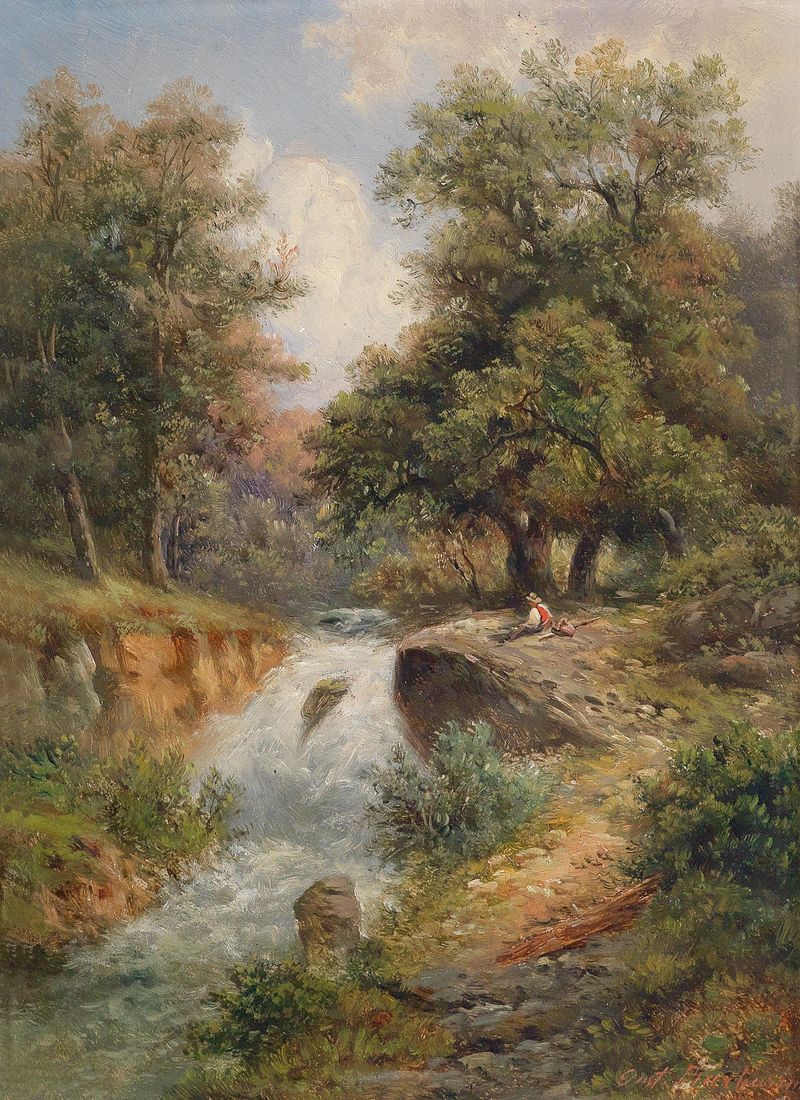
Wasserfall in Tirol in Windisch-Matrei
Gustav Barbarini