
Happach — History & Facts
It invites us to reflect on the divine, the unexplored spaces between humanity and the celestial. Look to the center where a radiant figure emerges, draped in flowing robes that seem to flutter like whispers in the wind. Notice how the soft palette of golds and pastels bathes the scene in an ethereal glow, imbuing it with a sense of transcendence. The gentle brushstrokes create an almost tangible texture, drawing the eye to the harmonious interaction between light and shadow, as if the very essence of divinity is being revealed. Delve deeper into the subtle interplay of the human form and the celestial surroundings.
The figure’s serene expression evokes a sense of peace, yet the tension between the earthly and the divine is palpable, suggesting a yearning for connection. The contrast between the solid, earthly base of the composition and the upper realms that appear to shimmer with possibility highlights the duality of existence — a reminder of our innate desire to bridge the mundane with the sacred. Hans Thoma painted Happach in 1896, during a period of personal introspection and artistic evolution. At the time, he was grappling with the influence of romanticism and the emerging modernist ideals in the art world.
This work reflects his engagement with themes of spirituality and nature, embodying a quest for deeper meaning amidst the cultural shifts of the era.
More Artworks by Hans Thoma
Browse all →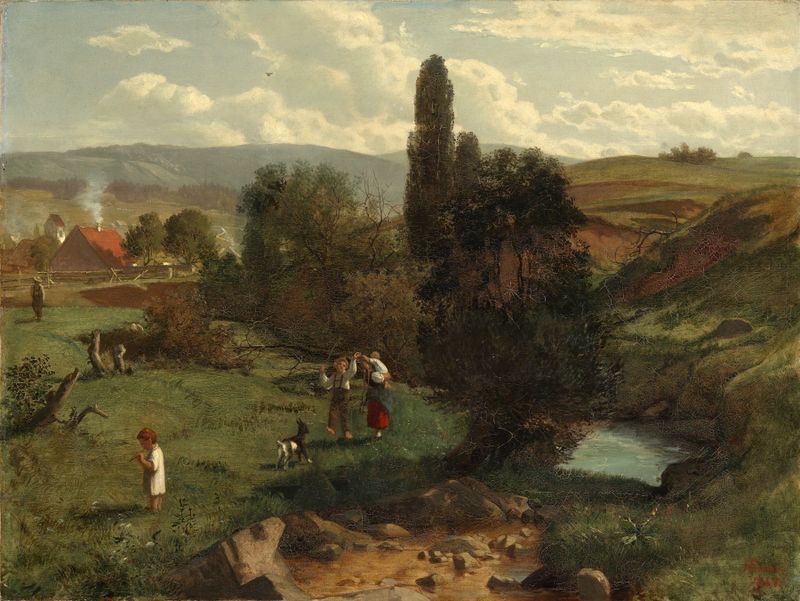
Schwarzwaldlandschaft
Hans Thoma
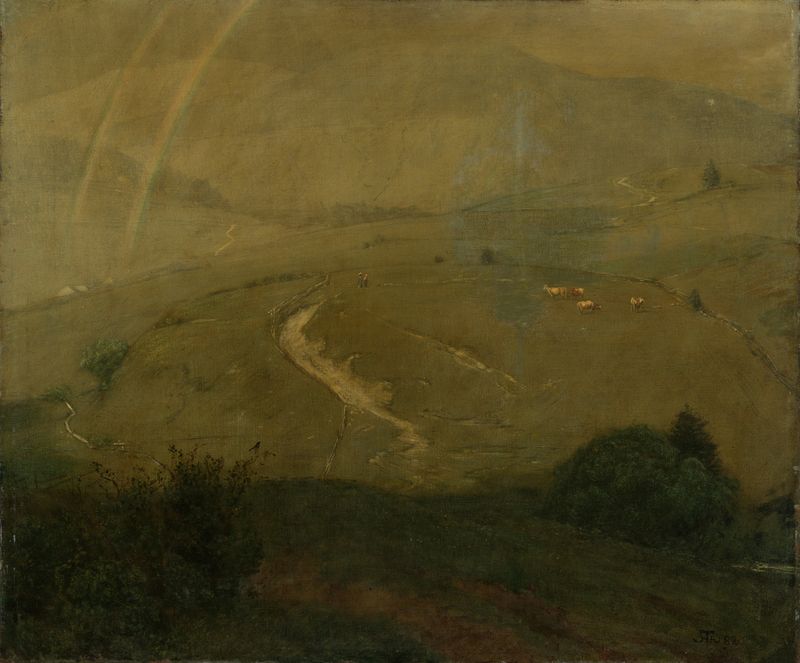
Regen im Schwarzwald
Hans Thoma
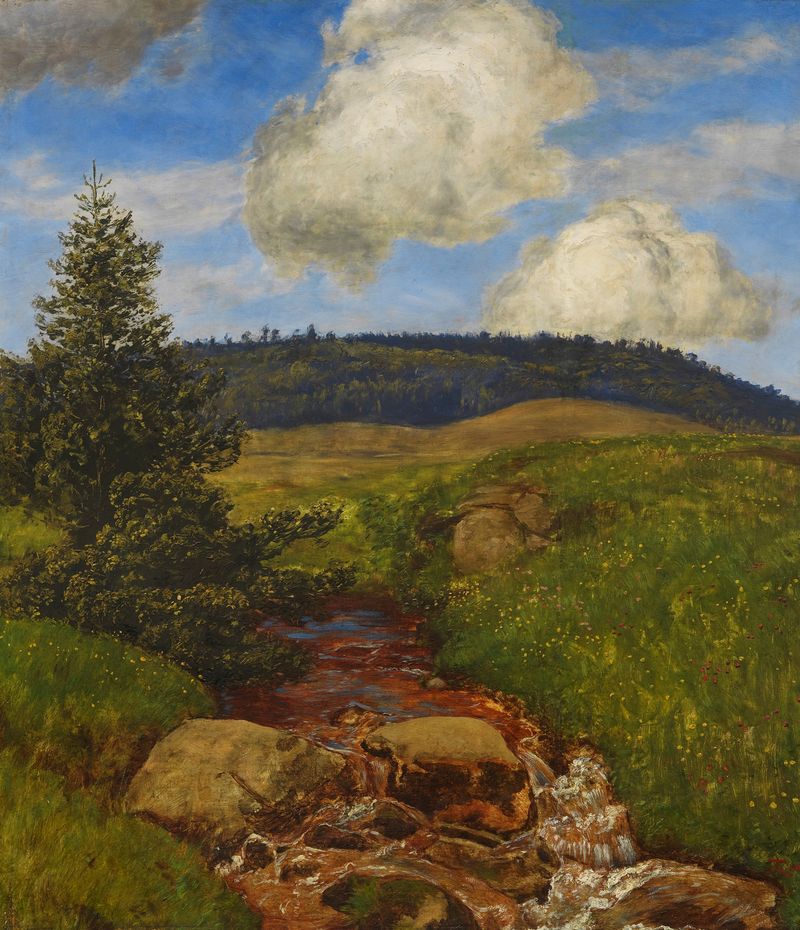
Schwarzwaldbach
Hans Thoma
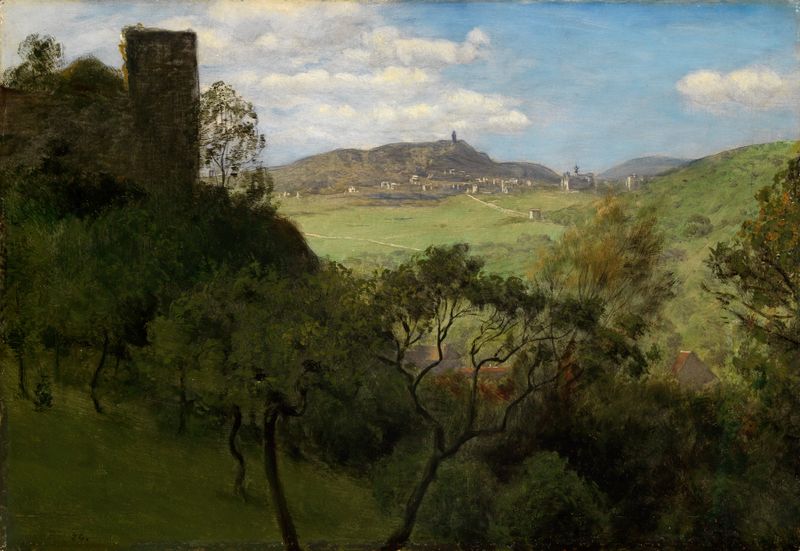
Blick auf Falkenstein im Taunus
Hans Thoma
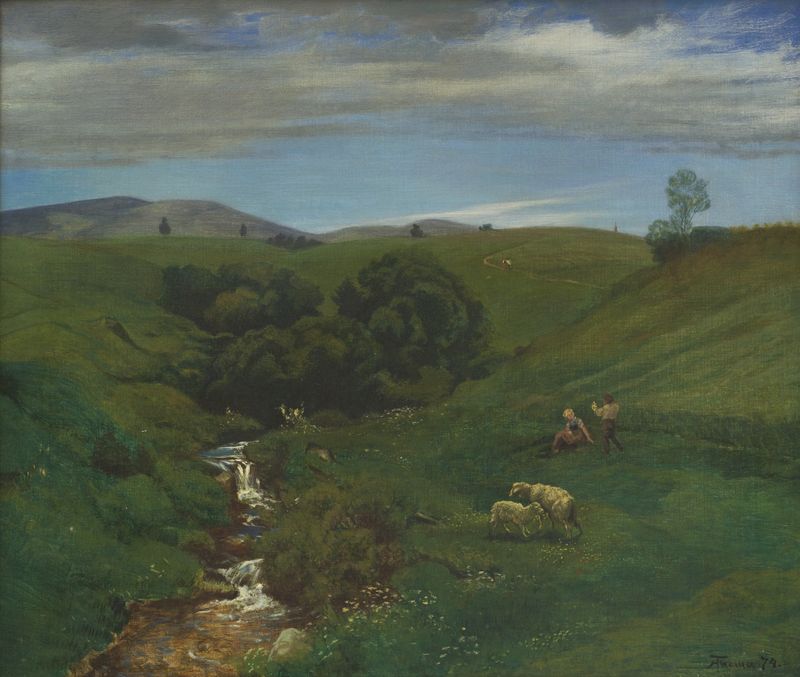
Black Forest Meadow near Bernau
Hans Thoma
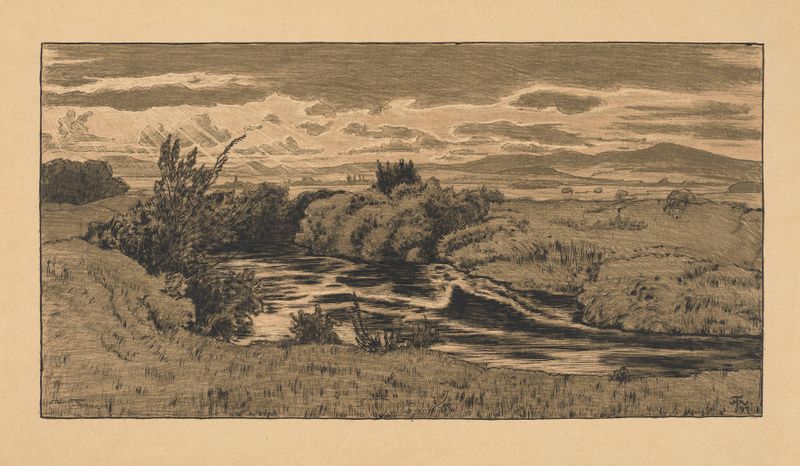
Evening by the Nidda River
Hans Thoma
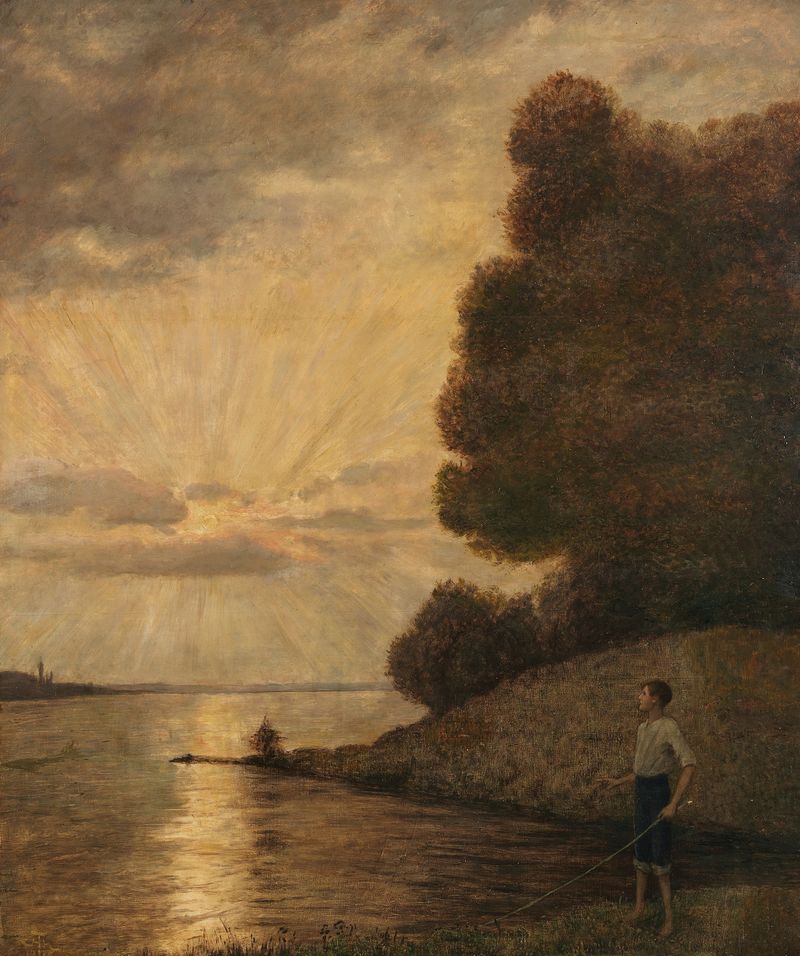
Sonnenuntergang am Oberrhein
Hans Thoma
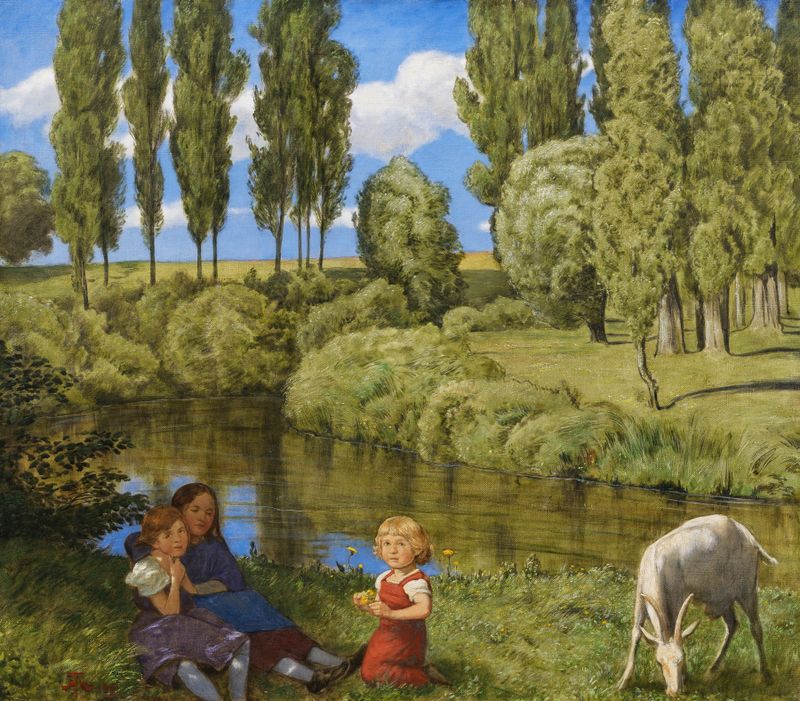
Am Stillen Bach
Hans Thoma
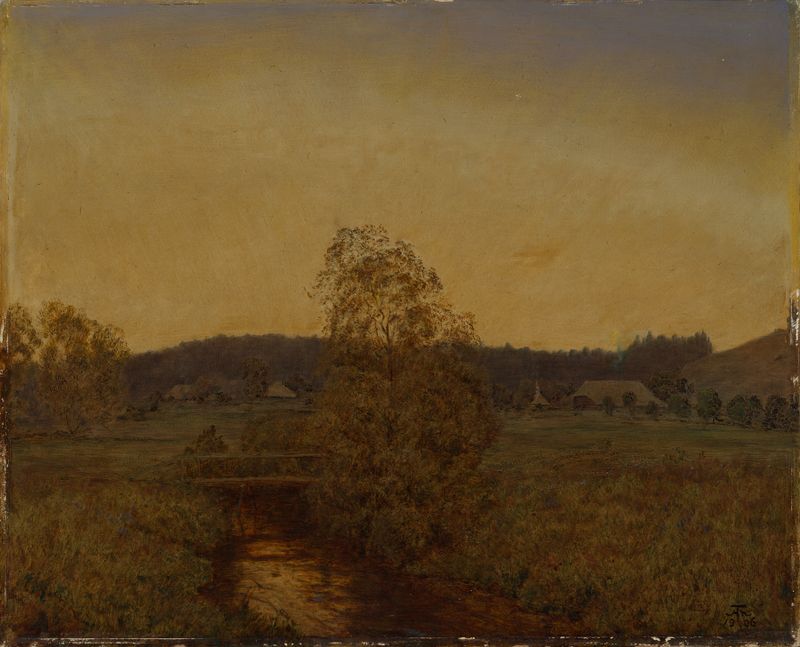
Der Abendstern
Hans Thoma
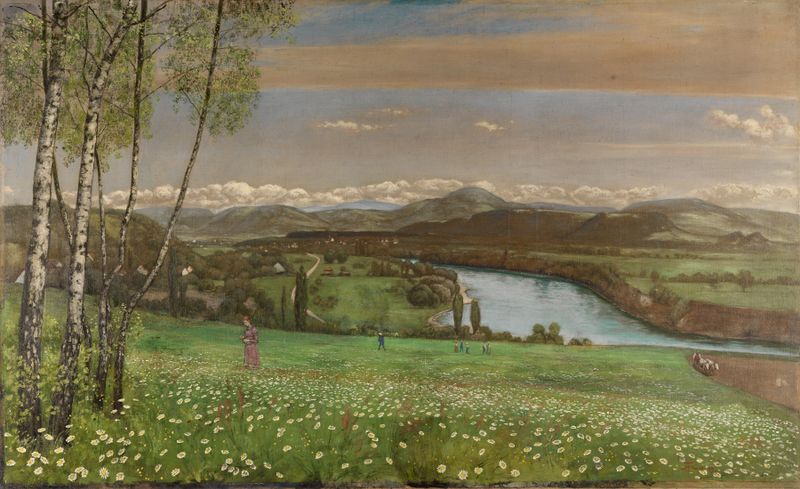
Das Rheintal bei Säckingen
Hans Thoma
More Religious Art
Browse all →
The Return of the Prodigal Son
Rembrandt van Rijn

The Garden of Earthly Delights
El Bosco

Count Orgaz’ funeral
El Greco

The Hundred Guilder Print: the central piece with Christ preaching, the plate arched
Rembrandt van Rijn

The Descent from the Cross
Rogier van der Weyden

The return of the prodigal son
Rembrandt van Rijn