Harvesting the Vines — History & Facts
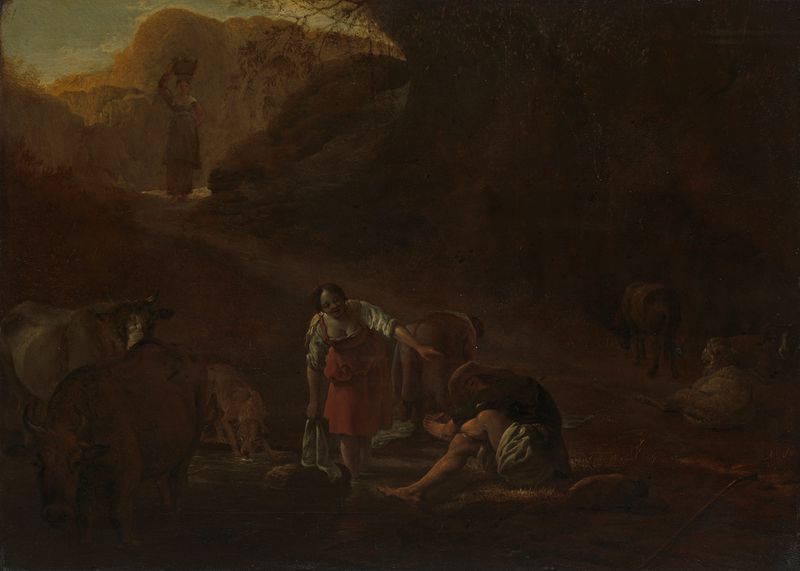
In the delicate spaces of life, fragility holds immense power, weaving stories of labor, nature, and time. Focus first on the vibrant greens and earthy browns that dominate the canvas, drawing your gaze into a lush vineyard. Notice how the light dances upon the leaves, illuminating the rich textures of the vines. The figures, modest and bent to their task, embody a harmony with the land, their gestures both tender and purposeful as they harvest the fruits of their labor.
Each stroke of color captures not just the physical act but also the emotional weight of their toil. As you observe, consider the contrast between the vitality of the vines and the subtle weariness of the workers. The jubilant splashes of ripe grapes suggest abundance and life, yet the bent postures hint at the fragility and fleeting nature of this bounty. The composition speaks to a sacred balance, where joy and hardship coexist, revealing deeper truths about the human experience—the joy of harvest coupled with the toil it demands. Created in the early to mid-17th century, this artwork emerged during a period of burgeoning artistic exploration in the Netherlands, characterized by vivid realism and intimate portrayals of everyday life.
Pieter Bodding van Laer captured this moment amidst a society that was reflecting on agricultural abundance and its relationship with nature. His work exemplifies the era’s fascination with the harmony of labor, capturing both the beauty and fragility inherent in human endeavor.