
Haymaking — History & Facts
In the quiet embrace of nature, the innocence of labor unfolds, revealing the delicate balance between toil and tranquility. Look to the left at the gentle golden hues of the ripe hay, its texture rendered with a tenderness that invites touch. Each stroke brings life to the scene, as figures work amidst sprawling fields, their bodies harmonizing with the landscape. Notice how light dances across the scene, highlighting the warmth of the sun and the cool shadows that offer respite.
The earthy palette not only reflects the season's bounty but also instills a sense of serenity, inviting viewers to breathe in the scene. Beneath the surface, this composition whispers of nostalgia and simplicity. The engrossed workers, cloaked in silence, symbolize a connection to the land — a poignant reminder of life's rhythms. The gentle rise and fall of the hills in the background suggest a timeless cycle, while the subtle play of light hints at the fleeting moments of joy that often slip away unnoticed.
Here, innocence is not merely portrayed; it is celebrated in the steadfast labor that speaks to the heart of rural existence. Created during a period when natural landscapes were gaining renewed appreciation, the artist captured this scene amidst a burgeoning interest in the pastoral and romantic. De Wint, working in England in the early 19th century, sought to convey not only the visual beauty of the countryside but also the spirit of its people, harmonizing human activity with the serenity of nature. This painting reflects a world where innocence and effort intertwine, creating a timeless connection to the land.
More Artworks by Peter De Wint
Browse all →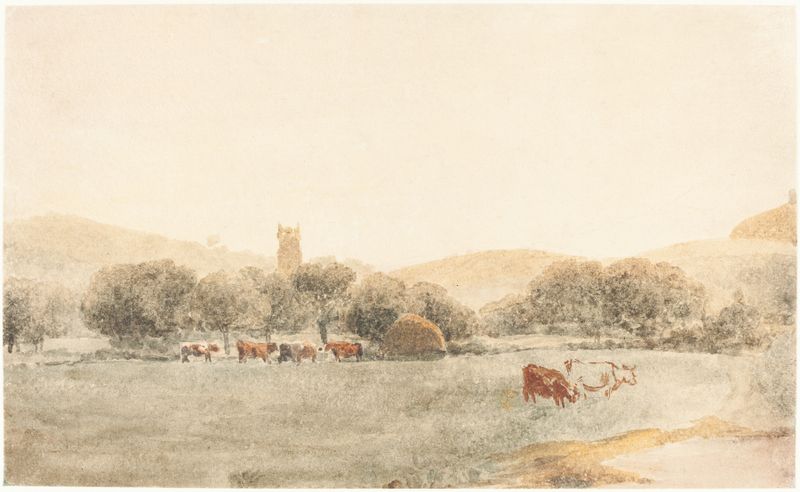
A Meadow with Cattle near Glastonbury
Peter De Wint
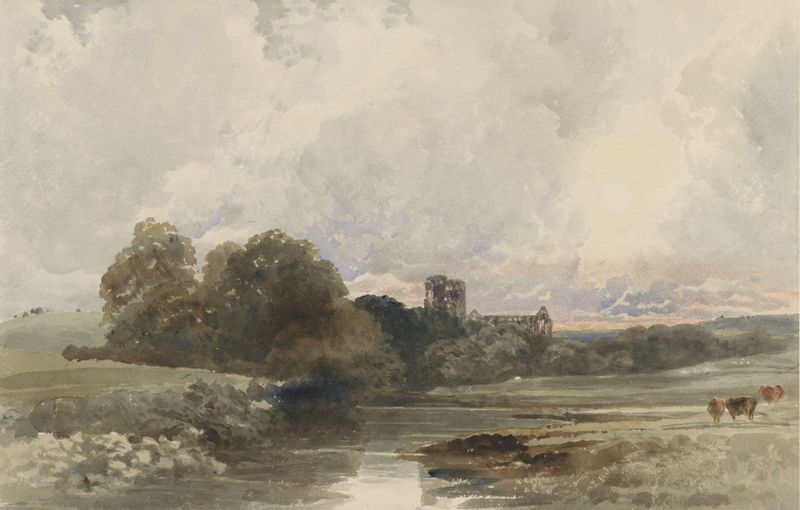
Avondlandschap met de ruïne van Kirkstall Abbey, Yorkshire
Peter De Wint
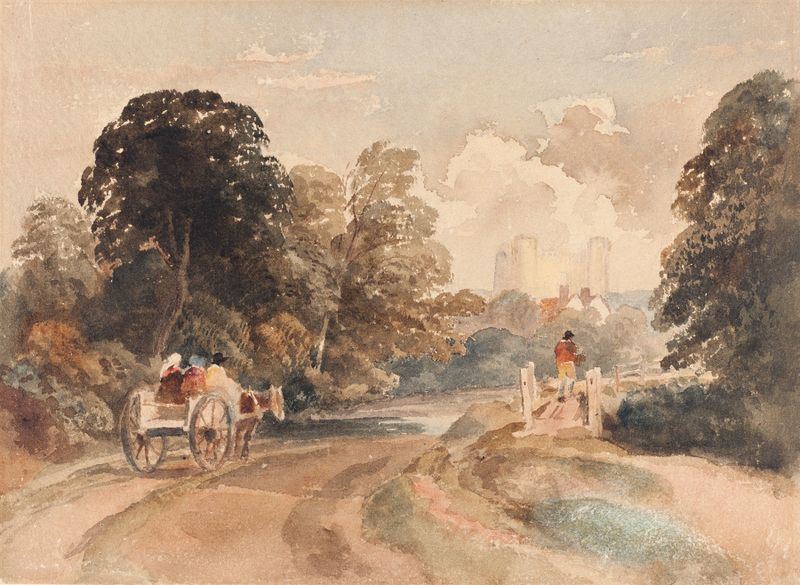
Landscape
Peter De Wint

Welsh Landscape with Cattle
Peter De Wint
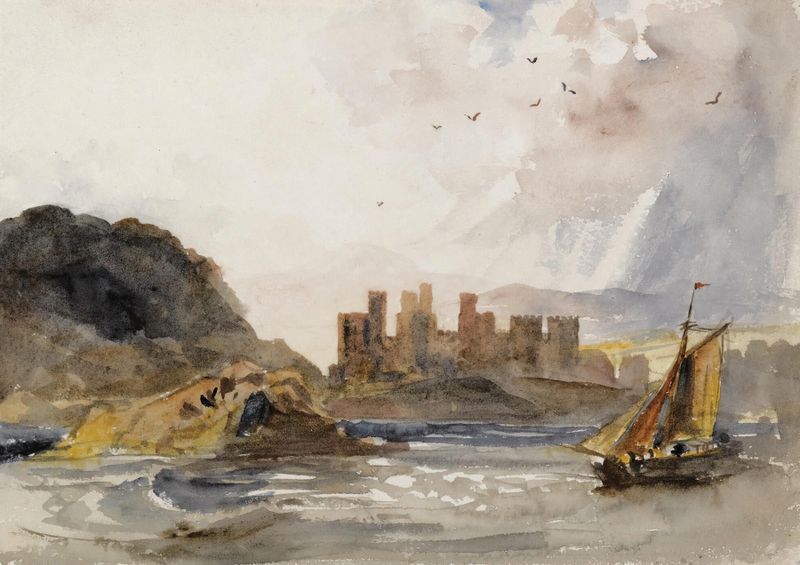
Conway Castle, North Wales
Peter De Wint

Evening on the Foss Dyke near Lincoln
Peter De Wint
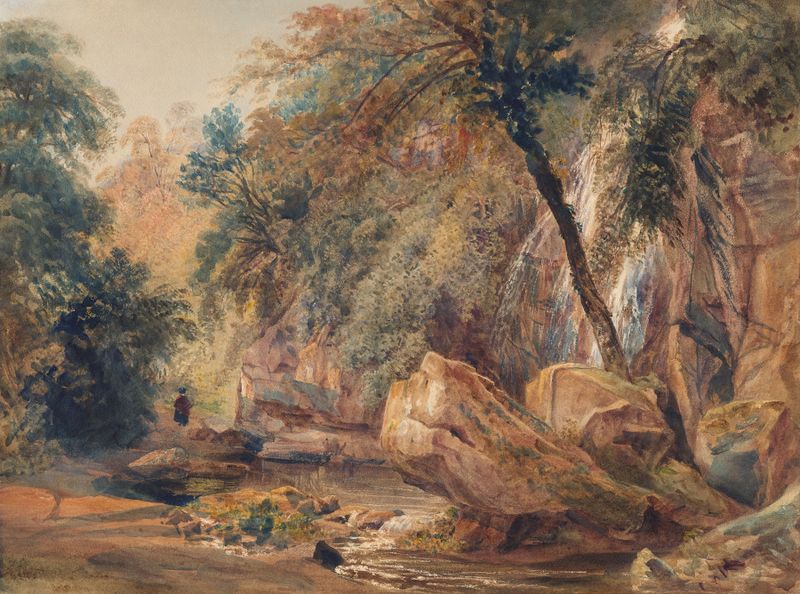
Waterfall in the Dingle at Badger Hall
Peter De Wint

Harvesting
Peter De Wint

Neath Abbey
Peter De Wint

Farmyard at Compton
Peter De Wint





