Heaven Weeping upon the Rubble — History & Facts
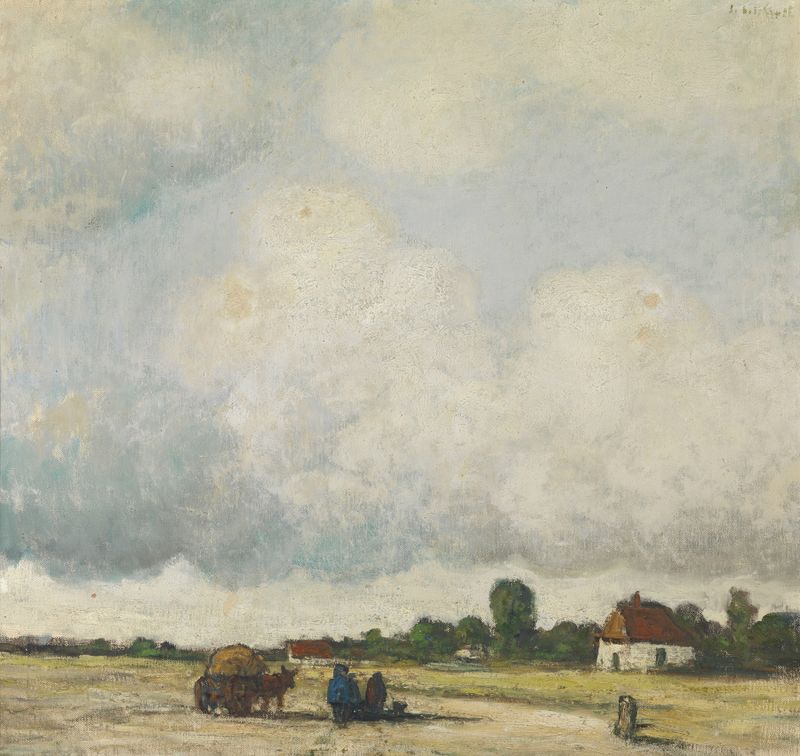
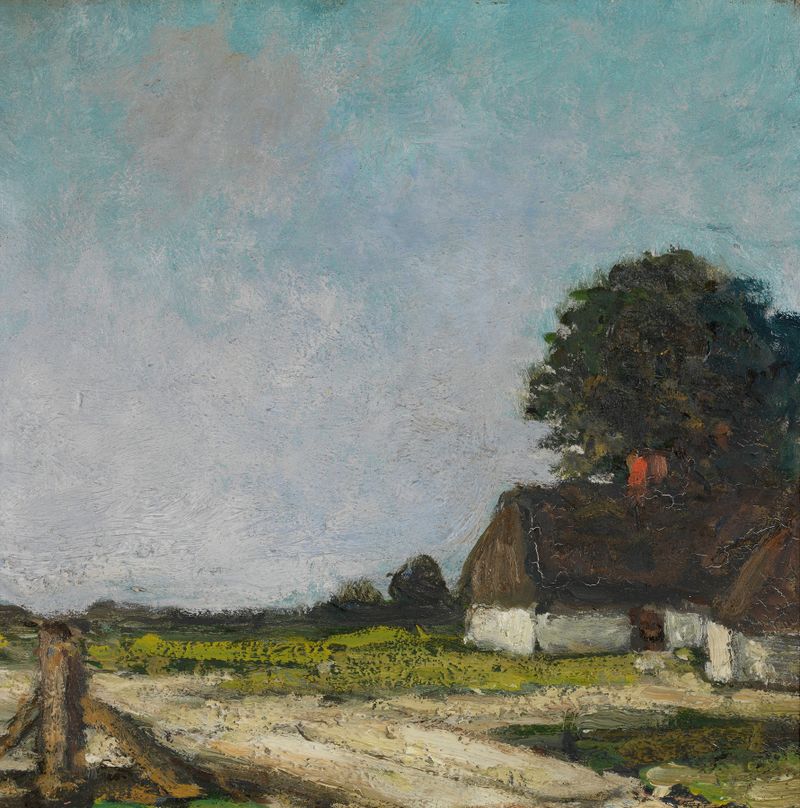
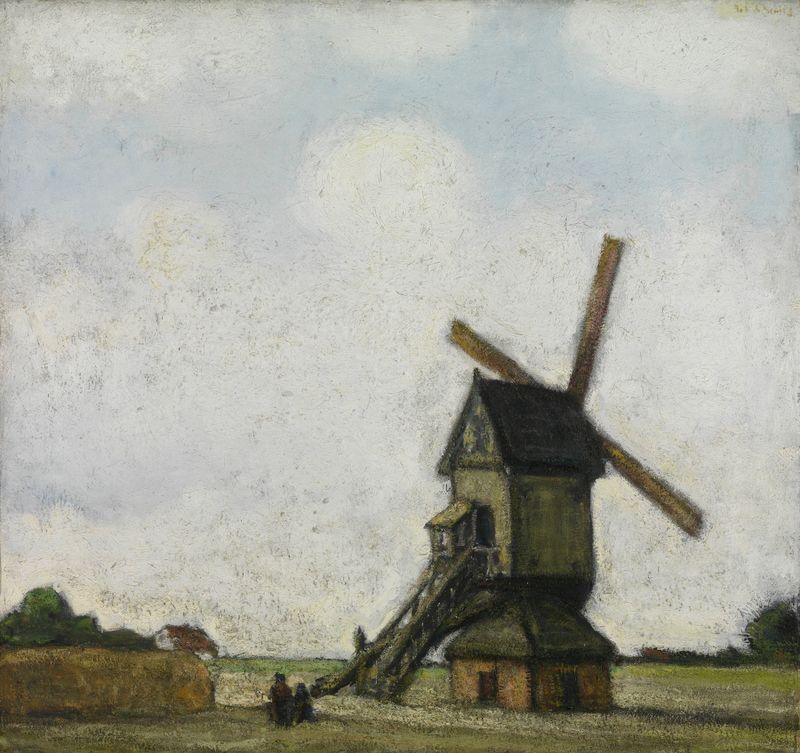
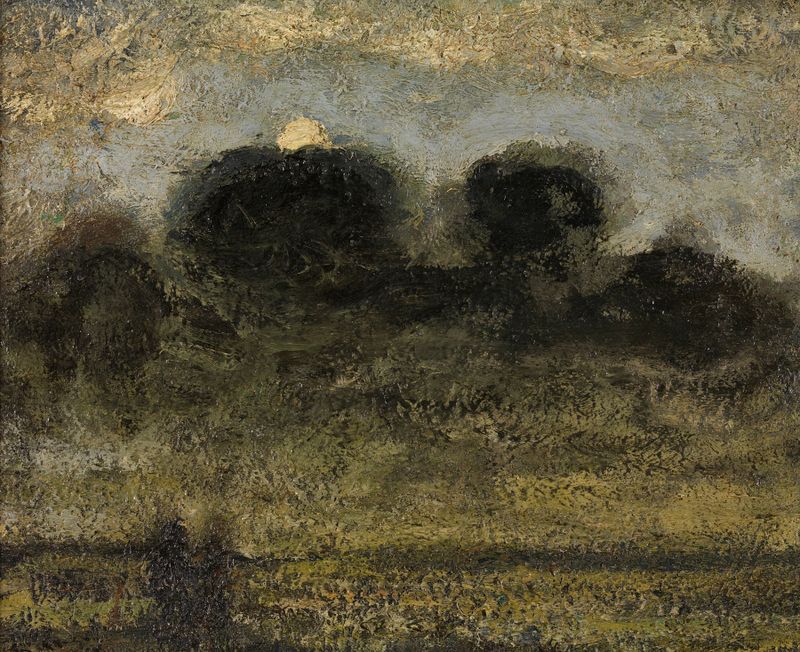
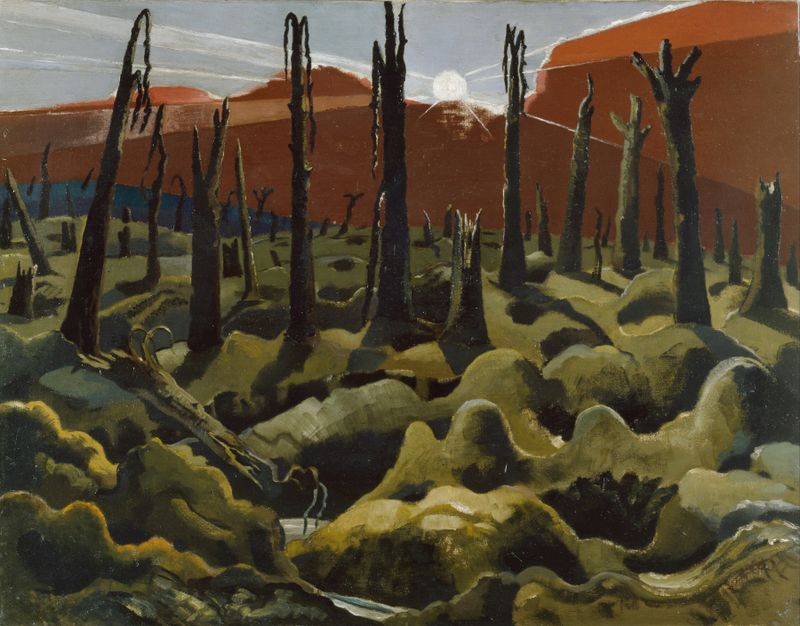
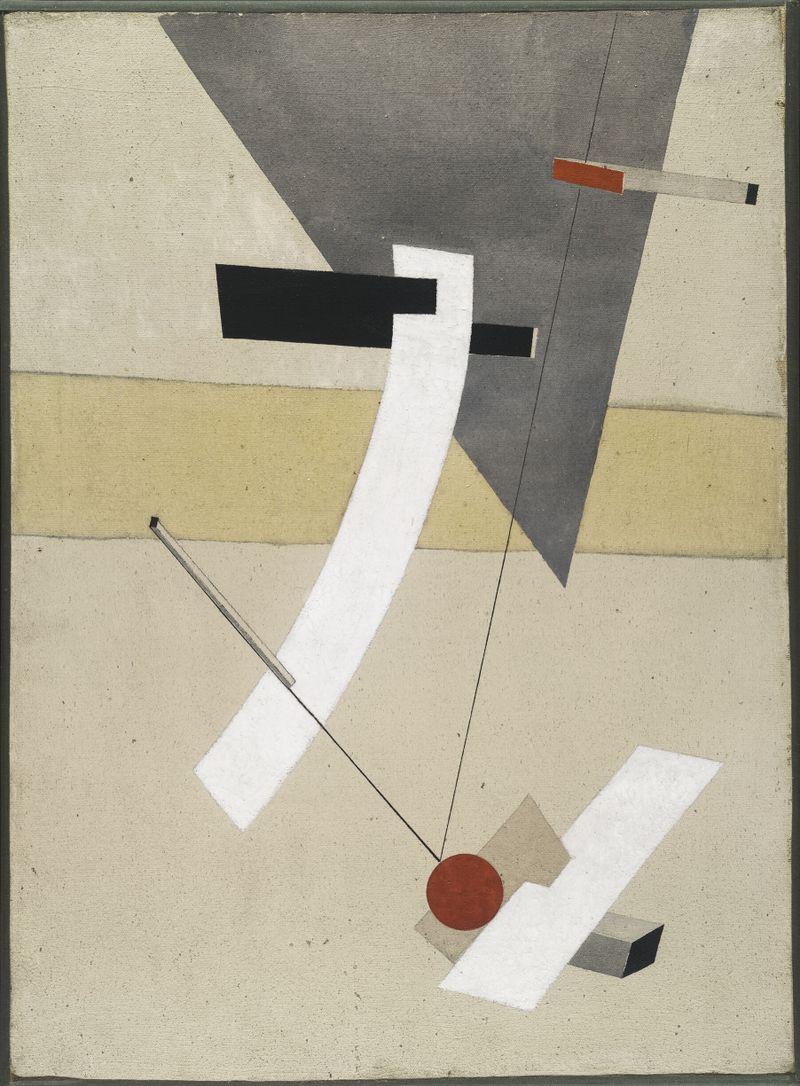
What if beauty was never meant to be finished? In Heaven Weeping upon the Rubble, a lingering sense of ecstasy intertwines with destruction, inviting viewers to contemplate the fragile balance between creation and decay. Look to the center where a delicate interplay of colors emerges, as if the very essence of life spills forth amid the debris. The soft blues and radiant whites evoke a heavenly presence, contrasting with the earthy tones of ruin surrounding it. Notice how the brushstrokes vary—some are smooth and flowing, capturing light, while others are jagged and chaotic, mirroring the aftermath of turmoil.
This tension invites the eye to traverse the canvas, prompting reflections on the beauty that can arise from devastation. Upon closer examination, one begins to see the droplets of paint that mimic tears, suggesting a divine mourning for what has been lost. The juxtaposition of light and shadow adds depth, as if high heavens weep for the earth below. Each layer of paint tells a story, illustrating how moments of ecstasy can coexist with sorrow, capturing the essence of human experience in all its complexity. Created during the late 19th century, this work reflects Jakob Smits' profound engagement with the themes of nature and humanity's relationship with it.
While the exact date remains unknown, this period marked a significant shift in the art world as artists began to explore emotion and symbolism. Smits, operating within this transformative landscape, grappled with the duality of beauty and destruction, crafting a poignant narrative that resonates powerfully even today.