Windmill in the Kempen — History & Facts
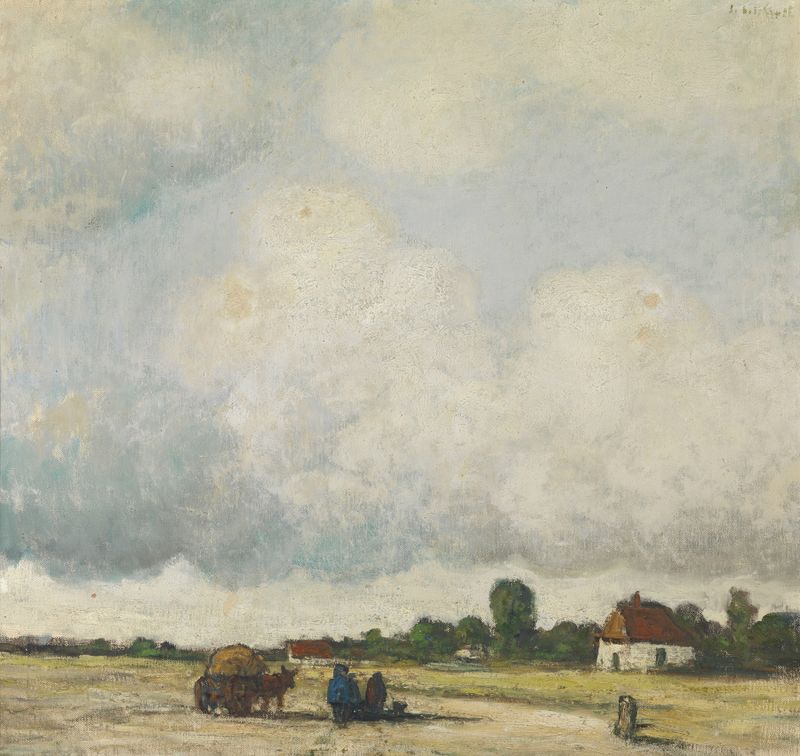
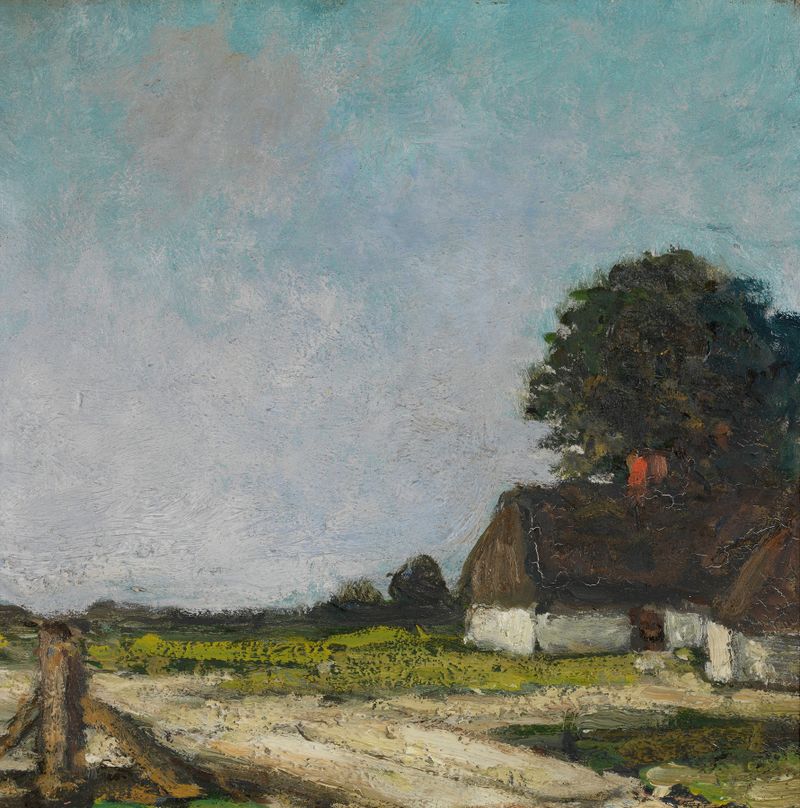
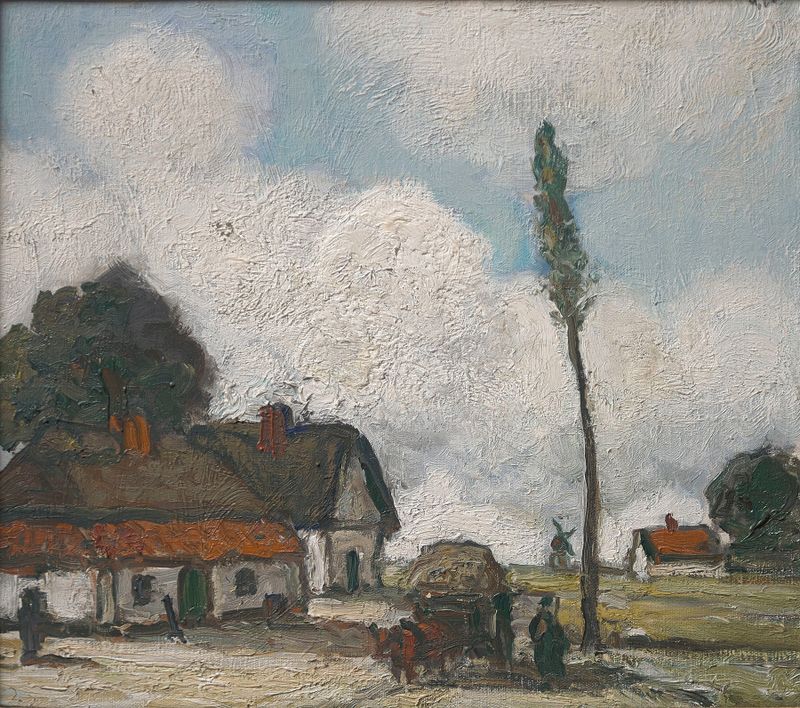
In a world rich with transformation, the interplay of hues whispers of change, urging us to listen closely. Focus your gaze on the calm yet dynamic windmill positioned centrally in the canvas, its weathered sails a testament to endurance. Notice how the earthy browns and subtle greens blend harmoniously, inviting you to the lush, rolling landscapes of the Kempen region. The delicate brushwork evokes an almost tactile quality, as if the blades of grass and the wooden mill itself might sway in a gentle breeze.
The soft light captures the moment just before twilight, casting long shadows that stretch and twist, mirroring the cycle of day to night, life to stillness. Beyond the surface lies a richer narrative. The windmill symbolizes industry and nature's delicate balance, embodying a transition from the rural past to an uncertain future. The slight curvature of the land suggests movement, a promise of transformation, while the muted palette conveys a sense of nostalgia and reflection.
Each color choice seems deliberate, mirroring the emotional undertones of an era where the old ways began to yield to modernity, inviting contemplation of what is lost and what is to come. In 1923, Jakob Smits painted this work during a time of significant change in Europe, where industrialization was reshaping rural life. Living in the Netherlands, he embraced the Impressionist movement while infusing his own distinct style, seeking to capture the essence and beauty of the landscapes around him. This piece reflects not only his artistic growth but also the broader societal transformations that were beginning to take root, making it a poignant representation of an evolving world.