The Well — History & Facts
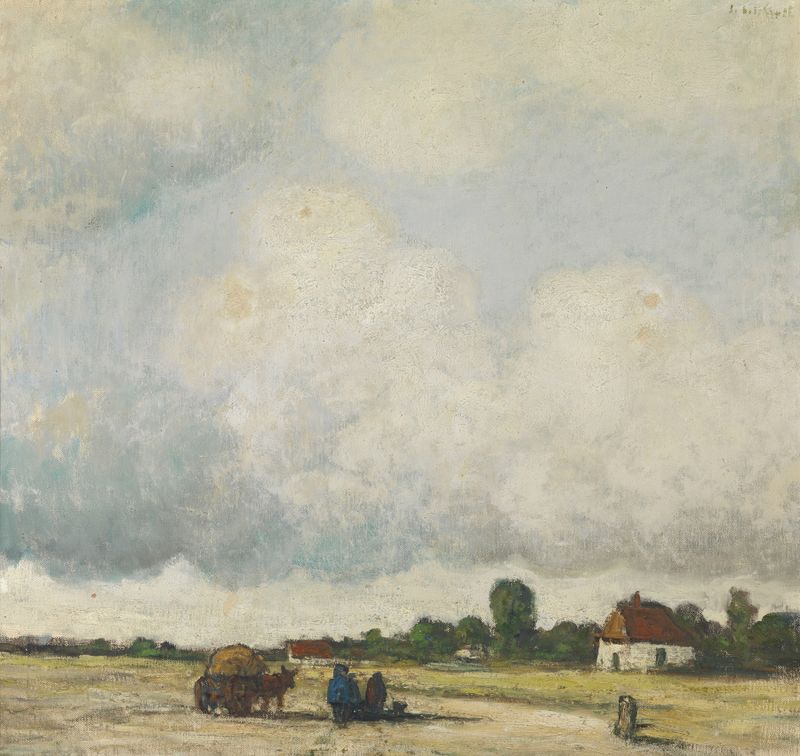
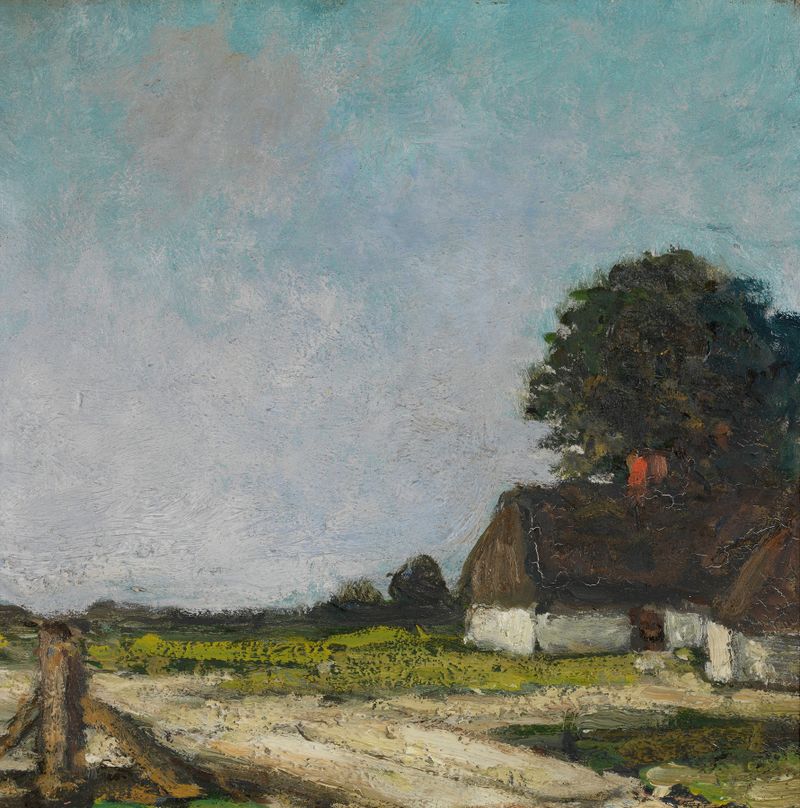
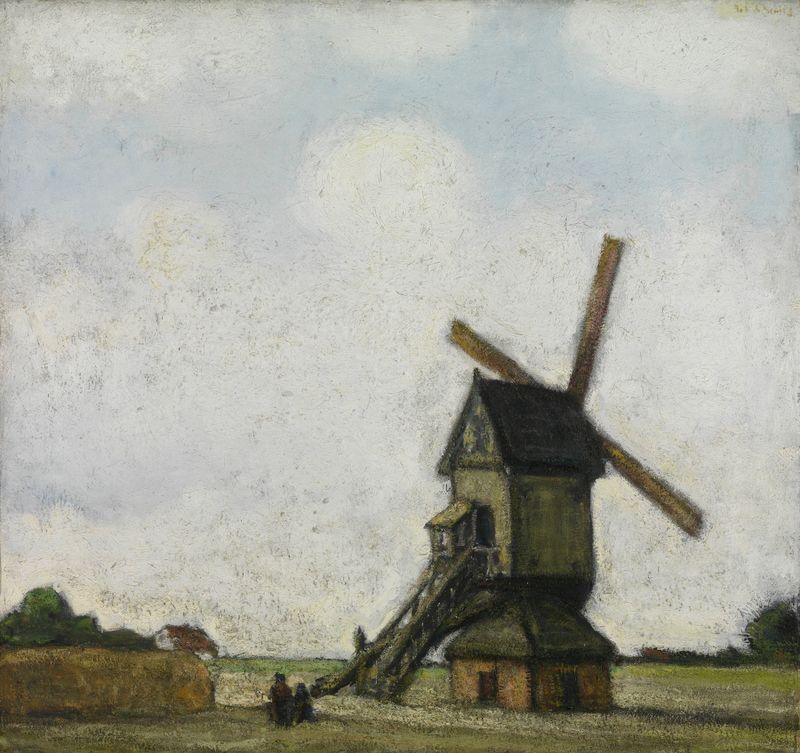
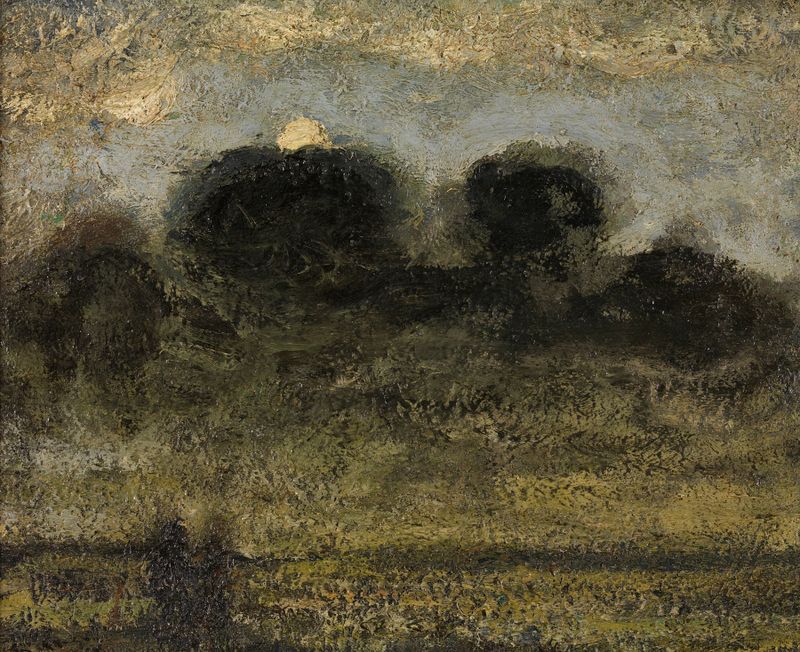
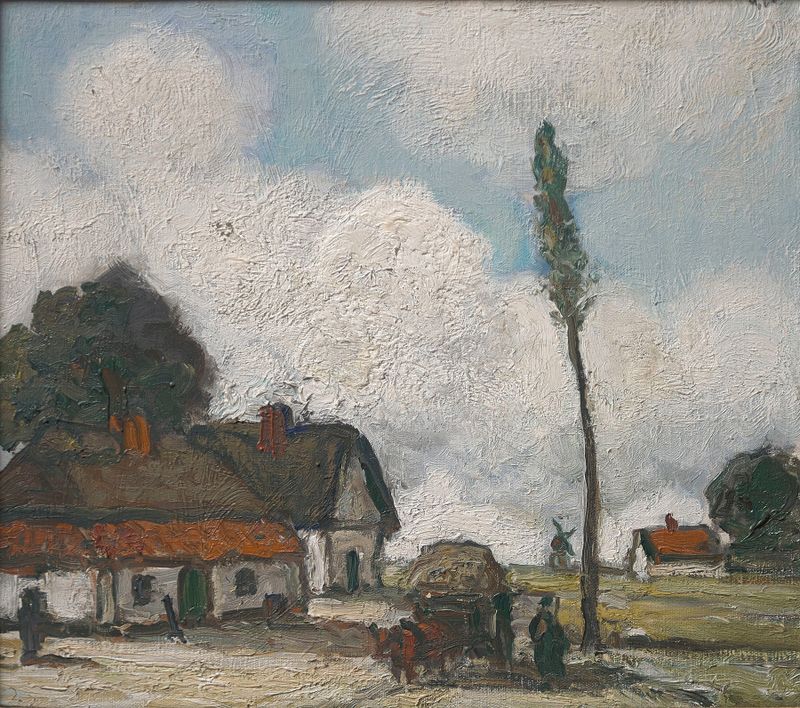
Can paint confess what words never could? In The Well, the colors and forms invite us to explore the depths of transformation and renewal, revealing the subtleties of human experience through a landscape brimming with life. Look to the center of the canvas, where the well stands resolute, its stone edges softened by the gentle touch of greenery. Notice how the dappled sunlight filters through the leaves, casting intricate shadows that play upon the water's surface. The palette of earthy browns and vibrant greens creates a lush environment, while hints of blue reflect the sky, allowing the scene to pulse with vitality and a sense of serenity. As you delve deeper, consider the symbolism of the well itself—a source of nourishment and life, it metaphorically speaks to the cycles of growth and decay.
The juxtaposition of the solid, unyielding structure against the fluidity of the water suggests the tension between permanence and change. The blossoming flora encircling the well hints at renewal, emphasizing how life springs forth from stillness and draws us in, inviting introspection along the way. In 1920, Jakob Smits painted this piece during a time when Europe was recovering from the devastation of World War I. Living in the Netherlands, he was immersed in a world that was beginning to heal and evolve.
In this context, The Well resonates with themes of resilience and transformation, reflecting both personal and collective journeys toward rebirth amid the remnants of turmoil.