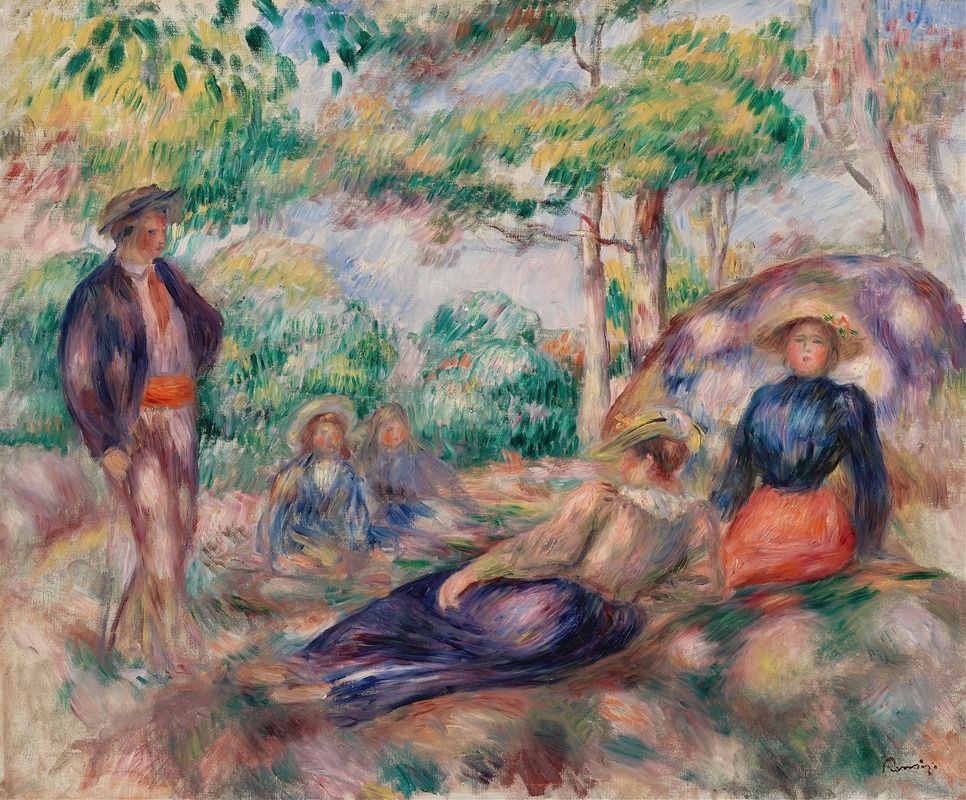
Discover insights about this artwork
Heavier Than a Dead Donkey (Pesa Mas Que un Burro Muerto) — History & Facts
In Heavier Than a Dead Donkey, Francisco de Goya presents a vibrant scene filled with earthy tones. The figures are depicted in a moment of struggle, surrounded by a chaotic environment. The use of dark and muted colors adds to the emotional weight of the scene.
The expressions on the characters' faces convey a sense of urgency and despair. This painting is executed in oil on canvas, showcasing Goya's skillful brushwork and attention to detail. The dimensions are approximately 100 x 150 cm, making it a substantial work that draws the viewer in. The composition is dynamic, with figures arranged in a way that leads the eye through the scene.
Goya's technique highlights the textures of the clothing and the rugged landscape. Francisco de Goya was a pivotal figure in Spanish art, bridging the gap between the Old Masters and modernity. This work, created around 1786, reflects Goya's interest in social themes and the human condition. An interesting fact about this painting is that it critiques the burdens of society, symbolized by the dead donkey.
Goya's ability to blend realism with emotional depth makes this piece significant in his oeuvre.
More Artworks by Francisco de Goya
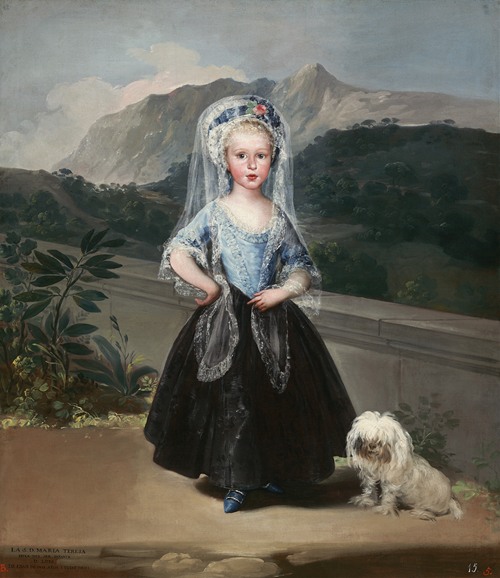
María Teresa de Borbón y Vallabriga,later Condesa de Chinchón
Francisco de Goya
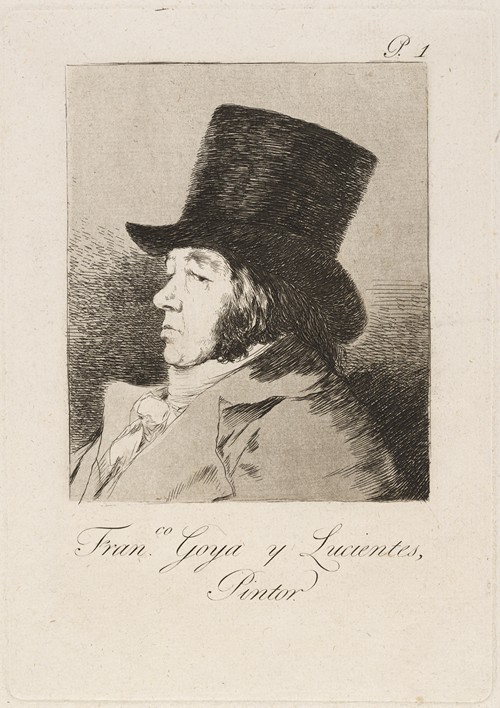
Francisco Goya y Lucientes, Pintor (Francisco Goya y Lucientes, painter)
Francisco de Goya
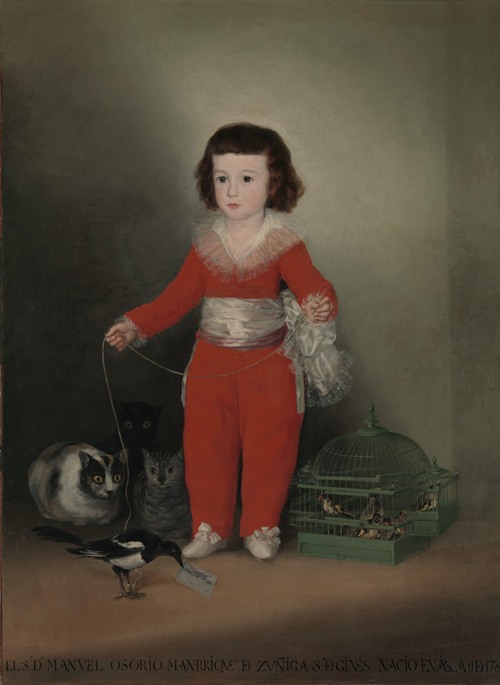
Manuel Osorio Manrique de Zuñiga (1784–1792)
Francisco de Goya
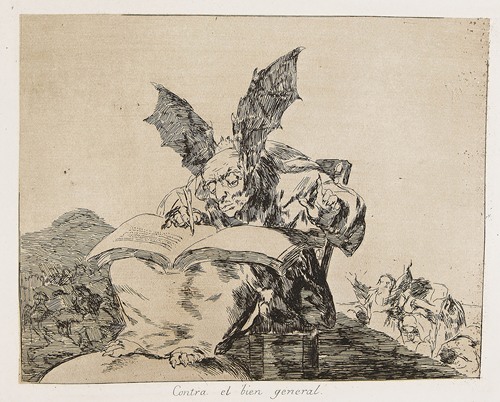
Los desastres de la guerra
Francisco de Goya
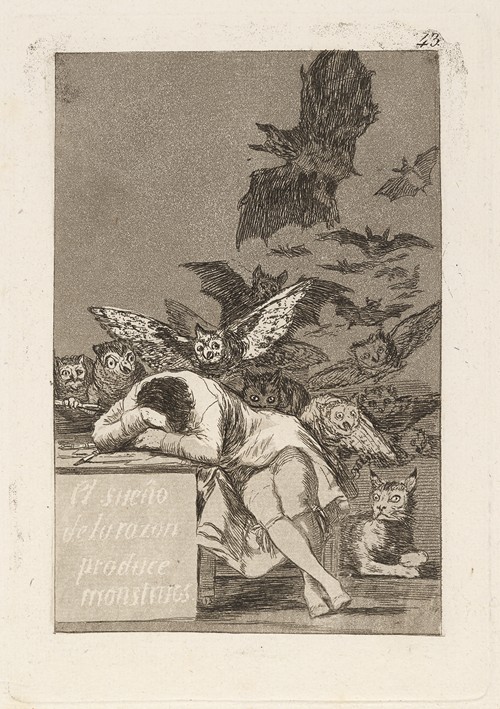
El sueño de la razon produce monstruos. (The sleep of reason produces monsters.)
Francisco de Goya
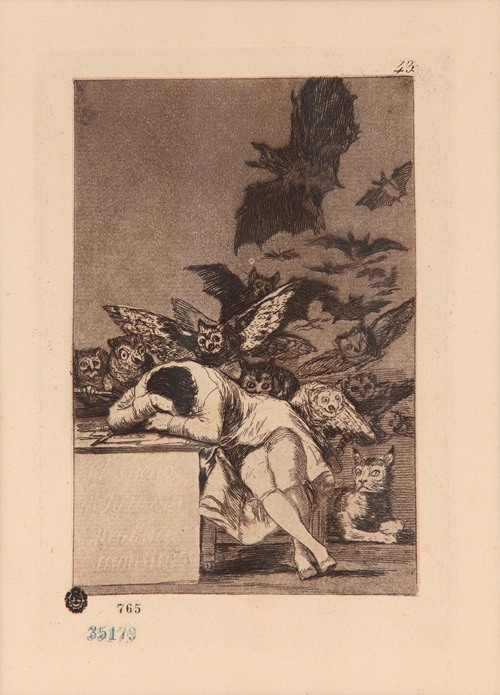
El sueño de la razon produce moustruos (Serie Caprichos)
Francisco de Goya
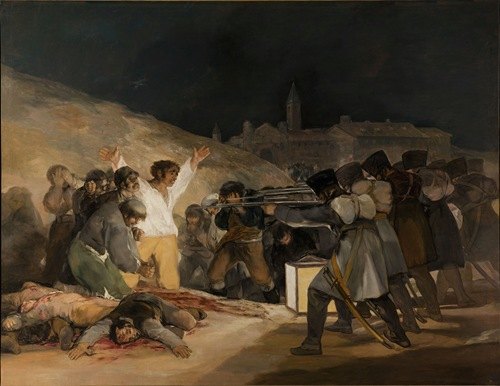
The Third of May
Francisco de Goya
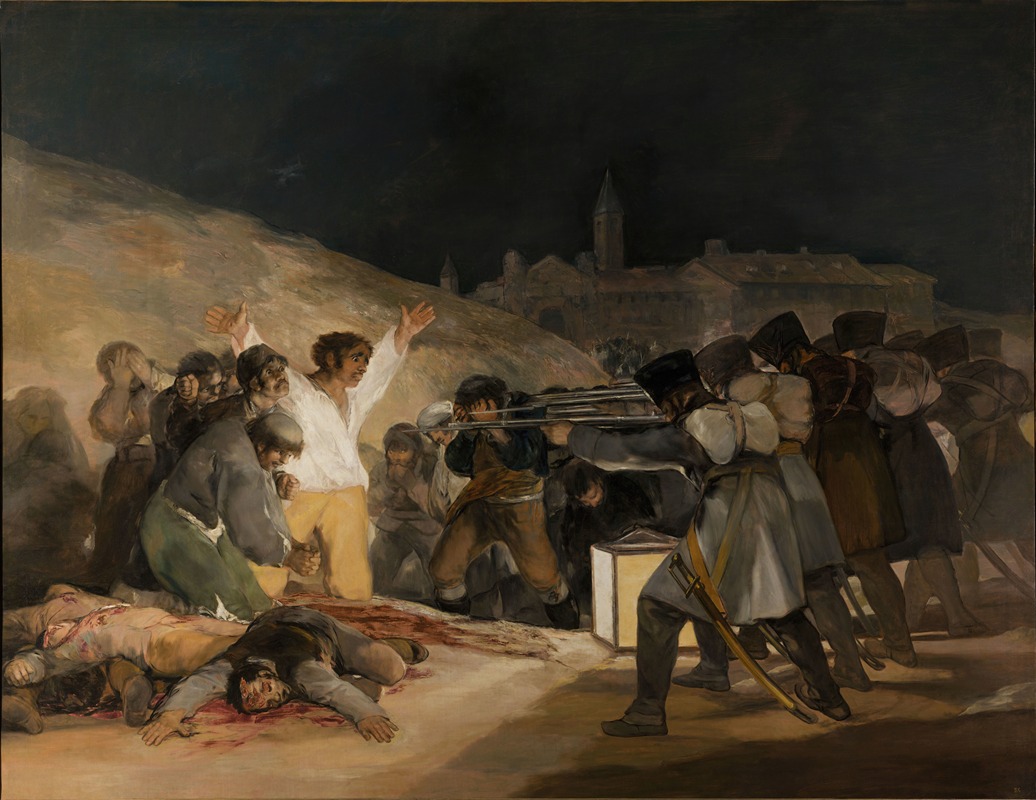
The Third of May 1808
Francisco de Goya
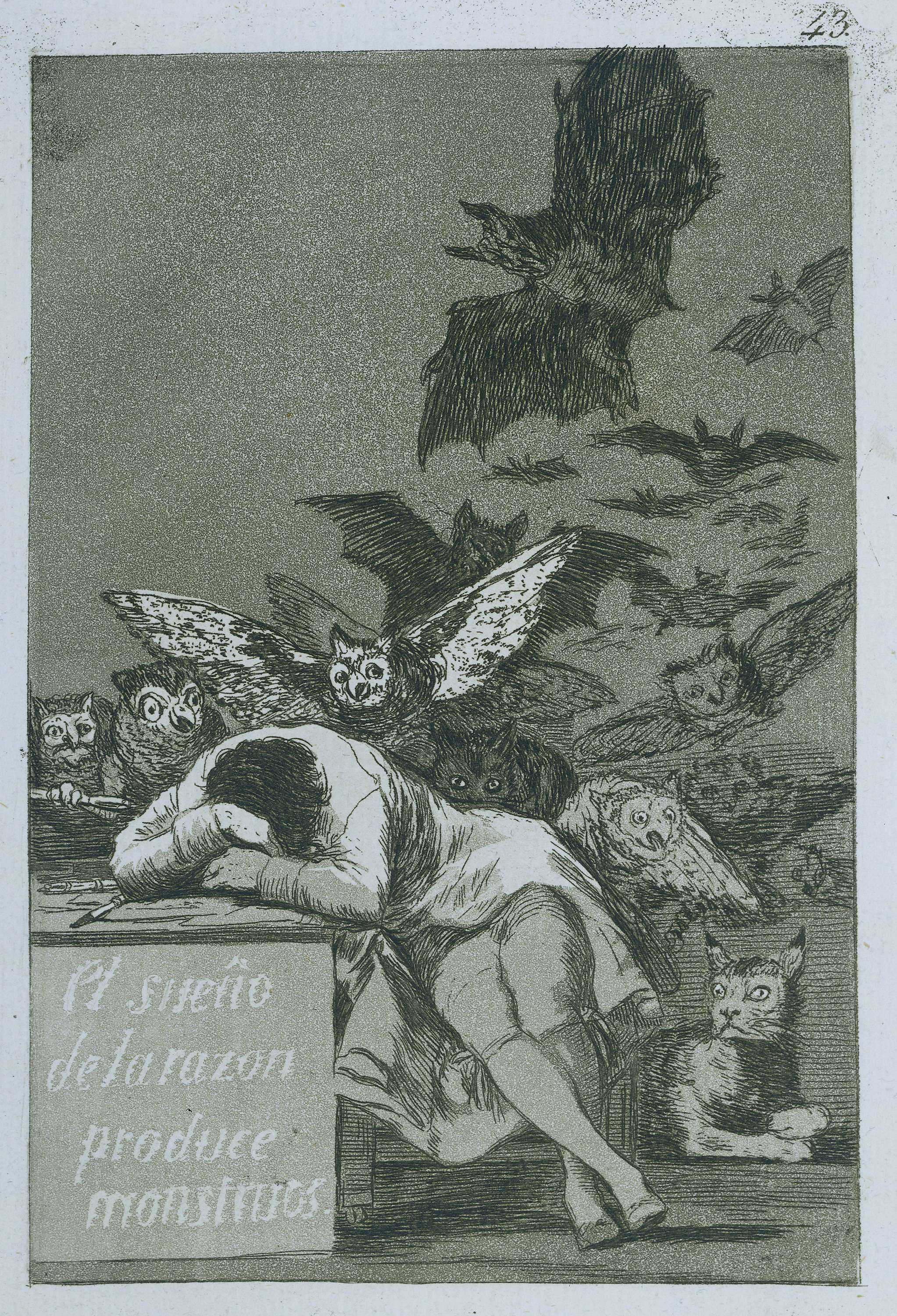
De slaap van de rede brengt monsters voort
Francisco de Goya
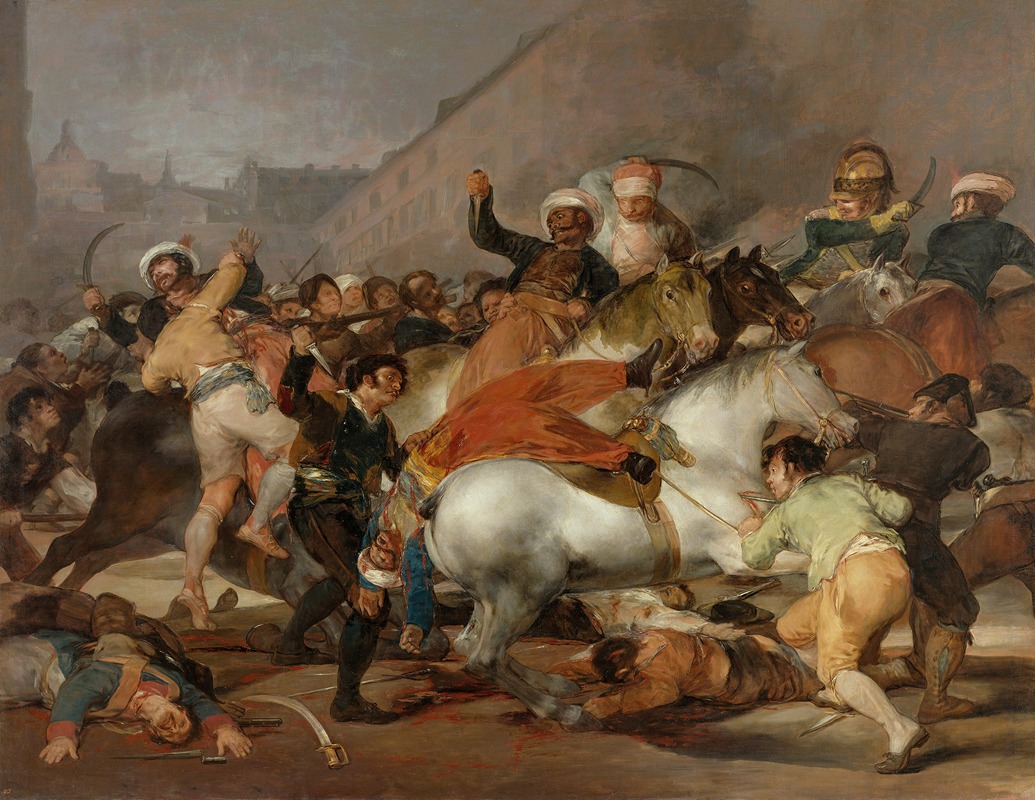
The Charge of the Mamelukes (1814)
Francisco de Goya