
Hebe — History & Facts
In Hebe, Angelica Kauffmann presents a serene scene featuring the goddess of youth, Hebe. The painting is characterized by soft pastel colors, predominantly greens and pinks, which create a gentle atmosphere. Hebe is depicted holding a cup, symbolizing her role as the cupbearer of the gods.
The background features a lush landscape, enhancing the sense of tranquility. The painting is executed in oil on canvas, a medium that allows for rich color and texture. Kauffmann's technique showcases her skill in blending colors to create a harmonious composition. The dimensions of the work are approximately 100 x 130 cm, making it a sizable piece that draws the viewer's attention.
The careful detailing in Hebe's attire and the surrounding flora reflects Kauffmann's attention to detail. Angelica Kauffmann was a prominent figure in the Neoclassical movement and one of the few female artists of her time to gain recognition. Hebe is significant as it exemplifies her ability to blend classical themes with a feminine perspective. Interestingly, Kauffmann was also known for her role in founding the Royal Academy in London, which further highlights her influence in the art world.
This work not only showcases her artistic talent but also her commitment to elevating women's roles in art.
More Artworks by Angelica Kauffmann
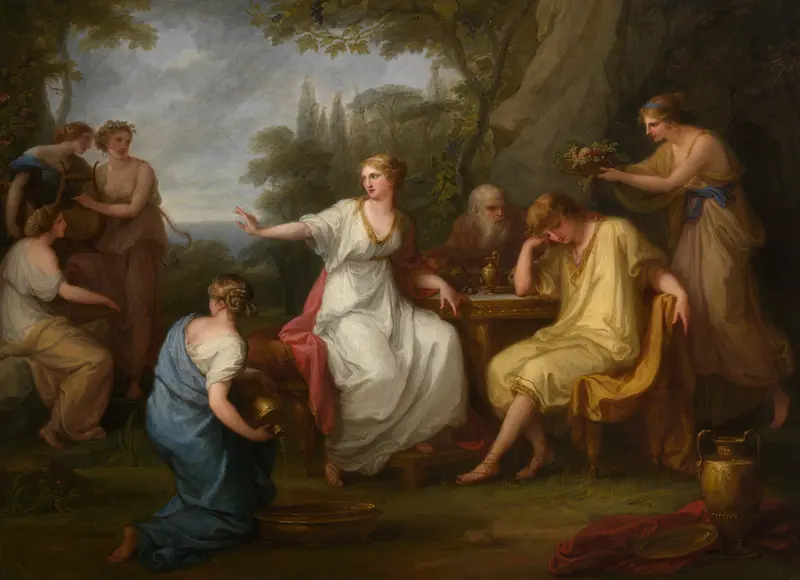
The Sorrow of Telemachus
Angelica Kauffmann

Portrait Of A Lady As A Vestal Virgin
Angelica Kauffmann
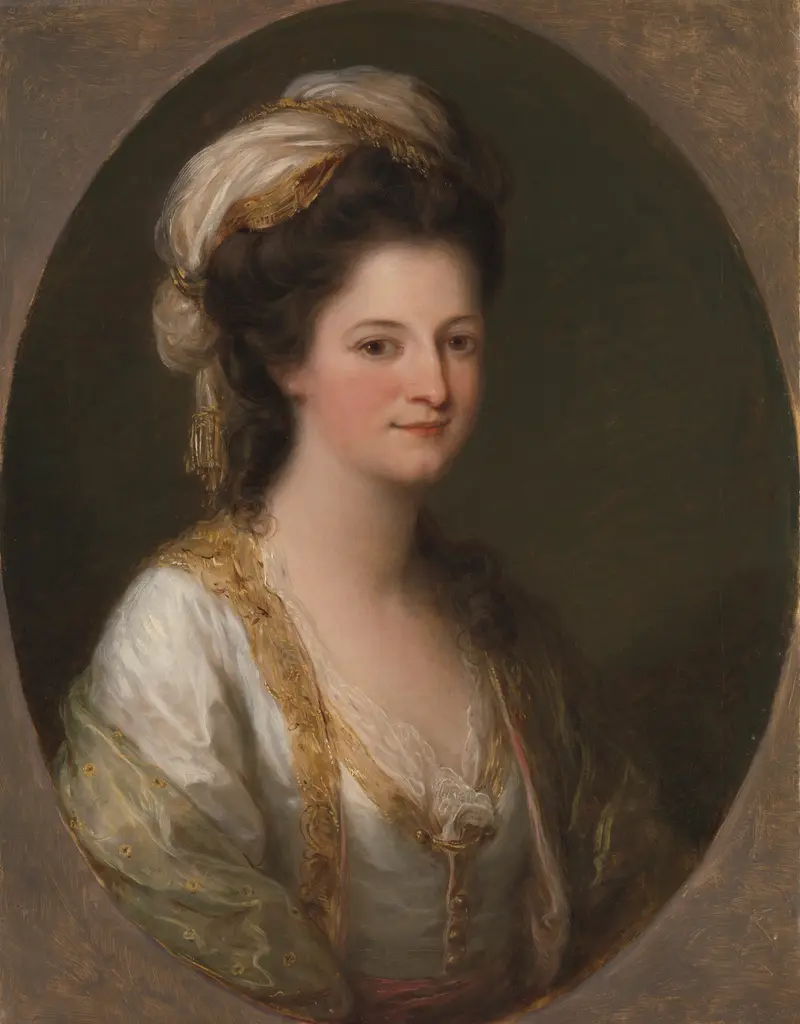
Portrait of a woman, traditionally identified as Lady Hervey
Angelica Kauffmann
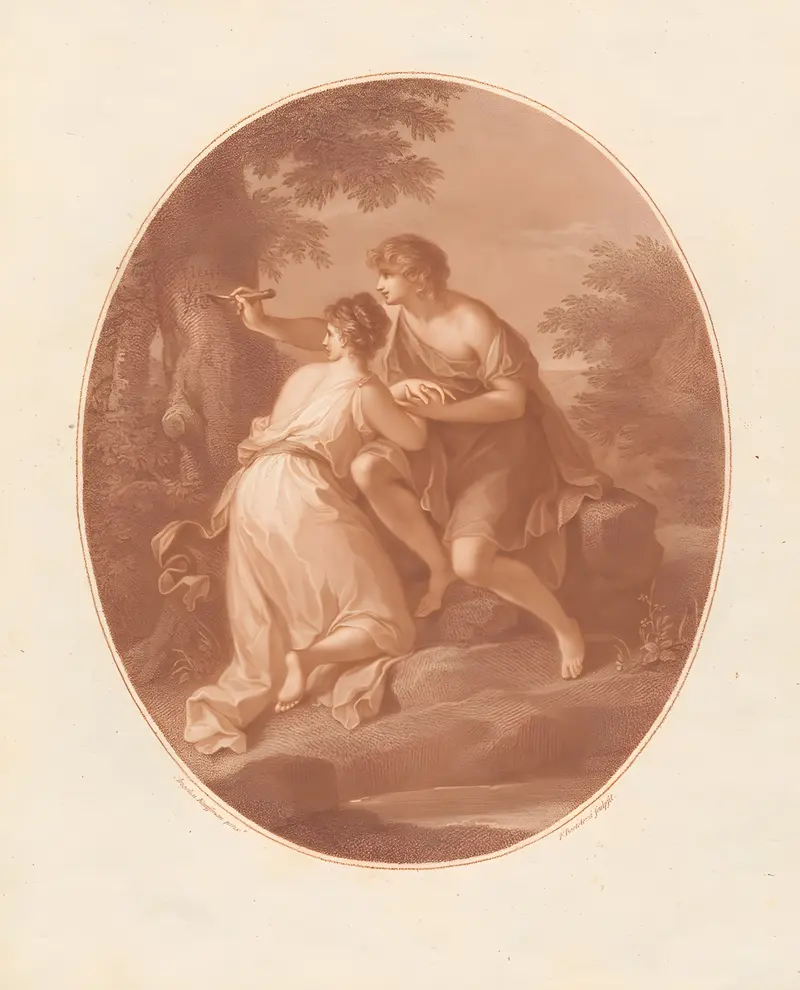
Paris and Oenone
Angelica Kauffmann
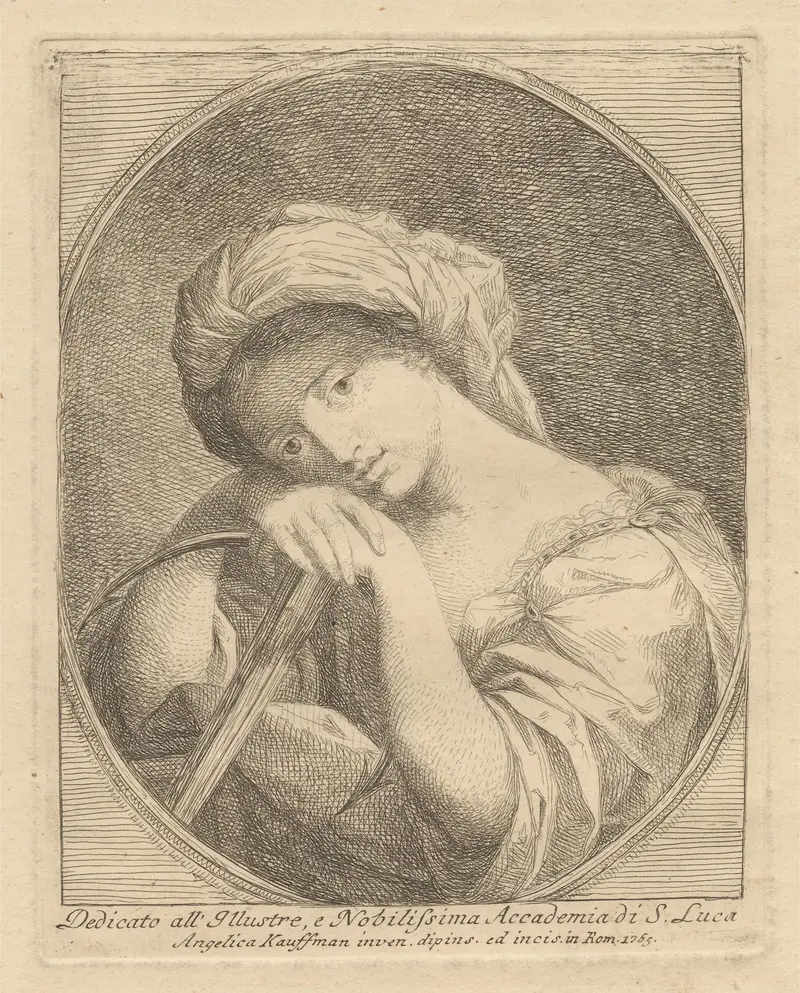
Bust of a Young Woman with Flowers in Her Hair
Angelica Kauffmann
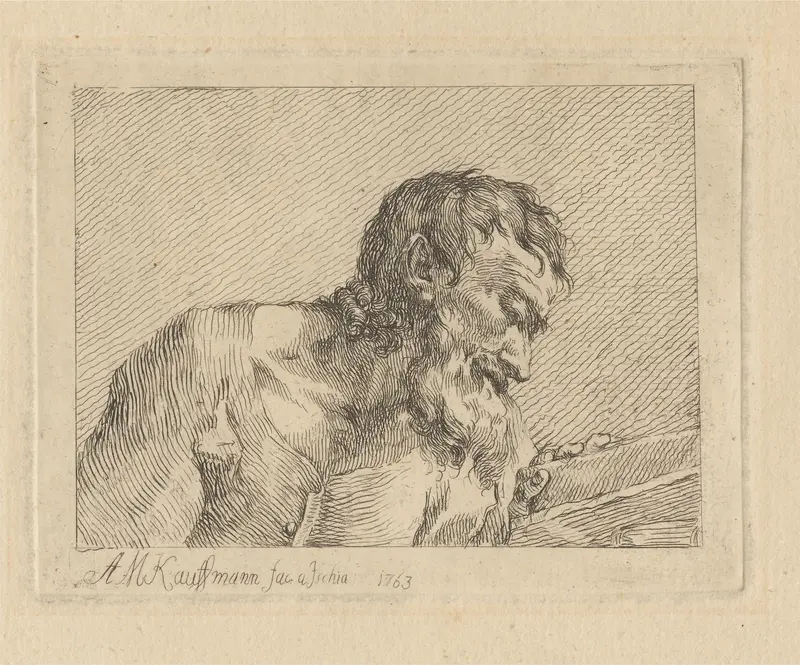
Bust of an Old Man.
Angelica Kauffmann
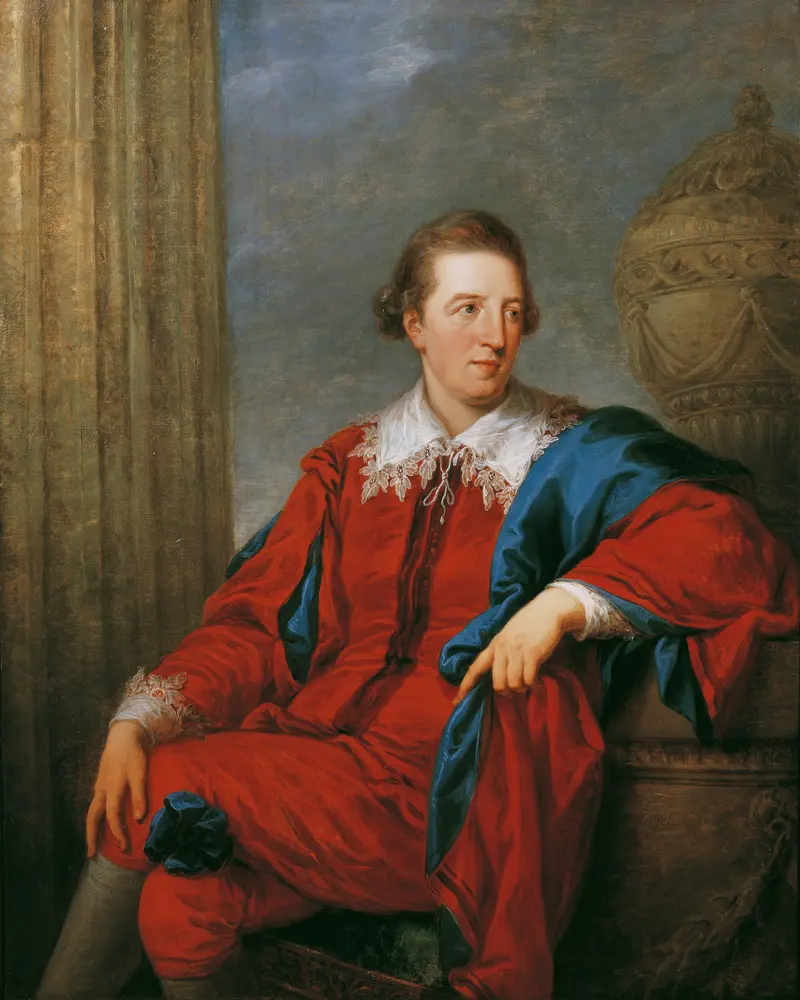
John Simpson, der Vater von Maria Susanna Lady Ravensworth
Angelica Kauffmann
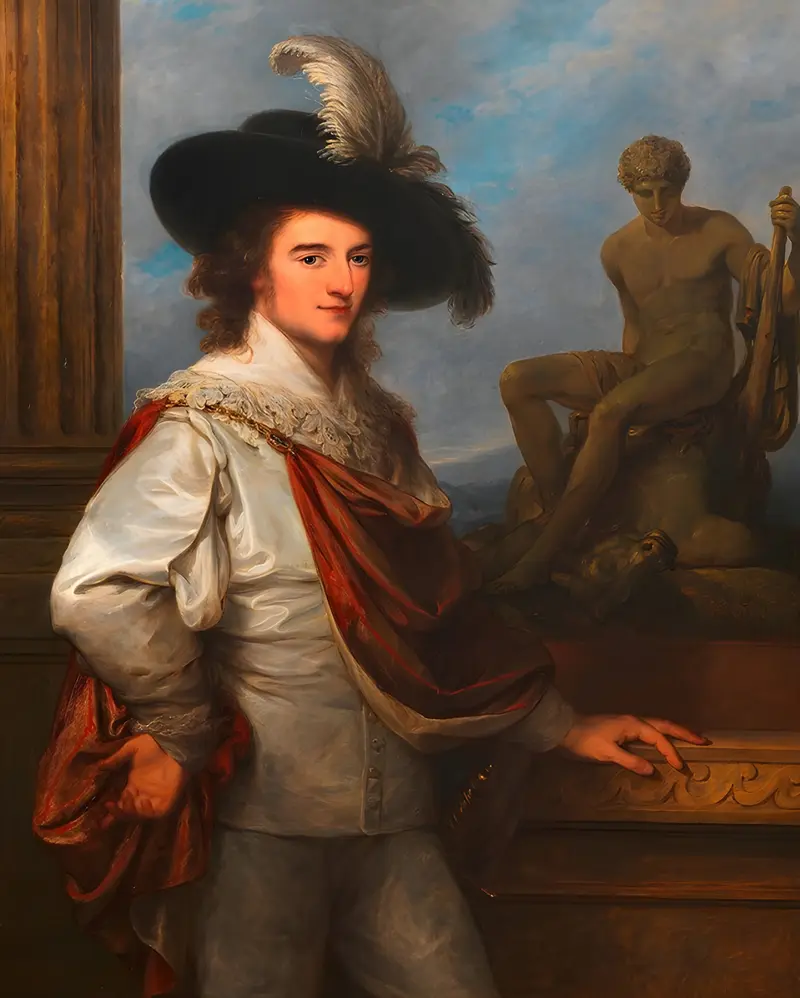
Josef Johann Graf Fries
Angelica Kauffmann
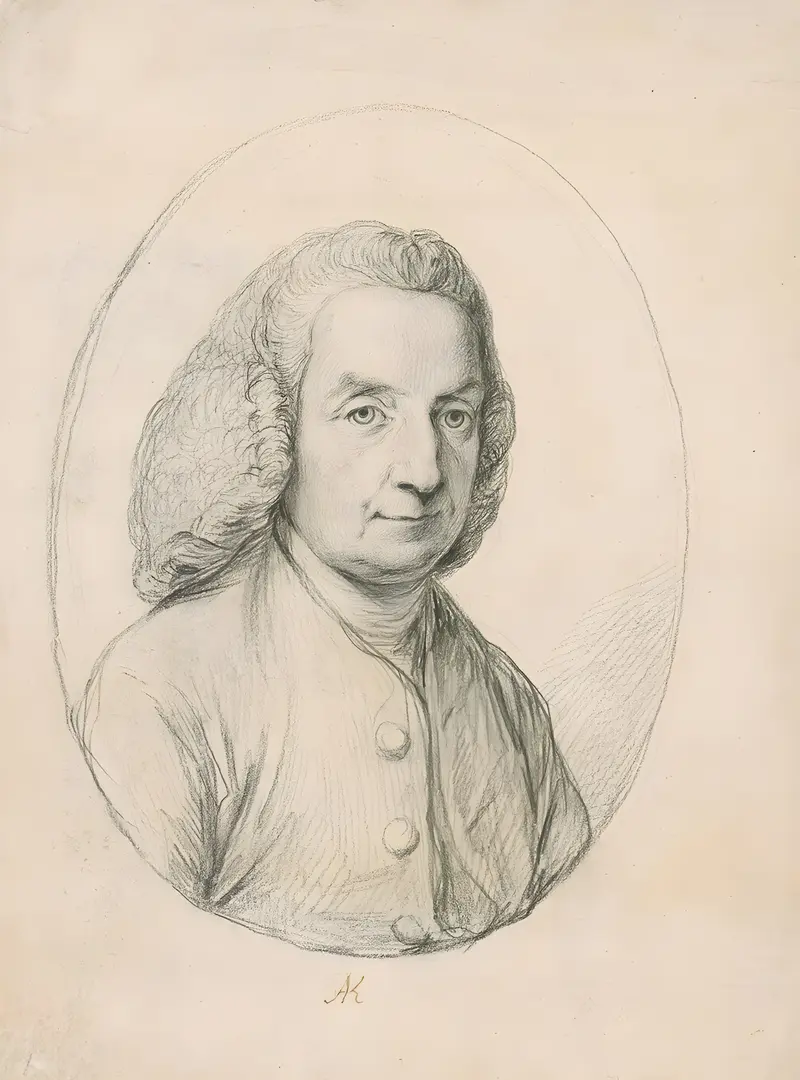
Judge George Robert Hellen (1725-1793)
Angelica Kauffmann
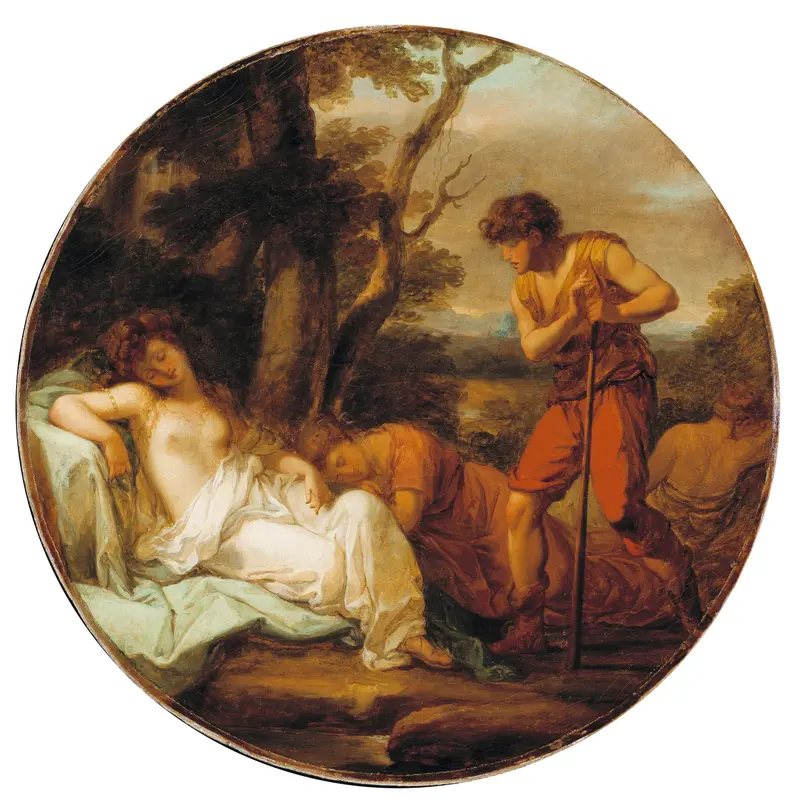
Cymon and Iphigenia
Angelica Kauffmann





