
Hecla & Griper — History & Facts
In the stillness of Hecla & Griper, the essence of divinity resonates, inviting viewers to contemplate the ethereal dance of nature and humanity. Look to the bottom left where the rugged forms of the boats, carefully rendered in weathered browns and deep blues, anchor the composition in a tangible reality. Notice how the light cascades softly over the water, creating a shimmer that reflects the surrounding cliffs and sky, embodying both calm and chaos. The interplay of color, with verdant greens contrasting against the stark white of the cliffs, draws the eye upward, evoking a sense of longing and exploration. Delve deeper, and you’ll find hidden narratives woven into the details.
The tension between the sturdy vessels and the towering cliffs suggests a struggle against nature’s might, a reminder of humanity’s fragile existence. The clouds, painted in swirling greys, hint at a tempest, echoing the inner turmoil that accompanies the pursuit of the divine. Each element, from the gentle waves to the looming rocks, speaks to the coexistence of serenity and adversity. Created in the early 19th century, this work emerged during a time of exploration and romanticism in Britain.
Charles Hamilton Smith, an artist and naturalist, was deeply influenced by the landscapes he encountered, reflecting a growing fascination with the grandeur of the natural world. The painting exemplifies the era’s complex relationship with nature, highlighting both its beauty and its power, as well as the artist's personal journey in capturing an unfiltered glimpse of life at sea.
More Artworks by Charles Hamilton Smith
Browse all →
Situation of H.M.S. Hecla & Griper
Charles Hamilton Smith
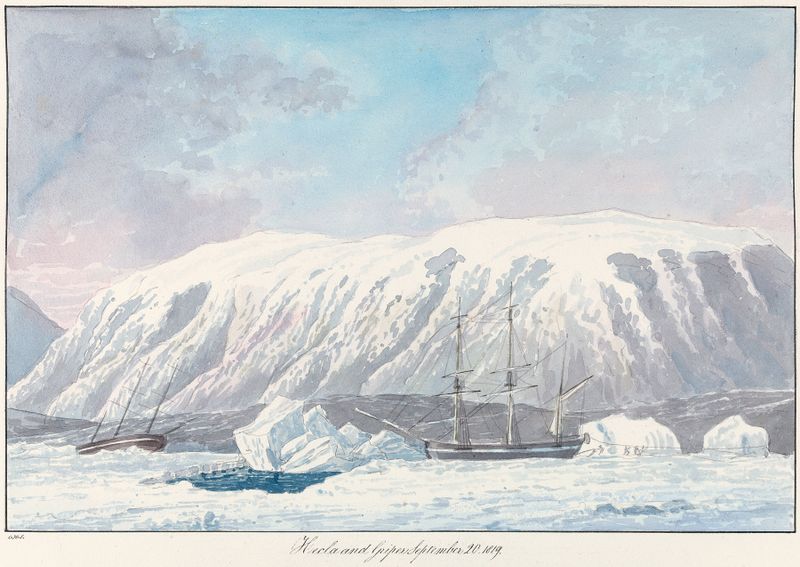
Hecla and Griper
Charles Hamilton Smith

Friendly Cove, Nootka Sound
Charles Hamilton Smith

Iceberg in Baffin’s Bay
Charles Hamilton Smith
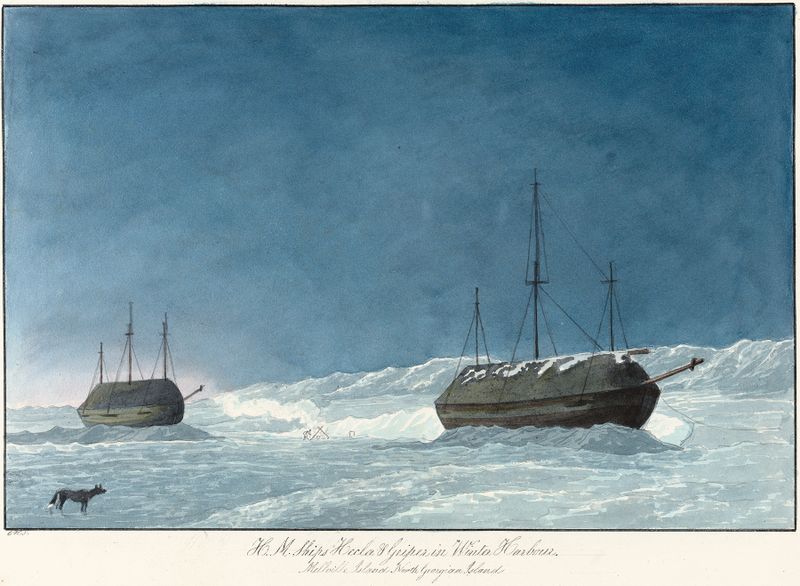
H. M. Ships Hecla and Griper in Winter Harbour
Charles Hamilton Smith

The Erebus & Terror in a Gale in the Pack of the Ice
Charles Hamilton Smith
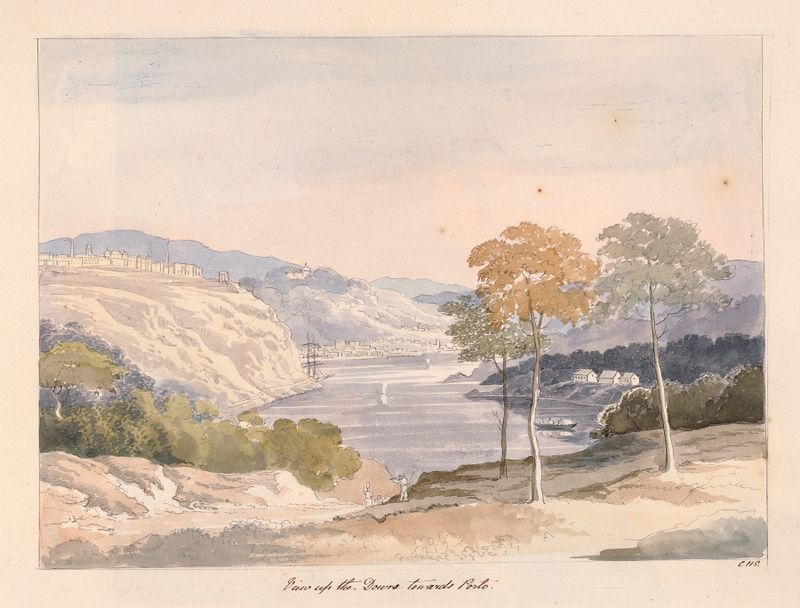
View of the Douro towards Porto
Charles Hamilton Smith
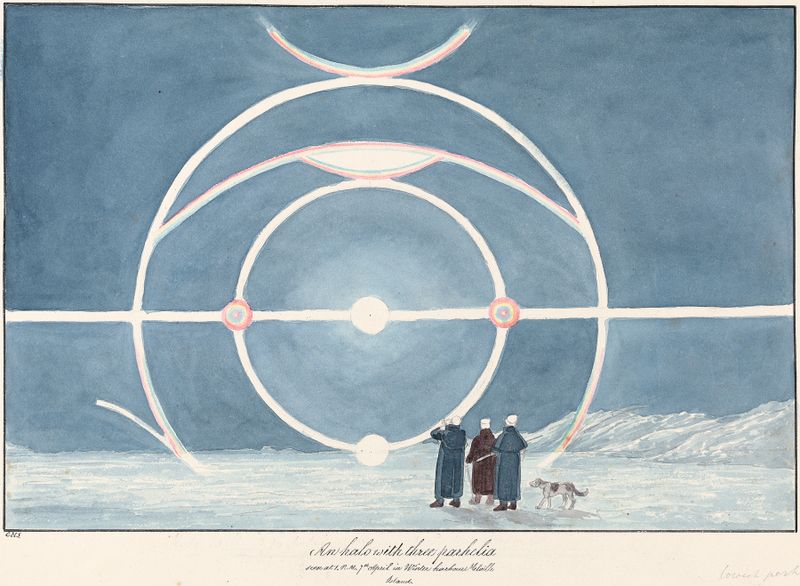
Halo with Three Parhelia, Winter Harbour Melville Island
Charles Hamilton Smith
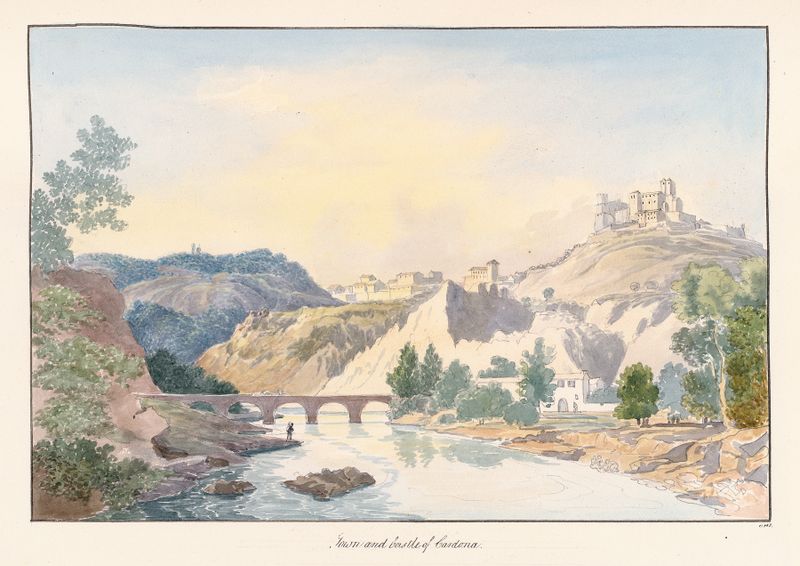
Town and Castle of Cardona
Charles Hamilton Smith
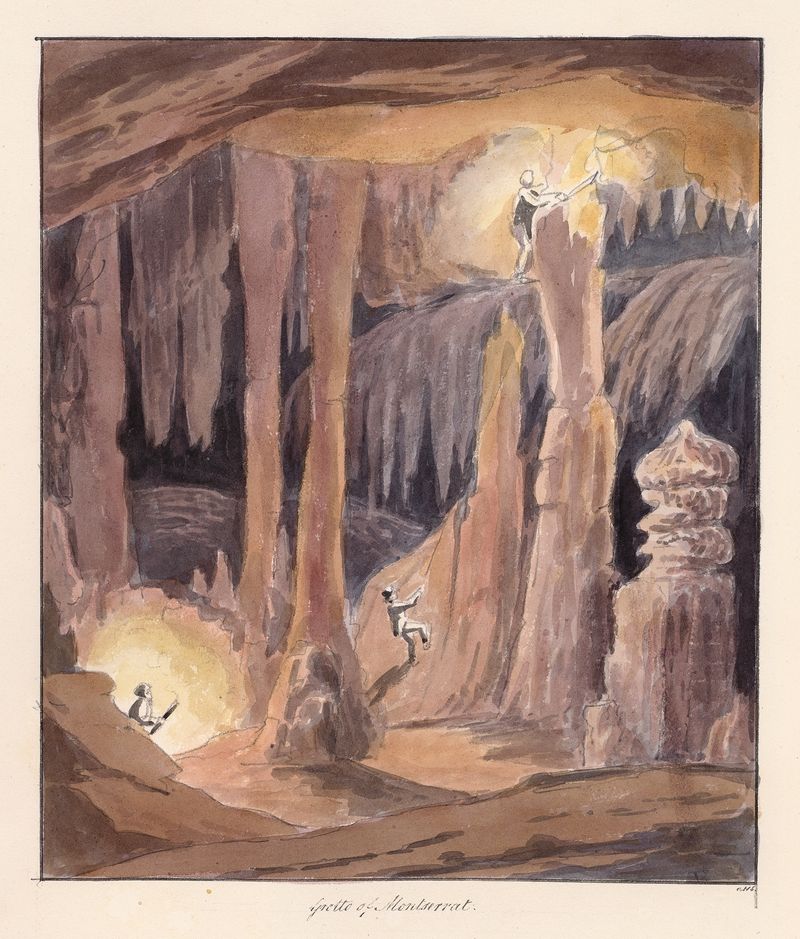
Grotto of Montserrat
Charles Hamilton Smith





