
Hector — History & Facts
What draws the viewer in first is the unwavering gaze of the black dog, its eyes alert yet gentle, set against a backdrop of muted, natural tones. The animal’s glossy coat catches the faintest glint of light, highlighting the careful attention Carl Reichert gave to every curve and muscle. The oval frame focuses our attention on the dog’s dignified head, while the sturdy leather collar, rendered with almost tactile realism, signals both ownership and affection.
The soft, clouded sky behind the animal creates a quiet mood, letting the dog’s presence dominate the scene without distraction. There is a sense of poised anticipation in the way the animal’s head is turned—ears pricked, as if waiting for a familiar voice or the promise of a walk. Painted in 1871, this portrait belongs to a period when animal painting flourished among European bourgeois and aristocratic patrons. The late nineteenth century saw a growing affection for pets, with artists like Carl Reichert celebrated for their ability to capture not just the likeness but the personality of their subjects.
Such works were often commissioned to commemorate beloved companions, and the care lavished on this portrait speaks to the status of dogs within the household. Little is recorded about the specific journey of this painting, now in the collection of Dorotheum, but its survival is a testament to the enduring bond between humans and animals—a relationship that invites us to linger over every detail of Hector’s steady, soulful gaze.
More Artworks by Carl Reichert

Jagdbeute
Carl Reichert
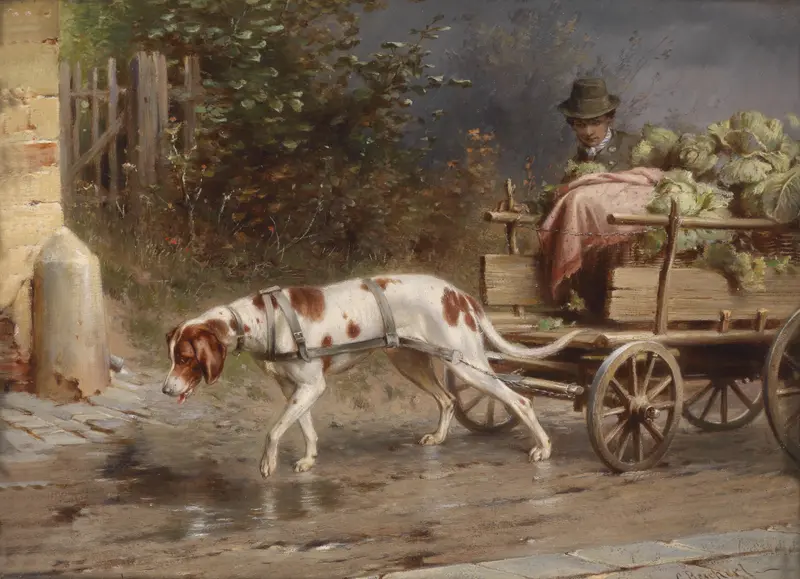
Auf dem Weg zum Markt
Carl Reichert
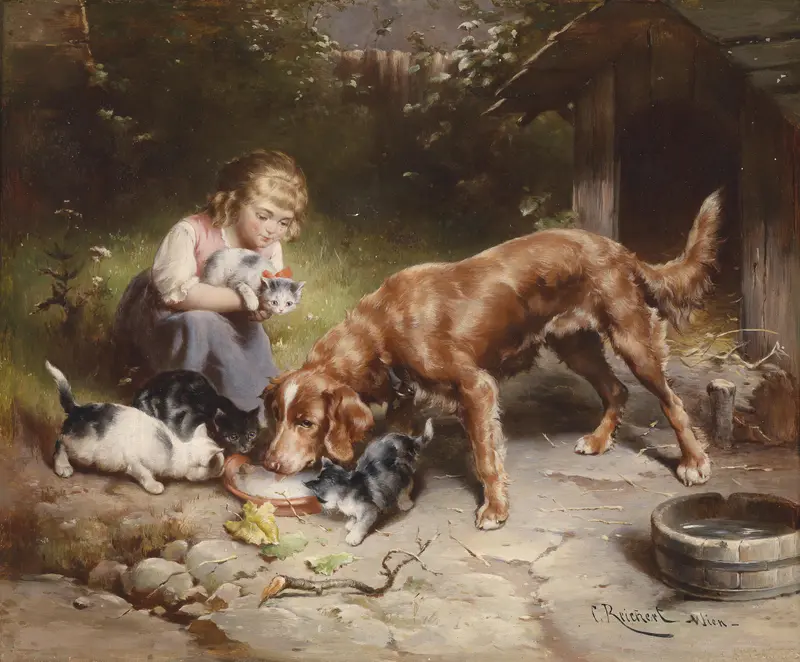
A dinner party
Carl Reichert
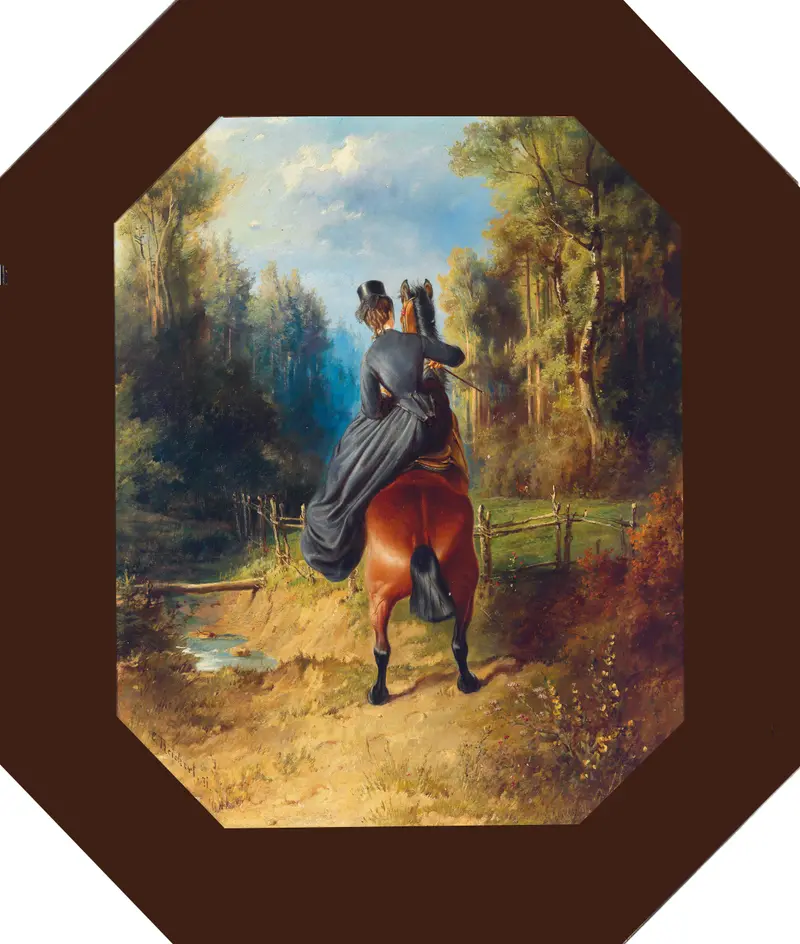
Empress Elizabeth riding
Carl Reichert
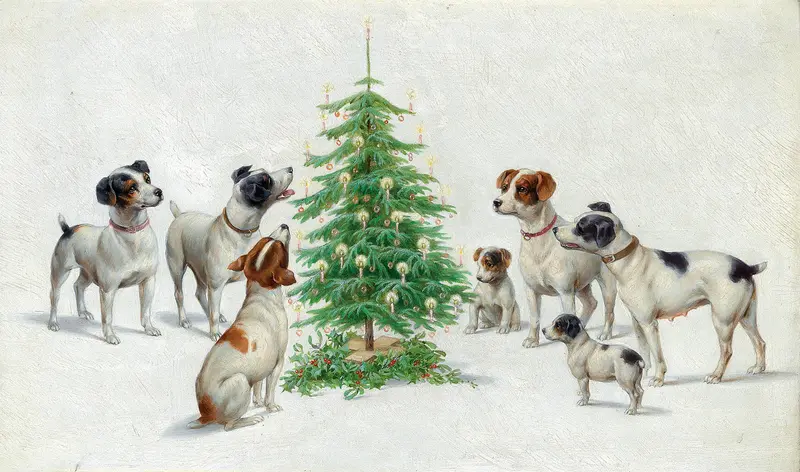
Christmas
Carl Reichert
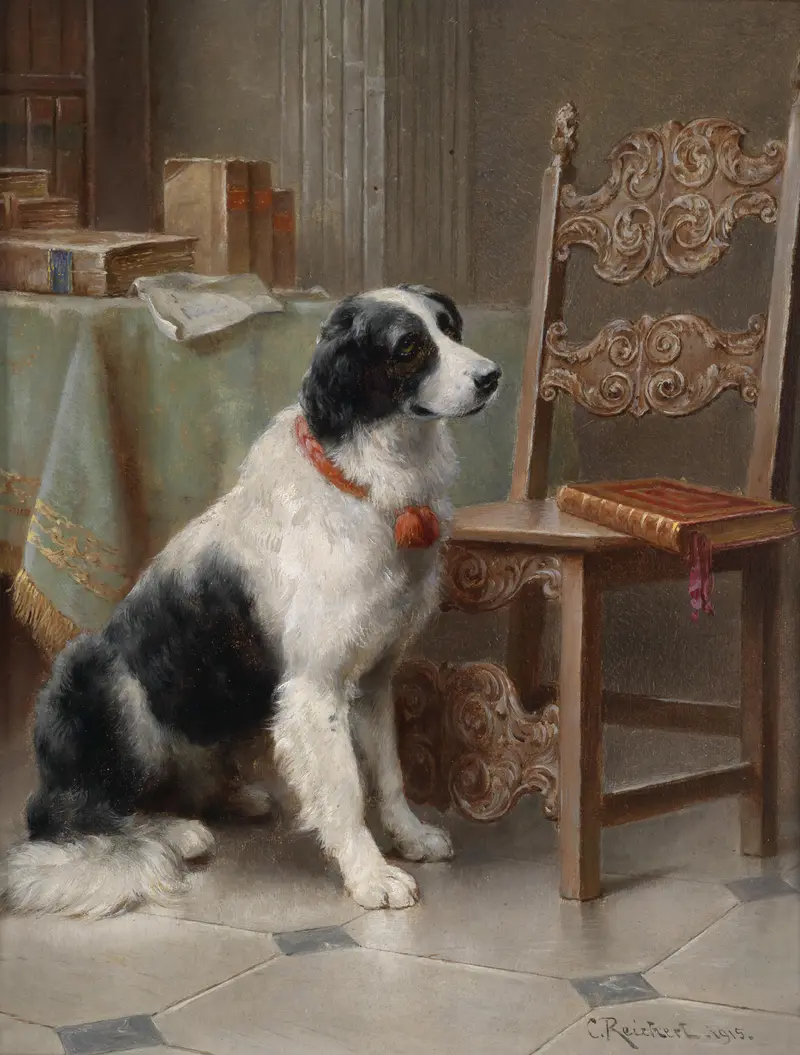
The Darling of the Family
Carl Reichert
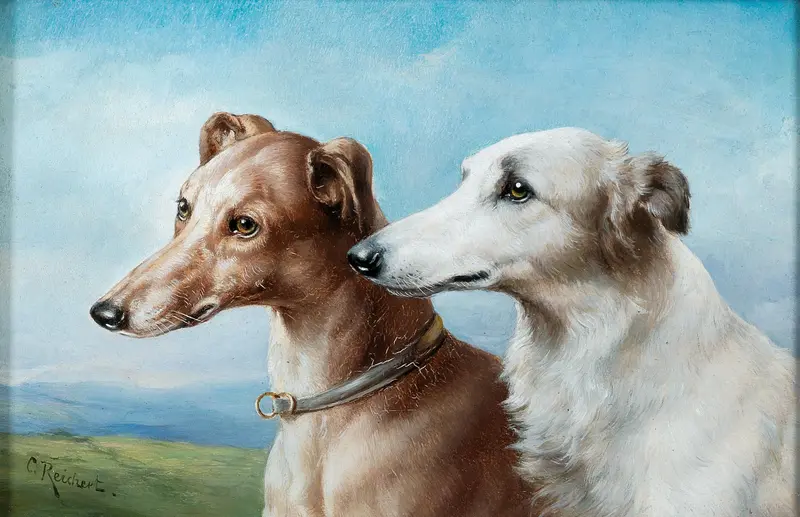
Zwei Windhunde
Carl Reichert
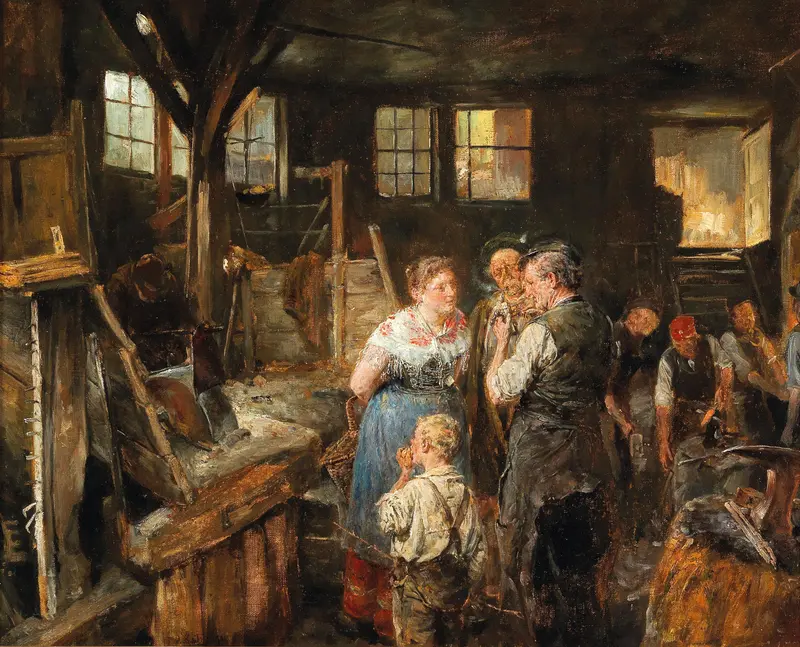
Carl Seiler Schlosserwerkstatt
Carl Reichert
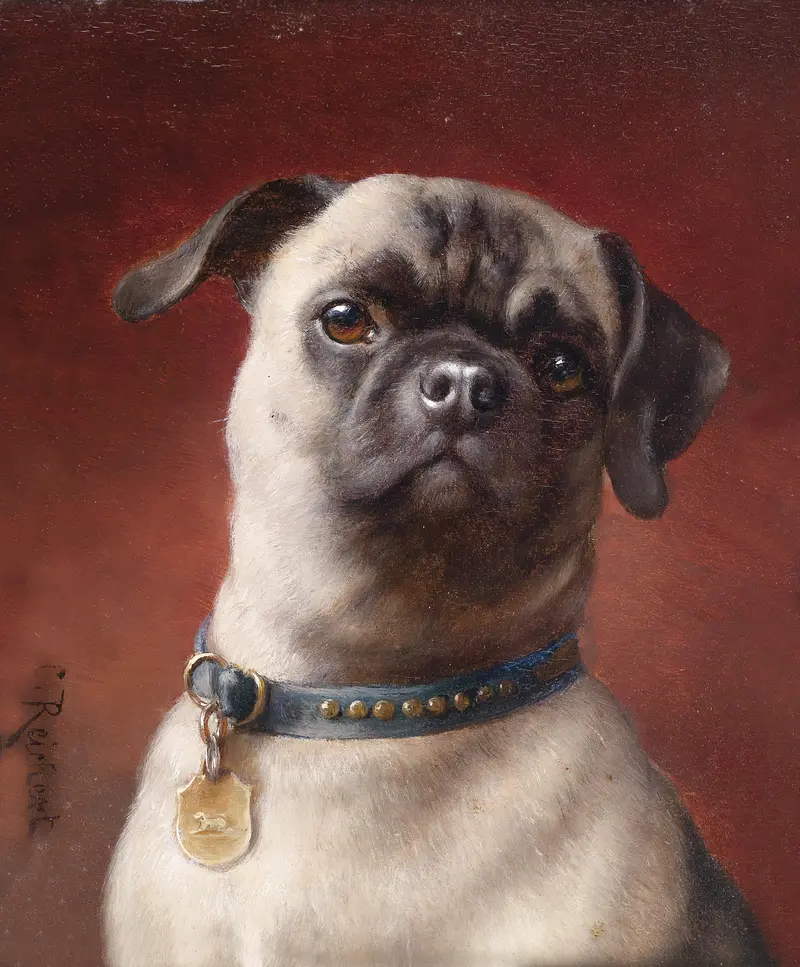
Mops
Carl Reichert
Besuch im Pferdestall
Carl Reichert





