Heidelberg — History & Facts
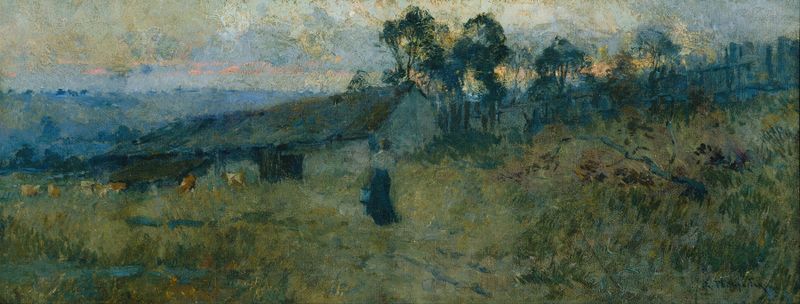
In these silent stretches of time, transformations occur, capturing fleeting moments of beauty that resonate with our shared human experience. Focus on the vibrant greens and soft blues that pull you into the lush landscape. Notice how the gentle brushstrokes create an atmosphere that seems to breathe, inviting you to wander deeper into the scenery. The interplay of light dances across the surface of the water, mirroring the tranquility of the surrounding hills.
The soft transition between colors evokes a sense of serenity, grounding the viewer in a moment that feels both timeless and ephemeral. Hidden contrasts reveal the depth of the scene; the shadowed areas hint at secrets lurking beneath the surface of the idyllic image. The meticulous detail in the flora suggests both fragility and resilience, echoing the delicate balance of life. Each element, from the dripping foliage to the distant architecture, tells a story of transformation—of nature reclaiming its space and of human presence intertwining with the earth. E Phillips Fox painted this work between 1895 and 1900, during a period marked by the burgeoning movement of Australian Impressionism.
Living in Europe, he was influenced by the vibrant colors and techniques of his contemporaries, yet he sought to capture the unique essence of his homeland. This artwork reflects his journey towards embracing color and light, as well as the artistic evolution occurring in a world on the cusp of modernity.