
Heilige Antonius — History & Facts
In the delicate interplay of Dürer’s Heilige Antonius, fragility emerges as a profound truth, inviting reflection and reverence. Focus on the saint’s serene gaze, capturing both wisdom and vulnerability. Notice how the intricate details of his robe, adorned with meticulous patterns, contrast against the softer hues of the background. The light subtly caresses his figure, drawing your eye to the gentle contours of his face, illuminating the quiet strength within his expression.
His pose, slightly turned as if caught in a moment of contemplation, adds a dynamic tension, making the viewer feel as if they might share in his silent dialogue. Hidden beneath the surface lies a rich tapestry of meaning. The deliberate juxtaposition of light and shadow suggests an internal struggle between faith and doubt, while the saint himself stands as a symbol of resilience in the face of adversity. Each element, from the delicate folds of fabric to the ethereal quality of the background, serves to emphasize the fragility of the human spirit, echoing the broader themes of existential contemplation. Created in 1503, this work emerged during a period of significant transition in Europe, both politically and artistically.
Dürer, deeply influenced by his travels and the burgeoning Renaissance, sought to blend Northern precision with the emotional expressiveness of Italian art. At this time, he was establishing himself as one of the foremost artists of his era, exploring themes that would resonate through centuries and solidifying his legacy in the world of art.
More Artworks by Albrecht Dürer
Browse all →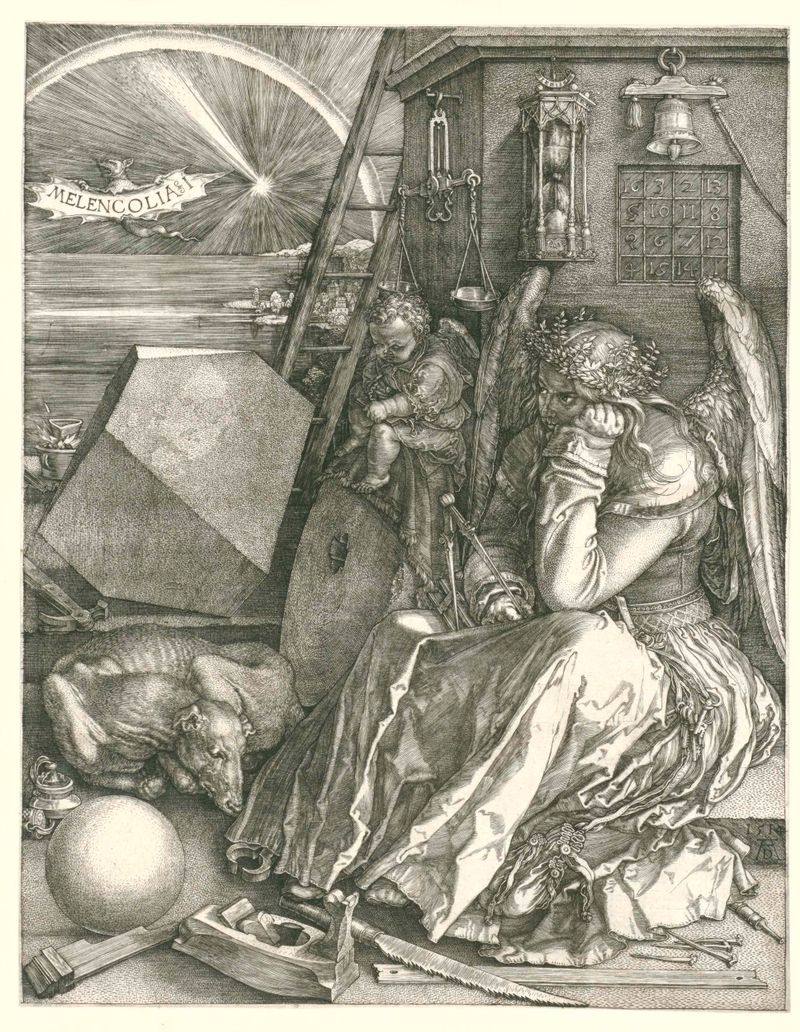
Melancholia
Albrecht Dürer
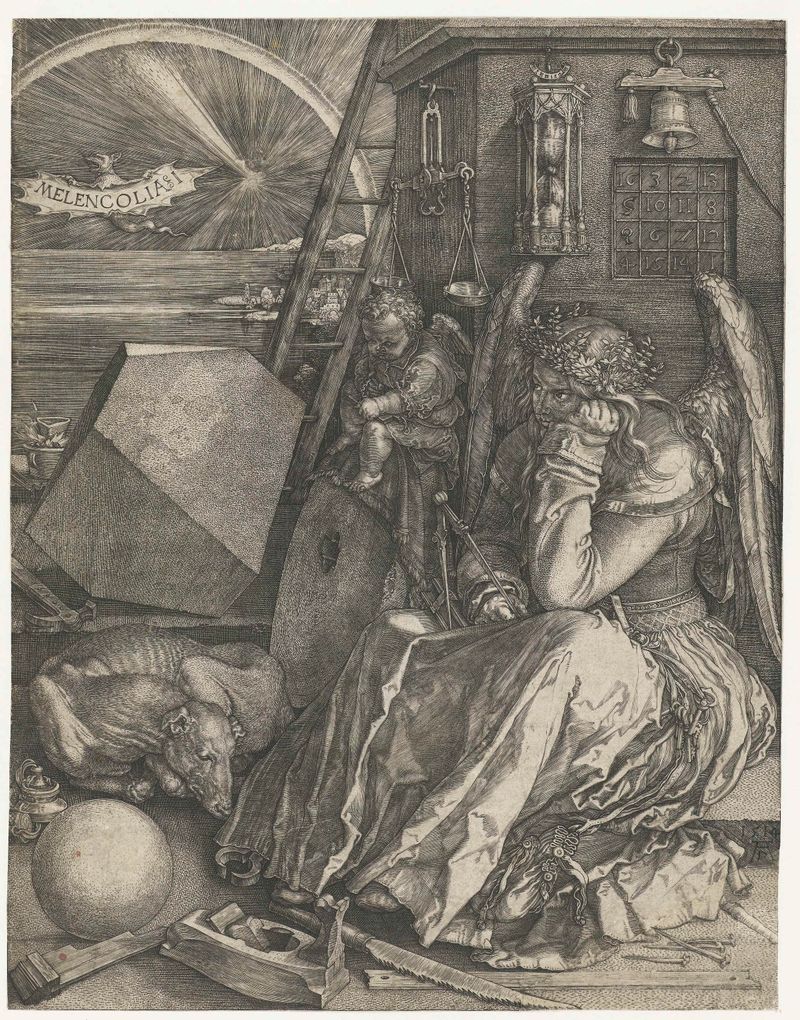
Melancholie
Albrecht Dürer

Neushoorn
Albrecht Dürer
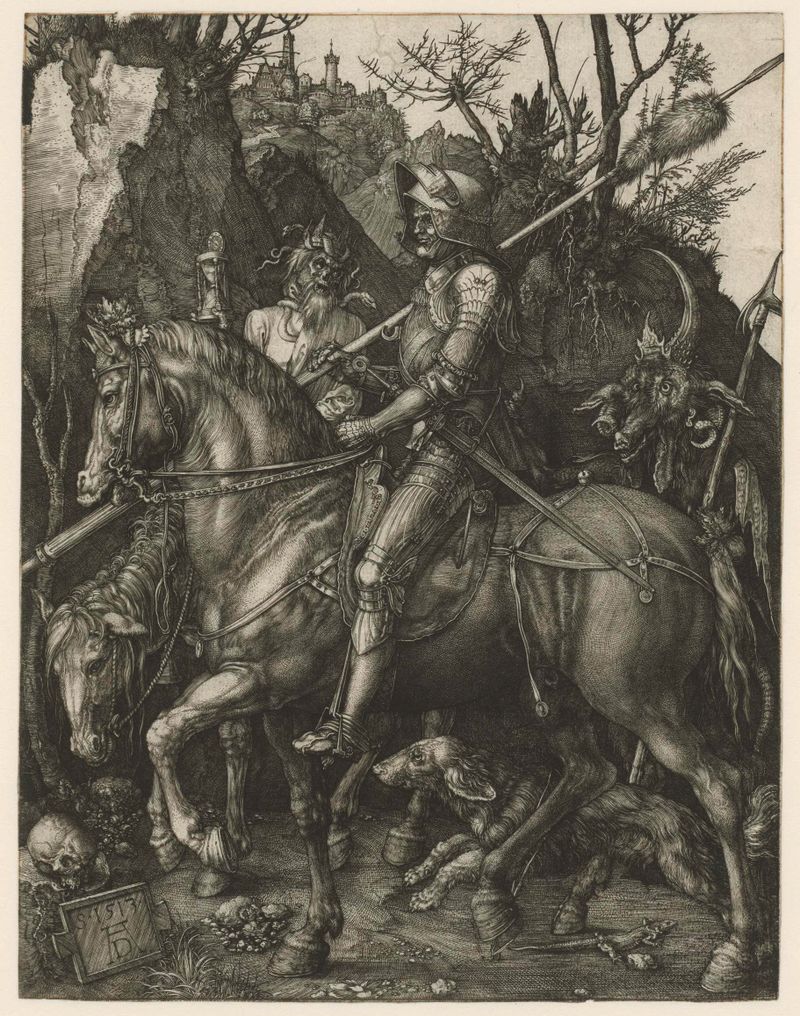
Knight, Death, and the Devil
Albrecht Dürer

De vier ruiters van de apocalyps
Albrecht Dürer

De vier ruiters van de apocalyps
Albrecht Dürer
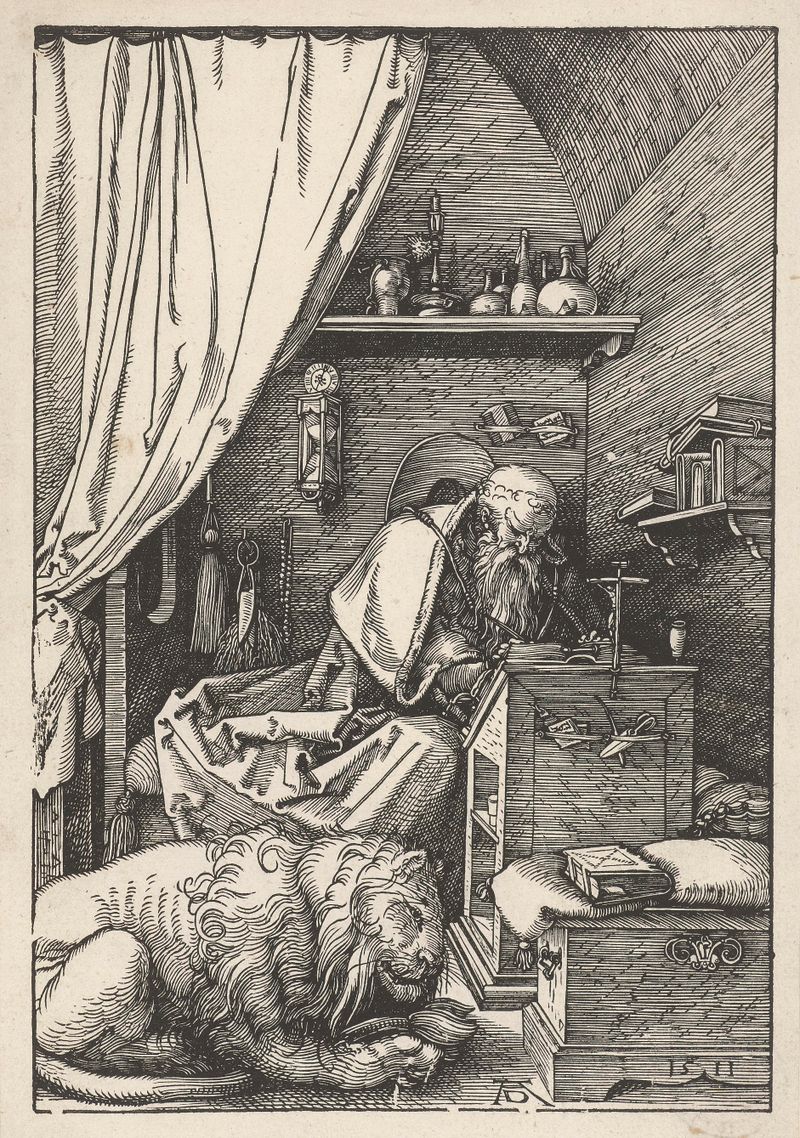
De Heilige Hiëronymus in zijn studeervertrek
Albrecht Dürer
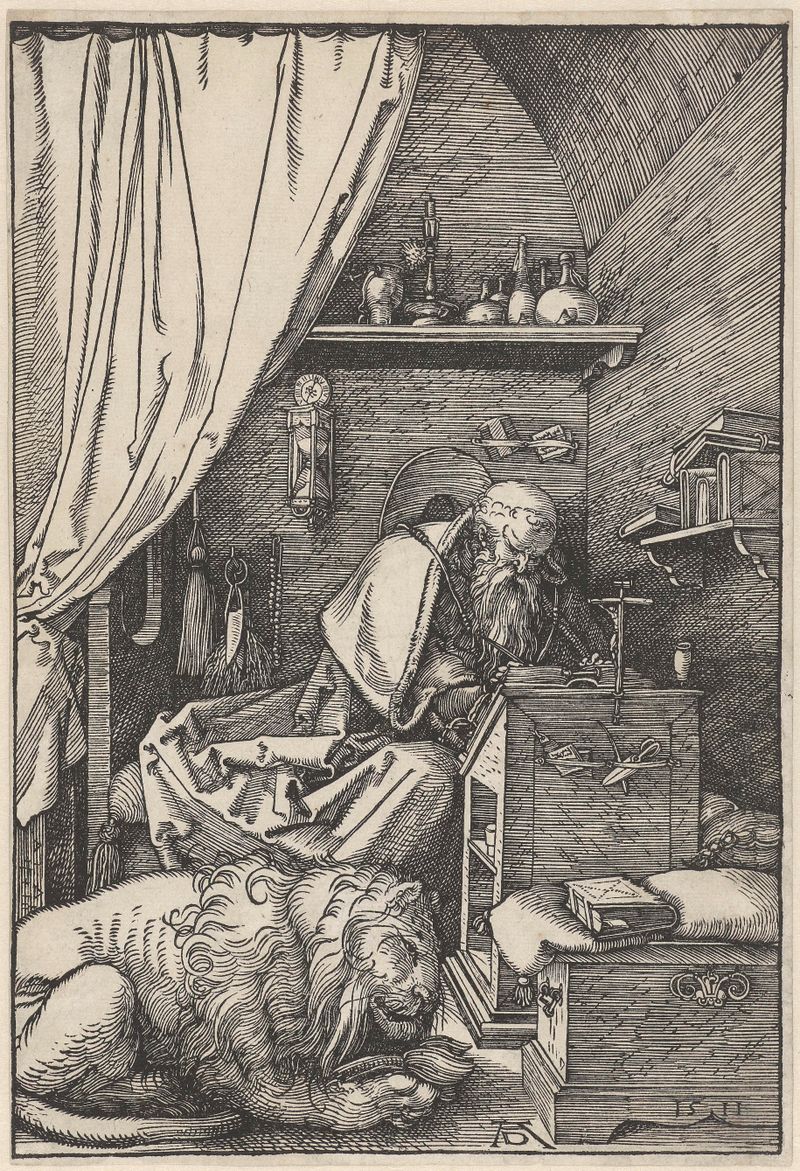
De Heilige Hiëronymus in zijn studeervertrek
Albrecht Dürer
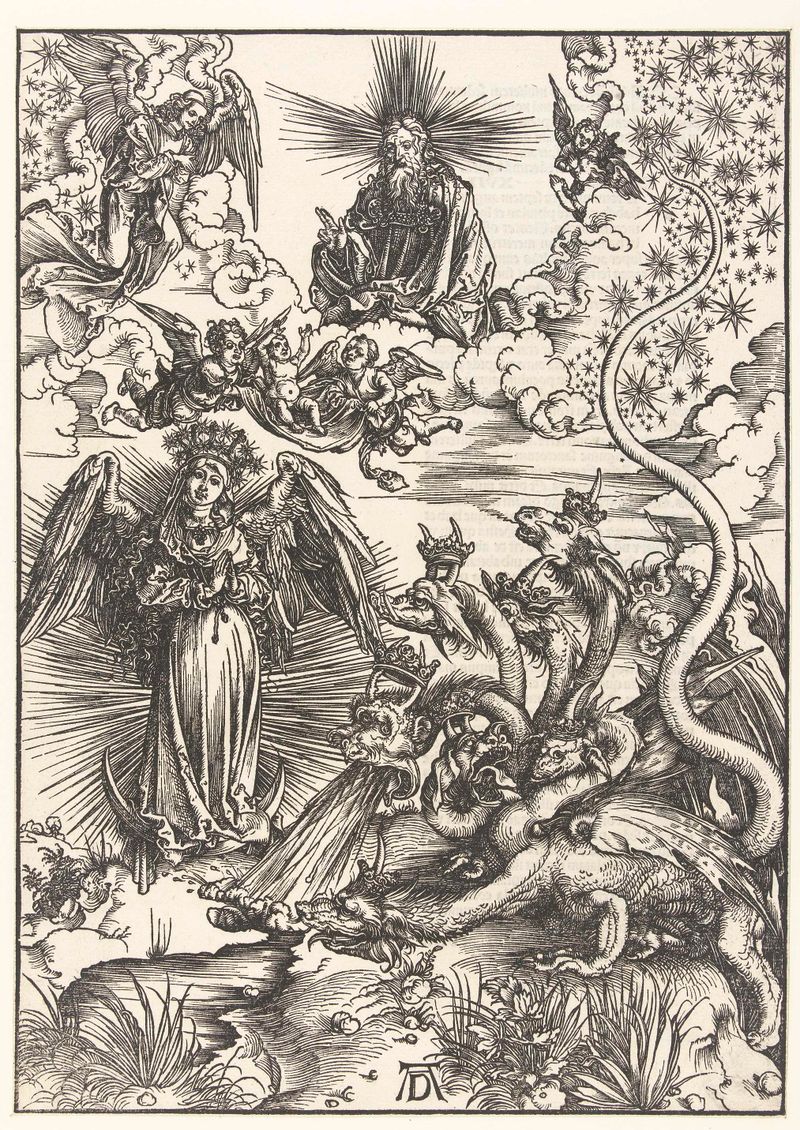
De apocalyptische vrouw en de zevenkoppige draak
Albrecht Dürer
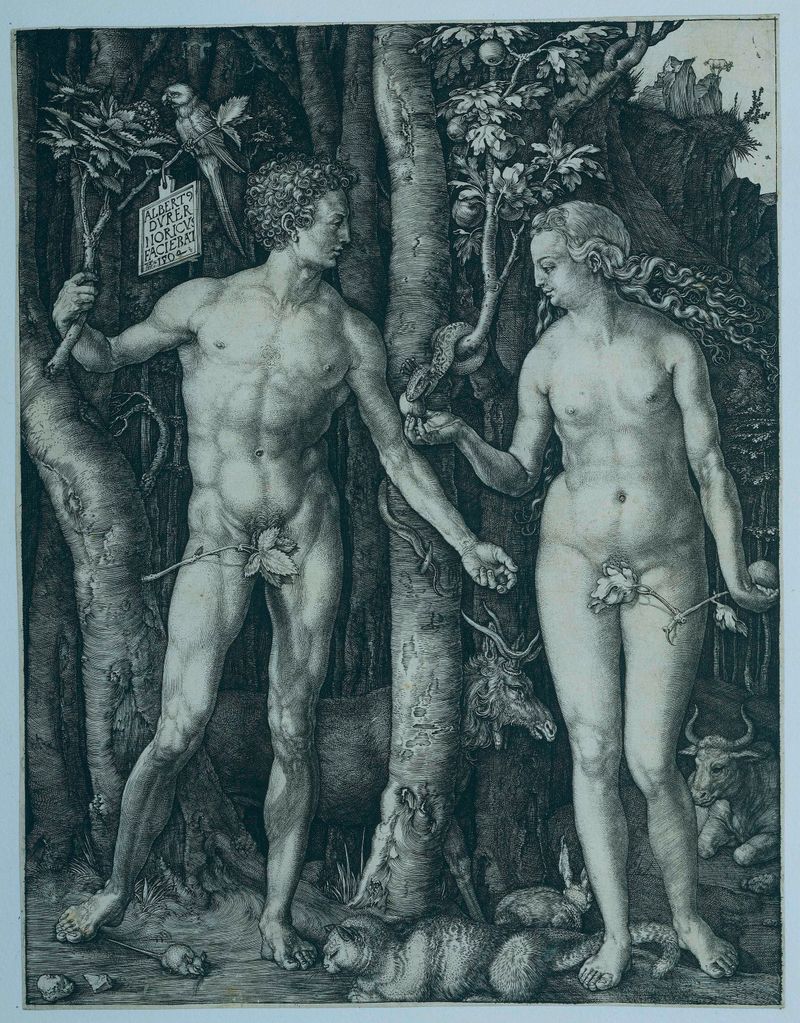
Adam en Eva
Albrecht Dürer
More Religious Art
Browse all →
The Return of the Prodigal Son
Rembrandt van Rijn

The Garden of Earthly Delights
El Bosco

Count Orgaz’ funeral
El Greco

The Hundred Guilder Print: the central piece with Christ preaching, the plate arched
Rembrandt van Rijn

The Descent from the Cross
Rogier van der Weyden

The return of the prodigal son
Rembrandt van Rijn