
Heilige Barbara — History & Facts
In the stillness of Heilige Barbara, melancholy permeates the air, as if the colors carry the weight of unspoken sorrow. A figure stands poised, embodying both grace and a profound sense of inevitability, inviting us to explore the depths of her spirit within the confines of the frame. Look to the left at the intricately detailed architectural backdrop, where shadows play gently with light, creating a contrast that draws the eye toward the figure of Barbara herself. Her gaze, a delicate balance of strength and fragility, captures the viewer's attention.
Notice how the muted palette of earthy tones interweaves with vibrant hues, imbuing her demeanor with a haunting beauty. The delicate rendering of textures — from her flowing garments to the rough stone — speaks to Dürer’s masterful technique and keen observation. The painting encapsulates a tension between isolation and presence; Barbara stands alone, yet her essence feels far-reaching. The palm branch she holds, a symbol of martyrdom, hints at her fate and evokes a sense of impending loss.
This juxtaposition of serene poise against the backdrop of foreboding suggests a deeper commentary on the nature of faith and suffering, inviting personal reflection on the human experience of grief and resilience. In 1503, Dürer was immersed in the flourishing Renaissance art scene in Nuremberg, balancing his roles as a painter and a printmaker. This period marked his explorations into forms of religious expression that merged traditional iconography with a new emphasis on individual emotion. Heilige Barbara reflects this evolution, embodying the artist's commitment to capturing the inner life of his subjects during a time of significant cultural transformation.
More Artworks by Albrecht Dürer
Browse all →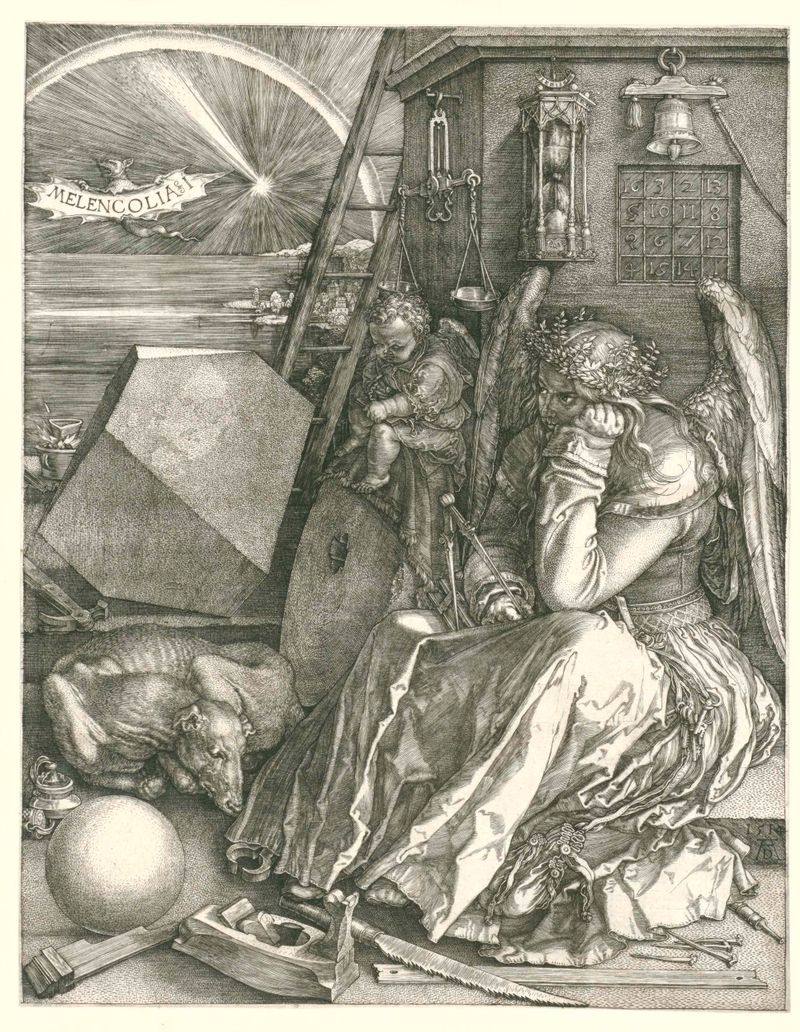
Melancholia
Albrecht Dürer
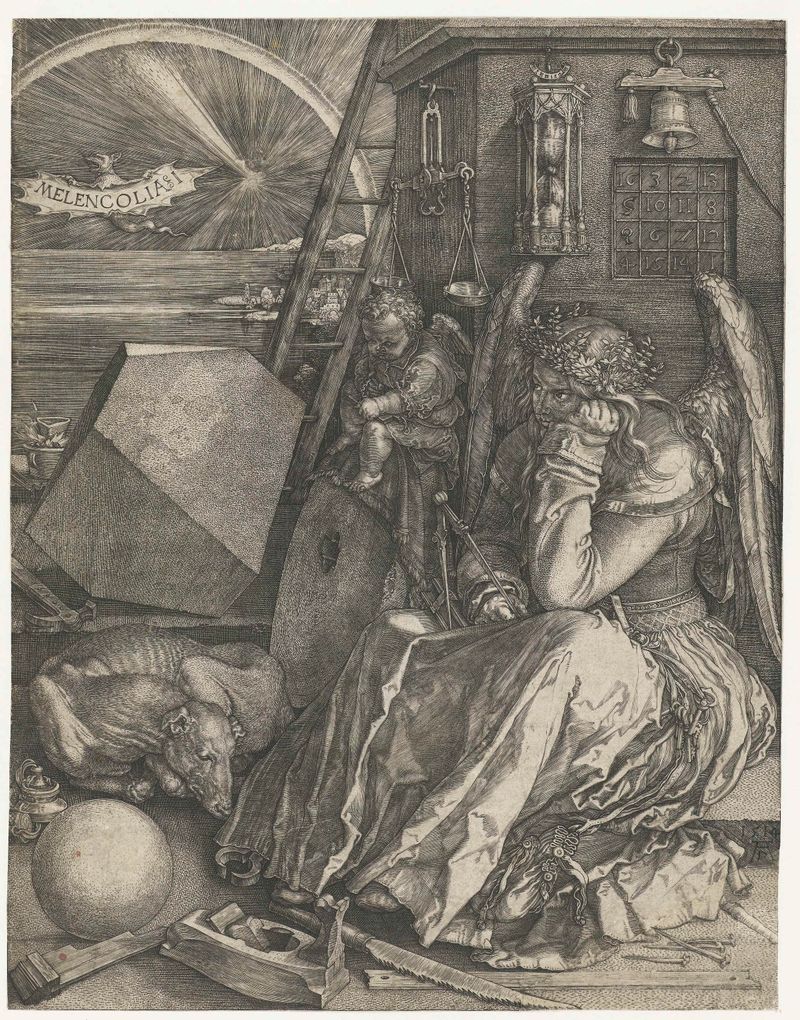
Melancholie
Albrecht Dürer
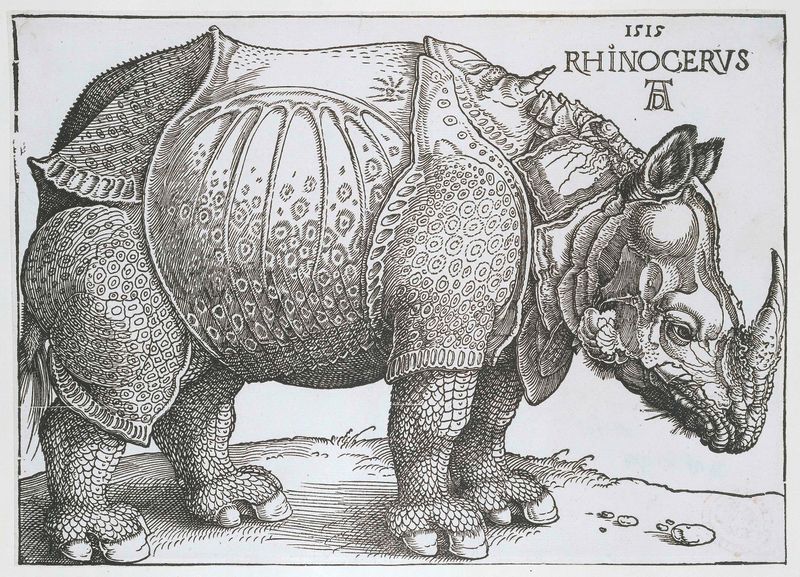
Neushoorn
Albrecht Dürer
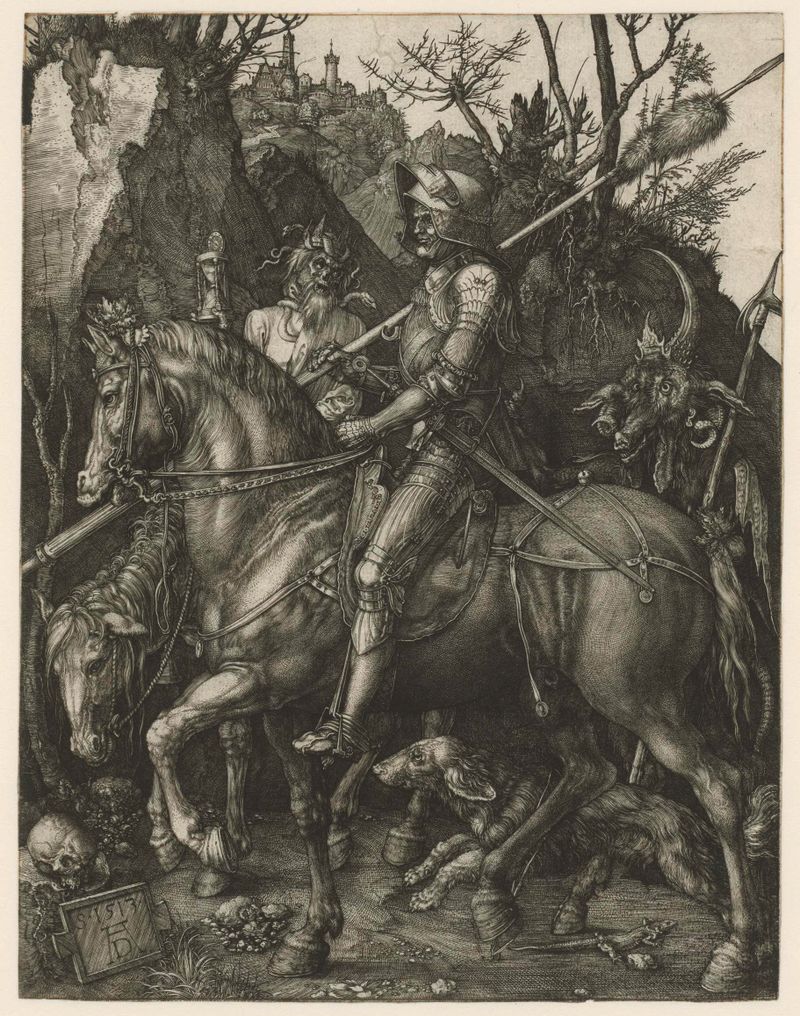
Knight, Death, and the Devil
Albrecht Dürer

De vier ruiters van de apocalyps
Albrecht Dürer

De vier ruiters van de apocalyps
Albrecht Dürer
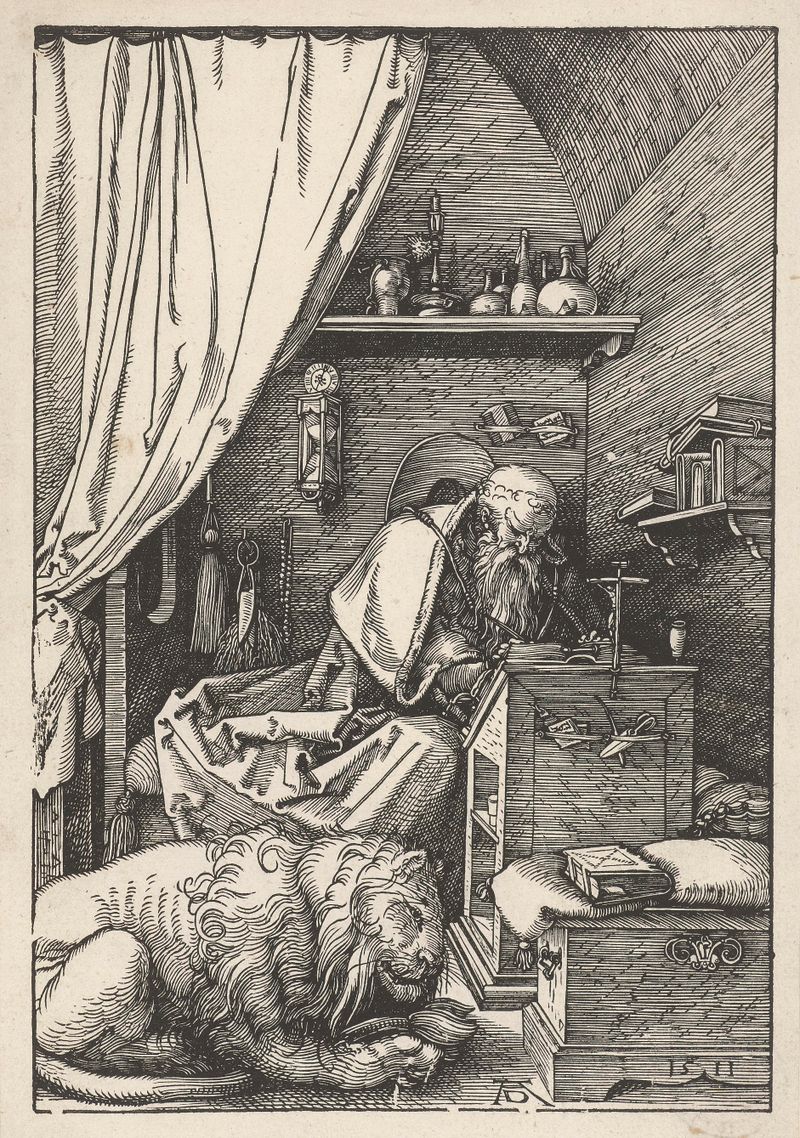
De Heilige Hiëronymus in zijn studeervertrek
Albrecht Dürer
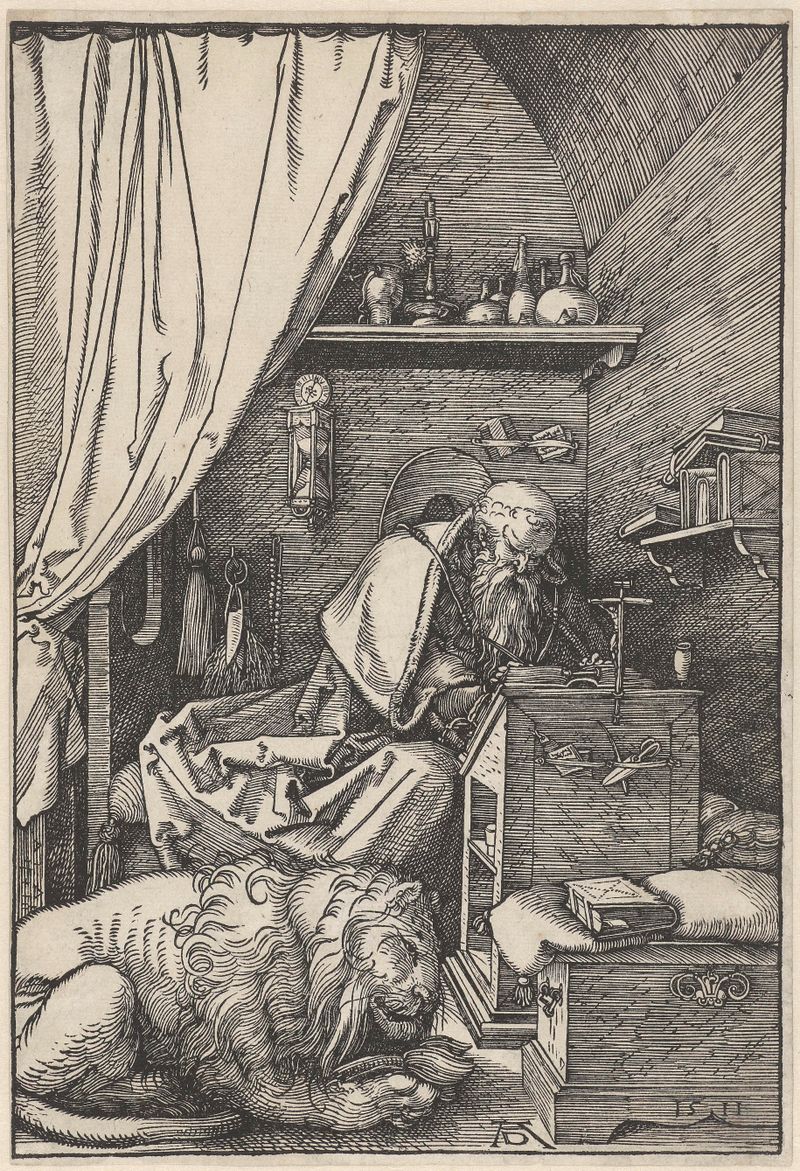
De Heilige Hiëronymus in zijn studeervertrek
Albrecht Dürer
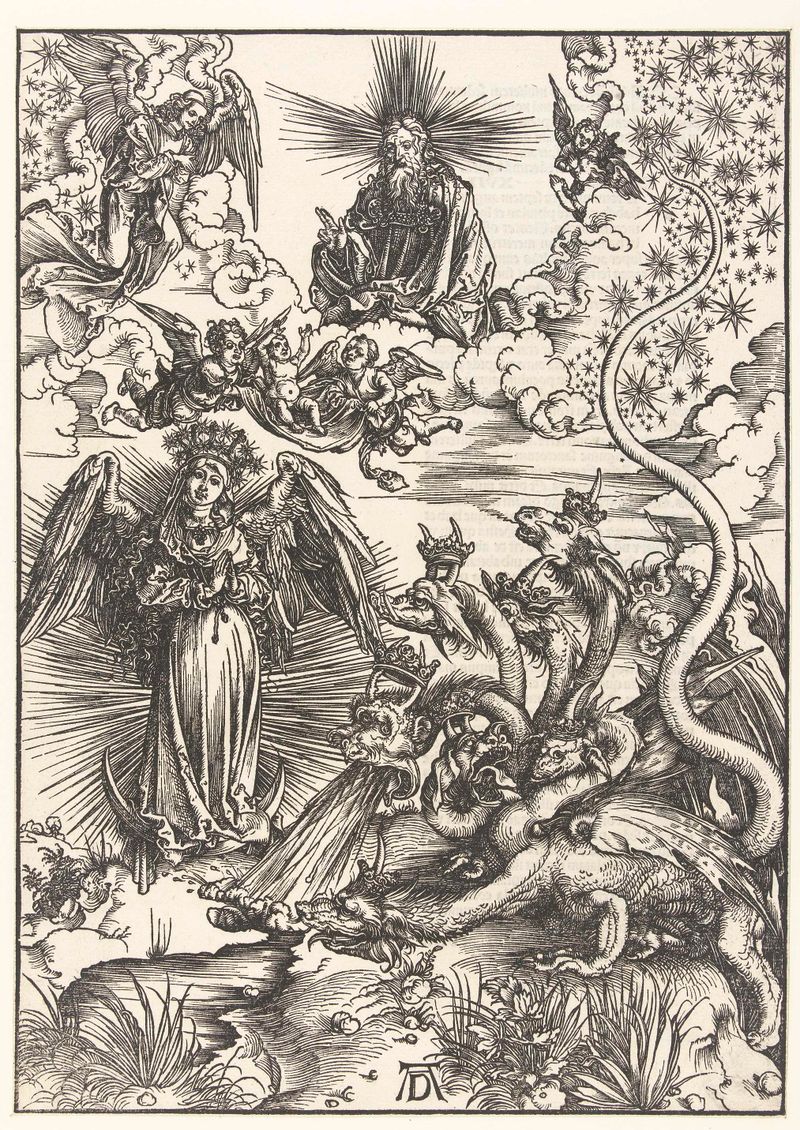
De apocalyptische vrouw en de zevenkoppige draak
Albrecht Dürer
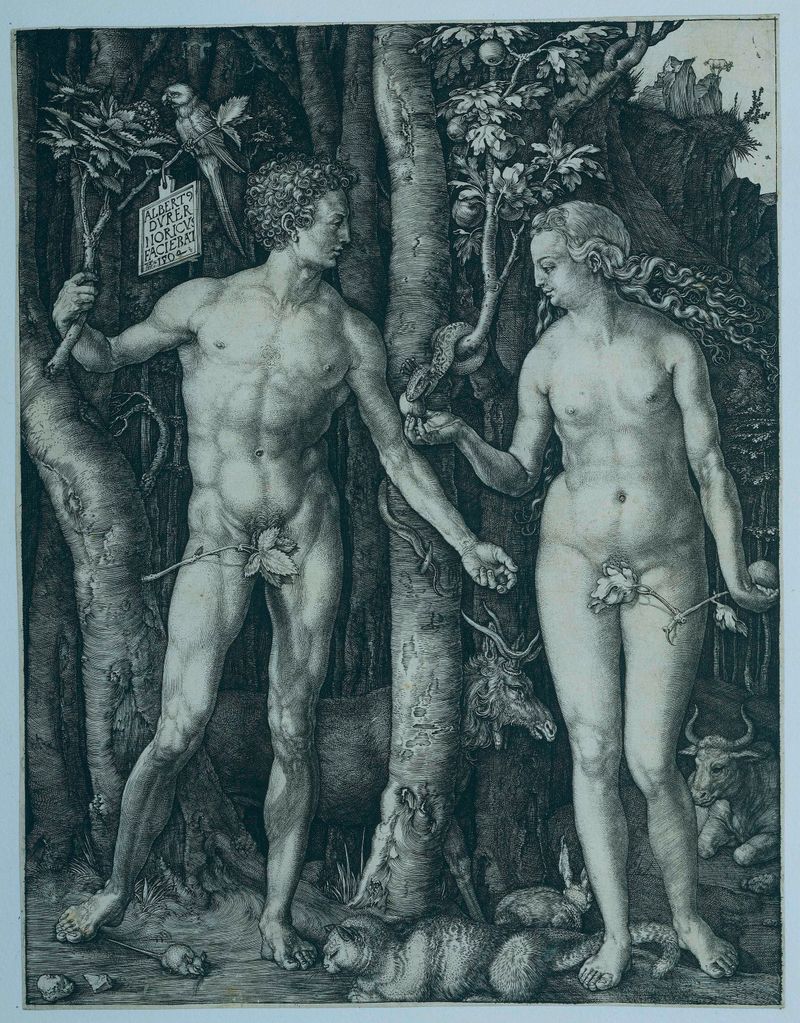
Adam en Eva
Albrecht Dürer
More Religious Art
Browse all →
The Return of the Prodigal Son
Rembrandt van Rijn

The Garden of Earthly Delights
El Bosco

Count Orgaz’ funeral
El Greco

The Hundred Guilder Print: the central piece with Christ preaching, the plate arched
Rembrandt van Rijn

The Descent from the Cross
Rogier van der Weyden

The return of the prodigal son
Rembrandt van Rijn