
Heilige Brigitta — History & Facts
Is this a mirror — or a memory? The canvas invites viewers to ponder the essence of truth and perception, blurring the line between what we see and what we believe. Focus first on the central figure, a serene Brigitta, whose gaze seems to pierce through the layers of time. Surrounding her, the delicate interplay of light and shadow creates a halo effect, giving her an ethereal presence. Notice how Dürer’s intricate detail in her garments contrasts with the gentle softness of her expression, drawing your attention to the dichotomy between the earthly and the divine.
The muted palette reinforces the solemnity of the scene, allowing the figure's luminescence to resonate against a backdrop of subdued tones. Hidden within the folds of her robe are symbols that speak to her holiness and humanity, intertwining faith with vulnerability. The subtle play of light accentuates not just her virtue but also evokes an atmosphere of introspection, urging the viewer to confront their own truths. Dürer adeptly captures the tension between the sanctity of religious devotion and the intimate nature of personal reflection, as if inviting us to engage in a dialogue with our own memories and beliefs. Created in 1503, this work emerged during a period of intense artistic exploration and spiritual upheaval in Europe.
Dürer, already renowned for his mastery of printmaking, was deeply influenced by the humanist ideals of the Renaissance. Painting Heilige Brigitta in Nuremberg, a city vibrant with cultural exchange, he sought to elevate religious themes through the lens of individual experience, addressing both the divine and the deeply human condition of his time.
More Artworks by Albrecht Dürer
Browse all →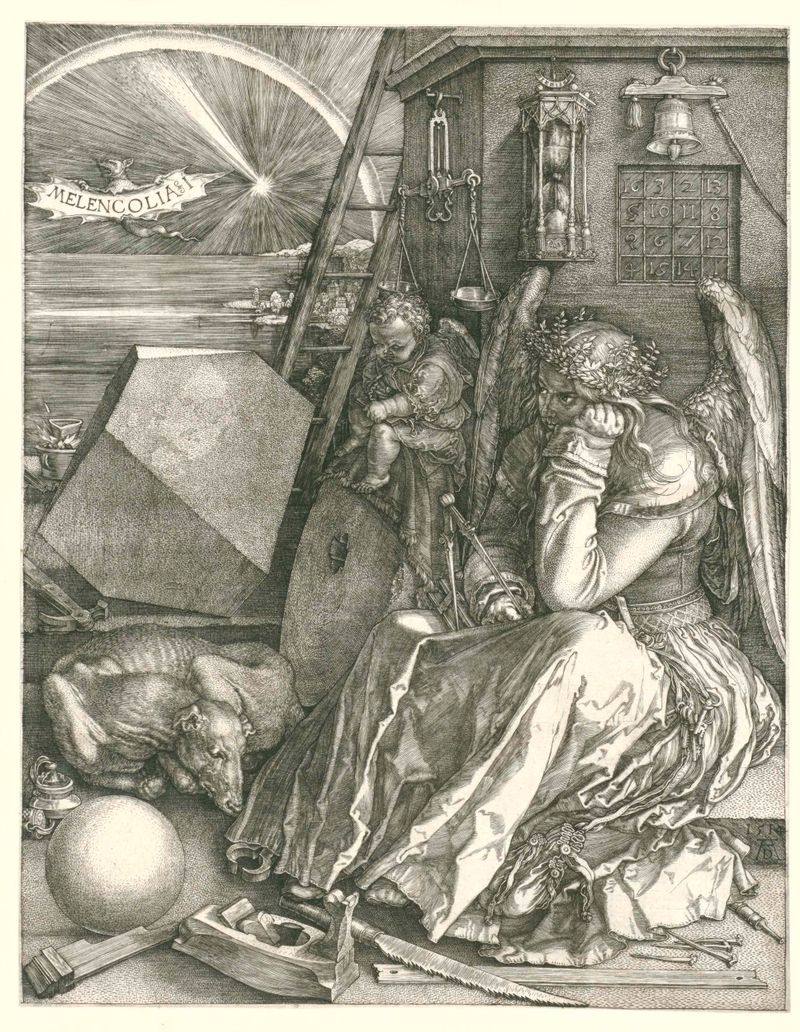
Melancholia
Albrecht Dürer
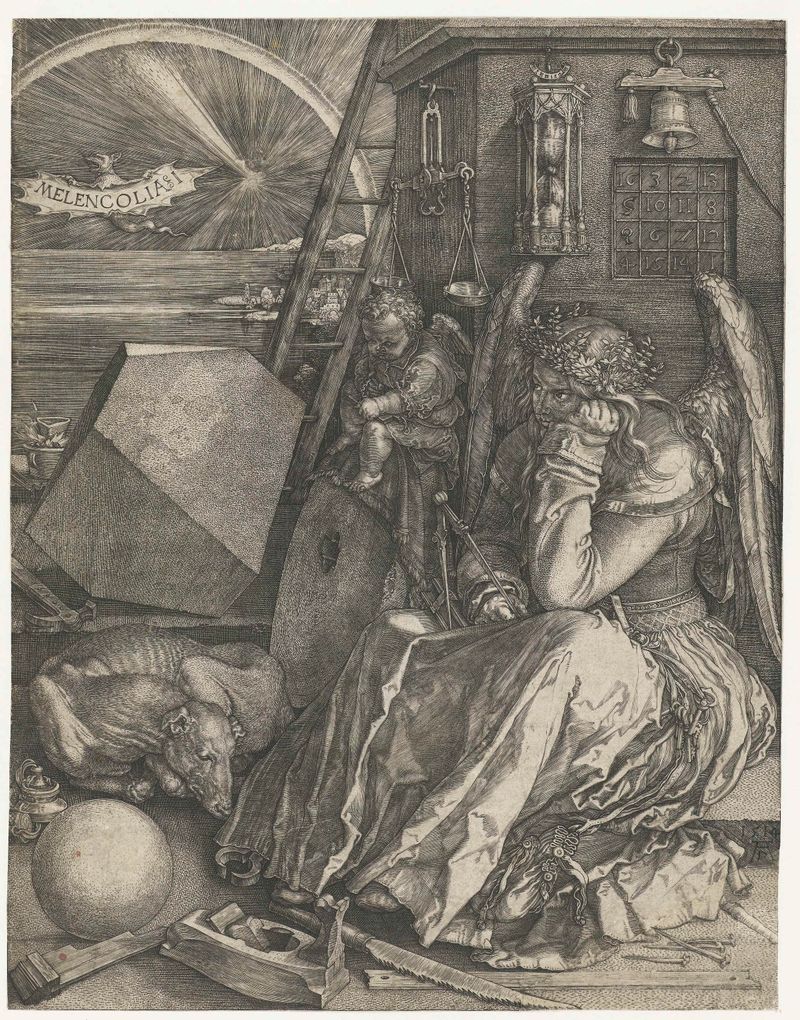
Melancholie
Albrecht Dürer

Neushoorn
Albrecht Dürer
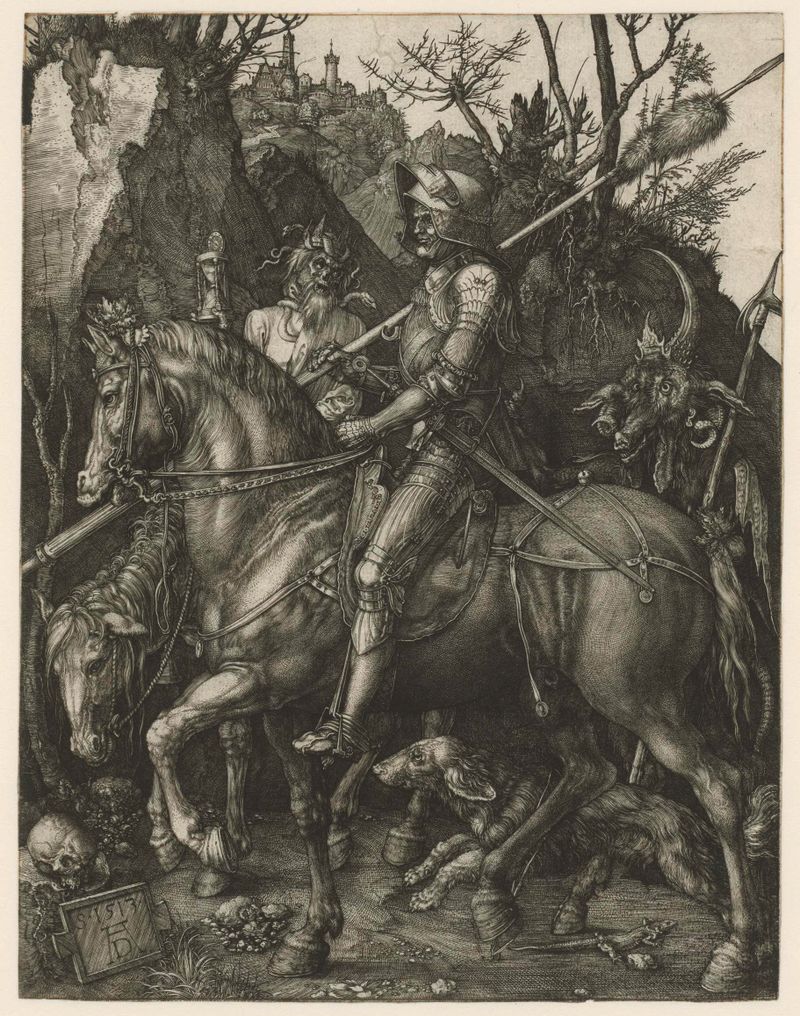
Knight, Death, and the Devil
Albrecht Dürer

De vier ruiters van de apocalyps
Albrecht Dürer

De vier ruiters van de apocalyps
Albrecht Dürer
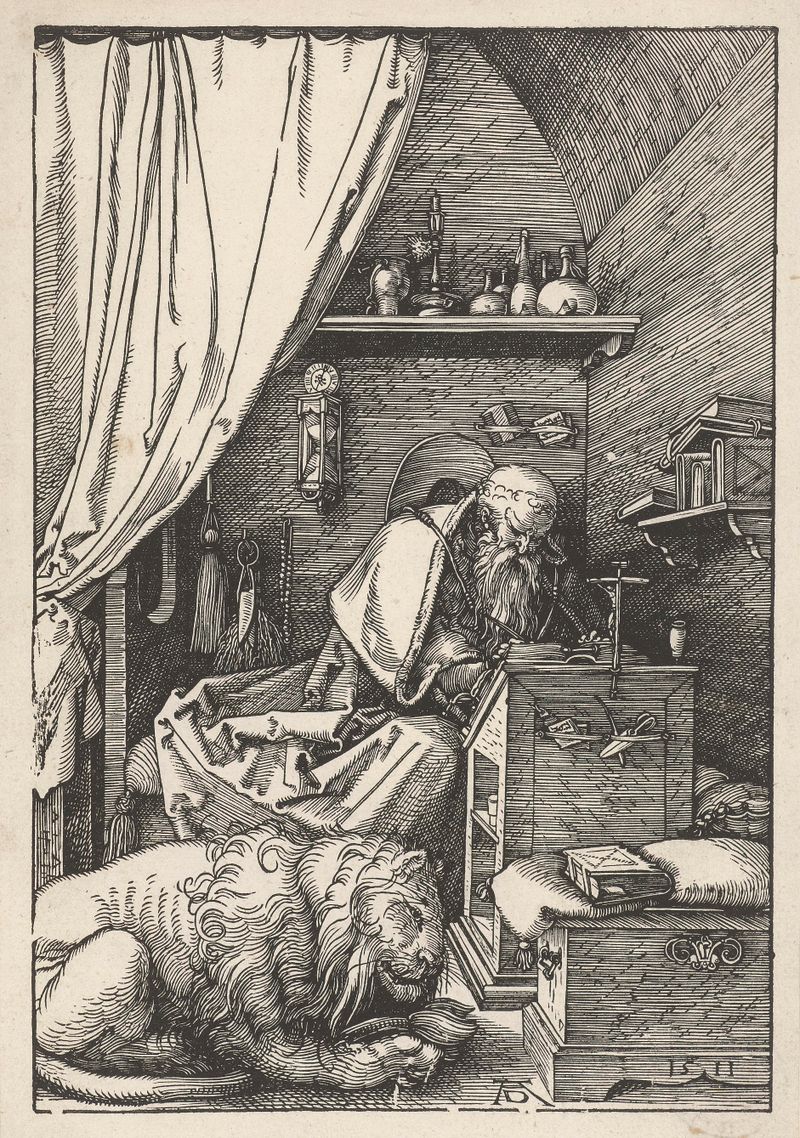
De Heilige Hiëronymus in zijn studeervertrek
Albrecht Dürer
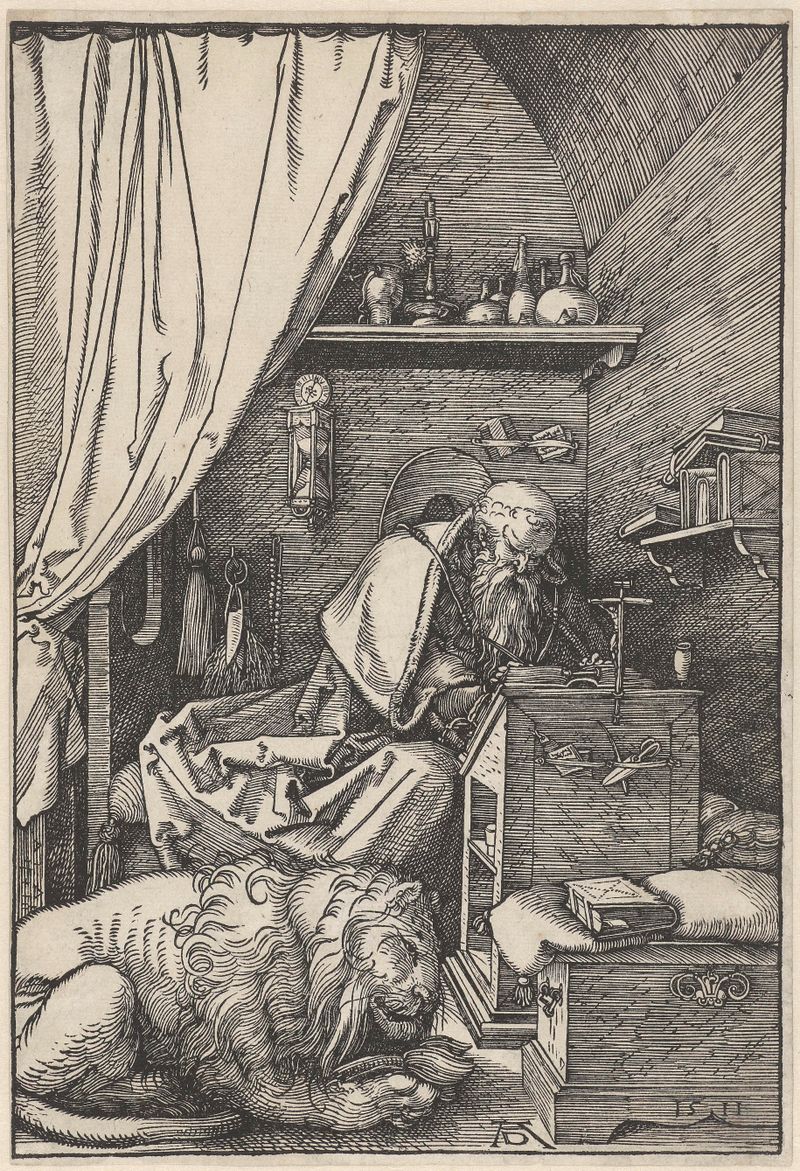
De Heilige Hiëronymus in zijn studeervertrek
Albrecht Dürer
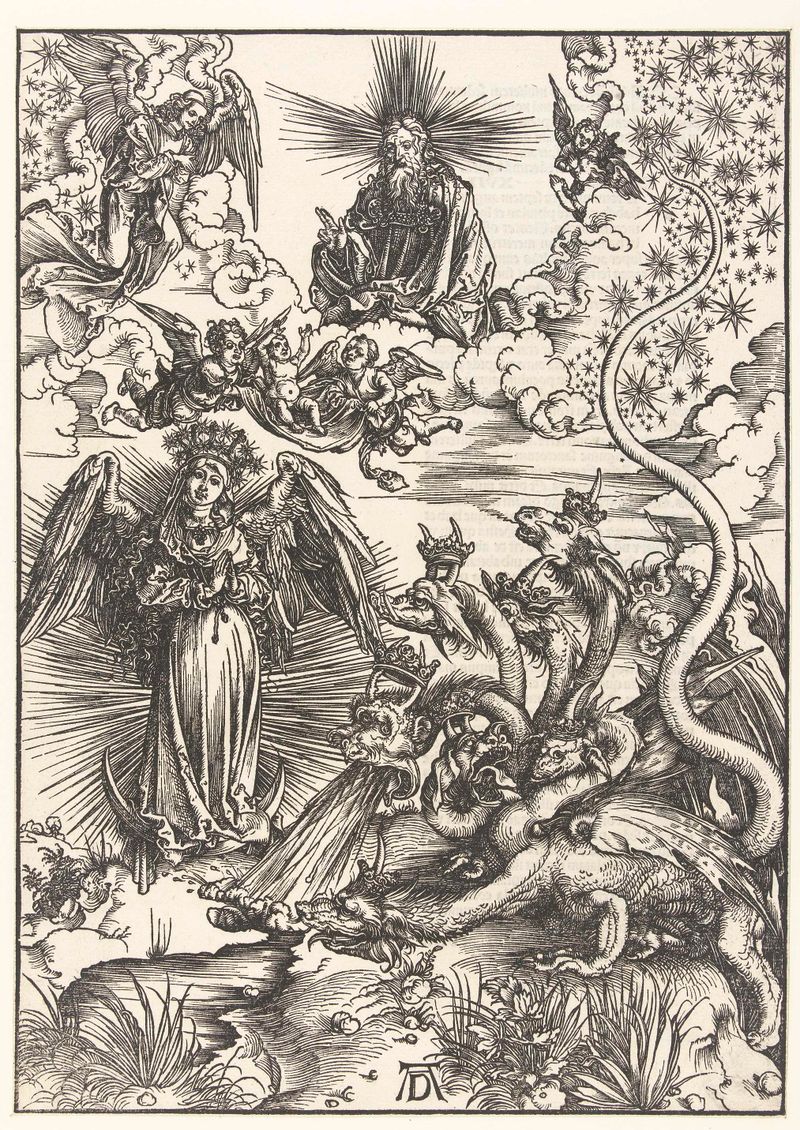
De apocalyptische vrouw en de zevenkoppige draak
Albrecht Dürer
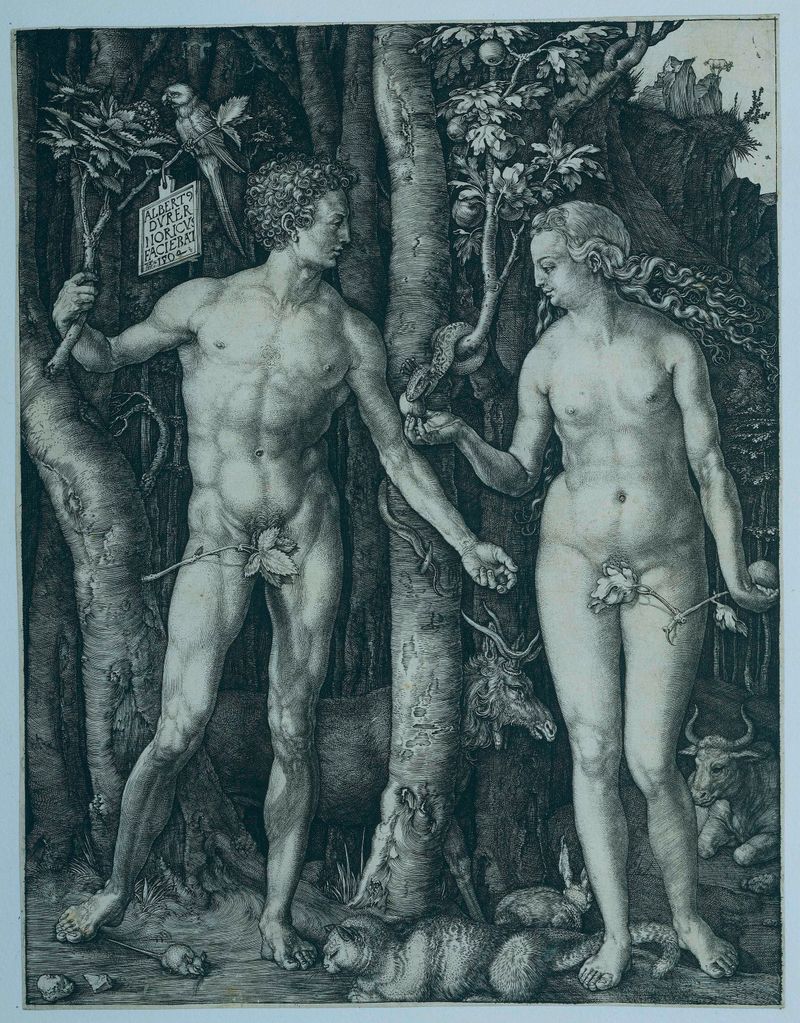
Adam en Eva
Albrecht Dürer
More Religious Art
Browse all →
The Return of the Prodigal Son
Rembrandt van Rijn

The Garden of Earthly Delights
El Bosco

Count Orgaz’ funeral
El Greco

The Hundred Guilder Print: the central piece with Christ preaching, the plate arched
Rembrandt van Rijn

The Descent from the Cross
Rogier van der Weyden

The return of the prodigal son
Rembrandt van Rijn