
Heilige Helena — History & Facts
Could a single brushstroke hold eternity? In Albrecht Dürer’s Heilige Helena, light serves not just as illumination but as a vessel of divine presence and transformation, inviting viewers into a realm where the sacred meets the earthly. Focus first on the figure of Saint Helena, standing poised and resolute at the center of the composition. Notice how the soft, golden light cascades over her form, accentuating the delicate texture of her garments. The gentle interplay of shadow and light captures the three-dimensionality of her face, inviting empathy and reverence.
To the left, the subtle detail of the cross she holds becomes both a testament and a symbol, merging faith with artistry through sumptuous colors and meticulously rendered details. Beneath the surface of this serene depiction lies a tension between the celestial and the mortal. The flowing drapery, a harmonious blend of colors, symbolizes the grace of divine intervention while hinting at earthly fragility. The muted background juxtaposes the radiant figure, emphasizing her importance in the midst of stillness.
This contrast serves to elevate the narrative, inviting contemplation on faith, sacrifice, and the legacy of the saints. In 1503, Dürer was a pivotal figure in the Northern Renaissance, deeply engaged in exploring the relationship between art and spirituality. Creating Heilige Helena during his time in Nuremberg, he sought to merge traditional Christian themes with the emerging techniques of realism and perspective, reflecting both personal and collective struggles of faith in a rapidly changing world.
More Artworks by Albrecht Dürer
Browse all →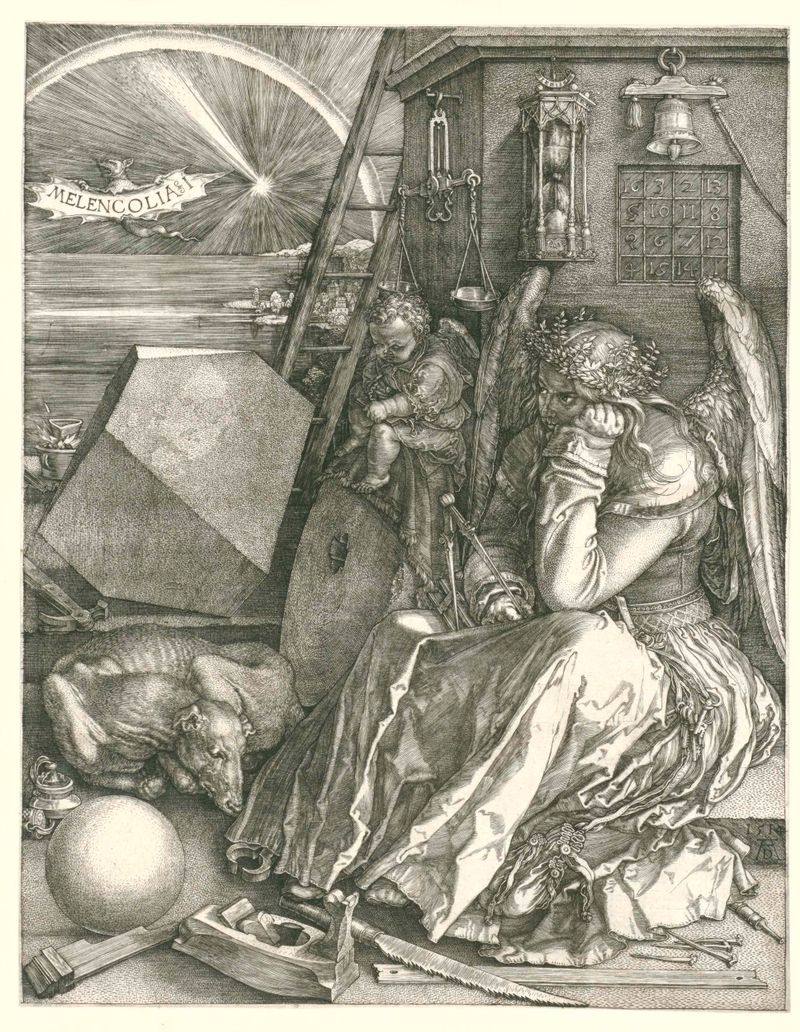
Melancholia
Albrecht Dürer
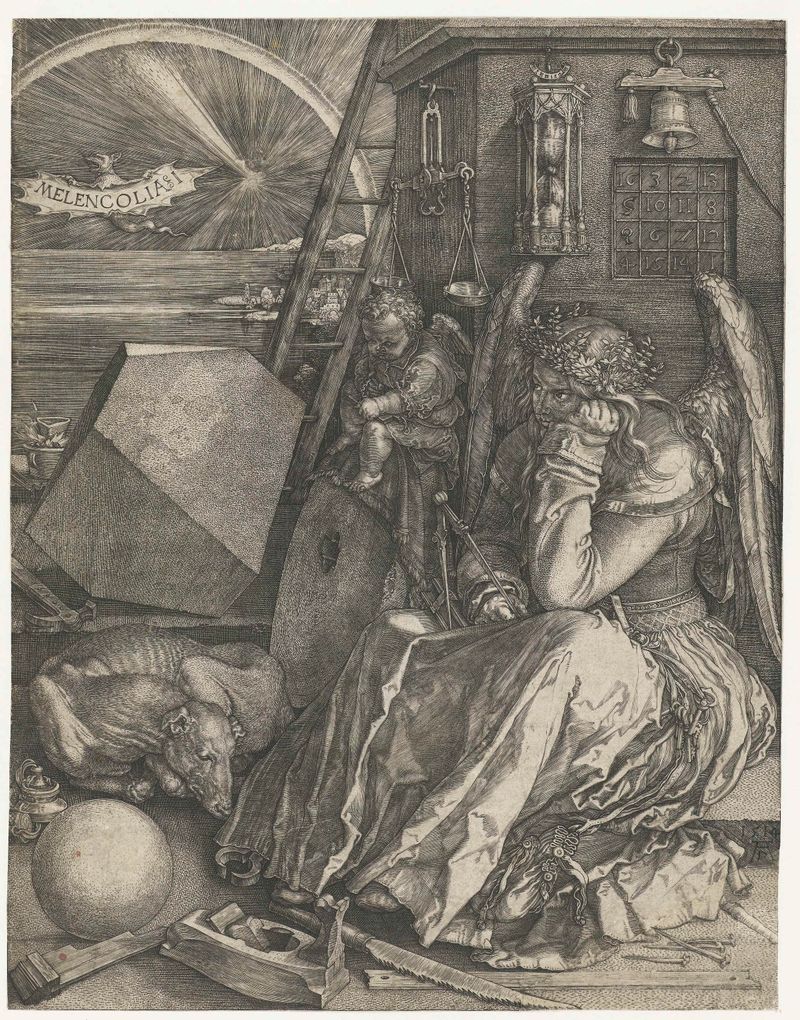
Melancholie
Albrecht Dürer
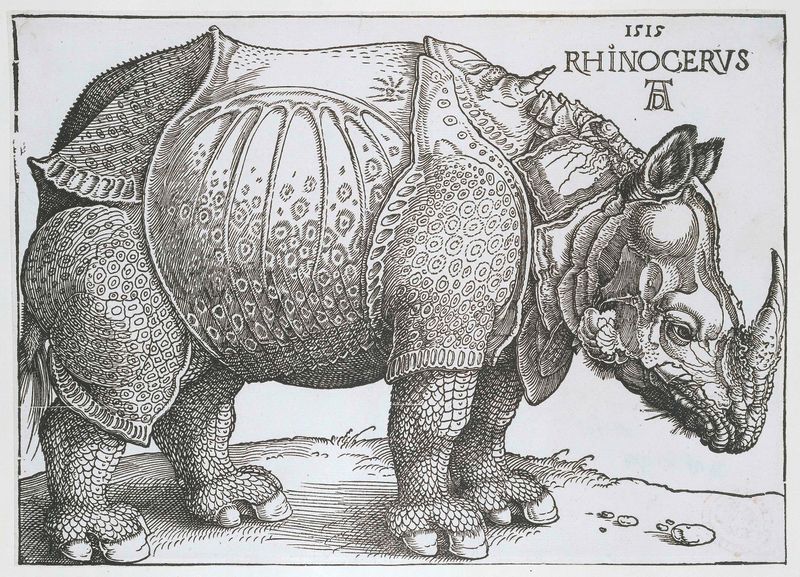
Neushoorn
Albrecht Dürer
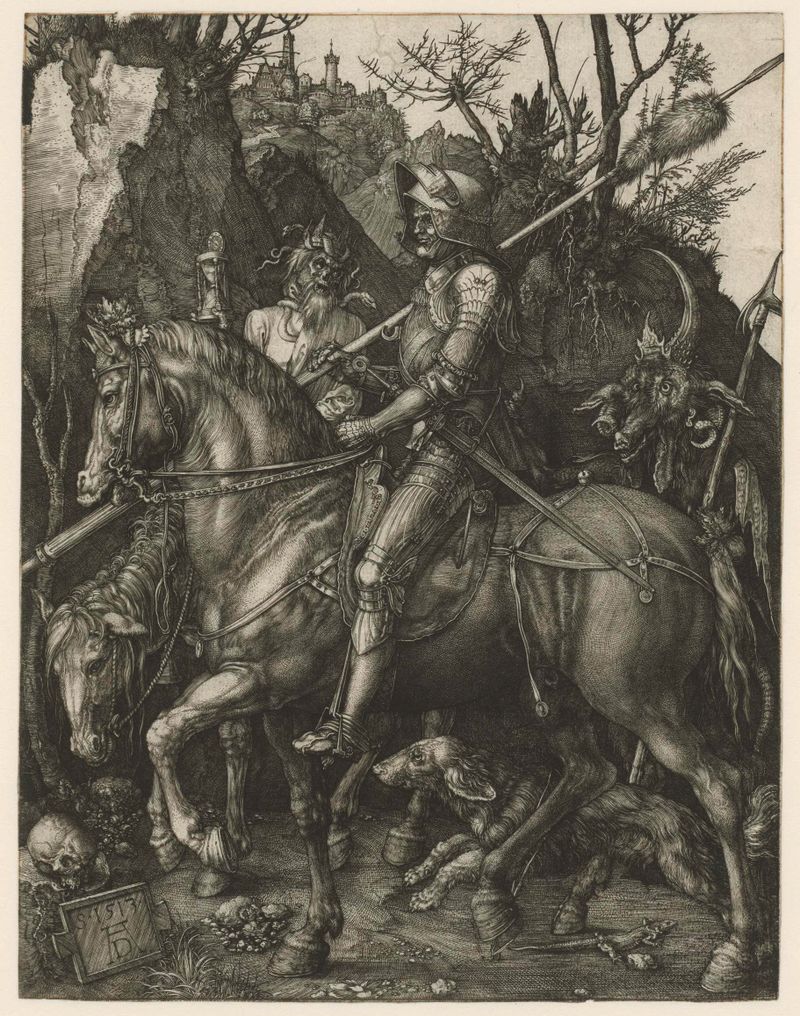
Knight, Death, and the Devil
Albrecht Dürer

De vier ruiters van de apocalyps
Albrecht Dürer

De vier ruiters van de apocalyps
Albrecht Dürer
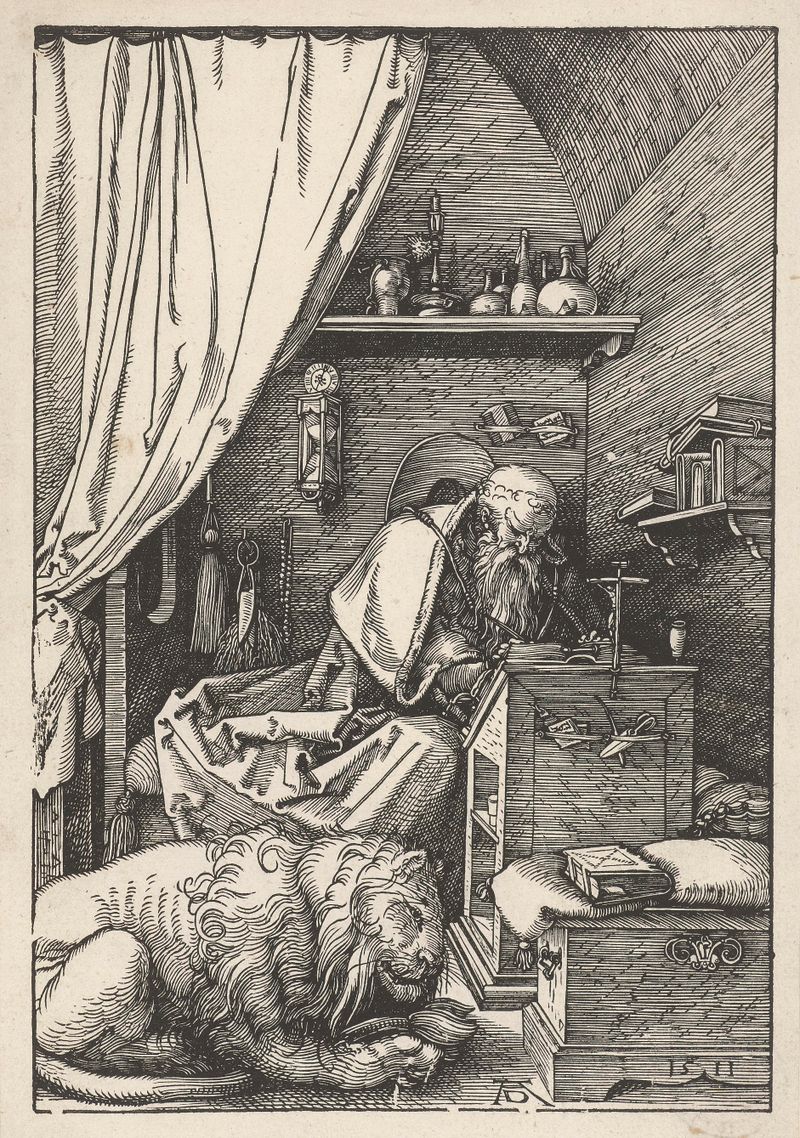
De Heilige Hiëronymus in zijn studeervertrek
Albrecht Dürer
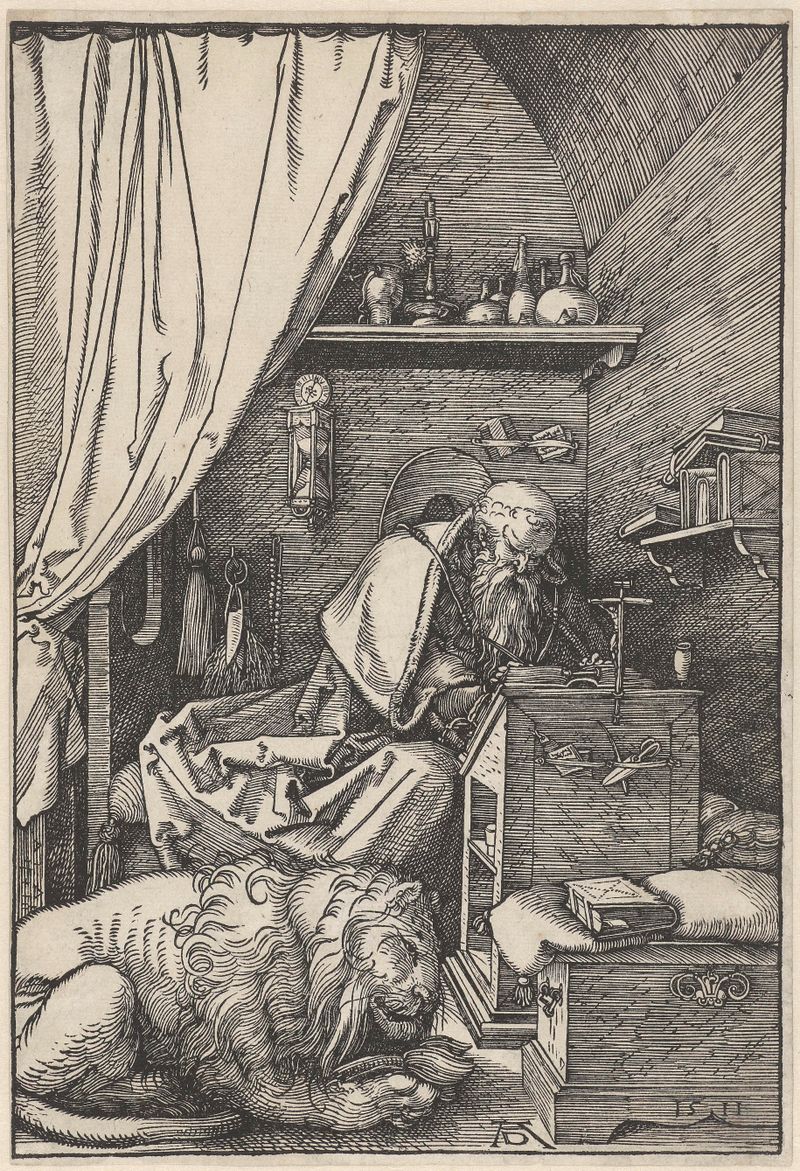
De Heilige Hiëronymus in zijn studeervertrek
Albrecht Dürer
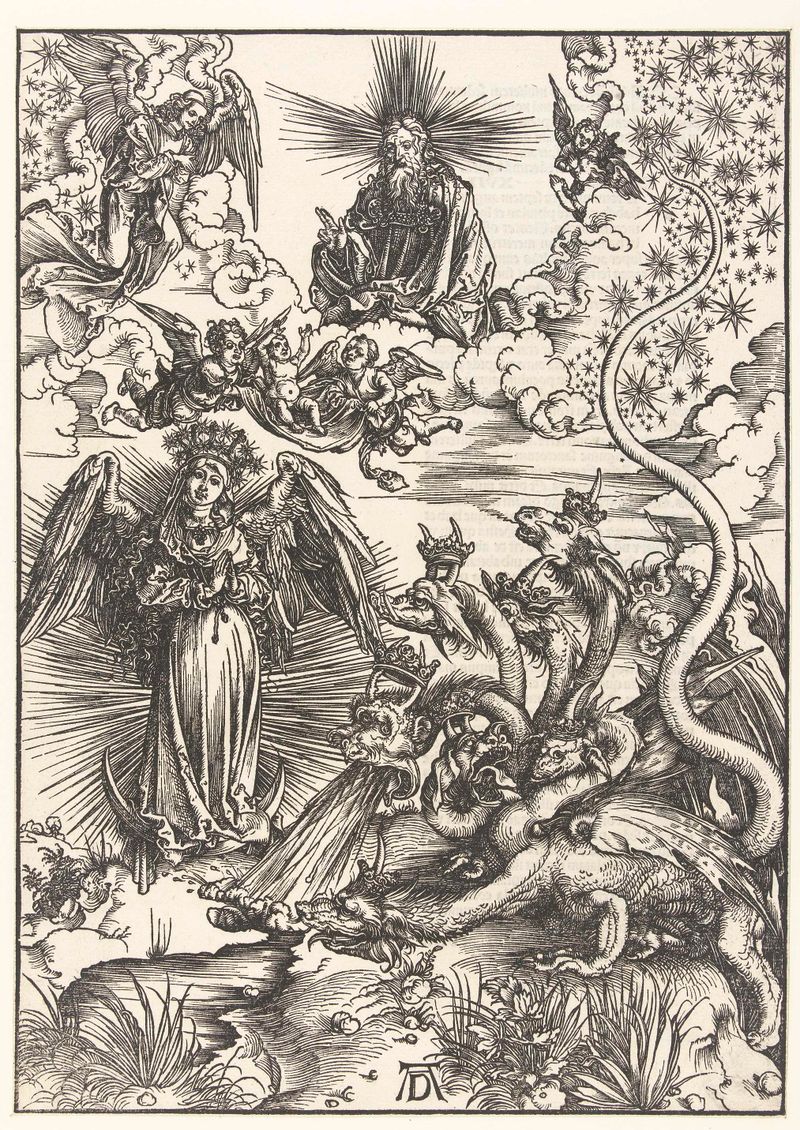
De apocalyptische vrouw en de zevenkoppige draak
Albrecht Dürer
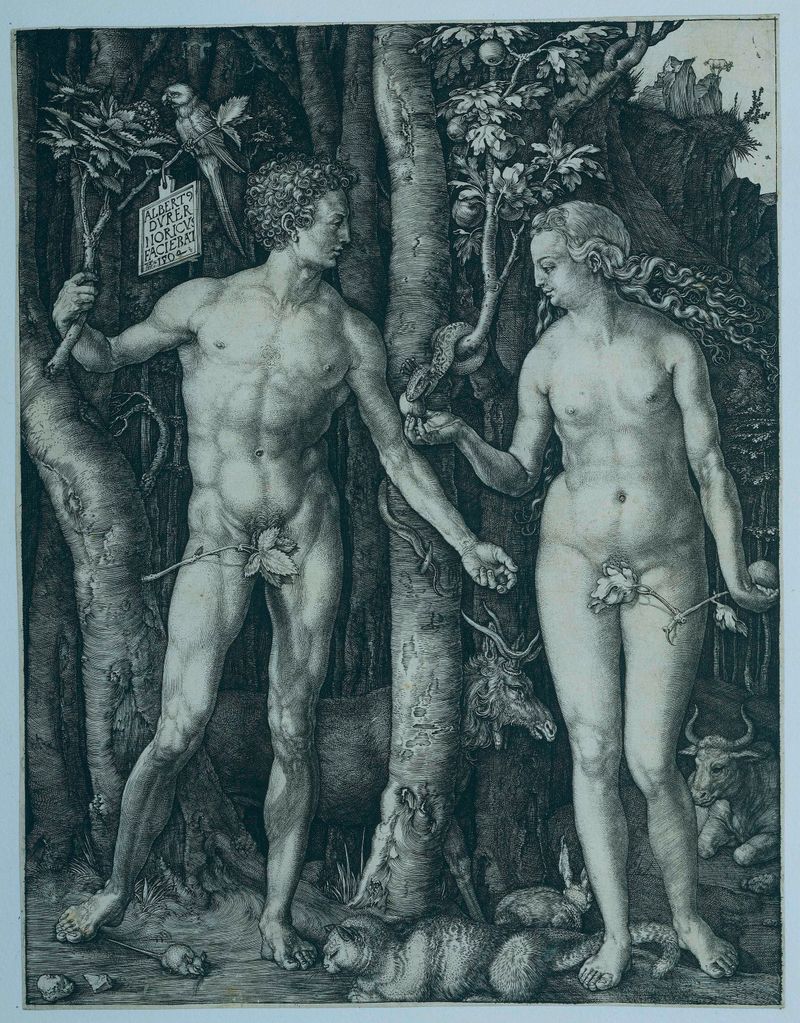
Adam en Eva
Albrecht Dürer
More Religious Art
Browse all →
The Return of the Prodigal Son
Rembrandt van Rijn

The Garden of Earthly Delights
El Bosco

Count Orgaz’ funeral
El Greco

The Hundred Guilder Print: the central piece with Christ preaching, the plate arched
Rembrandt van Rijn

The Descent from the Cross
Rogier van der Weyden

The return of the prodigal son
Rembrandt van Rijn