
Heilige Margaretha — History & Facts
What secret hides in the quiet of the canvas? A stillness that breathes life, inviting us to explore the movement of faith and fortitude embodied in this revered figure. Look to the center, where the saint stands poised against a backdrop of intricate detail. Notice how the delicate folds of her garment catch the light, creating a harmonious contrast of shadows and highlights. The luminous palette of soft greens and warm earth tones draws the eye, while the meticulously rendered textures—especially in the hair and fabric—reveal the artist's mastery of form.
Each brushstroke serves not just as decoration but as a testament to the divine grace that envelops her. Delve deeper into the narrative within the piece. The serpent coiling around her foot symbolizes the eternal battle against sin, a conflict that pulsates with tension, suggesting movement beyond the static pose. The background, though serene, brims with elements of the natural world, hinting at the presence of the divine in every detail.
Each element is a reminder of the balance between earthly struggles and spiritual triumphs that defines the human experience. In 1503, Albrecht Dürer created this work during a pivotal moment in his career, reflecting the growing influence of humanism in the Renaissance. Living in Nuremberg, he was at the forefront of artistic innovation, experimenting with techniques that would shape Northern European art. Dürer's increasing interest in merging meticulous observation with spiritual themes marks Heilige Margaretha as both a personal and cultural milestone in his evolving oeuvre.
More Artworks by Albrecht Dürer
Browse all →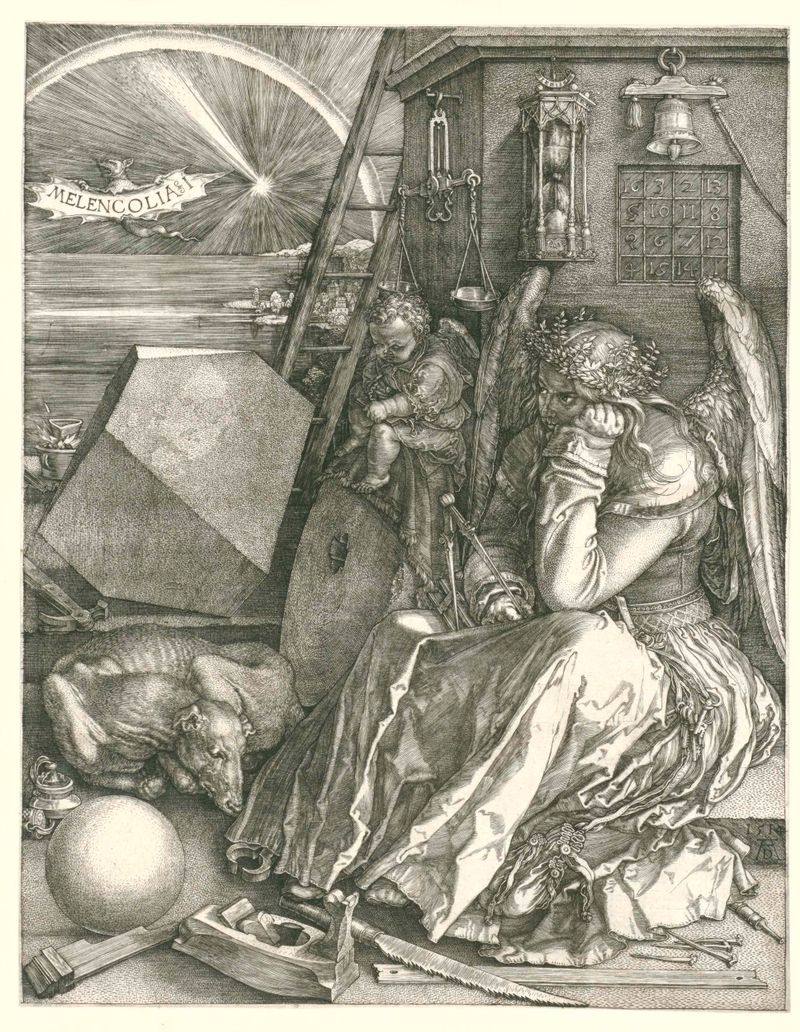
Melancholia
Albrecht Dürer
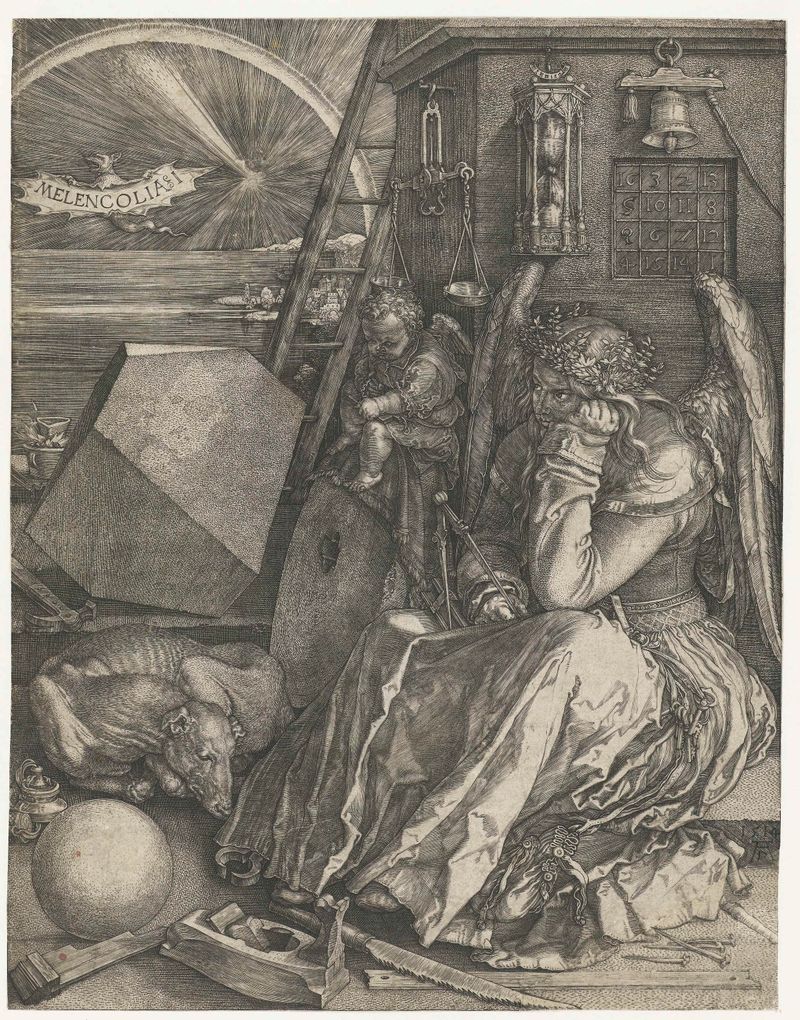
Melancholie
Albrecht Dürer

Neushoorn
Albrecht Dürer
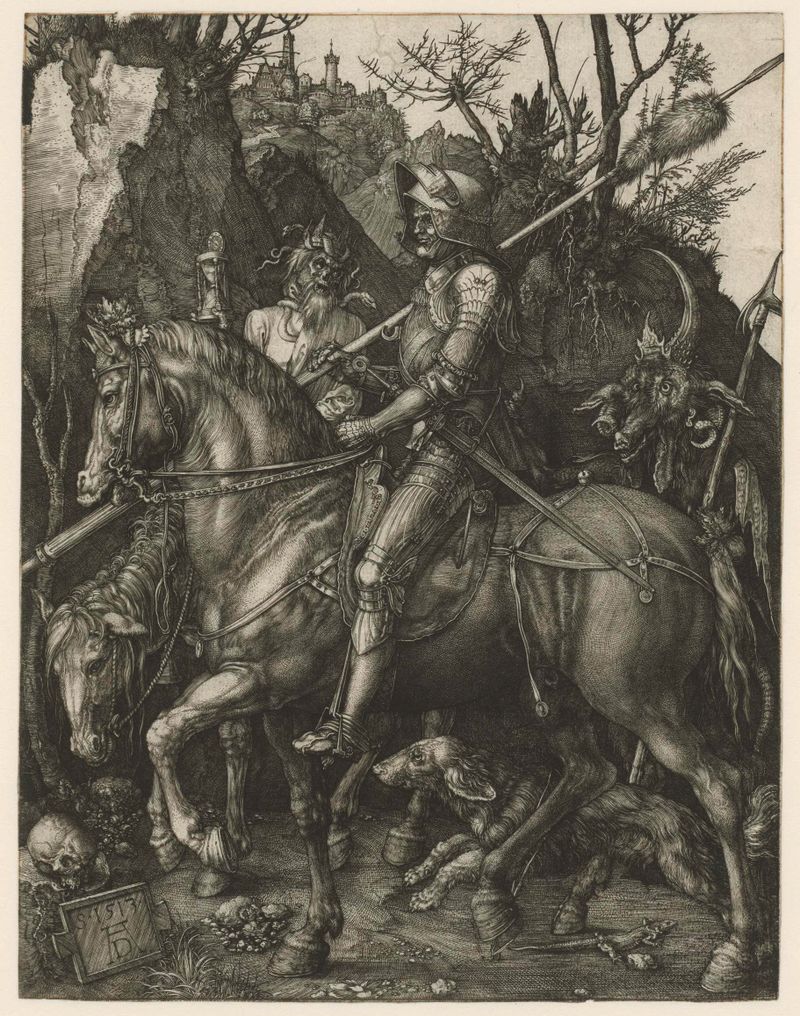
Knight, Death, and the Devil
Albrecht Dürer

De vier ruiters van de apocalyps
Albrecht Dürer

De vier ruiters van de apocalyps
Albrecht Dürer
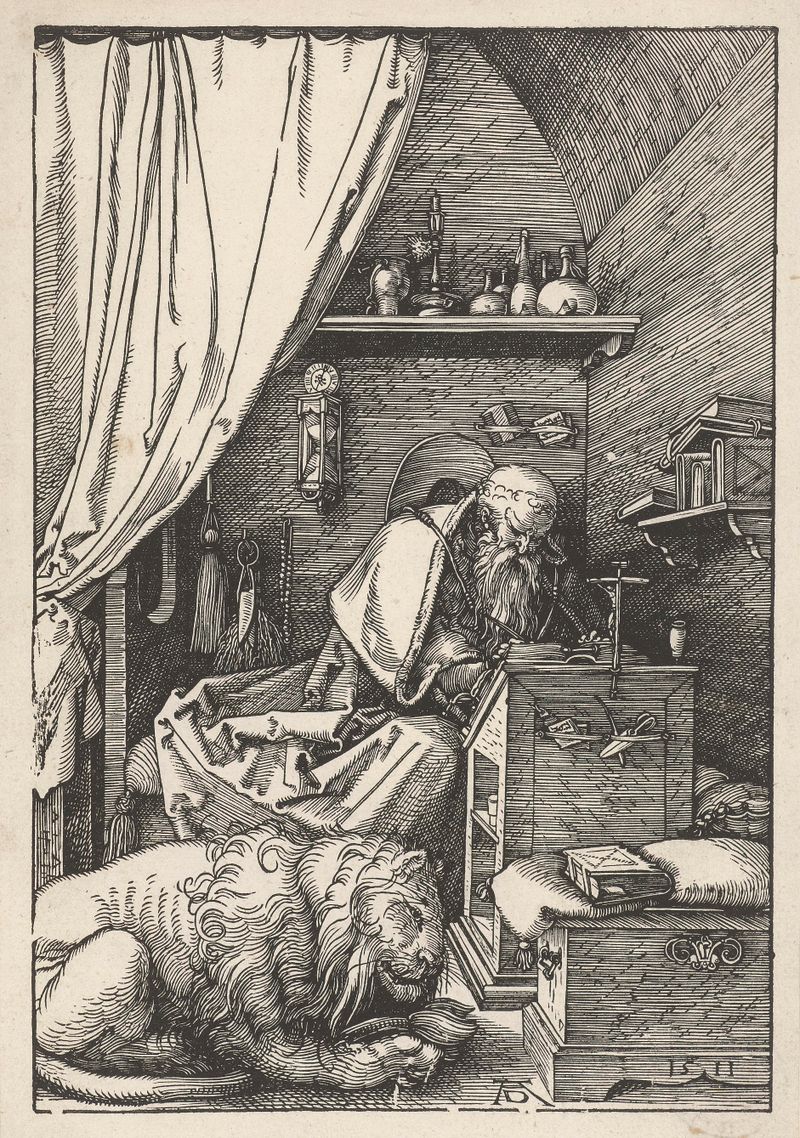
De Heilige Hiëronymus in zijn studeervertrek
Albrecht Dürer
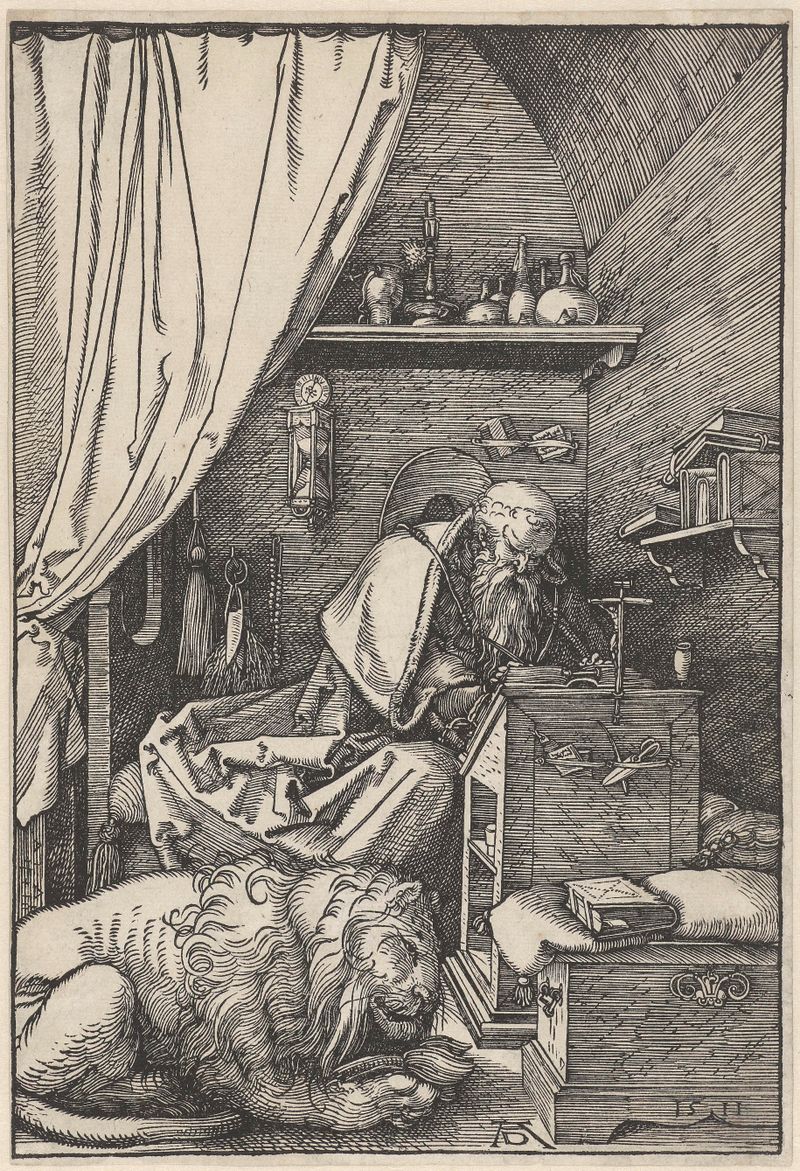
De Heilige Hiëronymus in zijn studeervertrek
Albrecht Dürer
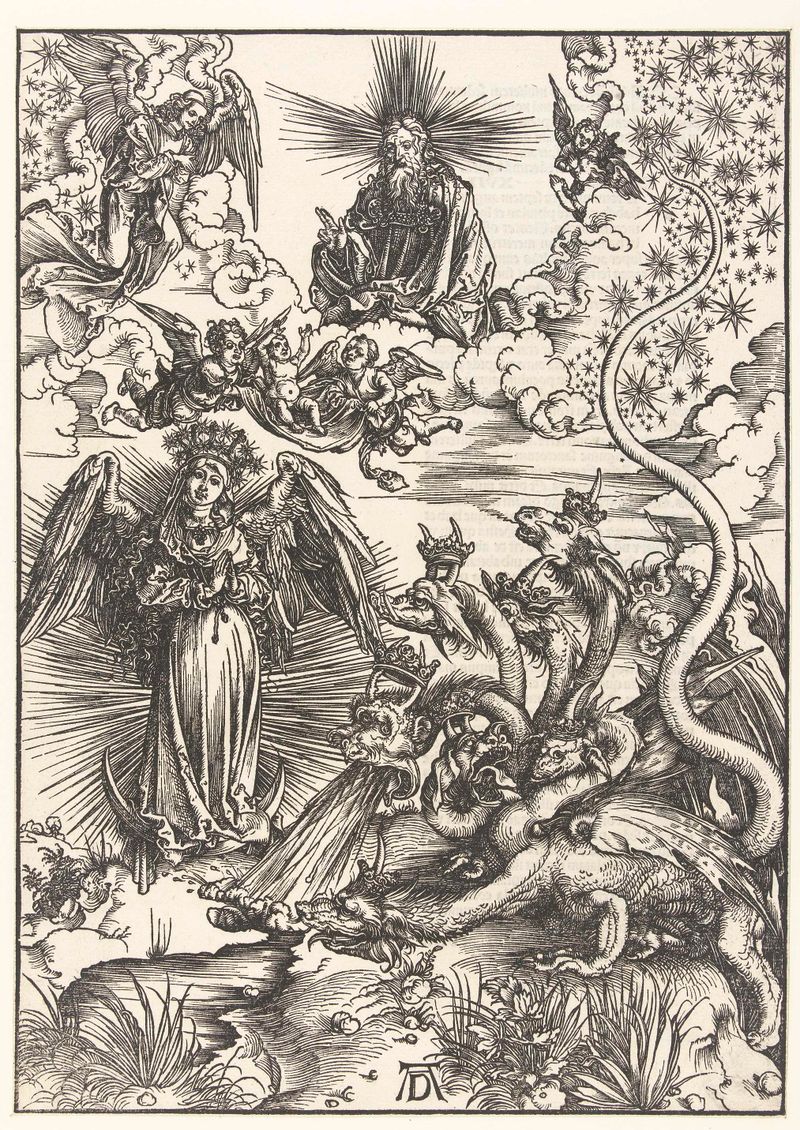
De apocalyptische vrouw en de zevenkoppige draak
Albrecht Dürer
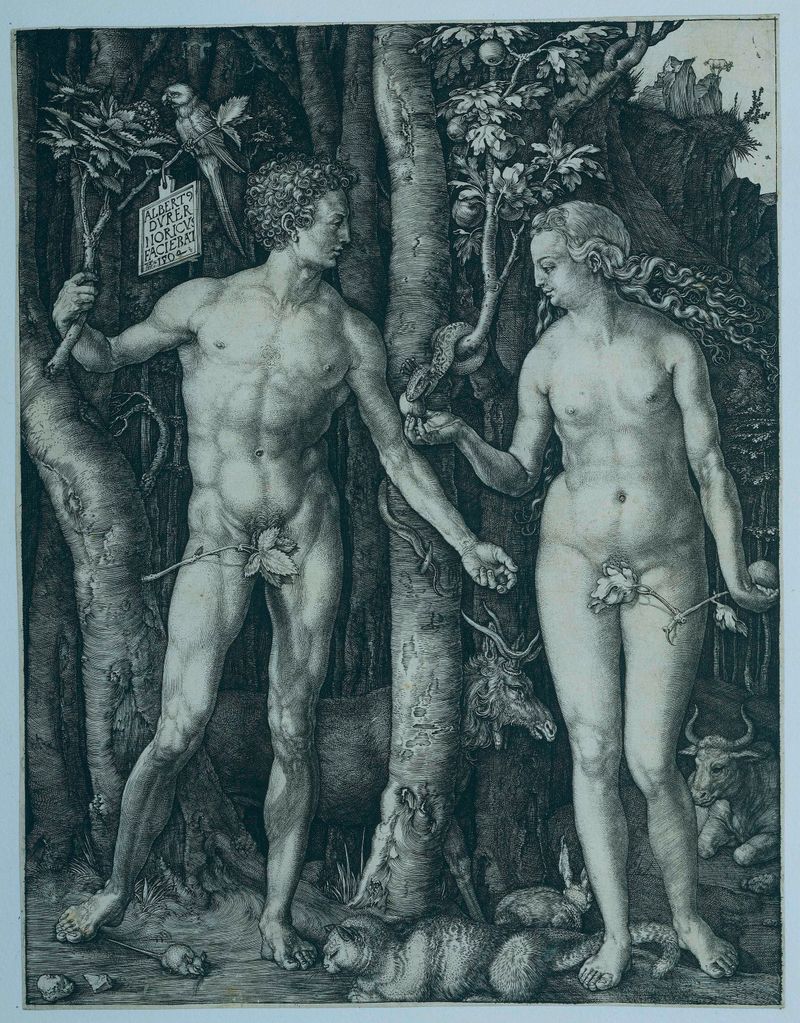
Adam en Eva
Albrecht Dürer
More Religious Art
Browse all →
The Return of the Prodigal Son
Rembrandt van Rijn

The Garden of Earthly Delights
El Bosco

Count Orgaz’ funeral
El Greco

The Hundred Guilder Print: the central piece with Christ preaching, the plate arched
Rembrandt van Rijn

The Descent from the Cross
Rogier van der Weyden

The return of the prodigal son
Rembrandt van Rijn